Understanding Whitening Trays
Whitening trays are a popular and effective method for teeth whitening, offering a convenient way to brighten your smile from the comfort of your home. These trays work by delivering a bleaching agent, typically hydrogen peroxide or carbamide peroxide, to the surface of your teeth. The active ingredient penetrates the enamel, breaking down stain molecules and lightening the overall shade of your teeth. However, the effectiveness and safety of whitening trays depend significantly on how long you wear them and the specific product you are using. It’s crucial to understand the different types of trays available and the factors that influence the optimal wear time to achieve the best results while minimizing potential risks.
Types of Whitening Trays
There are several types of whitening trays available, each with its own characteristics and usage guidelines. Understanding the differences between them is essential for choosing the right option for your needs and following the correct wear time recommendations. The primary categories include custom-fit trays, pre-filled trays, and over-the-counter trays, and each provides a varying level of effectiveness and convenience. The choice of tray often depends on your budget, the degree of staining, and your dentist’s recommendations.
Custom-Fit Trays

Custom-fit trays are created by a dentist based on impressions of your teeth. This ensures a perfect fit, maximizing contact between the whitening gel and your teeth, and minimizing the risk of gel leakage and gum irritation. Because of the precision, custom trays often provide the most effective and comfortable whitening experience. The dentist will also provide detailed instructions on how long to wear the trays and the concentration of the whitening gel to use, tailored to your specific needs and the condition of your teeth. The duration typically ranges from 30 minutes to several hours per day, or even overnight, depending on the gel strength and the dentist’s guidance. (image: custom-whitening-trays.webp)
Pre-Filled Trays
Pre-filled trays are available over-the-counter and contain a pre-measured amount of whitening gel. These are designed for convenience and are generally less expensive than custom trays. The trays are typically disposable and can be used for a specified amount of time, as indicated on the product packaging. The wear time is usually shorter than with custom trays, often ranging from 10 to 30 minutes per session. It is important to carefully follow the instructions on the packaging, as the gel concentration and wear time are specifically formulated for each product. This may be a good option for a quicker whitening solution before an event.
Over-the-Counter Trays
Over-the-counter (OTC) trays include a variety of options, such as those that can be molded to fit your teeth. The fit may not be as precise as custom trays, and the whitening gel concentration is generally lower. This often means that a longer wear time is required to achieve visible results. OTC trays come with their own set of instructions regarding how long to keep the trays in. This can vary from a few minutes to up to an hour per session, and it is vital to adhere to these guidelines to ensure both effectiveness and safety. Many people will use these for a more budget-friendly alternative. (image: whitening-trays-types.webp)
Factors Influencing Wear Time

Several factors influence how long you should wear whitening trays, including the concentration of the whitening gel, the level of tooth sensitivity, and the severity of the staining. Understanding these factors can help you customize your whitening regimen for optimal results and minimal side effects. It’s essential to consider these aspects when determining how long to keep the trays in.
Whitening Gel Concentration
The concentration of the active ingredient in the whitening gel (hydrogen peroxide or carbamide peroxide) directly impacts the wear time. Higher concentrations often require shorter wear times, as they can achieve the desired whitening effect more quickly. However, higher concentrations also increase the risk of tooth sensitivity and gum irritation. Conversely, lower concentrations require longer wear times but are generally gentler on the teeth. Your dentist will determine the appropriate gel concentration based on your teeth’s condition, the degree of staining, and your sensitivity levels. It is important to use only the gel and concentrations recommended by your dentist. (image: whitening-gel-concentration.webp)
Tooth Sensitivity
Tooth sensitivity is a common side effect of teeth whitening. If you experience sensitivity, your dentist may recommend a lower concentration of whitening gel or shorter wear times to minimize discomfort. They may also suggest using a desensitizing toothpaste for a couple of weeks before starting the whitening treatment. It is important to communicate any sensitivity issues to your dentist, as they can adjust your treatment plan accordingly. Ignoring sensitivity can lead to increased discomfort and potentially affect the health of your teeth. (image: tooth-sensitivity-whitening.webp)
Severity of Staining

The severity of the staining on your teeth influences the duration of the whitening treatment. For mild staining, a shorter treatment with lower concentrations of the whitening agent may be sufficient. However, for more severe staining, such as that caused by long-term use of certain medications, smoking, or coffee consumption, a longer treatment period with potentially higher concentrations may be necessary. Your dentist will assess the level of staining and recommend a whitening plan tailored to your specific needs. This may involve a combination of professional treatments and at-home maintenance.
Following Your Dentist’s Instructions
Adhering to your dentist’s instructions is paramount for a safe and effective teeth whitening experience. They have the expertise to assess your oral health, determine the best type of whitening tray for your needs, and recommend the appropriate wear time and gel concentration. Following their guidance can help you achieve the desired results while minimizing the risk of side effects. They will provide you with instructions that are tailored to your needs, and it is always best to follow the provided directions rather than seeking advice from non-professionals.
Typical Wear Time Guidelines
The amount of time you wear whitening trays varies based on the type of tray and the concentration of the whitening gel. Typically, custom trays used with professional-strength gel may be worn for 30 minutes to several hours a day, or even overnight. Pre-filled trays often require shorter sessions, ranging from 10 to 30 minutes. OTC trays may require wear times from a few minutes to an hour, depending on the product. Your dentist will provide specific recommendations based on your individual needs. Following these guidelines will help you get the best outcome.
Daytime Whitening

Daytime whitening typically involves wearing trays for a shorter period during the day. This may be more convenient for some people. The wear time is usually shorter, often around 30 minutes to an hour, and the gel concentration might be lower to minimize sensitivity. This is a great option if you find that overnight whitening is inconvenient or uncomfortable. It allows you to whiten your teeth without disrupting your sleep schedule, although you will need to ensure that the tray is in place during the day, which may affect your eating and drinking habits. (image: whitening-tray-application.webp)
Nighttime Whitening
Nighttime whitening involves wearing the trays while you sleep. This method can be more convenient for some, as you don’t need to fit the whitening sessions into your daytime schedule. Nighttime whitening often uses a lower concentration gel to reduce the risk of sensitivity, although the trays remain in place for a longer period (typically 6-8 hours). This can be a good option if you find it easier to maintain the trays while you sleep. The duration, as well as the proper dental hygiene that goes along with it, is very important to achieve the best results.
Best Practices for Using Whitening Trays
To ensure effective and safe teeth whitening, it is important to follow several best practices. These include proper tray application, maintaining oral hygiene, and avoiding specific foods and drinks during the treatment. Adhering to these guidelines can maximize the benefits of whitening trays while minimizing potential side effects.
Proper Tray Application

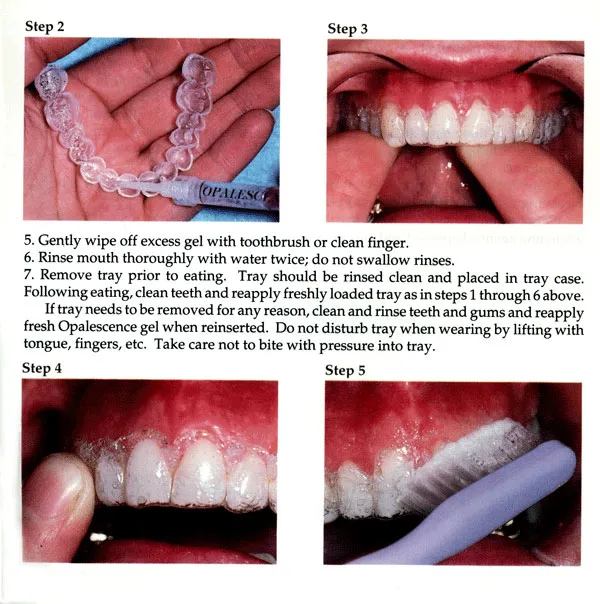
Ensure your teeth are clean and dry before applying the whitening gel to the trays. Use the recommended amount of gel and insert the trays carefully, making sure they fit snugly around your teeth. Avoid overfilling the trays, as this can cause the gel to leak and irritate your gums. After wearing the trays for the recommended time, remove them and rinse your mouth thoroughly. Clean the trays with a soft toothbrush and cold water, and store them properly until the next use. (image: oral-hygiene-whitening.webp)
Maintaining Oral Hygiene
Maintain excellent oral hygiene throughout the whitening process. Brush your teeth gently with a soft-bristled toothbrush before and after each whitening session. Floss daily to remove plaque and food particles from between your teeth. This will help ensure that the whitening gel can effectively reach all surfaces of your teeth and prevent the buildup of stains. Regular dental check-ups and cleanings are also essential to maintain your oral health and the effectiveness of the whitening treatment.
Avoiding Food and Drinks
During the teeth whitening process, it is crucial to avoid or limit the consumption of foods and drinks that can stain your teeth. This includes coffee, tea, red wine, dark-colored sodas, and highly pigmented foods such as berries and curries. These substances can counteract the whitening effect and potentially stain your teeth. Additionally, avoid smoking or using tobacco products, as they can also stain your teeth and impede the whitening process.
Dealing with Side Effects

While teeth whitening is generally safe, some side effects may occur. These include tooth sensitivity and gum irritation. Being aware of these potential issues and knowing how to manage them can help you have a more comfortable whitening experience.
Tooth Sensitivity
Tooth sensitivity is a common side effect of teeth whitening. If you experience sensitivity, you can try several strategies to minimize discomfort. Using a desensitizing toothpaste containing potassium nitrate can help block the tubules in your teeth, reducing sensitivity. You can also take over-the-counter pain relievers, such as ibuprofen or acetaminophen, to alleviate any discomfort. If the sensitivity is severe, consult your dentist, who may recommend a lower concentration of whitening gel or shorter wear times. (image: teeth-whitening-side-effects.webp)
Gum Irritation
Gum irritation is another potential side effect of teeth whitening, usually resulting from the whitening gel coming into contact with the gum tissue. To prevent this, ensure your trays fit properly and avoid overfilling them with gel. If you experience gum irritation, rinse your mouth thoroughly with water and avoid using the trays until the irritation subsides. You can also apply a small amount of vitamin E oil to your gums to help soothe them. If the irritation persists or worsens, contact your dentist for advice.
When to Consult Your Dentist

It’s important to consult your dentist before starting a teeth whitening treatment. They can assess the condition of your teeth, determine if whitening is suitable for you, and recommend the most appropriate treatment plan. You should also contact your dentist if you experience any unusual symptoms, such as severe tooth sensitivity or persistent gum irritation. They can evaluate the issue and make any necessary adjustments to your treatment. Regular dental check-ups during the whitening process are essential to ensure that your treatment is progressing safely and effectively. (image: when-to-see-dentist.webp)