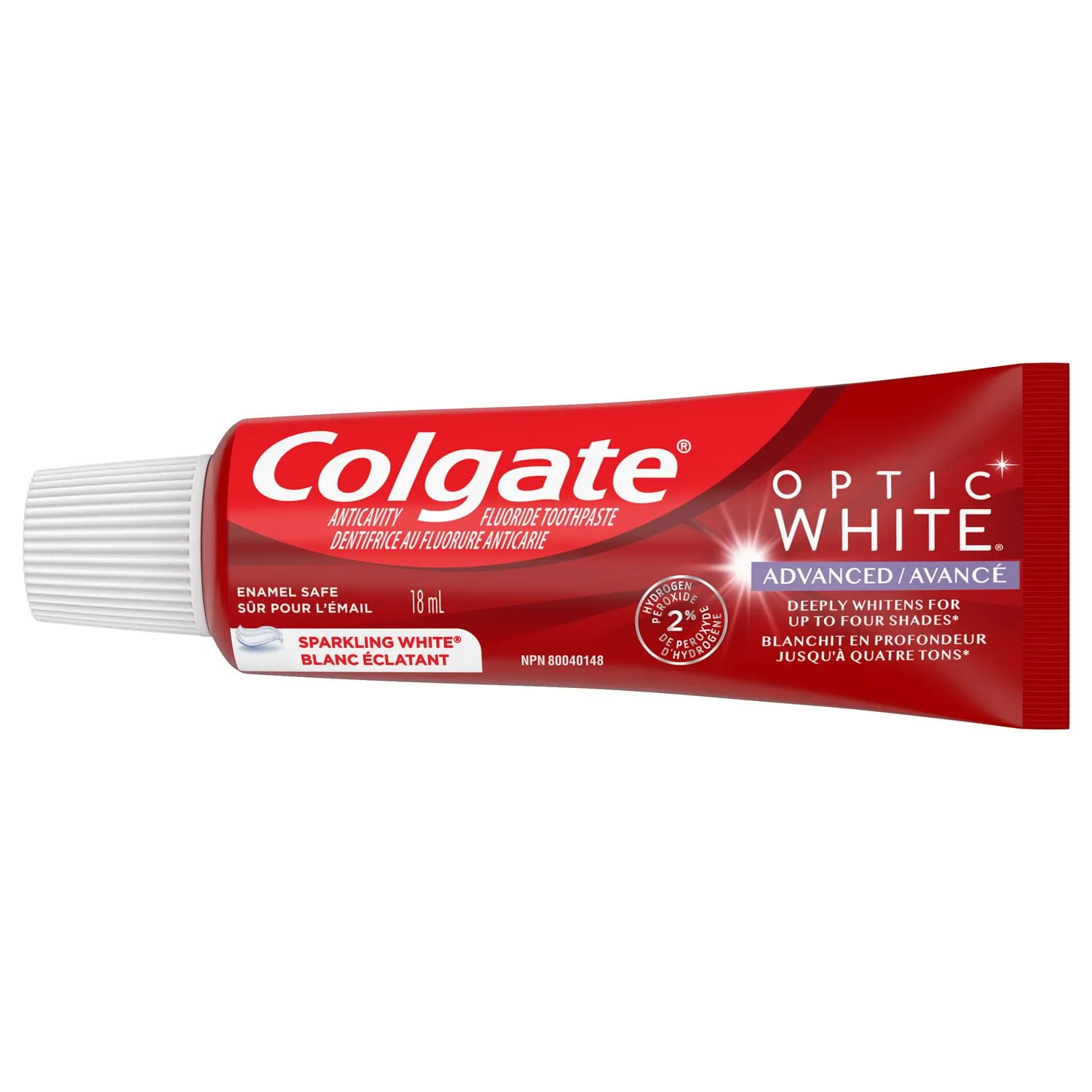
What is Whitening Toothpaste
Whitening toothpaste is a type of toothpaste specifically designed to remove stains and discoloration from the surface of your teeth, resulting in a brighter smile. Unlike regular toothpaste that focuses primarily on cleaning and preventing cavities, whitening toothpaste incorporates special ingredients that actively work to address stains caused by food, drinks, and other lifestyle factors. These toothpastes have become incredibly popular, with many brands offering various formulations to cater to different needs and preferences. Understanding how these toothpastes work, the ingredients they contain, and their effectiveness is crucial for making informed decisions about your oral hygiene routine. This guide will delve into the specifics, offering insights into the benefits, limitations, and best practices for using whitening toothpaste effectively.
How Whitening Toothpaste Works
Whitening toothpaste achieves its stain-removing effects through a combination of chemical and physical actions. The active ingredients work to break down and lift stains from the enamel surface. Physically, the abrasive particles in the toothpaste help to scrub away surface stains when you brush. These abrasives are typically made of hydrated silica or dicalcium phosphate. The effectiveness of these abrasives is carefully calibrated to avoid damaging the enamel. Simultaneously, chemical agents within the toothpaste further contribute to the whitening process. By understanding these mechanisms, one can appreciate the dual approach whitening toothpaste uses to brighten your smile. Furthermore, regular use of whitening toothpaste can help maintain a clean and aesthetically pleasing appearance of your teeth.
The Main Ingredients

Whitening toothpaste formulations vary, but some ingredients are commonly used for their stain-removing and brightening properties. These ingredients target different types of stains and offer varying degrees of whitening effectiveness. The concentrations of these ingredients are carefully balanced to provide optimal results while minimizing potential side effects. The specific combination and concentration of these ingredients will vary depending on the brand and the type of whitening toothpaste. It is important to review the ingredient list on the toothpaste packaging. Common ingredients include abrasives, peroxides, and other chemical agents. Understanding the roles of these ingredients is crucial for consumers to make informed decisions about their oral care.
Peroxide
Peroxide-based ingredients, such as hydrogen peroxide or carbamide peroxide, are common in whitening toothpastes. These compounds work by oxidizing the stain molecules on the tooth surface, breaking them down and making them less visible. Peroxides are effective for whitening both extrinsic and intrinsic stains, meaning they can address both surface stains and stains that have penetrated the enamel. However, the concentration of peroxide in whitening toothpastes is generally lower than what is found in professional whitening treatments. The lower concentration is used to ensure safety and reduce the risk of side effects. It is important to know the percentage of peroxide in the toothpaste you choose, as this can affect the whitening results.
Non-Peroxide Agents
Non-peroxide whitening agents often include ingredients such as sodium tripolyphosphate or special abrasives. These agents remove stains through physical action by scrubbing or chemical action by disrupting stain molecules. Abrasives are essential for physically removing surface stains from your teeth when you brush. Many whitening toothpastes include hydrated silica or dicalcium phosphate. These abrasives help to remove stains without causing excessive abrasion to the enamel. These are generally considered gentler alternatives to peroxide-based ingredients. The specific efficacy of non-peroxide ingredients varies, and the choice depends on factors like stain severity and individual preferences. Many people prefer non-peroxide toothpastes to reduce the chance of sensitivity.
Types of Whitening Toothpaste

The market offers various types of whitening toothpaste, each designed with specific formulations and approaches. These varieties cater to different oral health needs, sensitivities, and aesthetic preferences. The most suitable type of toothpaste depends on your individual requirements, considering factors such as the severity of stains, gum sensitivity, and overall oral health. Some formulations include extra ingredients to combat other oral health issues like sensitivity. Understanding the differences between these types helps you make a better-informed decision when selecting a toothpaste. Choosing the right product allows you to maximize whitening effectiveness and minimize potential risks.
Whitening Toothpaste vs. Regular Toothpaste
Regular toothpaste is designed primarily for cleaning teeth and preventing cavities, focusing on removing plaque, debris, and preventing tooth decay. Whitening toothpaste, in contrast, has a dual function: cleaning and brightening the teeth. It includes specific ingredients that are effective at removing surface stains to improve the appearance of your teeth. While regular toothpaste contains mild abrasives for cleaning, whitening toothpaste often incorporates more aggressive agents. These agents work to remove stains and restore the natural whiteness of your teeth. It is crucial to understand the differences between the two to ensure you are using the most suitable product. This decision should be based on your oral health and aesthetic goals. Consider your sensitivity levels and your need for cavity protection.
Whitening Toothpaste vs. Professional Whitening
Professional teeth whitening is performed by a dentist and offers more dramatic and lasting results than whitening toothpaste. Professional treatments typically use higher concentrations of hydrogen peroxide. They can address both surface stains and deeper intrinsic stains. These treatments are administered in a controlled environment. They can reach results that are impossible to achieve with over-the-counter products. While whitening toothpaste can improve the appearance of your teeth, professional whitening offers significant advantages. Professional whitening can be tailored to your specific needs and achieve a much higher level of brightness. Always consult a dental professional to determine the most appropriate teeth whitening method for your individual needs and desired outcomes. This will help you to make an informed decision that prioritizes both aesthetics and oral health.
Effectiveness of Whitening Toothpaste

The effectiveness of whitening toothpaste varies depending on the formulation, the type of stains, and individual factors. While these toothpastes can be quite effective at removing surface stains caused by food, drinks, and smoking, they are less effective on deeper stains. Regular use of whitening toothpaste can contribute to a brighter smile, especially if you consistently avoid foods and habits that cause staining. However, it is important to have realistic expectations. Whitening toothpaste is not a substitute for professional whitening treatments. The extent of whitening results also depends on factors like the type of toothpaste, the duration of use, and the concentration of active ingredients. Consistently following the instructions on the packaging is essential to achieve the best outcomes.
Factors Influencing Results
Several factors affect the effectiveness of whitening toothpaste. The type and severity of stains play a significant role. Surface stains from coffee, tea, and tobacco tend to be more responsive to whitening toothpaste. The ingredients in the toothpaste are essential. The concentration of active ingredients, such as peroxides or special abrasives, influences how effective the toothpaste is. Your oral hygiene habits also influence the results. Brushing your teeth properly, flossing regularly, and avoiding staining foods and drinks will improve the toothpaste’s impact. Individual tooth enamel characteristics matter. Some people’s enamel is naturally more porous, and this affects the toothpaste’s ability to penetrate and remove stains. Results will also vary based on the frequency and duration of use.
Limitations of Whitening Toothpaste
Whitening toothpaste has limitations. It is not effective for all types of tooth discoloration. It is most effective on surface stains but less effective on intrinsic stains caused by factors like aging, genetics, or medications. Whitening toothpaste cannot change the natural color of your teeth. It can only remove stains and restore your teeth to their original shade. The results are often gradual. It may take several weeks or months of consistent use to notice a significant difference. Whitening toothpaste will not work on dental work such as fillings, crowns, and veneers. They will remain the same color. The degree of whitening also varies from person to person. It depends on factors like enamel porosity and the severity of staining. To achieve the best results, you may need to consider other options.
Side Effects and Considerations

While whitening toothpaste is generally safe, it may cause some side effects and requires careful consideration. It is important to be aware of potential adverse effects before incorporating whitening toothpaste into your oral hygiene routine. Choosing the right toothpaste and using it appropriately can minimize risks. Understanding the possible side effects helps you make informed decisions about your oral care. This knowledge will help you maintain healthy teeth and achieve your desired smile. There are potential issues related to both your teeth and gums, so it’s important to take this into consideration.
Sensitivity
Tooth sensitivity is one of the most common side effects of whitening toothpaste. The active ingredients in the toothpaste, especially peroxides, can irritate the nerves in your teeth. This can lead to temporary sensitivity to hot or cold foods and drinks. If you experience sensitivity, there are a few things you can do. Reduce the frequency of brushing, use a toothpaste designed for sensitive teeth, or consult your dentist. The level of sensitivity varies from person to person. Some people experience only mild discomfort, while others may have more severe symptoms. It is crucial to monitor your teeth for signs of sensitivity. This includes a burning sensation. It is essential to manage sensitivity effectively to maintain your comfort and ensure continued use of the whitening toothpaste.
Enamel Erosion
The abrasive agents in some whitening toothpastes can, over time, cause enamel erosion. Excessive abrasion can wear down the enamel, making your teeth more susceptible to cavities, sensitivity, and discoloration. To minimize this risk, choose whitening toothpastes with lower levels of abrasives. Brush your teeth gently using a soft-bristled toothbrush. Avoid brushing too hard, which can damage the enamel. It is crucial to monitor your teeth for signs of erosion. Some signs include increased sensitivity and a yellowing appearance. Regular dental checkups are essential. This will allow your dentist to assess your enamel health and recommend appropriate preventive measures. If you are concerned about enamel erosion, consult your dentist for personalized advice.
Best Practices for Use

To use whitening toothpaste effectively and safely, follow the recommended best practices. Brushing your teeth properly is essential. Brush for two minutes, twice a day, and use a soft-bristled toothbrush. Apply gentle pressure to avoid damaging your enamel. Be sure to brush all surfaces of your teeth. Use a pea-sized amount of toothpaste and don’t overbrush. It is important to follow the instructions on the toothpaste packaging. Pay attention to the recommended frequency of use. Using more toothpaste will not necessarily lead to faster whitening. Combine whitening toothpaste with other oral hygiene practices, such as flossing and regular dental checkups. This comprehensive approach ensures optimal oral health and maximizes the benefits of the toothpaste. Making it part of your everyday routine will keep your teeth looking bright and healthy.
In conclusion, whitening toothpaste is a useful tool for improving the appearance of your teeth, and provides a brighter and more confident smile. However, being well-informed about its use, benefits, and potential risks, is essential for making the right choice. By understanding how whitening toothpaste works, choosing the right product, and following best practices, you can maintain a healthy and beautiful smile. Remember to consult with your dentist to determine the most effective teeth whitening strategy for your individual needs and to ensure the long-term health of your teeth.