The Truth About Whitening Teeth Pain
Teeth whitening is a popular cosmetic procedure, promising a brighter, more confident smile. However, a common concern for many considering this treatment is whether it causes pain. The short answer is that teeth whitening can indeed lead to some discomfort, often in the form of tooth sensitivity. Understanding the causes, types, and management of this sensitivity is crucial for making an informed decision about whether teeth whitening is right for you. This article will delve into five key facts about teeth whitening pain, helping you navigate the process with realistic expectations and the knowledge to minimize discomfort.
Fact 1 Sensitivity During Whitening
Tooth sensitivity is the most common side effect experienced during teeth whitening. This sensitivity typically manifests as a sharp, sudden pain or discomfort when your teeth are exposed to hot, cold, sweet, or acidic foods and drinks. It happens because the whitening agents, usually containing hydrogen peroxide or carbamide peroxide, penetrate the enamel and dentin of your teeth. This process can temporarily irritate the nerves within your teeth, leading to heightened sensitivity. The level of sensitivity varies from person to person, with some experiencing only mild discomfort while others face more significant pain.
Causes of Sensitivity

Several factors contribute to teeth sensitivity during whitening. The concentration of the whitening agent is a primary factor the higher the percentage of peroxide, the greater the potential for sensitivity. The duration of the treatment also plays a role; longer exposure times can increase the likelihood of discomfort. Individual tooth characteristics, such as the thickness of enamel and the presence of any existing dental issues like receding gums or small cracks, can also influence sensitivity levels. Furthermore, certain lifestyle habits, such as consuming acidic foods and drinks during the whitening process, can exacerbate sensitivity.
How to Manage Sensitivity
Fortunately, several strategies can help manage teeth sensitivity. Using a toothpaste specifically designed for sensitive teeth, containing ingredients like potassium nitrate, can help block the nerve signals that cause pain. Avoiding very hot or cold foods and drinks during the whitening period can also minimize discomfort. If the sensitivity is significant, taking a break from the whitening treatment or reducing the application time can provide relief. Consulting with your dentist is crucial; they can recommend professional treatments, such as fluoride applications or desensitizing agents, to alleviate the pain and protect your teeth.
Fact 2 Types of Whitening & Pain Levels
The type of teeth whitening procedure you choose significantly impacts the likelihood and intensity of pain. Professional, in-office whitening typically uses higher concentrations of whitening agents, leading to potentially greater sensitivity compared to at-home methods. At-home whitening kits, on the other hand, usually contain lower concentrations and are applied over a longer duration, which can also cause sensitivity, though often to a lesser degree. Understanding the differences between these methods is important for choosing the best option based on your tolerance for pain and your desired results.
In-Office Whitening Pain

In-office whitening procedures offer the advantage of faster results, often achieving several shades of lightening in a single visit. However, due to the high concentration of the whitening agent, this method can cause the most significant sensitivity. Dentists often take precautions, such as applying a protective gel to the gums and using a desensitizing treatment before the procedure, to minimize discomfort. Some individuals may experience intense sensitivity that lasts for a few days following the treatment. It’s essential to discuss your sensitivity concerns with your dentist before undergoing in-office whitening.
At-Home Whitening Sensitivity
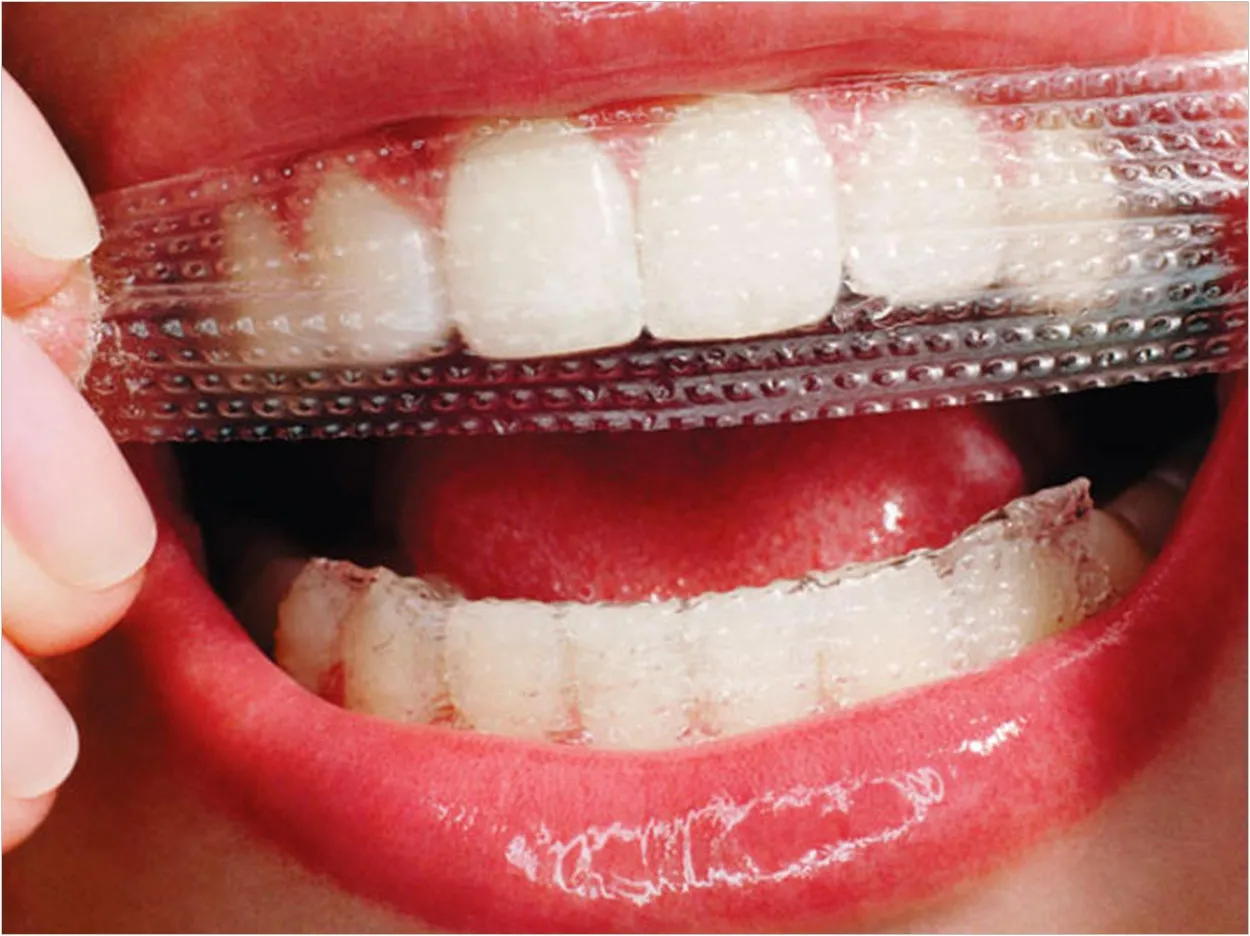
At-home whitening kits, including whitening strips, gels, and custom-fitted trays, typically use lower concentrations of the whitening agent than in-office treatments. This often translates to less intense sensitivity. However, the longer duration of treatment, usually involving daily applications for several weeks, can still cause discomfort. Some individuals might experience sensitivity during the treatment, which gradually subsides after the whitening process is complete. Following the instructions carefully and avoiding over-application can help minimize sensitivity.
Fact 3 Ingredients That Can Cause Pain
The active ingredients in teeth whitening products are the primary culprits behind sensitivity. Understanding these ingredients and their effects is crucial for managing pain. The most common whitening agents are hydrogen peroxide and carbamide peroxide, both of which release oxygen, which penetrates the enamel and dentin to break down stains. The concentration of these chemicals, as well as the duration of their contact with your teeth, plays a key role in the level of sensitivity experienced. Other additives and ingredients can also contribute to discomfort, making it important to choose products that are gentle and designed for sensitive teeth.
Hydrogen Peroxide

Hydrogen peroxide is a powerful oxidizing agent used in many professional whitening treatments. It is effective at breaking down stains, leading to rapid results. However, higher concentrations of hydrogen peroxide can be more irritating to the tooth’s nerve endings, causing significant sensitivity. In-office treatments often utilize higher percentages of hydrogen peroxide to achieve immediate whitening. People with sensitive teeth may experience more pain or discomfort if they choose treatments using high concentrations of this ingredient.
Carbamide Peroxide
Carbamide peroxide is another common whitening agent, often found in at-home kits. When it comes into contact with water, it breaks down into hydrogen peroxide and urea. Although carbamide peroxide is generally considered milder than hydrogen peroxide, it can still cause sensitivity, especially when used in higher concentrations or for extended periods. The slow release of hydrogen peroxide from carbamide peroxide means it can be effective for overnight treatments using custom trays. Understanding the concentration and application instructions of carbamide peroxide products is essential for minimizing sensitivity.
Fact 4 Pre-Existing Conditions
Certain pre-existing dental conditions can increase the likelihood and severity of sensitivity during teeth whitening. If you have any of these conditions, consulting your dentist before starting a whitening treatment is crucial. They can evaluate your oral health and offer personalized recommendations to minimize discomfort. This can include recommendations of specific products, and/or a treatment plan that is suitable for your individual needs. People with pre-existing conditions should consult a dentist before opting for teeth whitening.
Gum Disease and Whitening

People with gum disease, such as gingivitis or periodontitis, often have inflamed gums that are more susceptible to irritation. Whitening agents can exacerbate this inflammation, leading to increased sensitivity and pain. In severe cases, whitening treatments can make gum disease worse, potentially leading to further complications. Before whitening, it’s essential to address any gum disease with appropriate dental treatment. Your dentist can recommend the best approach for your situation, often involving a deep cleaning and improved oral hygiene practices.
Cavities and Sensitivity
Cavities, or dental caries, can expose the underlying dentin of your teeth, which is more sensitive to external stimuli. Whitening agents can penetrate these areas more readily, leading to significant discomfort. If you have untreated cavities, teeth whitening can cause severe sensitivity and pain. It is important to have any cavities filled before undergoing teeth whitening to prevent discomfort and complications. Your dentist can identify and address any cavities during your examination.
Fact 5 Pain-Free Whitening Options
While teeth whitening can cause pain, several alternatives and strategies can help you achieve a brighter smile with minimal discomfort. These alternatives range from professional options tailored to your specific needs to simple home remedies that can provide relief. Discussing these options with your dentist allows you to select the most appropriate approach based on your oral health, sensitivity level, and desired results. It ensures you get the smile you want without unnecessary pain and discomfort.
Professional Whitening Alternatives

Professional whitening alternatives can include different whitening agents and techniques. Your dentist may recommend a lower concentration of the whitening agent for in-office treatments, which reduces sensitivity while still achieving noticeable results. They can also apply desensitizing agents, such as fluoride varnish, to your teeth before and after the procedure. These agents help to protect the enamel and reduce sensitivity. Additionally, they can make custom-fitted trays and recommend at-home treatments that are tailored to your sensitivity level.
Home Remedies
Several home remedies can help ease teeth sensitivity during whitening. Using a toothpaste formulated for sensitive teeth can provide relief. This type of toothpaste contains ingredients that can help to block the nerve signals that cause pain. Applying a fluoride rinse can strengthen your enamel and reduce sensitivity. Avoiding acidic foods and drinks, such as citrus fruits, sodas, and coffee, can also help. Drinking water after consuming these items helps to wash away any acids that can irritate your teeth. You can also consider using a straw to minimize contact with your teeth.
Final Thoughts
Teeth whitening can cause sensitivity, but the pain experienced is typically temporary and manageable. By understanding the facts discussed above, you can make informed decisions about your whitening options and take steps to minimize any discomfort. Consulting with your dentist is essential; they can assess your oral health, recommend the most suitable whitening method for you, and provide guidance on how to manage any sensitivity. With careful planning and attention to your teeth’s needs, you can achieve a brighter smile without sacrificing your comfort. Remember, a healthy smile is a happy smile!