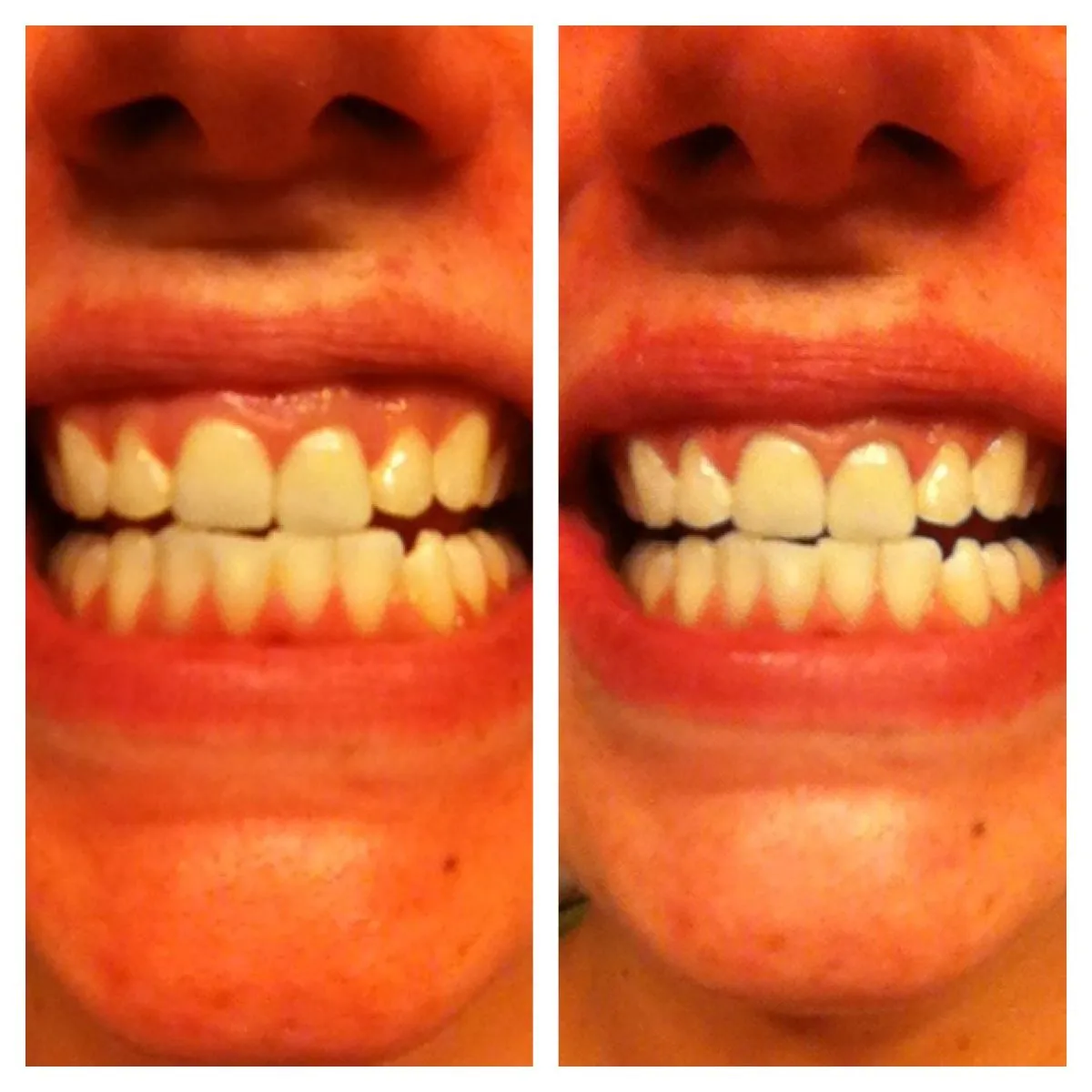
Why Baking Soda & Strawberries for Teeth Whitening
The quest for a brighter, whiter smile has led many to explore natural and affordable teeth whitening options. Among the most popular DIY methods is the combination of baking soda and strawberries. This approach has gained traction due to the perceived effectiveness and accessibility of these ingredients. Baking soda, a mild abrasive, is believed to help scrub away surface stains, while strawberries, containing malic acid, are thought to contribute to stain removal. This method has been touted as a safe and effective way to enhance the appearance of teeth at home, providing an alternative to costly professional treatments. However, it’s essential to understand the science and potential risks before trying this popular remedy. Proper knowledge and understanding of the process ensure you’re taking care of your dental hygiene correctly.
The Science Behind Teeth Whitening
Understanding the science behind teeth whitening is crucial for assessing the effectiveness and safety of any method. Tooth discoloration can occur due to extrinsic and intrinsic factors. Extrinsic stains are on the tooth surface caused by food, drinks, and tobacco, while intrinsic stains are deeper within the tooth structure and can be due to genetics, aging, or certain medications. Whitening treatments generally work by either removing the stains or altering the color of the enamel. Professional treatments often use hydrogen peroxide or carbamide peroxide to penetrate the enamel and break down stain molecules. DIY methods, like the baking soda and strawberry approach, primarily aim to remove extrinsic stains through abrasive action and the chemical properties of the ingredients. It is important to be realistic about the achievable results and understand the limits of DIY methods, as they may not always deliver the same dramatic results as professional treatments. This understanding is important for setting the right expectations.
How Baking Soda Works

Baking soda, or sodium bicarbonate, acts as a mild abrasive, gently scrubbing away surface stains from the teeth. Its slightly alkaline nature also helps neutralize acids in the mouth, contributing to a healthier oral environment. The abrasive properties of baking soda can help remove plaque and some surface stains caused by coffee, tea, and other staining agents. However, it is crucial to use baking soda with caution. Over-brushing with baking soda can erode tooth enamel, leading to increased sensitivity and potential long-term damage. It is important to use it sparingly and to combine it with other ingredients that have a beneficial effect on your oral health. Always consult your dentist regarding the usage of baking soda for teeth whitening. They can provide personalized advice based on the health of your teeth and gums, and the state of your mouth.
How Strawberries Contribute
Strawberries contain malic acid, a natural astringent that may help remove surface stains. Malic acid is also found in other fruits, and it can have a mild whitening effect. Some proponents of this method believe that the combination of malic acid and the abrasive action of baking soda can lead to a noticeable improvement in tooth whiteness. However, the effectiveness of strawberries in teeth whitening is often debated. While they may offer some benefits, they are not as potent as professional whitening agents. Strawberries also contain natural sugars, so it is essential to brush your teeth thoroughly after using them to prevent any potential harm from the sugars. For the best results, it’s often recommended to mix the strawberries with baking soda to enhance the whitening effect and provide a gentler application.
DIY Whitening How to Guide
Step-by-Step Baking Soda & Strawberry Paste

To create a baking soda and strawberry paste, you’ll need a few fresh strawberries and baking soda. First, mash 2-3 ripe strawberries into a smooth paste. Next, add about a teaspoon of baking soda to the mashed strawberries and mix well until you form a uniform paste. Ensure there are no large chunks of strawberries left. Make sure you mix the ingredients well to make a smooth paste. Before starting, make sure you have a soft-bristled toothbrush and some water. Also, you can start with a small amount of baking soda and adjust it based on the consistency you want. Finally, it’s advisable to test the paste on a small area of your teeth before full application to check for any sensitivity or adverse reactions. If you experience any discomfort, rinse your mouth with water immediately.
Application Technique for Maximum Results
When applying the paste, use a soft-bristled toothbrush to gently brush your teeth in circular motions. Brush for about two minutes, ensuring you cover all surfaces of your teeth. Avoid brushing too vigorously, as this can damage the enamel. After brushing, rinse your mouth thoroughly with water to remove any remaining paste. It’s crucial to not swallow any of the paste. For best results, use this method no more than once or twice a week to avoid potential enamel erosion. Following each session, inspect your teeth and gums. You may need to adjust your frequency or technique. If you experience any sensitivity or discomfort, consult your dentist. This will help you maintain your dental hygiene.
Safety and Precautions
While baking soda and strawberries can be a simple and natural approach, it is important to consider safety precautions. Excessive use of baking soda can erode tooth enamel, making your teeth more susceptible to sensitivity and decay. Always use a soft-bristled toothbrush to minimize abrasiveness. Moreover, individuals with sensitive teeth or existing dental issues should exercise extra caution and consult their dentist before trying this method. It’s also important to be aware of any potential allergic reactions to strawberries. If you experience any irritation or discomfort, discontinue use immediately. It’s essential to always prioritize your oral health and be mindful of any changes in your teeth or gums while using this or any DIY teeth whitening method.
Potential Risks and Side Effects

The primary risk associated with this teeth whitening method is enamel erosion due to the abrasive nature of baking soda. Enamel erosion can lead to increased tooth sensitivity, cavities, and a higher risk of dental problems. Overuse of strawberries can also contribute to enamel erosion due to their acidity. Another potential side effect is gum irritation. If you experience redness, swelling, or bleeding gums, discontinue use and consult your dentist. Some people may also experience temporary tooth sensitivity after using this method. If you notice any adverse effects, it is crucial to stop the treatment and seek professional dental advice. Regular dental check-ups are essential to monitor the health of your teeth and gums, regardless of the whitening methods you choose.
Alternatives & Complementary Methods
If you are looking for alternatives or ways to complement the baking soda and strawberry method, consider other natural options. Oil pulling with coconut oil can help reduce plaque and bacteria, contributing to oral hygiene. Maintaining good oral hygiene practices, such as brushing twice daily, flossing, and using mouthwash, is crucial. Over-the-counter whitening toothpastes and mouthwashes containing mild bleaching agents can also provide some whitening effects. For more significant results, consult your dentist about professional teeth whitening treatments. They can provide customized solutions based on your specific needs and oral health. Combining these methods can help you achieve and maintain a brighter smile while prioritizing your dental health.
Maintaining Your White Smile
Maintaining your white smile involves a combination of good oral hygiene and lifestyle choices. Brush your teeth twice a day with a fluoride toothpaste and floss daily. Regular dental check-ups and cleanings are also essential. Avoid or limit the consumption of staining foods and drinks, such as coffee, tea, red wine, and dark-colored berries. If you consume these items, brush your teeth afterward or rinse your mouth with water. Consider using a whitening toothpaste or mouthwash. Avoid smoking and tobacco products, as they can heavily stain your teeth. These simple practices are the key to a long-lasting and beautiful smile. A healthy smile is a sign of overall health, and you should keep your teeth well-maintained.