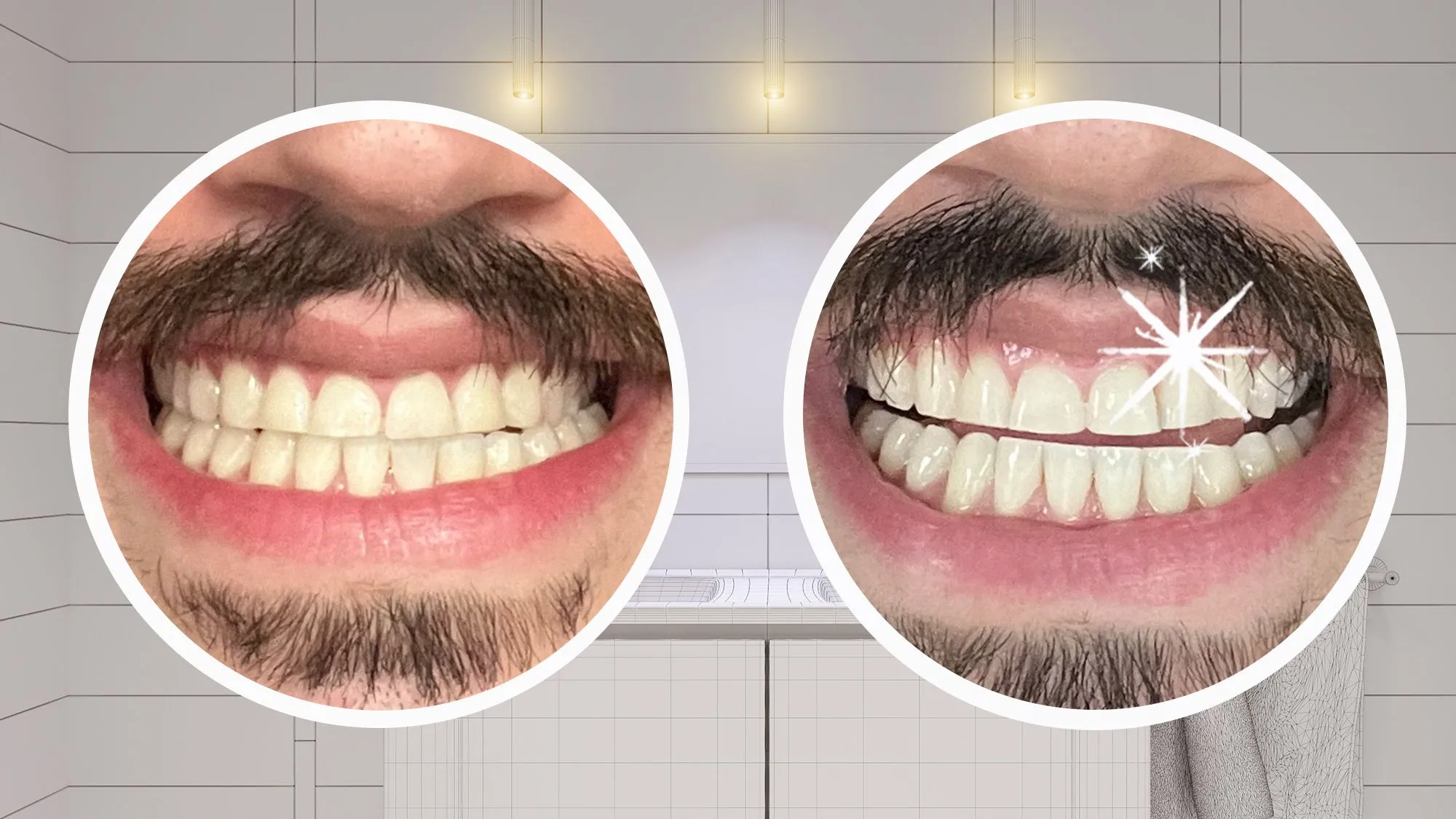
What are Whitening Strips?
Whitening strips have become a popular over-the-counter solution for achieving a brighter smile. These thin, flexible strips are coated with a whitening agent, typically hydrogen peroxide or carbamide peroxide, and are designed to be applied directly to the teeth. They are generally easy to use and offer a convenient way to whiten teeth at home. The appeal lies in their accessibility and relatively low cost compared to professional teeth whitening treatments. However, it’s essential to understand how these strips work, their effectiveness, and potential drawbacks before incorporating them into your oral hygiene routine. Understanding what they are is the first step in determining how well do whitening strips work for you and your specific needs.
How Whitening Strips Work
Whitening strips work through a chemical process that involves breaking down the stains and discolorations on the surface of the teeth. The active ingredient, usually hydrogen peroxide or carbamide peroxide, penetrates the enamel to oxidize the stain molecules. This oxidation process lightens the color of the teeth, making them appear whiter. The effectiveness depends on the concentration of the active ingredient, the duration of contact, and the frequency of use. The peroxide molecules enter the enamel and dentin, the layers of the tooth, to break down stains. The design of the strips ensures close contact with the teeth, allowing the whitening agent to work effectively. Knowing how they work helps users have realistic expectations.
The Science Behind Whitening Strips

At the core of whitening strips’ effectiveness lies the science of oxidation. Hydrogen peroxide, the most common active ingredient, acts as an oxidizing agent. It releases oxygen molecules that interact with the stain molecules embedded within the tooth enamel. This interaction breaks the chemical bonds that hold the stain molecules together, effectively lightening their color. The concentration of hydrogen peroxide is crucial; higher concentrations can lead to quicker results but may also increase the risk of tooth sensitivity. The strips are designed to adhere to the teeth, creating prolonged contact between the whitening agent and the enamel. Understanding this science provides insight into why some strips work better than others and how to maximize their impact while minimizing potential side effects.
Types of Whitening Strips Available
The market offers a variety of whitening strips, each with different formulations and intended uses. The two main types are those containing hydrogen peroxide and those that are peroxide-free. The choice depends on individual preferences, sensitivity levels, and desired results. The concentration of the active whitening agent varies among brands and products, affecting the speed and intensity of the whitening process. Some strips are designed for daily use, while others are used less frequently. It’s important to consider the different types available to find the best fit for your needs and to understand the potential advantages and disadvantages of each. Peroxide-based strips are generally more effective but may cause sensitivity in some individuals, and peroxide-free strips are milder but may take longer to produce visible results.
Hydrogen Peroxide Strips
Hydrogen peroxide strips are the most common type available. Hydrogen peroxide is the primary whitening agent, and its concentration usually ranges from 6% to 14%. These strips are generally very effective at removing both surface and deeper stains. However, the higher concentrations can cause tooth sensitivity or gum irritation in some users. They are often used for a specific duration, such as 30 minutes daily, over several weeks, depending on the brand and the level of whitening desired. Users should carefully follow the instructions to minimize any potential side effects and maximize the whitening results. These strips are ideal for those seeking fast and noticeable results but must be used with caution.
Non-Peroxide Strips

Non-peroxide whitening strips use alternative ingredients, such as sodium chlorite, to whiten teeth. These strips are often milder and are a good option for individuals with sensitive teeth or those who are concerned about potential side effects. While they may take longer to produce noticeable results compared to hydrogen peroxide strips, they are generally gentler on the teeth and gums. They are also a good option for those who have tried peroxide strips and experienced sensitivity. The effectiveness varies depending on the specific formulation, but they can be a viable option for maintaining a brighter smile with minimal risk of irritation. Users should carefully review the instructions to achieve the best results possible.
Evaluating the Effectiveness of Whitening Strips
The effectiveness of whitening strips is not a one-size-fits-all proposition; it depends on several factors. While many users experience significant whitening results, the degree of change varies. Some individuals may see dramatic improvements in just a few days, while others may require longer treatment periods or may not achieve the same level of whitening. It’s important to manage expectations and understand that individual results are influenced by various elements. To determine how well do whitening strips work, it’s essential to consider the factors that influence the outcome. Understanding these factors can help users choose the right product and manage their expectations for the best possible results.
Factors Influencing Results
Several factors influence the effectiveness of whitening strips. These include the severity and type of stains, frequency of use, the user’s oral hygiene practices, and the specific product used. Genetics also play a role; some individuals’ teeth naturally whiten more easily than others. Furthermore, the presence of dental work, such as fillings or crowns, can affect the overall outcome, as these materials do not whiten in the same way as natural teeth. Taking these factors into account provides a more complete picture of how well do whitening strips work for an individual.
Severity of Staining

The severity of staining is a key factor. Surface stains caused by coffee, tea, or smoking are generally easier to remove than deeper, intrinsic stains that can be caused by medications or aging. Light to moderate stains tend to respond well to whitening strips. However, heavy staining may require professional treatments for optimal results. Regular use of whitening strips can effectively remove surface stains and maintain a brighter smile. The intensity of the discoloration, therefore, influences how well do whitening strips work; the more significant the staining, the more challenging it is to achieve noticeable results.
Frequency of Use and Duration
The frequency and duration of whitening strip use directly impact the outcome. Following the product instructions is crucial. Overuse can lead to increased sensitivity, while underuse may not produce desired results. Most products recommend use for a specific period, such as twice daily for 30 minutes for several weeks. Consistency is key to achieving and maintaining a brighter smile. Users should also consider the concentration of the active ingredient; higher concentrations may require shorter usage times. Adhering to the guidelines ensures effective and safe use, making the most of the whitening strips.
User’s Oral Hygiene Habits
Oral hygiene habits significantly affect the effectiveness of whitening strips. Brushing and flossing regularly help remove surface stains and prevent new ones from forming. Using a whitening toothpaste can also complement the effects of whitening strips. People who maintain good oral hygiene often experience better and longer-lasting results. Before using whitening strips, it’s recommended to have your teeth professionally cleaned. Regular dental check-ups are also essential for maintaining optimal oral health. Poor oral hygiene can diminish the effectiveness of whitening strips, while good habits enhance the whitening process.
Advantages of Using Whitening Strips

Whitening strips offer several advantages, making them a popular choice for teeth whitening. They are convenient, easy to use, and relatively affordable compared to professional treatments. Most strips are designed to fit comfortably on the teeth and can be used at home. They offer a non-invasive way to improve the appearance of your smile. Many users appreciate the flexibility to whiten their teeth on their schedule. The combination of affordability and ease of use makes whitening strips a compelling option for many individuals looking to enhance their smile.
Convenience and Ease of Use
One of the primary advantages of whitening strips is their convenience and ease of use. The application process is straightforward, usually involving applying the strips to the teeth for a set period. This can be done while going about your daily routine, such as during your commute or while working from home. Whitening strips don’t require any special equipment or professional assistance. This ease of use makes them an accessible option for busy individuals. The convenience of being able to whiten teeth at home is a major draw for many users. The straightforward process allows for consistent and regular use.
Cost-Effectiveness
Whitening strips are a cost-effective alternative to professional teeth whitening. They are significantly less expensive than treatments provided by a dentist. This makes them accessible to a wider audience. The affordability allows users to whiten their teeth without breaking the bank. The cost-effectiveness of whitening strips allows them to be a part of regular oral hygiene routines, which may not be the case with more expensive alternatives. Many users find the cost-benefit ratio of whitening strips very appealing, especially when compared to the cost of in-office procedures.
Potential Disadvantages and Risks

While whitening strips are generally safe, there are potential disadvantages and risks to consider. The most common side effects are tooth sensitivity and gum irritation. These effects are typically temporary and subside after the treatment is finished, but can be uncomfortable. It is important to follow the instructions and use the strips as directed to minimize these risks. In rare cases, overuse or misuse can lead to more severe complications. Understanding the potential downsides allows users to make informed decisions about their oral health.
Tooth Sensitivity
Tooth sensitivity is a common side effect of using whitening strips, especially those containing hydrogen peroxide. The whitening agent can penetrate the enamel and reach the dentin, which contains nerve endings. This can cause temporary sensitivity to hot and cold foods and drinks. To minimize sensitivity, users should follow the instructions carefully and avoid overuse. Using toothpaste designed for sensitive teeth can also help. If sensitivity persists, it is advisable to consult with a dentist. Usually, this is a temporary side effect that resolves once the treatment is complete. However, being aware of this possibility and taking precautions helps in managing this potential downside.
Gum Irritation
Gum irritation is another potential side effect of whitening strips. The whitening agent can come into contact with the gums, leading to inflammation or irritation. This is often caused by improper application or using strips that are too large for your teeth, causing the agent to seep onto the gums. Applying the strips correctly, avoiding contact with the gums, and choosing strips that fit well can minimize this risk. If gum irritation occurs, it’s recommended to discontinue use and consult a dentist. Proper application is the key to reducing this issue.
Proper Application and Usage

Correct application and usage are essential for the effectiveness and safety of whitening strips. Following the instructions provided by the manufacturer is crucial. This includes the duration of use, frequency, and any specific recommendations. Proper application ensures that the whitening agent comes into contact with the teeth and minimizes exposure to the gums. Understanding the correct techniques can help users achieve the best results while reducing the risk of side effects. Taking the time to learn and follow the directions will make a real difference in the outcome.
Step-by-Step Guide to Applying Strips
The application process typically involves the following steps first, brush your teeth. Then, peel the strips from their backing. Apply the strips to your teeth, aligning them with the gum line. Press the strips firmly to ensure full contact with the teeth. Fold any excess strip behind your teeth. Avoid touching your gums to prevent irritation. Leave the strips on for the recommended time, usually 30 minutes. After the set time, remove the strips and discard them. Rinse your mouth to remove any remaining gel. Following each step correctly maximizes the effectiveness and minimizes the risk of side effects. Reading and following the product instructions carefully before starting the process is essential. Doing so will contribute to the results.
Tips for Minimizing Sensitivity
To minimize tooth sensitivity, there are several precautions you can take. Use toothpaste designed for sensitive teeth for at least two weeks before starting the whitening treatment. Avoid consuming highly acidic foods and drinks during the treatment period, as they can exacerbate sensitivity. If you experience significant sensitivity, take a break from using the strips and consult with your dentist. Applying the strips for shorter durations than recommended may help. These proactive measures can significantly reduce any discomfort, allowing you to continue the treatment with greater ease and comfort. Sensitivity is manageable with the right approach.
Alternatives to Whitening Strips
There are several alternatives to whitening strips that you can consider. These alternatives offer different methods and levels of effectiveness. The best option depends on individual needs, budget, and desired outcomes. Considering these alternatives offers flexibility and options to suit different preferences and circumstances. A dentist can provide personalized advice based on your specific situation. This information will help in determining how well do whitening strips work for you.
Professional Teeth Whitening
Professional teeth whitening, performed by a dentist, is the most effective option. It uses stronger whitening agents and can provide faster and more dramatic results than over-the-counter products. The dentist can also assess your oral health and address any underlying issues before starting the treatment. This ensures the safety and efficacy of the whitening process. Professional treatments often use a higher concentration of hydrogen peroxide. While more expensive, professional whitening can be an excellent choice for those seeking the most significant improvements or for individuals with more severe discoloration. The cost is offset by the superior results and the assurance of professional oversight.
Over-the-Counter Whitening Products
Besides whitening strips, various over-the-counter whitening products are available, including whitening toothpastes, gels, and mouthwashes. Whitening toothpastes contain mild abrasives and chemicals to remove surface stains. Whitening gels can be applied using custom trays or brushes. Whitening mouthwashes can help maintain a brighter smile by removing surface stains. These products are generally less potent than whitening strips. They are a good option for maintaining whiteness or for those with sensitive teeth. They are often more affordable and accessible than professional treatments. Combining various products may enhance results. Considering different options allows users to choose the best approach.
Conclusion How Well Do Whitening Strips Work?
In conclusion, whitening strips can be an effective and convenient way to whiten teeth. Their effectiveness depends on several factors, including the type of stains, the product used, and individual oral hygiene habits. While they offer many advantages, such as convenience and cost-effectiveness, it is essential to be aware of potential disadvantages, such as tooth sensitivity and gum irritation. Following instructions carefully and understanding the science behind the process can help users achieve the best results while minimizing risks. For those seeking significant improvements or with specific concerns, professional teeth whitening remains the most reliable option. Understanding how well do whitening strips work requires careful consideration of all these factors.