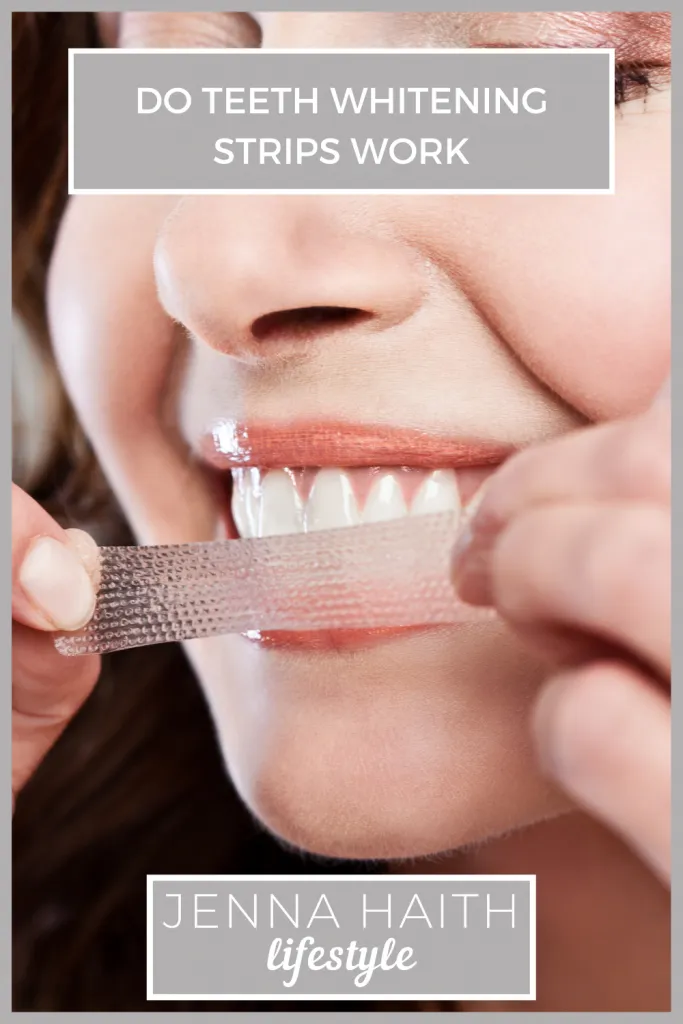
What Are Whitening Strips?
Whitening strips have become a popular and convenient method for enhancing the brightness of your smile. These thin, flexible strips are coated with a peroxide-based whitening agent, typically hydrogen peroxide or carbamide peroxide. They are designed to adhere directly to your teeth, ensuring close contact between the whitening substance and the enamel. The convenience of whitening strips lies in their ease of use; they can be applied at home, without the need for professional dental equipment or procedures. This accessibility has made them a go-to choice for individuals looking to improve their teeth’s appearance quickly and affordably. However, understanding how they work and what results to expect is essential for realistic expectations and effective use.
How Do Whitening Strips Work?
The core mechanism behind whitening strips involves the chemical reaction of the peroxide agent with the stains on your teeth. These stains are caused by various factors, including the consumption of staining foods and beverages like coffee, tea, and red wine, as well as lifestyle choices such as smoking. When the peroxide comes into contact with the stained enamel, it penetrates the porous surface and breaks down the stain molecules. This process effectively lightens the appearance of the teeth, making them appear whiter. The effectiveness of whitening strips depends on the concentration of the peroxide agent, the duration of application, and the frequency of use. It is also influenced by the specific type of stain and the individual’s natural tooth shade.
The Whitening Process Explained

The whitening process unfolds in a series of steps. First, the strip is applied to the teeth, making sure that it adheres properly to maximize contact. The peroxide agent then begins to penetrate the enamel, breaking down the stain molecules. Over time, as the strip remains in place, more of the stain molecules are broken down, leading to a gradual lightening of the teeth. The duration of this process varies based on the type of strip, the concentration of the whitening agent, and the individual’s adherence to the instructions. It’s crucial to follow the product’s guidelines to achieve the best results and to avoid potential side effects.
Factors Influencing Whitening Strip Results
Several factors can significantly influence the effectiveness and speed with which you’ll see results from whitening strips. These factors include the type and intensity of stains, the frequency with which you use the strips, and your adherence to the manufacturer’s instructions. The initial shade of your teeth also plays a critical role; those with more yellow teeth often see quicker and more dramatic results compared to those with naturally grey or more deeply stained teeth. Furthermore, individual differences in enamel porosity and the way the teeth react to the whitening agent contribute to the variability in outcomes.
Teeth Shade and Staining
The initial shade of your teeth is a primary determinant of how quickly you’ll see results. Teeth that are more yellow tend to respond faster to whitening treatments than those that are more grey or have deeper intrinsic stains. The type of staining also impacts outcomes; extrinsic stains (those on the surface) from coffee, tea, or tobacco often lighten more rapidly than intrinsic stains, which are within the tooth structure. Understanding the nature of your stains and your starting tooth shade will help you set realistic expectations and choose the appropriate whitening strip strength and treatment duration. For a visual reference, you can compare your teeth to a shade guide to understand your starting point.
Frequency of Use

Following the recommended frequency of use is essential. Overuse can lead to increased tooth sensitivity and gum irritation without necessarily speeding up the whitening process. Most whitening strips suggest daily use for a specific period, such as 14 days, or as directed by the product instructions. Consistency is key; adhering to the recommended schedule ensures the gradual and effective breakdown of stains. It is important to avoid the temptation to use the strips more often than advised, as this can be counterproductive and harmful to your oral health.
Type of Whitening Strips
There’s a variety of whitening strips on the market, varying in the concentration of the active whitening agent (usually hydrogen peroxide or carbamide peroxide). The higher the concentration, the potentially faster the results, but also the higher the risk of sensitivity. The type of strip (e.g., those designed for sensitive teeth) and the brand can influence the speed of results. When selecting strips, consider your teeth’s sensitivity and the desired speed of whitening. Consulting with a dentist can help you choose the most suitable product for your needs, ensuring both effectiveness and safety. Some strips also include additional ingredients designed to enhance comfort or improve results.
Following Instructions
Adhering to the instructions provided with your whitening strips is crucial for both effectiveness and safety. This includes the recommended duration of application, the frequency of use, and any specific guidelines related to food and drink consumption during treatment. Ignoring these instructions can lead to suboptimal results or increase the risk of side effects like tooth sensitivity and gum irritation. Before using the strips, read the product information carefully, and follow the guidelines precisely to maximize your whitening experience. If you have any doubts or concerns, consult your dentist for personalized advice.
How Long Do Whitening Strips Take to Work?

The timeframe for seeing results from whitening strips varies from person to person. Generally, you can begin to notice a difference within a few days to a week of consistent use. However, significant and noticeable whitening usually takes around one to two weeks, depending on the product and the factors mentioned above. Some individuals may experience dramatic improvements faster, while others may need to continue treatment for the entire recommended period to achieve their desired level of whiteness. It’s essential to have realistic expectations and to understand that the results are gradual.
Typical Timeline for Results
Most over-the-counter whitening strips are designed to be used for a specific treatment duration, typically between 10 to 20 days. Within the first week, you may start to see subtle changes in your teeth’s brightness. The most visible whitening usually becomes apparent after about two weeks of consistent use. However, the exact timeline depends on the concentration of the active ingredient, the initial shade of your teeth, and how well you follow the instructions. It’s important to document your progress with before-and-after photos to track the changes.
Short-Term vs Long-Term Results
While whitening strips offer quick results, it’s important to understand the longevity of these effects. Short-term results can be immediately visible, with teeth appearing brighter. However, the duration of these results depends on your lifestyle and diet. Long-term maintenance is crucial. To maintain your whiter smile, it’s important to avoid or limit staining foods and drinks (such as coffee, tea, and red wine), practice good oral hygiene, and potentially use touch-up treatments as needed. The longevity of the whitening effect can vary from a few months to a year or more, depending on these factors.
Maximizing Whitening Strip Effectiveness

To get the most out of your whitening strips, several best practices can enhance their effectiveness. These include proper application techniques, maintaining a good oral hygiene routine, and making dietary choices that support the longevity of your results. By adopting these strategies, you can improve the whitening outcome and maintain a brighter smile for a longer period. It is important to integrate these practices into your daily routine to achieve the desired results and maintain them over time. The combination of the right product, proper technique, and consistent care is key to success.
Proper Application Techniques
Proper application is crucial for effective whitening. Before applying the strips, brush your teeth gently to remove any surface debris, but avoid brushing immediately before application. After brushing, thoroughly dry your teeth with a clean tissue to ensure the strips adhere correctly. Apply the strips carefully, aligning them with your gumline to cover the front surfaces of your teeth. Avoid touching the strips too much, as this can reduce their effectiveness. Press the strips firmly against your teeth to ensure good contact. Following these application techniques ensures optimal contact between the whitening agent and the tooth surface, leading to better results.
Maintaining Results After Whitening
Maintaining your results after whitening involves several key strategies. Firstly, practicing good oral hygiene, including regular brushing and flossing, helps prevent new stains from forming. Avoid or limit your intake of staining foods and beverages, such as coffee, tea, red wine, and berries. Use a whitening toothpaste or mouthwash to help maintain the brightness of your teeth. Consider periodic touch-up treatments with whitening strips or professional cleanings to keep your smile looking its best. Regularly scheduled dental check-ups are also essential for long-term oral health and can help identify any issues that might impact your results.
Potential Side Effects of Whitening Strips

While whitening strips are generally safe, it’s important to be aware of potential side effects. The most common are tooth sensitivity and gum irritation. These side effects are usually temporary and subside once the treatment is stopped. Understanding these potential risks and how to manage them helps ensure a safe and comfortable whitening experience. If you experience significant discomfort or persistent side effects, it’s crucial to consult with your dentist. Choosing the right product and following the instructions properly can minimize these risks.
Sensitivity and Irritation
Tooth sensitivity is a common side effect of using whitening strips. The peroxide in the strips can penetrate the enamel and reach the dentin, which contains nerve endings. This can result in temporary sensitivity to hot or cold foods and beverages. To manage sensitivity, consider using a toothpaste designed for sensitive teeth during treatment and for a few weeks afterward. Gum irritation, another possible side effect, can occur if the whitening agent comes into contact with your gums. This can cause redness, swelling, and soreness. It is important to apply the strips carefully, avoiding contact with the gums. If irritation occurs, discontinue use and consult your dentist.
When to Consult a Dentist
While whitening strips are available over-the-counter, certain situations warrant a consultation with your dentist. If you have pre-existing dental issues, such as cavities, gum disease, or sensitive teeth, it is important to seek professional advice before using whitening strips. Your dentist can assess your oral health and recommend the most appropriate whitening method. If you experience severe sensitivity, persistent gum irritation, or other unusual symptoms after using whitening strips, you should consult your dentist promptly. They can determine the cause of the problem and provide suitable treatment. Additionally, if you are not satisfied with the results, your dentist may offer alternative professional whitening treatments that can achieve better outcomes.
In conclusion, whitening strips offer a convenient way to achieve a brighter smile, but understanding how they work, how long they take to deliver results, and how to use them safely is essential. By following the instructions, managing potential side effects, and consulting with a dentist when needed, you can effectively enhance your smile and maintain it for a long time.