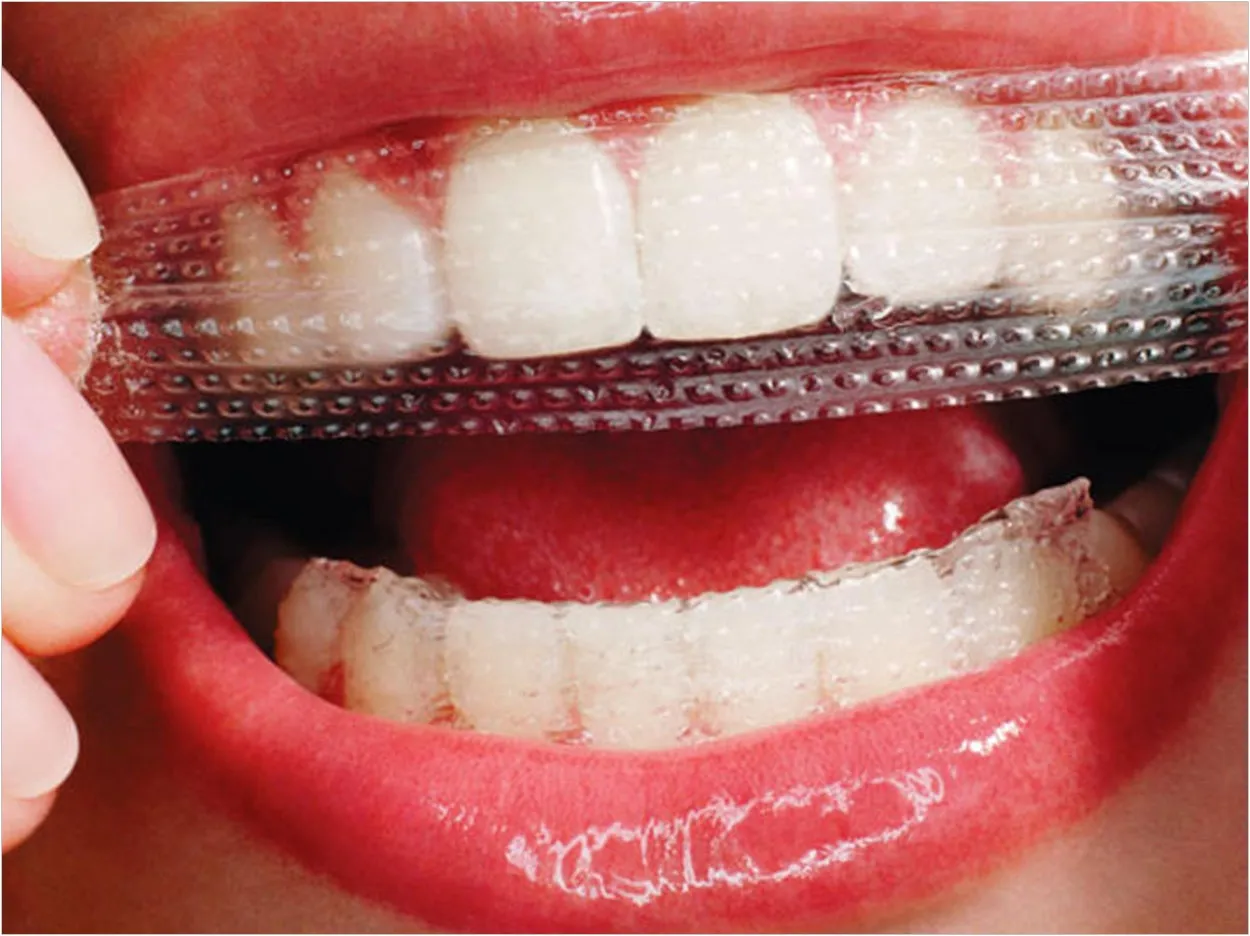
Whitening Strips: The Basics
Whitening strips are a popular over-the-counter cosmetic dental product designed to lighten the shade of your teeth. They typically consist of thin, flexible plastic strips coated with a whitening agent, usually hydrogen peroxide or carbamide peroxide. These strips are applied directly to the teeth for a specified period, typically 30 minutes, once or twice a day, for a couple of weeks. The convenience and accessibility of whitening strips make them an attractive option for people looking to improve their smile quickly and affordably. However, understanding their potential drawbacks is essential before incorporating them into your oral hygiene routine. This article will delve into the potential negative impacts of using whitening strips, offering insights into their effects on your teeth and gums.
How Whitening Strips Work
Whitening strips function by using chemical agents to break down the stains and discolorations that accumulate on the surface of your teeth, and sometimes even deeper within the enamel. The active ingredient, typically hydrogen peroxide, penetrates the enamel and oxidizes the stain molecules. This oxidation process effectively breaks down these molecules, making them less visible and giving the teeth a lighter appearance. The concentration of hydrogen peroxide in over-the-counter strips is lower than that used by dentists. The effectiveness of whitening strips varies depending on the type of stains, the concentration of the whitening agent, and the duration of use. Surface stains, often caused by coffee, tea, and smoking, are generally easier to remove than intrinsic stains, which may be caused by medication or trauma.
The Chemicals in Whitening Strips

The primary active ingredient in most whitening strips is hydrogen peroxide, although some products may use carbamide peroxide, which breaks down into hydrogen peroxide. These chemicals are potent oxidizing agents that bleach the teeth. In addition to the active whitening agents, strips contain other ingredients like glycerin, which helps the strips adhere to the teeth, and sodium hydroxide, which acts as a pH stabilizer. The concentration of hydrogen peroxide in over-the-counter whitening strips is regulated to ensure consumer safety, but it’s important to be aware of the potential impact of these chemicals on your teeth and gums. Prolonged exposure can lead to various side effects, especially if the strips are used incorrectly or excessively. Understanding the role of these chemicals helps to assess the risks and benefits of whitening strips.
Hydrogen Peroxide and Tooth Sensitivity
One of the most common side effects of using whitening strips is increased tooth sensitivity. The hydrogen peroxide in the strips can penetrate the enamel and reach the dentin, the layer beneath the enamel. Dentin contains microscopic tubules that lead to the nerve of the tooth. When these tubules are exposed to the whitening agent, they can cause irritation and sensitivity to hot, cold, or sweet foods and drinks. This sensitivity is often temporary and subsides once you stop using the strips or reduce the frequency of application. However, for some individuals, sensitivity can be quite intense and prolonged, making it difficult to enjoy their regular diet. To mitigate sensitivity, some people use desensitizing toothpaste or take breaks from whitening treatments.
Enamel Erosion and Whitening Strips
While whitening strips are designed to be safe for enamel, overuse or misuse can lead to enamel erosion. The acids in the whitening agent, especially at high concentrations, can weaken the enamel over time. Enamel erosion makes teeth more susceptible to decay, sensitivity, and discoloration. It is the body’s strongest tissue, and constant exposure can break it down. Once enamel is eroded, it cannot regenerate, making it a permanent issue. Using the strips more frequently than recommended or leaving them on for longer than the specified time can exacerbate this risk. Moreover, individuals with pre-existing conditions like tooth decay or enamel defects are at higher risk of enamel erosion. Proper use, following the product instructions, and consulting a dentist can help minimize this risk and protect your enamel.
Gum Irritation The Hidden Dangers

Gum irritation is another potential side effect of using whitening strips. The whitening agent can come into contact with the gums, causing them to become inflamed, red, and sore. This irritation, also known as gingivitis, is often more pronounced when the strips are not applied correctly, allowing the whitening agent to seep onto the gum line. In some cases, the irritation can lead to the formation of white patches on the gums, which are a sign of chemical burns. Individuals with sensitive gums or pre-existing gum issues are more prone to this type of irritation. To minimize gum irritation, it is crucial to apply the strips carefully, avoiding contact with the gums, and to discontinue use if irritation occurs. Always consult a dentist if gum irritation persists or worsens.
Top 5 Facts About Whitening Strips
Fact 1: Whitening Strips Can Cause Sensitivity
The hydrogen peroxide in whitening strips can penetrate the enamel and reach the dentin, which can cause temporary tooth sensitivity to hot, cold, or sweet foods and drinks. This sensitivity is a common side effect and usually subsides after you stop using the strips or reduce the frequency of use. Using desensitizing toothpaste can help manage this issue.
Fact 2: Whitening Strips and Gum Damage

The whitening agent in strips can irritate the gums, leading to inflammation, redness, and soreness. If the strips are not applied correctly, they may come into contact with the gums, and in some cases, cause chemical burns. Those with sensitive gums are at higher risk, making careful application crucial.
Fact 3: Not All Stains Are Created Equal
Whitening strips are most effective on surface stains caused by coffee, tea, and smoking. They may not be as effective on intrinsic stains caused by medication or trauma. It’s important to understand the source of the stains to manage expectations and determine whether whitening strips are the right choice for you.
Fact 4: Whitening Strips and Enamel Erosion
Overuse or misuse of whitening strips can weaken the enamel, making teeth more susceptible to decay and sensitivity. The acids in the whitening agent can erode the enamel over time, especially if you exceed the recommended usage or leave the strips on for too long. Following the product instructions and consulting with a dentist can help protect your enamel.
Fact 5: Professional Alternatives for Whitening

If you experience significant sensitivity or are not satisfied with the results from whitening strips, professional teeth whitening options are available from a dentist. These may include in-office treatments using higher concentrations of whitening agents or custom-fitted trays for at-home use, providing more effective and safer results under professional supervision.
In conclusion, while whitening strips offer a convenient way to brighten your smile, it’s crucial to be aware of their potential downsides. From tooth sensitivity and gum irritation to the risk of enamel erosion, understanding these risks is essential for making an informed decision. Always follow the product instructions carefully, consider your individual oral health conditions, and consult with a dentist if you have concerns or experience adverse effects. By doing so, you can achieve a brighter smile while protecting your teeth and gums.