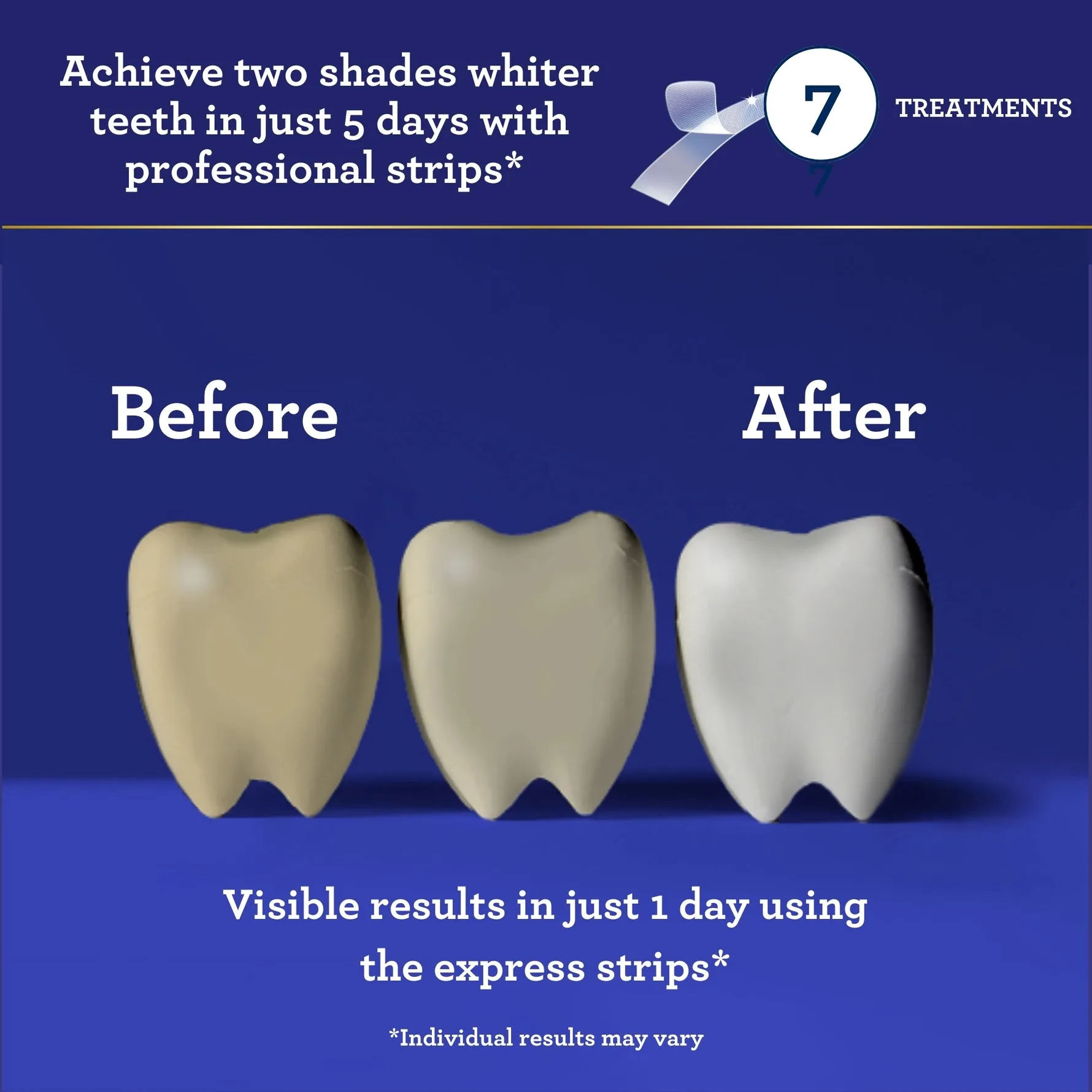
What are Whitening Strips
Whitening strips have become a popular and accessible method for enhancing the brightness of your smile. These thin, flexible strips are coated with a whitening agent and designed to be applied directly to the teeth. They offer a convenient at-home solution for combating stains and discoloration caused by various factors like coffee, tea, tobacco, and certain foods. Unlike professional whitening treatments, whitening strips provide a more affordable and user-friendly approach, making them a staple in many oral care routines. Understanding the basics of whitening strips is the first step toward achieving a dazzling smile.
How Whitening Strips Work
Whitening strips utilize a chemical process to lighten the color of your teeth. The active ingredients in these strips penetrate the enamel, the outer layer of your teeth, and break down stain molecules. This process essentially reverses the discoloration caused by accumulated stains. The effectiveness of whitening strips hinges on the concentration of the active ingredients, the duration of application, and the consistency of use. Regular application, as directed, is essential to achieve and maintain the desired level of whiteness. It’s important to note that while whitening strips can be highly effective, the results may vary depending on the type and severity of the stains, as well as individual tooth characteristics.
The Science Behind Whitening

The core principle behind teeth whitening is oxidation. Whitening agents, such as hydrogen peroxide or carbamide peroxide, release oxygen molecules that penetrate the enamel and dentin of your teeth. These oxygen molecules then break down the stain molecules, effectively lightening the teeth. The process doesn’t damage the tooth structure itself but instead alters the organic components of the stains. The concentration of the whitening agent and the duration of exposure directly influence the whitening results. Understanding this scientific basis helps you appreciate how whitening strips work and manage your expectations.
Active Ingredients Explained
The most common active ingredients in whitening strips are hydrogen peroxide and carbamide peroxide. Hydrogen peroxide is a stronger oxidizing agent, often used in higher concentrations for quicker results. Carbamide peroxide breaks down into hydrogen peroxide, providing a similar whitening effect but at a slower rate. The concentration of these ingredients is a key factor in the effectiveness and potential side effects of the strips. Products with higher concentrations may yield faster results but could also increase the risk of tooth sensitivity. Always check the product label and follow the instructions carefully to minimize any adverse effects and achieve the best results.
Types of Whitening Strips
Whitening strips are not created equal. They differ in their active ingredients, concentrations, application times, and overall effectiveness. The choice of which type of strips to use often depends on individual needs, the degree of staining, and sensitivity levels. It is important to consider the various options available to determine the best product that aligns with your oral health goals. Always consult with your dentist before starting any new whitening regimen, especially if you have any pre-existing dental conditions or concerns.
Hydrogen Peroxide Strips

Hydrogen peroxide strips are known for their potent whitening capabilities. They typically contain a higher concentration of hydrogen peroxide, which means they can deliver quicker results compared to other types of strips. Due to their strength, it is crucial to follow the instructions meticulously and be mindful of potential sensitivity. Some users may experience mild tooth sensitivity or gum irritation. However, these effects are usually temporary and subside once the treatment is complete. If you are looking for a more immediate result and your teeth are not overly sensitive, hydrogen peroxide strips might be a great choice for you.
Non-Peroxide Strips
Non-peroxide whitening strips, often containing ingredients like sodium chlorite or sodium perborate, offer a gentler approach to teeth whitening. These strips are ideal for individuals with sensitive teeth or those who want to minimize the risk of irritation. While the results may be slightly less dramatic and take longer to appear than with hydrogen peroxide strips, the non-peroxide options can still effectively lighten teeth over time. They are often a good starting point for people new to teeth whitening. Consistency is crucial when using these types of strips, as regular use is necessary to achieve noticeable results.
Choosing the Right Whitening Strips
Selecting the right whitening strips involves considering several factors to ensure the best possible outcome and minimize potential side effects. Consider the severity of your tooth staining, your tooth sensitivity level, and your budget. It is also important to read reviews and compare different brands to gain insights into their effectiveness and customer experiences. Consulting your dentist can provide personalized recommendations based on your unique oral health profile, helping you make an informed decision and achieve your desired smile transformation.
Assess Your Needs

Before selecting whitening strips, evaluate the degree and type of staining on your teeth. Light surface stains caused by coffee or tea might be easily addressed with over-the-counter strips. However, deeper stains or discoloration due to medications or aging may require a more intensive approach. Consider the color of your teeth before you begin and set realistic expectations. Assess your current oral hygiene routine, which can also impact the effectiveness of the strips. The more informed you are about the state of your teeth, the more effective your whitening strategy will be.
Consider Sensitivity
If you have sensitive teeth, choose whitening strips specifically designed for sensitive teeth, which often contain lower concentrations of the active whitening agents. Look for products that contain potassium nitrate, which can help reduce tooth sensitivity. It’s also advisable to start with shorter application times to gauge your teeth’s response. Using a toothpaste designed for sensitive teeth can further help mitigate any discomfort. Monitor your teeth for any signs of sensitivity or irritation, and consult with your dentist if the issue persists. Be patient and choose the gentlest approach that still provides the desired results.
Application and Usage
Proper application and usage are crucial for the effectiveness of whitening strips. Always read and follow the manufacturer’s instructions carefully. This ensures that you’re using the strips correctly and maximizing their whitening potential while minimizing any potential risks. Consistency is a key factor; adhering to the recommended application schedule is essential to achieve optimal results. Brushing your teeth before applying the strips can remove any surface debris, allowing the whitening agent to work more effectively. Avoiding eating or drinking during the application period ensures the strips remain in contact with your teeth.
Step by Step Instructions

- Brush your teeth gently, but avoid using toothpaste immediately before applying the strips.
- Peel the whitening strip from its backing.
- Apply the strip to your upper and lower teeth, following the gum line.
- Gently press the strips to ensure they adhere well to your teeth.
- Fold the excess strip behind your teeth, if applicable.
- Leave the strips on for the time specified in the product instructions (usually 30 minutes to an hour).
- Remove the strips and dispose of them properly.
- Rinse your mouth thoroughly with water.
Tips for Best Results
For optimal results, avoid eating, drinking (except water), or smoking while the strips are in place. Try to avoid acidic foods and drinks, which could potentially affect your teeth during the whitening process. Consider using the strips at night before bed to allow the whitening agent to work undisturbed. Follow the recommended treatment duration. Don’t be tempted to exceed the recommended usage time to speed up the process, as this could increase the risk of sensitivity. If you experience any discomfort, discontinue use and consult with your dentist. Be patient, as it may take several days or weeks to achieve the desired results.
Maintaining Your White Smile
Once you’ve achieved your desired level of whiteness, it’s essential to maintain your bright smile. This includes adopting a consistent oral hygiene routine, making dietary adjustments, and considering touch-up treatments as needed. Regular dental check-ups and cleanings are also crucial for maintaining overall oral health and the longevity of your teeth-whitening results. Understanding the lifestyle choices that impact your smile and adopting a proactive approach will help you enjoy your dazzling white teeth for a long time to come.
Oral Hygiene Routine

Brush your teeth twice daily with fluoride toothpaste to remove plaque and prevent cavities. Floss daily to remove food particles and plaque from between your teeth. Use mouthwash to further eliminate bacteria and freshen your breath. Consider using a whitening toothpaste or mouthwash to help maintain your bright smile. Regular dental check-ups and professional cleanings are essential for removing any buildup and maintaining your overall oral health. These habits are foundational for both healthy teeth and a bright smile.
Foods and Drinks to Avoid
Certain foods and drinks can stain your teeth and counteract the effects of whitening treatments. Minimize your intake of coffee, tea, red wine, and dark-colored sodas. Limit your consumption of highly pigmented foods like berries, soy sauce, and tomato-based sauces. Smoking and using tobacco products can significantly stain your teeth. If you consume staining substances, rinse your mouth with water immediately after consumption. Consider using a straw to minimize contact with your teeth. Being mindful of your diet and lifestyle is crucial to maintain a bright smile and prevent future staining.
Potential Side Effects and Safety
While whitening strips are generally safe, it’s essential to be aware of the potential side effects and take necessary precautions. Tooth sensitivity and gum irritation are the most common side effects. Following the instructions carefully can minimize the likelihood of these issues. Consulting with your dentist can help you understand your individual risk factors and determine the safest whitening approach for your oral health.
Sensitivity and Irritation

Tooth sensitivity, characterized by a sharp, temporary pain, is a common side effect of whitening strips. Gum irritation, which may cause redness or soreness, is another potential issue. These side effects are usually temporary and disappear once the treatment is complete. If you experience significant sensitivity or irritation, discontinue use and consult your dentist. Using a toothpaste designed for sensitive teeth can help reduce discomfort. Avoid using excessive amounts of whitening strips or exceeding the recommended application time, as this can increase the risk of side effects.
When to See a Dentist
If you experience persistent or severe side effects like tooth sensitivity, gum irritation, or any unusual changes in your oral health, see your dentist promptly. Your dentist can assess the situation and recommend appropriate treatment. They can also provide professional teeth whitening treatments and guidance on maintaining your oral health. Regular dental check-ups are essential for early detection and management of potential dental problems. Consulting with your dentist ensures that your whitening efforts are safe and beneficial for your overall oral health.