What is a Whitening Injection?
Whitening injections, also known as skin lightening injections, are cosmetic procedures designed to lighten the skin tone. These injections typically contain ingredients like glutathione, a potent antioxidant, or other substances that inhibit melanin production. Melanin is the pigment responsible for skin color, and reducing its production leads to a lighter complexion. The popularity of these injections has grown significantly, driven by the desire for a brighter, more even skin tone. However, it’s crucial to understand the science, procedure, potential risks, and how to achieve optimal results. Before considering this procedure, you should consult with a dermatologist or qualified medical professional to ensure it is suitable for your skin type and health condition.
The Science Behind Whitening Injections
The primary mechanism of action behind whitening injections involves targeting the production of melanin. Melanin is synthesized by melanocytes, specialized cells in the skin. Substances like glutathione work by inhibiting tyrosinase, an enzyme crucial for melanin synthesis. By suppressing tyrosinase, the injections reduce the amount of melanin produced, leading to a lighter skin tone over time. Furthermore, glutathione acts as an antioxidant, which helps to neutralize free radicals and protect skin cells from damage. This dual action makes it a popular choice in skin whitening procedures. However, the effectiveness and safety of these injections depend on various factors, including the concentration of the active ingredients, the individual’s skin type, and the expertise of the medical professional administering the injections. The effects may vary, and the procedure is not without risks. That’s why professional consultation is necessary.
How Whitening Injections Work

Whitening injections work by delivering active ingredients directly into the bloodstream, where they can affect melanin production throughout the body. This method of delivery allows for a more systemic approach than topical creams or oral supplements, which may have limited absorption. The primary active ingredient, often glutathione, is a powerful antioxidant that inhibits tyrosinase. This process reduces melanin production, leading to skin lightening. The effectiveness can depend on the individual’s skin type, dosage, and the frequency of injections. While some individuals may see noticeable results within a few weeks, others may require multiple sessions over several months to achieve their desired results. Professional guidance is essential to manage expectations and ensure safe use of the injections.
The Process of Whitening Injections
The process typically begins with a consultation to determine if the procedure is suitable for the individual. This involves a discussion of the patient’s medical history, skin type, and desired outcome. The practitioner will assess the skin and explain the procedure, potential risks, and expected results. The next step involves the injection procedure itself, which is usually done in a clinic setting. A qualified healthcare professional administers the injections, often in the arm or buttocks. The injections are typically given intravenously or intramuscularly. After the injections, post-injection care involves following the practitioner’s instructions, which may include avoiding sun exposure and using recommended skincare products. Regular follow-up appointments are often scheduled to monitor progress and address any concerns.
Consultation and Assessment
A thorough consultation is the first step in the whitening injection process. During this phase, a qualified healthcare provider assesses your skin type, medical history, and aesthetic goals. They will examine your skin, discuss your expectations, and explain the procedure, risks, and potential benefits. The practitioner will determine if you are a suitable candidate, taking into account factors such as pre-existing skin conditions, allergies, and overall health. This consultation is crucial to manage your expectations and ensure that the procedure aligns with your desired outcome. They will also provide detailed information about the injections’ ingredients, dosage, and potential side effects. Preparing for the consultation includes gathering information about your current skincare routine and any medications you are taking.
Injection Procedure

The injection procedure itself is typically performed by a trained healthcare professional in a sterile environment. The injections are usually administered intravenously or intramuscularly. The area of the injection site is cleaned and prepared, and the active ingredients, often including glutathione, are injected. The procedure itself is relatively quick, often taking only a few minutes. The number of sessions required varies depending on the individual’s skin type, desired results, and the concentration of the active ingredients. Some people might experience mild discomfort or a slight stinging sensation during the injection. After the injection, the healthcare provider may apply a bandage and provide aftercare instructions.
Post-Injection Care and Recovery
After receiving whitening injections, following the aftercare instructions provided by your healthcare provider is essential. These instructions may include avoiding excessive sun exposure, using gentle skincare products, and staying hydrated. It’s important to protect your skin from direct sunlight by wearing protective clothing and using a broad-spectrum sunscreen with a high SPF. Avoid harsh chemicals and exfoliating treatments for a few days after the injection. Regular follow-up appointments with your healthcare provider are recommended to monitor your progress and address any concerns or potential side effects. Following these post-injection care guidelines can help to maximize the results and minimize any risks associated with the procedure. Proper care ensures optimal healing and supports the effectiveness of the treatment.
What to Expect After Your Whitening Injection
After receiving whitening injections, you can expect a period of observation to see the results. The results and the timeframe in which they appear can vary significantly from person to person. Some individuals might notice subtle changes within a few weeks, while others may require multiple sessions over several months to achieve their desired level of skin lightening. It is crucial to have realistic expectations and understand that the process is gradual. Additionally, factors such as skin type, dosage, and individual response to the treatment can influence the timeline. Patience and consistent follow-up with your healthcare provider are crucial. You will be informed on what to expect after the procedure during the consultation. Moreover, the initial results are usually subtle, with the skin gradually becoming lighter over time.
Immediate Results

The immediate effects of whitening injections are generally minimal. You might experience slight redness or swelling at the injection site, which usually subsides within a few hours or days. It is unlikely that you will see any visible skin lightening immediately after the injection. However, some people report a feeling of increased hydration or a subtle glow in their skin soon after the procedure. It is important to understand that the active ingredients require time to take effect and that the skin-lightening process is gradual. Patience and adherence to post-treatment instructions are essential. Any immediate reactions are usually mild and temporary, while the actual results develop over time.
Long-Term Results
The long-term results of whitening injections can vary widely depending on individual factors. Over several weeks or months, you can expect a gradual lightening of the skin tone. The skin might appear brighter, with a reduction in dark spots, hyperpigmentation, and an overall more even complexion. The extent of the results depends on factors like skin type, the concentration of the active ingredients in the injections, and the number of treatments received. To maintain the results, regular follow-up treatments may be necessary. Furthermore, protecting your skin from sun exposure is crucial to prevent the recurrence of hyperpigmentation and preserve the effects of the injections. Overall, the long-term results are usually seen with consistent treatments and proper skincare.
Factors Influencing Results
Several factors can influence the effectiveness of whitening injections. Your skin type plays a significant role, with individuals with lighter skin tones often experiencing more noticeable results. The concentration and quality of the active ingredients used in the injections are critical, as higher-quality ingredients may provide better outcomes. The expertise and skill of the healthcare provider administering the injections also matter, as proper technique is essential to achieve the desired results. Adhering to post-injection care instructions, such as avoiding sun exposure and using recommended skincare products, can significantly impact the outcomes. Additionally, lifestyle factors such as diet, hydration, and overall health can affect the skin’s response to the treatment. Having realistic expectations and being patient, as results typically develop gradually over time, is also essential.
Dosage and Frequency of Whitening Injections

The dosage and frequency of whitening injections are determined by a healthcare professional based on individual needs and goals. The dosage of the active ingredients, often including glutathione, can vary depending on factors such as the individual’s skin type, the desired level of skin lightening, and the practitioner’s approach. The frequency of the injections can also vary. Some individuals may receive injections once a week, while others may receive them less frequently, depending on their response to the treatment and the recommendations of their healthcare provider. It is crucial to follow the prescribed dosage and schedule. Excessive or inappropriate use of whitening injections can increase the risk of side effects and may not necessarily lead to better results. Regular follow-up appointments allow your healthcare provider to monitor your progress and adjust the dosage or frequency as needed to optimize the outcomes and minimize any risks.
Potential Risks and Side Effects
Like any cosmetic procedure, whitening injections carry potential risks and side effects. Common side effects include redness, swelling, and bruising at the injection site. Some individuals may experience flu-like symptoms such as headache, nausea, or fatigue shortly after the injection. There is also a risk of allergic reactions to the ingredients in the injections. Serious complications are rare but can include infections, skin discoloration, or the development of pigmentary changes. It is crucial to discuss these risks with your healthcare provider during the consultation and to choose a qualified professional. Furthermore, it is important to be aware of any warning signs of complications. It’s important to report any unusual symptoms promptly and to seek medical attention if necessary.
Common Side Effects
Common side effects associated with whitening injections are usually mild and temporary. These may include redness, swelling, and bruising at the injection site. Some individuals may experience flu-like symptoms such as headache, nausea, or fatigue shortly after the injection. Mild skin irritation or itching may also occur. These common side effects typically resolve within a few days or weeks. It is important to follow post-injection care instructions provided by your healthcare provider to minimize these effects. If the side effects persist or worsen, consulting your healthcare provider is important. Generally, the body adjusts to the injections over time, and these side effects usually decrease with each session.
Serious Risks and Complications

Although rare, serious risks and complications can arise from whitening injections. These may include infections at the injection site, skin discoloration, or the development of pigmentary changes. In some cases, allergic reactions to the ingredients in the injections can occur, leading to more severe symptoms. Long-term complications can include uneven skin tone, permanent skin damage, or the development of other skin conditions. It is crucial to select a qualified and experienced healthcare provider and to discuss the potential risks thoroughly before undergoing the procedure. Report any unusual or concerning symptoms promptly to your healthcare provider. Choosing a reputable clinic and following all aftercare instructions are essential for minimizing these risks. Be aware that the FDA has not approved any injectable products for skin whitening.
Finding a Qualified Practitioner for Whitening Injections
Selecting a qualified practitioner is essential for the safety and effectiveness of whitening injections. Look for healthcare providers with experience in administering these injections and a thorough understanding of skin physiology. Ensure the practitioner is licensed and board-certified. Check for positive reviews and testimonials from other patients. A reputable practitioner should conduct a thorough consultation. The practitioner should assess your skin type, medical history, and aesthetic goals. They should also explain the procedure, potential risks, and expected outcomes in detail. Ask about the specific ingredients used in the injections and their origin. Furthermore, ensure the clinic adheres to strict hygiene and safety protocols. Do not hesitate to ask questions and request to see before-and-after photos of previous patients. Choose a practitioner who prioritizes patient safety and provides personalized care.
Researching Clinics and Practitioners
Thorough research is a crucial step in selecting a clinic and practitioner for whitening injections. Start by searching online for clinics and practitioners in your area. Check the clinic’s website and social media pages to learn more about their services, experience, and qualifications. Read patient reviews and testimonials to gauge their satisfaction and the quality of care. Verify the practitioner’s credentials and confirm they are licensed and board-certified. Schedule consultations with multiple practitioners to discuss your goals and ask questions about the procedure, risks, and expected outcomes. Pay attention to the clinic’s cleanliness, professionalism, and the practitioner’s communication style. Ensure the clinic uses high-quality products and adheres to strict safety protocols. Asking for before-and-after photos of previous patients can help you gauge the practitioner’s skill. Prioritize clinics and practitioners who prioritize patient safety and provide personalized care.
Preparing for Your Consultation
Proper preparation for your consultation is vital for a successful whitening injection procedure. Before your consultation, research the procedure and understand the potential risks and benefits. Prepare a list of questions to ask the practitioner, including questions about their experience, the ingredients used, and the expected results. Gather information about your medical history, including any allergies, pre-existing skin conditions, and medications you are taking. Bring any relevant medical records to the consultation. During the consultation, be honest and open about your expectations and goals. The practitioner needs to understand what you hope to achieve through the procedure. Don’t hesitate to ask for clarification on any aspect of the procedure you don’t fully understand. Furthermore, take notes during the consultation to remember all the details discussed. This will help you make an informed decision and ensure a positive outcome.
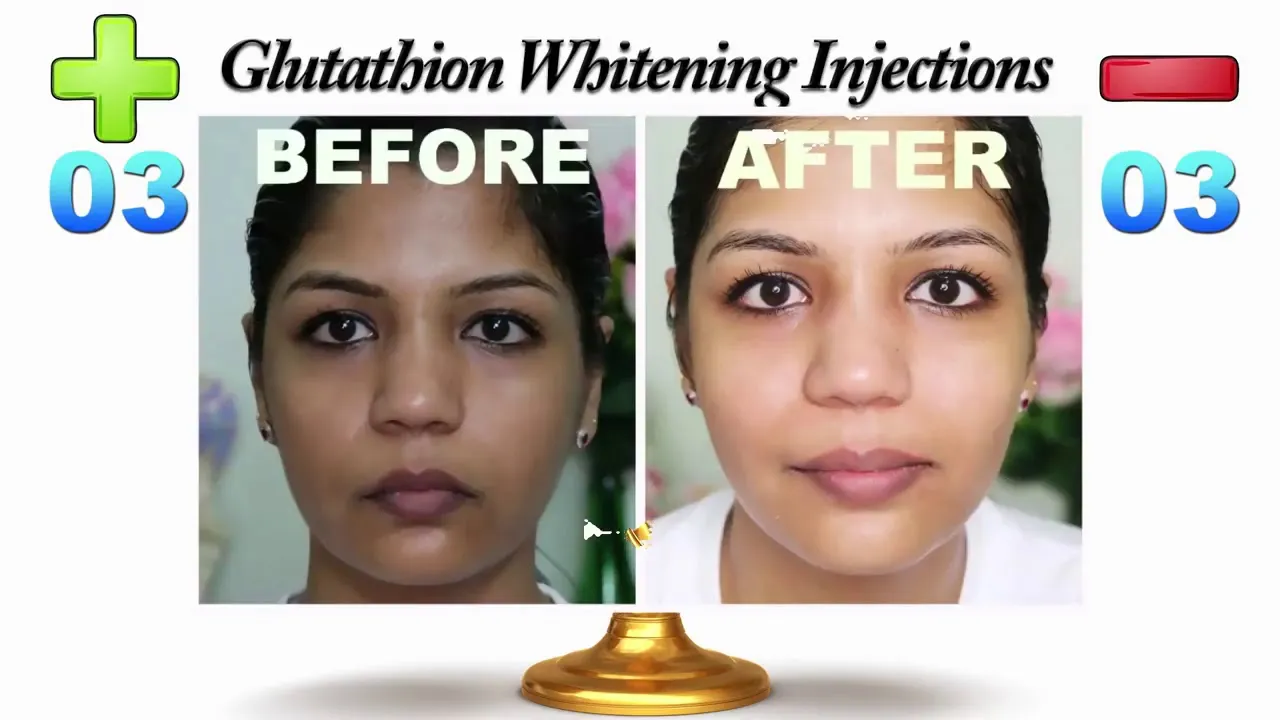
Whitening Injection: Before and After Photos
Before-and-after photos are powerful tools for visualizing the potential results of whitening injections. Seeing actual transformations can provide realistic expectations. However, it is crucial to approach these photos with perspective. The photos may not reflect the outcome for all individuals, as results vary based on skin type, the ingredients used, and the individual’s response to the treatment. Ensure the photos are genuine and taken at the same clinic or by the same practitioner. They will show a range of different outcomes and help to manage expectations. Some clinics may display photos of previous patients to demonstrate the potential results. However, it is important to discuss your individual skin type and expectations with the practitioner to determine what is realistic. Using these images should be supplemental, not definitive, to determine the suitability of the treatment.
Before Photos Considerations
When reviewing before photos, it is important to note that these images serve as a reference and show the starting point before the treatment. They provide a clear representation of the patient’s skin tone, any existing pigmentation issues, and overall condition before undergoing the injections. You can assess the baseline skin tone, any areas of concern, and the overall evenness of the skin. Before photos are usually taken under consistent lighting conditions to accurately document the skin’s appearance. This provides a reference point to measure the changes over time. These images will give you a clear understanding of what the individual’s skin looked like before the treatment.
After Photos Expectations
After photos are essential for assessing the outcomes of whitening injections. These images are taken after the treatment, usually at various points during the recovery period to show the changes in skin tone and the reduction in pigmentation. After photos typically demonstrate a lighter, more even skin tone. The reduction of dark spots, and improved overall complexion. It is important to assess the level of improvement, the consistency of the results, and the patient’s satisfaction. Understand that individual results vary depending on factors like skin type and aftercare. It is essential to have realistic expectations. These images should complement the patient’s overall experience and satisfaction. The effectiveness of the injections is evaluated by comparing these photos.
Whitening Injection FAQs
Here are some of the frequently asked questions (FAQs) regarding whitening injections
What are the common side effects of whitening injections? Common side effects include redness, swelling, and bruising at the injection site, as well as flu-like symptoms.
How long do the results of whitening injections last? The duration of the results varies depending on the individual, but regular maintenance treatments may be needed.
Are whitening injections safe? Whitening injections carry potential risks and side effects, so it’s crucial to consult with a qualified healthcare provider.
How much do whitening injections cost? The cost of whitening injections varies depending on factors such as the clinic, the practitioner’s experience, and the number of sessions needed.
Who is a good candidate for whitening injections? Individuals with uneven skin tones or those who desire a lighter complexion may be good candidates.
How do I prepare for a whitening injection? Prepare by researching the procedure, gathering medical information, and asking questions during the consultation.
Where can I find a qualified practitioner for whitening injections? Look for licensed and experienced healthcare providers with a focus on safety and patient satisfaction.
Is whitening injection a permanent solution? Whitening injections may not be a permanent solution, and maintenance treatments or touch-ups may be required to sustain the desired results.