What is Whitening Gum
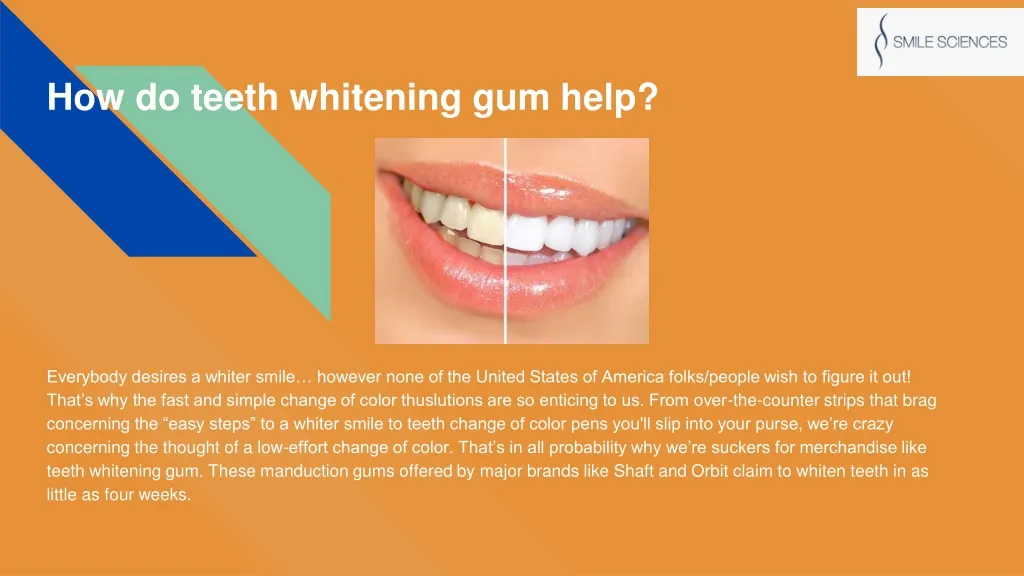
Whitening gum is a type of chewing gum that is formulated to help whiten teeth. Unlike regular gum, which is primarily designed for freshening breath and promoting saliva production, whitening gum incorporates ingredients that can actively work to remove or reduce surface stains on the teeth. These stains often result from consuming foods and beverages such as coffee, tea, red wine, and certain berries. The appeal of whitening gum lies in its convenience and ease of use; it can be used discreetly throughout the day, offering a potential solution for those looking to brighten their smiles without undergoing more intensive whitening treatments. Understanding what whitening gum is and how it differs from traditional gum is the first step in evaluating its effectiveness and suitability for your oral hygiene routine. It’s designed for on-the-go use and can be incorporated easily into your daily routine.
How Whitening Gum Works
Whitening gum works through a combination of mechanical action and chemical action. The act of chewing gum itself helps to physically remove some surface stains by gently scrubbing the teeth. The gum’s texture assists in dislodging food particles and plaque that can contribute to staining. Chemically, whitening gums typically contain ingredients such as hydrogen peroxide or other peroxide-based compounds, or alternative stain-removing agents. When these compounds come into contact with the teeth, they break down stain molecules, leading to a lighter appearance. Additionally, some whitening gums contain polishing agents that contribute to the cleaning process. The overall effect is a gradual reduction of surface stains and a brighter smile over time. The efficacy depends on consistent use and the specific formulation of the gum.
Ingredients in Whitening Gum

Several key ingredients are commonly found in whitening gum, each playing a specific role in the whitening process. Hydrogen peroxide or carbamide peroxide, as mentioned earlier, are common bleaching agents that break down stain-causing molecules. Xylitol, a sugar alcohol, is often included not only for its sweetening properties but also for its benefits in oral health; it helps prevent the build-up of plaque and reduces the risk of cavities. Other ingredients may include abrasives, such as silica, which gently polish the teeth to remove stains. Flavoring agents, like mint, are added to enhance the taste and freshen breath. Some gums also contain fluoride, which strengthens enamel and helps to prevent tooth decay. The specific combination and concentration of these ingredients vary between different brands of whitening gum, impacting the gum’s effectiveness and overall impact on oral health.
The Whitening Process
The whitening process with gum is relatively straightforward but requires consistency to see results. After chewing the gum, the active ingredients come into contact with the tooth surfaces, where they begin to act on the stains. The abrasive action from chewing and the chemical action from the whitening agents work in tandem to gradually lighten the appearance of the teeth. It’s important to adhere to the manufacturer’s instructions, typically involving chewing the gum for a specified duration after meals or as needed. Results are often gradual, with noticeable changes occurring over several weeks or months of regular use. The success of the process also depends on factors such as the type and severity of the stains, as well as individual oral hygiene habits. Maintaining good oral hygiene, including regular brushing, flossing, and dental check-ups, supports and enhances the whitening effect of the gum.
Whitening Gum Effectiveness
The effectiveness of whitening gum can vary from person to person, with several factors influencing the results. Generally, whitening gum is most effective at removing surface stains caused by food, drinks, and tobacco use. It may not be as effective on deeper stains or intrinsic discoloration, which may require more professional treatments, such as in-office bleaching. Many users experience a noticeable improvement in their smile’s brightness after several weeks of consistent use, as measured by a shade guide. The concentration of active whitening agents in the gum plays a crucial role; higher concentrations may yield more significant results, but they can also increase the risk of tooth sensitivity. The duration for which the gum is chewed and the frequency of use also impact its efficacy. Expectations should be realistic; whitening gum is often a subtle approach to teeth whitening.
Factors Affecting Whitening Results
Several factors can influence the effectiveness of whitening gum. The type of stains is a primary factor; surface stains from coffee, tea, or smoking are typically easier to remove than intrinsic stains caused by aging, medication, or genetics. The initial shade of your teeth also plays a role; individuals with naturally darker teeth may see less dramatic results compared to those with lighter shades. Oral hygiene habits, such as brushing, flossing, and regular dental check-ups, are critical; good oral hygiene enhances the gum’s ability to effectively remove stains. Lifestyle choices, like diet and tobacco use, also impact the outcome; continued consumption of staining foods and beverages can diminish the whitening effect, while tobacco use can severely hinder results. The gum’s quality is also relevant, as different brands have varying concentrations of active ingredients.
Pros of Using Whitening Gum
Whitening gum offers several advantages for those looking to brighten their smiles. Its convenience is a major draw; it can be used anytime and anywhere, without requiring extra time or effort. It’s a discreet option, perfect for use at work, while traveling, or after meals. Cost-effectiveness is another benefit; whitening gum is typically less expensive than professional whitening treatments or at-home kits. It can contribute to fresher breath due to the added flavorings, improving overall oral hygiene. Some whitening gums also contain ingredients like fluoride, which can enhance enamel strength and protect against cavities. The ease of integration into a daily routine is another positive aspect; chewing the gum can become a simple part of your regular oral care practices. Its benefits make it a practical option for those who desire a brighter smile without significant inconvenience.
Cons of Using Whitening Gum
Despite its benefits, whitening gum has several potential drawbacks. The whitening effect can be subtle and may take weeks or months of consistent use to become noticeable, which might not satisfy those seeking immediate results. The effectiveness of whitening gum is limited to surface stains and might not address deeper discoloration, which might require more potent treatments. Some individuals may experience tooth sensitivity or gum irritation due to the active whitening agents. Over-reliance on the gum may lead to a neglect of other crucial oral hygiene practices, like brushing and flossing. The taste of the gum, even with added flavors, may not appeal to everyone. It is not recommended as a replacement for a dentist check-up and can sometimes not offer the results that you wish to see.
Alternatives to Whitening Gum

Various alternatives to whitening gum offer alternative options for achieving a brighter smile. Whitening toothpaste, which contains mild abrasives and bleaching agents, can be used during your regular brushing routine and is a more comprehensive approach to stain removal. Over-the-counter whitening strips are a convenient option; they are applied directly to the teeth and provide a higher concentration of whitening agents than gum. At-home whitening kits, available from your dentist, include custom-fitted trays and professional-strength whitening gels. Professional teeth whitening, performed by a dentist, offers the most significant and immediate results, often using stronger bleaching agents and advanced techniques. The choice depends on the degree of whitening desired, budget, and convenience preferences. Consulting your dentist helps you to choose the best whitening method for your teeth.
Choosing the Right Whitening Gum
Selecting the right whitening gum involves several considerations to ensure it meets your needs. Check the active ingredients, such as hydrogen peroxide or carbamide peroxide, to understand their concentration and potential impact on sensitivity. Read reviews and research different brands to gauge their effectiveness and consumer experiences. Consider the flavor options available, as you will be chewing the gum regularly. Look for gums that also offer oral health benefits, like fluoride or xylitol. If you have sensitive teeth, start with a lower concentration of whitening agents. Consult with your dentist before starting, especially if you have existing dental work, such as fillings or veneers, to ensure the gum is compatible. By considering these factors, you can choose a whitening gum that is effective, safe, and suitable for your oral health goals.
How to Use Whitening Gum Correctly
Proper use of whitening gum is essential to maximize its effectiveness and minimize potential side effects. Follow the manufacturer’s instructions regarding the recommended chewing time, which is typically 10 to 20 minutes. Chew the gum consistently to ensure the whitening agents are in contact with your teeth. Use the gum regularly, as directed, for several weeks or months to achieve the desired results. Maintain good oral hygiene habits, including brushing twice a day and flossing daily, to support the whitening process. Be mindful of potential side effects, such as tooth sensitivity, and discontinue use if any adverse reactions occur. Avoid excessive use of whitening gum, and do not use it as a substitute for regular dental check-ups. Consult your dentist if you have concerns about its use or any changes in your oral health.