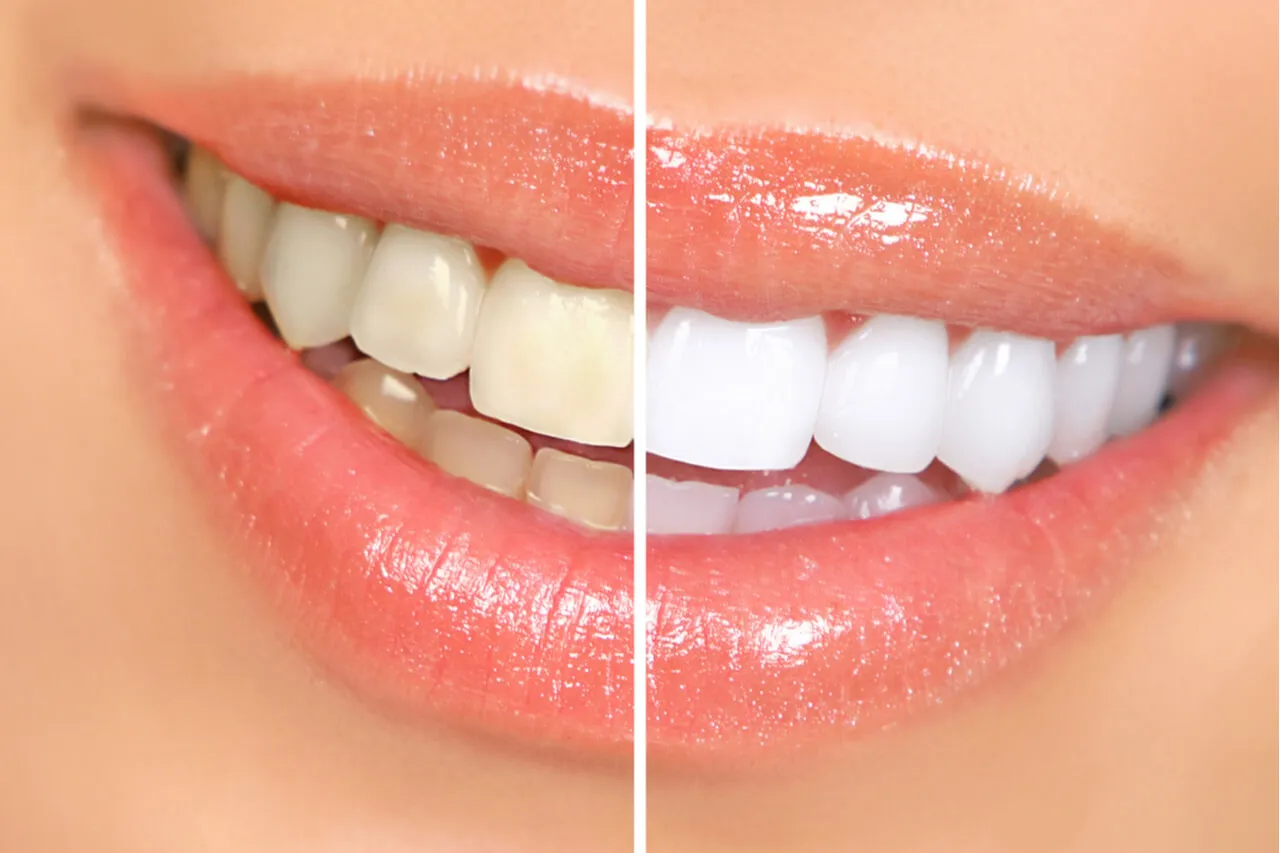
Understanding Whitening Costs
The desire for a brighter, whiter smile is a common one, leading many to explore teeth whitening options. However, the costs associated with these procedures can vary significantly. Understanding the factors that influence whitening costs is the first step in making an informed decision. This guide delves into the various aspects of teeth whitening expenses, providing a comprehensive overview of what to expect. From professional treatments to at-home solutions, the price tags and the value they offer will be explored. The goal is to equip you with the knowledge to choose the most suitable and cost-effective method for achieving your desired results.
Factors Influencing Whitening Cost
Several factors play a crucial role in determining the final cost of teeth whitening. Recognizing these elements helps in budgeting and selecting the right option. These factors range from the type of procedure to the location where the treatment is provided.
Type of Whitening Procedure

The method chosen—whether it’s an in-office treatment, an at-home kit, or over-the-counter products—significantly impacts the cost. Professional treatments usually involve higher costs due to the expertise of the dentist and the use of advanced technology. At-home kits and over-the-counter products are generally more affordable but may require more time and effort to achieve the same results.
Location and Provider
The geographic location and the provider’s fees also play a role. Dental practices in urban areas often have higher overhead costs, which can translate to higher prices for whitening services. Moreover, the experience and reputation of the dentist or dental hygienist can influence the cost, with more experienced professionals sometimes charging a premium.
Severity of Discoloration
The extent of the discoloration also affects the price. More severe cases of staining may require more extensive treatments, potentially involving multiple sessions or stronger whitening agents, leading to higher costs. For instance, intrinsic stains, those originating from within the tooth structure, can be more challenging to treat and may require more intensive procedures compared to extrinsic stains, which are on the tooth’s surface.
Cost of Professional Whitening

Professional teeth whitening, performed by a dentist, offers the most effective and immediate results. The cost is higher, but the benefits include professional supervision, stronger whitening agents, and a more controlled environment. This section explores the different professional whitening options and their associated costs.
In-Office Whitening Procedures
In-office whitening typically involves a high-concentration bleaching agent applied to the teeth, often combined with a special light or laser to accelerate the whitening process. The procedure usually takes about an hour and can significantly lighten teeth in a single session. The cost ranges significantly depending on the location and the specific technology used, but you can expect to pay a premium for the convenience and immediate results. The price reflects the dentist’s expertise, the quality of the materials used, and the efficiency of the treatment.
At-Home Whitening Kits
At-home whitening kits prescribed by a dentist offer a balance between cost and effectiveness. These kits include custom-fitted trays and a professional-grade bleaching gel. The dentist supervises the process, ensuring the treatment is safe and effective. Although the initial cost is lower than in-office procedures, they still provide superior results compared to over-the-counter options. The total cost includes the consultation, the custom trays, and the bleaching gel, and the price varies depending on the dental practice and the specific whitening system offered.
Cost of At-Home Whitening Products

For those looking for more budget-friendly options, over-the-counter whitening products are readily available. These products offer convenience and affordability, but their effectiveness may vary. This section looks at the costs associated with common at-home whitening products and what you can expect from them.
Whitening Toothpaste
Whitening toothpastes are the most affordable option, containing mild abrasives and chemical agents to remove surface stains. They’re a great addition to your daily oral hygiene routine and can help maintain the brightness of your teeth. However, they generally only remove extrinsic stains and have a limited effect on intrinsic discoloration. The cost of whitening toothpaste is relatively low, making it an accessible option for everyone. The price varies depending on the brand and the specific ingredients, with some containing added features like fluoride for enhanced protection.
Whitening Strips
Whitening strips are a step up from toothpaste, containing a thin layer of peroxide to bleach the teeth. They are easy to use and can be purchased over the counter without a prescription. The cost of whitening strips is moderate, offering a good balance between affordability and effectiveness. Results can be noticeable after a few weeks of consistent use, although they might not be as dramatic as professional treatments. The price varies based on the brand, the number of strips in the box, and the concentration of the whitening agent.
Whitening Gels and Trays

Whitening gels and trays, often available over the counter, offer a more customized approach than strips. These kits typically include a whitening gel and trays that are either pre-formed or moldable to fit your teeth. The cost is higher than strips or toothpaste, but they can provide better coverage and more consistent results. Effectiveness depends on the concentration of the whitening agent and the duration of use, as instructed. The price varies depending on the brand and the features of the trays.
Hidden Costs to Consider
Beyond the initial cost of the whitening procedure or product, there might be additional expenses to consider. These hidden costs can impact your overall budget and should be factored into your decision-making process.
Pre-Whitening Dental Check-up
Before undergoing any teeth whitening treatment, a dental check-up is essential. This check-up ensures that your teeth and gums are healthy and free from any underlying issues, like cavities or gum disease, which could complicate the whitening process or cause discomfort. The cost of the check-up is an added expense but vital for the safety and effectiveness of the whitening treatment. A dentist will also advise on the best course of treatment based on your overall oral health.
Maintenance and Touch-ups

Teeth whitening results are not permanent, and maintenance is often required to maintain your desired level of brightness. This can include touch-up treatments, the use of whitening toothpaste, or other maintenance products. The cost of these maintenance steps should be considered to estimate the long-term expenses. The frequency of touch-ups depends on your lifestyle, dietary habits, and the initial whitening treatment.
Cost-Effective Whitening Alternatives
If professional whitening is beyond your budget, there are several cost-effective alternatives to consider. These options may not provide the same dramatic results, but they can still help improve the appearance of your smile.
- Maintaining good oral hygiene habits, including brushing twice a day, flossing daily, and regular dental check-ups and cleanings.
- Avoiding stain-causing foods and beverages, such as coffee, tea, red wine, and dark-colored berries.
- Using over-the-counter whitening products, such as whitening toothpaste or strips, to remove surface stains.
Maintaining Your White Smile
After investing in teeth whitening, it’s essential to take steps to maintain your bright, white smile. The longevity of your results depends on your lifestyle and the care you take.
- Practice good oral hygiene, including brushing twice a day and flossing daily.
- Avoid or minimize consumption of stain-causing foods and drinks.
- Consider using a whitening toothpaste or mouthwash to maintain brightness.
- Schedule regular dental check-ups and cleanings.
- Consider touch-up treatments as recommended by your dentist.