Understanding Tooth Discoloration
Tooth discoloration is a common cosmetic concern, impacting the brightness and overall appearance of your smile. Understanding the underlying causes of this discoloration is the first step towards effective teeth whitening. Tooth discoloration can range from subtle yellowing to more severe staining, influenced by a variety of factors, including lifestyle choices, diet, and genetics. The enamel, the outermost layer of the tooth, is porous and can absorb pigments from foods and drinks, leading to stains. Additionally, the dentin, the layer beneath the enamel, naturally yellows with age, contributing to an overall darker appearance. Recognizing these factors helps you choose the most suitable whitening methods and take preventative measures to preserve your bright smile. Addressing the root causes ensures not only a whiter smile but also promotes better oral health.
Common Causes of Stained Teeth
Several factors contribute to the staining of teeth, making it essential to identify these culprits to effectively combat discoloration. The primary causes include the consumption of staining foods and beverages, such as coffee, tea, red wine, and berries. These items contain pigments that adhere to the tooth enamel, gradually causing discoloration. Smoking and tobacco use are also significant contributors to tooth staining, resulting in a yellow or brown hue. Poor oral hygiene, including infrequent brushing and flossing, allows plaque and tartar to build up, which can trap stains and further darken teeth. Certain medications, such as tetracycline antibiotics taken during tooth development, can also cause intrinsic staining, where the discoloration originates within the tooth structure. Furthermore, aging plays a role, as the enamel thins over time, revealing the yellowish dentin beneath. Recognizing these various causes will help you implement tailored preventative and corrective strategies to maintain a brilliant smile.
Foods and Drinks that Stain Teeth

The foods and drinks we consume significantly impact the color of our teeth, with certain items known for their staining properties. Beverages such as coffee, tea, and red wine are notorious for their dark pigments, which easily adhere to the enamel and cause stains. Dark-colored sodas and fruit juices can also contribute to discoloration. Foods like berries (blueberries, blackberries, strawberries), curries, and soy sauce contain intense pigments that can stain teeth. Even seemingly healthy foods, such as beets, can lead to staining if consumed frequently. To minimize the risk of staining, it’s important to be mindful of these items and consider strategies such as rinsing your mouth with water after consumption, using a straw to bypass your teeth when drinking, and brushing your teeth regularly. Being aware of these dietary factors is crucial for maintaining a bright, white smile.
Lifestyle Habits that Affect Tooth Color
Lifestyle habits significantly influence the color and appearance of your teeth. Smoking and the use of tobacco products are among the most damaging habits, as they introduce nicotine and tar, which readily stain teeth, causing a yellow or brownish discoloration. Consistent tobacco use also increases the risk of other oral health problems. Poor oral hygiene practices, such as infrequent brushing, flossing, and inadequate dental check-ups, allow plaque and tartar to accumulate, trapping stains and promoting discoloration. Excessive consumption of sugary foods and drinks feeds bacteria in the mouth, leading to enamel erosion and potentially increased staining. Grinding or clenching your teeth can also wear down the enamel, making teeth more susceptible to staining. Regular dental check-ups, maintaining a consistent oral hygiene routine, and avoiding tobacco are essential lifestyle adjustments that contribute to a healthier, brighter smile.
Effective At-Home Teeth Whitening Tricks
Achieving a brighter smile at home is possible with a variety of effective techniques. Over-the-counter whitening toothpastes are formulated with mild abrasives and whitening agents to remove surface stains. Whitening strips, which contain peroxide-based bleaching agents, are a convenient way to whiten teeth by adhering directly to the tooth surface. Whitening gels applied with custom-fitted trays, often provided by dentists, offer a more potent whitening effect. When using these methods, it is crucial to follow product instructions carefully and maintain consistent use to see optimal results. For enhanced effectiveness, consider pairing at-home treatments with good oral hygiene practices, such as brushing twice daily, flossing, and rinsing with a whitening mouthwash. However, it is important to note that these methods might not be suitable for everyone. It is recommended to consult a dentist to identify the best whitening option for your specific needs and to ensure the health of your teeth.
Choosing the Right Whitening Toothpaste

Selecting the appropriate whitening toothpaste can be a key component of your teeth-whitening routine. Whitening toothpastes typically contain mild abrasives and chemical agents, such as hydrogen peroxide or baking soda, designed to remove surface stains. Look for toothpastes that are ADA-approved, as they have met certain safety and effectiveness standards. Consider your sensitivity levels when choosing a toothpaste, as some formulas may be more abrasive and could lead to increased sensitivity. Some toothpastes also include fluoride to protect against tooth decay. However, the whitening effect of toothpaste is generally mild, and results may take several weeks to become visible. For more dramatic results, you might consider combining a whitening toothpaste with other techniques. Always consult with your dentist if you have concerns about any ingredients or the suitability of a whitening toothpaste for your specific dental health situation. Choosing the right toothpaste, coupled with consistent brushing, can help you achieve and maintain a brighter smile.
The Power of Baking Soda and Hydrogen Peroxide
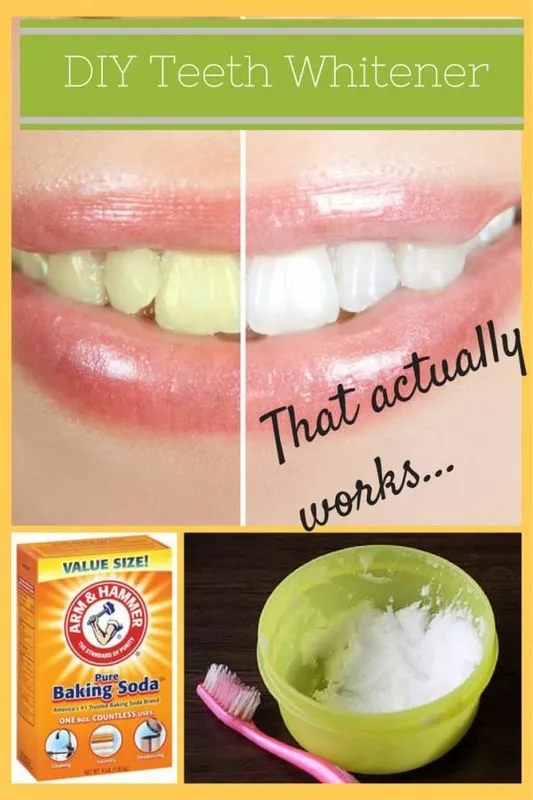
The combination of baking soda and hydrogen peroxide offers a simple, cost-effective method for teeth whitening. Baking soda, a mild abrasive, helps to scrub away surface stains, while hydrogen peroxide, a mild bleaching agent, can lighten tooth discoloration. To use this technique, mix a small amount of baking soda with hydrogen peroxide to create a paste. Gently brush your teeth with this paste for a minute or two, and then rinse thoroughly. It’s essential to use this method with caution, as overusing baking soda can potentially erode enamel. Using it once or twice a week is usually sufficient. Always consult your dentist before trying this method, especially if you have sensitive teeth or any existing dental issues. Baking soda and hydrogen peroxide can be useful for removing light stains and brightening your smile, but their effectiveness is limited compared to professional treatments. Combining this method with good oral hygiene practices will maximize the benefits and minimize any potential risks.
Utilizing Whitening Strips Effectively
Teeth whitening strips are a convenient and popular at-home teeth whitening solution. These strips, typically coated with a peroxide-based bleaching agent, are applied directly to the teeth. For effective use, it is crucial to carefully read and follow the instructions provided on the product packaging. Typically, you apply the strips to your teeth for a specific duration, usually around 30 minutes, once or twice a day, for a set number of days. Make sure your teeth are clean before applying the strips, and avoid eating or drinking anything other than water while the strips are in place. Consistency is key, so stick to the recommended schedule to see visible results. Some people may experience temporary tooth sensitivity or gum irritation while using whitening strips. If this occurs, reduce the frequency of use or stop using the product and consult your dentist. Whitening strips can be a great way to boost your smile, but understanding proper usage and potential side effects is necessary to ensure safe and effective whitening.
Professional Teeth Whitening Options

For faster and more dramatic teeth whitening results, professional options provided by a dentist are often the best choice. In-office teeth whitening, performed by a dental professional, utilizes highly concentrated bleaching agents and specialized equipment to accelerate the whitening process. These treatments are more potent and provide quicker results compared to at-home methods. Your dentist can also assess your oral health to determine if you are a good candidate for teeth whitening and can address any underlying dental issues before the procedure. Another professional option includes custom-fitted whitening trays provided by your dentist, which allow you to use professional-strength bleaching agents at home, under the guidance of your dental professional. This option combines the convenience of at-home use with the effectiveness of professional-grade products. Professional teeth whitening can provide significantly brighter and more uniform results, and it is a safe and effective way to achieve a stunning smile transformation.
In-Office Whitening Procedures
In-office teeth whitening procedures offer the most advanced and effective solutions for achieving a significantly brighter smile. During these procedures, your dentist will apply a high-concentration bleaching agent to your teeth. To boost the whitening process, the dentist may use a special light or laser to activate the bleaching agent. This process typically takes about an hour and can lighten teeth several shades in a single session. Before the treatment, your dentist will protect your gums and soft tissues to prevent irritation. In-office whitening is a safe and controlled procedure, and it’s conducted under the supervision of a dental professional. The results are immediate and can last for several months, depending on your lifestyle and oral hygiene. It is essential to discuss your expectations and any potential risks with your dentist before undergoing in-office whitening to ensure it is the right option for you. In-office procedures offer superior and faster results compared to at-home methods.
Maintaining Your White Smile
Maintaining a white smile requires consistent effort and a proactive approach. Regularly brush your teeth twice a day with a whitening toothpaste, and floss daily to remove plaque and food particles, which can contribute to staining. Schedule regular dental check-ups and cleanings to professionally remove any surface stains and address any potential dental issues. Avoid or limit consumption of staining foods and drinks, such as coffee, tea, red wine, and dark-colored berries. If you do consume these items, rinse your mouth with water immediately afterward. Consider using a straw when drinking staining beverages to minimize their contact with your teeth. Avoid smoking and other tobacco products, as they are major contributors to teeth discoloration. By adopting and sticking to these habits, you can extend the life of your bright, white smile and enjoy a confident appearance for years to come.
Oral Hygiene for Long-Lasting Results

Practicing excellent oral hygiene is key to maintaining the results of any teeth whitening treatment and ensuring long-term oral health. Brushing your teeth at least twice a day for two minutes each time is fundamental. Use a toothbrush with soft bristles to avoid damaging your enamel and gently brush all surfaces of your teeth. Flossing daily is equally important, as it removes plaque and food particles from between your teeth and along the gum line, areas that a toothbrush cannot reach. Regular dental check-ups and professional cleanings are also essential. Your dentist can identify any early signs of decay, gum disease, or other issues and professionally remove plaque and tartar, which can cause staining. Using a fluoride toothpaste and mouthwash can help strengthen your enamel and protect against decay. Consistent and thorough oral hygiene practices will not only keep your teeth white but also promote healthy gums and a vibrant smile.
Dietary Adjustments to Prevent Staining
Making conscious dietary adjustments is essential for preventing tooth staining and maintaining a bright smile. Limit your intake of staining foods and beverages, such as coffee, tea, red wine, dark-colored sodas, and berries. If you do consume these items, consider rinsing your mouth with water immediately afterward or using a straw to reduce contact with your teeth. Incorporate foods that promote oral health into your diet, such as crunchy fruits and vegetables (apples, carrots, celery), which can help scrub away surface stains and increase saliva production, which naturally cleans your mouth. Chewing sugar-free gum after meals can also help stimulate saliva flow. Avoid excessive consumption of sugary foods and drinks, as they contribute to tooth decay, which can worsen staining. A balanced diet rich in calcium and other essential nutrients supports overall oral health and contributes to a brighter, healthier smile. Careful dietary choices will significantly impact the color of your teeth.
In conclusion, achieving a brighter smile involves understanding the causes of tooth discoloration, employing effective whitening techniques, and making lifestyle adjustments. From at-home methods like whitening toothpastes and strips to professional treatments, there are options for everyone. Consistent oral hygiene, including brushing, flossing, and regular dental check-ups, is essential for maintaining results. By being mindful of your diet and lifestyle choices, you can prevent further staining and enjoy a confident, dazzling smile. Remember to consult with your dentist to determine the best whitening strategy for your individual needs and to ensure optimal oral health.