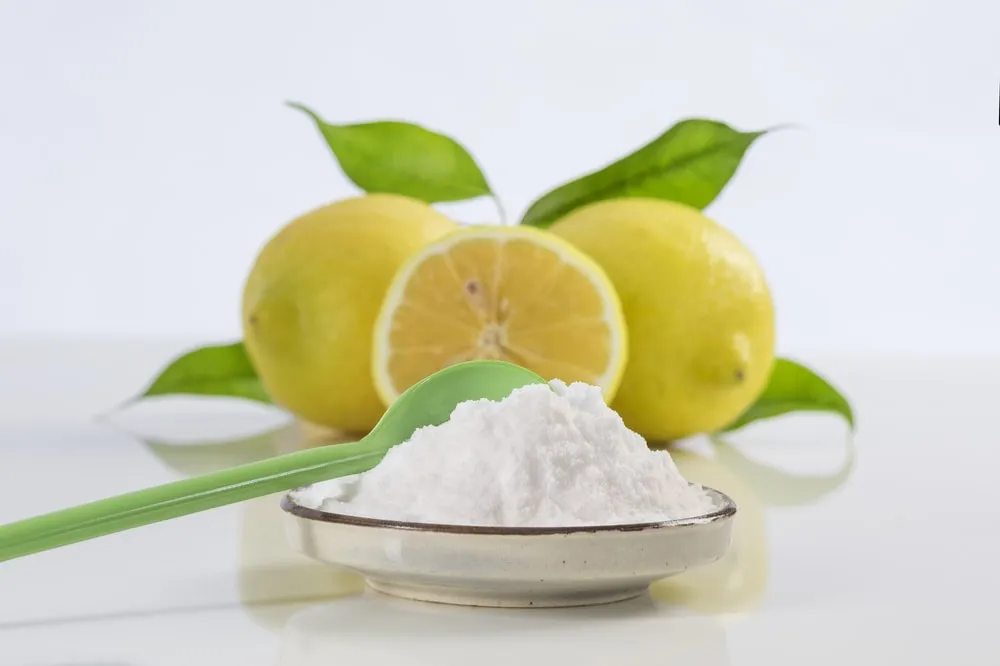
Understanding Teeth Whitening with Lemon and Baking Soda
Achieving a brighter smile is a common goal, and many people turn to natural remedies to whiten their teeth. Lemon and baking soda are two popular ingredients often touted for their teeth-whitening properties. But how do these ingredients work, and what are the potential benefits and risks? This article delves into the science behind lemon and baking soda, providing a comprehensive guide to help you understand how they can potentially contribute to a whiter smile. We’ll explore the methods, the benefits, and the precautions you should take to ensure your oral health remains a top priority. Remember that while natural remedies can be appealing, it’s crucial to approach them with informed caution and consult with a dental professional when necessary.
The Science Behind Lemon and Baking Soda
How Lemon Works on Teeth

Lemon contains citric acid, a natural bleaching agent. This acid can help to remove stains and discoloration from the surface of the teeth. However, the acidity of lemon is also a double-edged sword. While it can remove stains, it can also erode the enamel, the protective outer layer of your teeth. Enamel erosion can lead to increased tooth sensitivity and a higher risk of cavities. Therefore, understanding the balance between stain removal and enamel protection is key when considering lemon for teeth whitening. Always use with caution and limit the frequency of application to minimize potential damage. Consider diluting the lemon juice with water to reduce its acidity.
How Baking Soda Works on Teeth
Baking soda, or sodium bicarbonate, acts as a mild abrasive. When used on teeth, it helps to scrub away surface stains caused by coffee, tea, and other foods and drinks. This mechanical action can make teeth appear whiter. Furthermore, baking soda has mild antibacterial properties, contributing to overall oral hygiene. It can neutralize acids in the mouth, which helps to protect tooth enamel from erosion. However, similar to lemon, the abrasive nature of baking soda can also lead to enamel wear if used too frequently or aggressively. Proper technique and frequency of use are essential to minimize any negative impact on dental health.
Benefits of Using Lemon and Baking Soda for Whitening
Cost-Effectiveness

One of the most appealing aspects of using lemon and baking soda for teeth whitening is the cost. Both ingredients are readily available at a low cost, making this method accessible to almost anyone. Compared to professional teeth whitening treatments or over-the-counter whitening kits, the expense is minimal. This affordability allows individuals to try teeth whitening without a significant financial investment. However, it’s important to remember that cost-effectiveness should not come at the expense of your dental health. While it may save money upfront, the potential for long-term dental issues could lead to more costly treatments down the line.
Accessibility and Convenience
Both lemon and baking soda are common household items, making this method incredibly convenient. There’s no need to make a special trip to the store or wait for a product to be delivered. You likely already have these ingredients in your kitchen. The ease of access allows you to whiten your teeth whenever you choose, fitting seamlessly into your daily routine. This convenience is a significant advantage for those with busy schedules or who prefer a more immediate approach to teeth whitening. Always remember to use the ingredients as directed and to moderate the frequency to protect your tooth enamel.
Quick Results
Many users report seeing noticeable results relatively quickly when using lemon and baking soda. The abrasive action of the baking soda and the bleaching properties of the lemon can lead to a brighter smile within a few applications. This can be particularly appealing for those seeking fast results before a special event. However, it’s crucial to manage your expectations and be realistic about the extent of the whitening. The results may not be as dramatic as professional treatments. Also, be aware of the risks associated with frequent use, as overusing this method can cause significant harm to your teeth. Always prioritize the health of your teeth over immediate whitening gains.
Step-by-Step Guide to Whitening Teeth

Ingredients You’ll Need
Gather your supplies: You’ll need a fresh lemon, baking soda, and a small bowl. Ensure the lemon is fresh for optimal effectiveness. Use regular baking soda, not baking powder, as the latter contains additives. A small bowl and a soft-bristled toothbrush are also essential for application. It is best to use a plastic or glass bowl and avoid metal, as metal may react with the ingredients. Keep these items ready to begin the teeth-whitening process. Remember to use only food-grade baking soda and fresh lemons for the best results.
Mixing the Ingredients
Squeeze a small amount of fresh lemon juice into the bowl – about a teaspoon should suffice. Add baking soda, start with about a half teaspoon, and mix to create a paste. The consistency should be thick enough to stick to your teeth but not too abrasive. Adjust the ratio of lemon juice and baking soda until you achieve the desired consistency. The mixture will start to fizz, which is normal. Once combined, the mixture is ready for application. Be careful not to create too much, as you’ll only need a small amount for each session.
Application Technique

Dip your soft-bristled toothbrush into the mixture, ensuring it’s evenly coated. Gently brush your teeth using circular motions, paying attention to all surfaces. Avoid brushing too aggressively, as this can damage your enamel. Brush for no more than two minutes. After brushing, rinse your mouth thoroughly with water to remove all traces of the mixture. Be careful not to swallow any of the mixture. Repeat this process no more than once or twice a week to avoid damaging your teeth. Always listen to your teeth and stop if you feel any sensitivity or discomfort.
Frequency of Use
Due to the acidity of lemon and the abrasiveness of baking soda, it is crucial to limit the frequency of use. Using this method once or twice a week is generally considered the maximum. Overuse can lead to significant enamel erosion and increased tooth sensitivity. It is important to monitor your teeth and gums for any signs of irritation or discomfort. If you experience any sensitivity, stop using this method immediately. In addition, it’s advisable to consult with a dentist to ensure that your teeth are healthy and to discuss the best teeth-whitening practices for your specific needs.
Potential Risks and Side Effects
Tooth Sensitivity

One of the most common side effects of using lemon and baking soda for teeth whitening is increased tooth sensitivity. This occurs because the acidity of the lemon and the abrasive nature of the baking soda can erode the enamel, exposing the underlying dentin. The dentin contains tiny tubes that lead to the nerves of your teeth, making them more sensitive to hot, cold, and sweet foods and drinks. If you experience any sensitivity, discontinue using this method and consult with a dentist. They can advise on treatments to reduce sensitivity, such as fluoride treatments or desensitizing toothpaste.
Enamel Erosion
Frequent use of lemon and baking soda can lead to enamel erosion, the wearing away of the protective outer layer of your teeth. Enamel erosion weakens your teeth, making them more susceptible to cavities, staining, and further sensitivity. Once enamel is gone, it cannot be naturally replaced. This is one of the primary reasons that dentists advise against using this method frequently. Over time, erosion can lead to the need for fillings, crowns, or other dental interventions to protect the underlying tooth structure. Therefore, it’s critical to use these ingredients sparingly and monitor your teeth for signs of erosion.
Gum Irritation
Lemon’s acidity and baking soda’s abrasiveness can irritate the gums, leading to redness, swelling, and even bleeding. Gum irritation can make it difficult to maintain good oral hygiene, and in severe cases, it can lead to gum disease. If you experience gum irritation, stop using the lemon and baking soda mixture and rinse your mouth with water. You may want to consult with a dentist if the irritation persists. They can assess your gum health and advise on the best ways to soothe and heal irritated gums. Also, ensure you are not brushing too aggressively, as this can further irritate the gums.
Alternatives to Lemon and Baking Soda

Professional Teeth Whitening
Professional teeth whitening, performed by a dentist, is the safest and most effective option for achieving a brighter smile. Dentists use stronger whitening agents, such as hydrogen peroxide, which are applied under controlled conditions to minimize the risk of enamel damage and gum irritation. Professional treatments can significantly lighten your teeth’s shade and provide lasting results. Your dentist can also assess your oral health and determine if teeth whitening is appropriate for you. They can provide personalized advice and recommend the best treatment plan based on your needs and oral health. This method also includes in-office whitening and custom-fitted whitening trays.
Over-the-Counter Whitening Products
If professional whitening is not an option, over-the-counter whitening products such as whitening strips, toothpastes, and mouthwashes offer a safer alternative to lemon and baking soda. These products contain milder whitening agents, such as hydrogen peroxide or carbamide peroxide, and are designed to be used at home. Follow the instructions carefully and avoid overuse to minimize the risk of side effects. While the results may not be as dramatic as professional treatments, over-the-counter products can still help to improve the brightness of your smile. Look for products that have been approved by dental associations for safety and effectiveness.
Maintaining Your White Smile

Oral Hygiene Practices
Brushing your teeth twice a day with fluoride toothpaste is the cornerstone of maintaining a white and healthy smile. Flossing daily removes plaque and food particles from between your teeth, preventing staining and decay. Regular dental checkups and professional cleanings are essential for removing plaque and tartar buildup, which can cause discoloration. Use a soft-bristled toothbrush and brush gently, avoiding excessive pressure, to prevent enamel erosion and gum irritation. Remember that good oral hygiene not only maintains the brightness of your smile but also protects your overall dental health.
Dietary Considerations
Certain foods and drinks can stain your teeth. Minimize your consumption of coffee, tea, red wine, and dark-colored berries. If you consume these items, rinse your mouth with water afterward to reduce staining. Smoking and tobacco use can also discolor your teeth significantly; consider quitting to improve your oral health and the brightness of your smile. Eating crunchy fruits and vegetables, such as apples and carrots, can help to naturally scrub your teeth and promote saliva production, which helps to wash away stains. A balanced diet with plenty of calcium-rich foods also supports strong, healthy teeth.