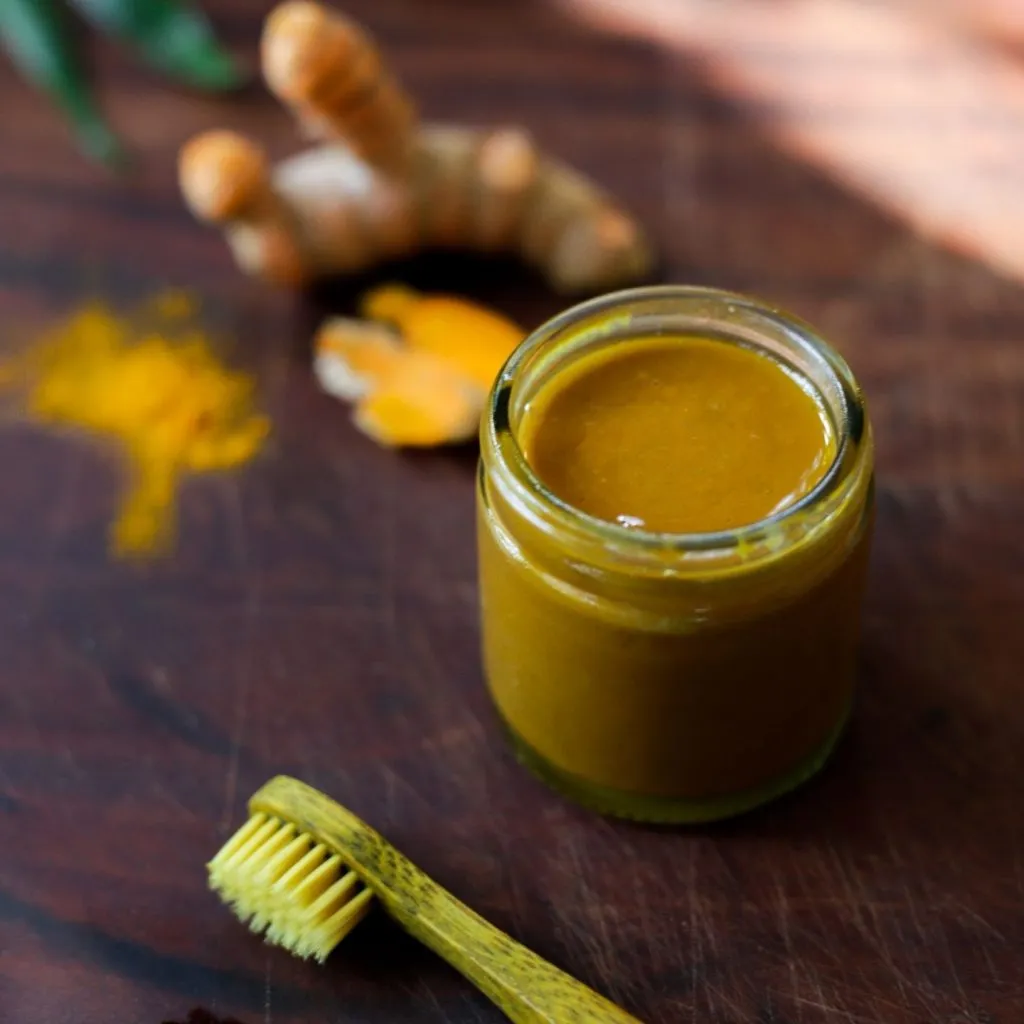
What is Turmeric Teeth Whitening
Turmeric teeth whitening is a natural approach to brightening your smile, utilizing the properties of turmeric, a vibrant yellow spice known for its anti-inflammatory and antioxidant benefits. This method involves creating a paste typically from turmeric powder and applying it to your teeth. While the process is relatively straightforward, understanding the science and expectations is important for optimal results. This guide explores everything from the basics of turmeric and its potential impact on teeth to step-by-step instructions on how to create and use a turmeric paste for whitening.
The Science Behind Turmeric
Turmeric, derived from the Curcuma longa plant, has been used for centuries in traditional medicine, especially in South Asia. Its active compound, curcumin, is responsible for its vibrant color and many of its health benefits. Curcumin is a potent antioxidant and anti-inflammatory agent. While the exact mechanisms by which turmeric may whiten teeth are still being researched, it is believed that curcumin’s antioxidant properties may help remove stains and reduce inflammation in the gums, contributing to a brighter appearance. The effectiveness can depend on the type and severity of stains.
Does Turmeric Really Whiten Teeth

The effectiveness of turmeric in teeth whitening is a topic of debate, with varying results reported by users. While some individuals experience noticeable whitening, others see minimal or no change. The results often depend on factors like the type of stains, the consistency of the paste, and the application method. Surface stains caused by coffee, tea, or tobacco may respond better than intrinsic stains. It is important to set realistic expectations, as turmeric is generally considered a gentle whitening method and may not provide the dramatic results of professional treatments. For optimal results, consistent use is essential.
Understanding the Active Compounds
The key active compound in turmeric is curcumin. Curcumin has been the subject of numerous studies exploring its therapeutic potential, particularly its antioxidant and anti-inflammatory properties. These properties are the key reason for its possible role in teeth whitening. Additionally, some formulations include other ingredients like coconut oil, which can help bind the turmeric and aid in its application. The combination of these compounds may contribute to the overall whitening effect by reducing stains and possibly improving oral health.
How to Make Turmeric Teeth Whitening Paste
Creating turmeric teeth whitening paste is simple and requires only a few ingredients. The preparation typically involves mixing turmeric powder with other components to form a paste-like consistency suitable for application on the teeth. There are several variations of recipes; some may add ingredients like coconut oil for its antibacterial properties and enhanced binding characteristics. This process is easy, allowing individuals to customize the paste to suit their preferences and needs.
Ingredients You Will Need

The basic ingredients for a turmeric teeth whitening paste are quite simple and readily available. Generally, you’ll need turmeric powder, which can be found in most grocery stores in the spice aisle. In addition, coconut oil is a common addition, providing binding and potential antibacterial properties. You may also use water to adjust the consistency of the paste. Consider experimenting with a drop or two of peppermint essential oil for flavor and additional oral health benefits, such as freshening breath.
Step-by-Step Instructions
The steps involved in making the turmeric teeth whitening paste are straightforward. First, measure the ingredients. Typically, you’ll start with about a teaspoon of turmeric powder and a half-teaspoon of coconut oil. Mix these ingredients together in a small bowl until you achieve a smooth paste. Add a few drops of water if needed to reach the desired consistency. For added benefits, you could add a drop of peppermint essential oil. Thorough mixing is essential to ensure the ingredients are well combined for uniform application.
How to Apply the Paste
Applying the turmeric paste is simple, but careful steps ensure effectiveness. First, gently apply a thin layer of the paste to your teeth using a toothbrush or your finger. Make sure to coat all surfaces of your teeth evenly. Allow the paste to sit on your teeth for about 5 minutes. This allows the curcumin to interact with the stains. Then, rinse your mouth thoroughly with water. Finally, brush your teeth with your regular toothpaste to remove any remaining turmeric residue and prevent yellowing.
Best Practices for Application

To maximize the effectiveness of turmeric teeth whitening, several best practices should be followed. It is best to apply the paste to clean, dry teeth. Ensure that all tooth surfaces are evenly coated to remove stains. After allowing the paste to sit for the recommended time, rinse your mouth thoroughly with water and then brush your teeth with toothpaste to remove any remaining turmeric residue. Regular and consistent application of the paste is key for achieving the best results. Avoid swallowing the paste.
How Often to Use Turmeric Paste
The frequency of using turmeric teeth whitening paste should be tailored to individual needs and results. Initially, you can start by applying the paste 2–3 times per week. Evaluate how your teeth respond to the treatment. If you notice improvements and experience no adverse effects, you may increase the frequency to daily use. However, for those with sensitive teeth, using the paste every other day or less frequently might be more suitable. It’s important to monitor your teeth for sensitivity and make adjustments accordingly.
Tips for Effective Whitening
Several tips can enhance the effectiveness of turmeric teeth whitening. Consistency is key; regular use of the paste will yield better results. Ensure that your teeth are thoroughly cleaned before applying the paste. Avoid consuming foods and drinks that stain teeth, such as coffee, tea, and red wine, during the whitening process. Be patient, as the whitening process is gradual. Combining turmeric paste with a healthy oral hygiene routine, including regular brushing, flossing, and dental check-ups, will support and maintain the results.
Maintaining Whitening Results

Maintaining the results of turmeric teeth whitening involves several steps. Regular use of the paste helps keep the teeth bright and stain-free. Continue to brush your teeth with regular toothpaste and floss daily to remove plaque and debris that can affect tooth color. Limit the consumption of staining foods and drinks. Schedule regular dental check-ups and cleanings to remove any surface stains and maintain overall oral health. These practices will contribute to preserving a bright, healthy smile long-term.
What to Expect Before and After
Before using turmeric teeth whitening paste, it’s important to understand what to expect. You may notice a slight yellowing of the teeth during application, which is normal and should rinse away. After the process, your teeth should feel clean and smooth. The results are typically gradual, with visible improvements appearing over several weeks of consistent use. It’s unlikely to match the immediate impact of professional whitening. If you experience any unusual sensitivity or discomfort, discontinue use and consult your dentist.
Potential Benefits of Turmeric Paste
Besides teeth whitening, turmeric paste may offer other potential oral health benefits. The anti-inflammatory properties of curcumin may help reduce gum inflammation and gingivitis. Turmeric also has antioxidant properties, which can protect against the damage caused by free radicals. Some users report improved breath freshness due to turmeric’s antibacterial properties. The combination of these benefits makes turmeric paste a holistic approach to oral hygiene.
The Benefits of Oral Health

Good oral health is essential for overall health. Healthy teeth and gums contribute to proper digestion and prevent various health problems. Regular brushing and flossing prevent tooth decay and gum disease, which, if left untreated, can lead to more serious conditions like heart disease and diabetes. Maintaining good oral hygiene promotes a healthy mouth and boosts confidence. This includes regular dental check-ups and cleanings.
Safety Considerations and Precautions
While turmeric is generally safe, some precautions are important. Ensure you are not allergic to turmeric or any other ingredients. Avoid excessive use, which may lead to tooth sensitivity. If you have pre-existing dental conditions, consult your dentist before starting to use turmeric paste. Children should only use turmeric paste under adult supervision. If you experience any adverse effects, such as increased sensitivity or irritation, discontinue use immediately.
Side Effects and Risks
Although turmeric is generally safe, there are potential side effects and risks. Some individuals may experience tooth sensitivity, especially with frequent use. Prolonged use may also cause mild staining on the enamel. It’s important to note that turmeric can stain porous surfaces, so be careful during preparation and application. Always rinse your mouth thoroughly and brush your teeth after using the paste to remove any residue. If you experience persistent discomfort, consult a dentist.
When to Consult a Dentist

It’s crucial to consult a dentist if you experience any oral health issues or concerns. Seek professional advice if you have persistent tooth sensitivity or any signs of gum disease. Regular dental check-ups are important for maintaining oral health, and your dentist can provide professional whitening treatments if needed. Your dentist can offer personalized recommendations based on your individual needs and oral health status. If you are unsure about using turmeric teeth whitening paste, consult with your dentist first.
Alternative Teeth Whitening Methods
If turmeric teeth whitening doesn’t meet your needs or if you’re looking for alternative options, several other methods are available. Over-the-counter whitening products, such as whitening strips, toothpaste, and gels, can be found at most drugstores. These products typically contain hydrogen peroxide or carbamide peroxide, which lighten teeth. Professional teeth whitening treatments from a dentist are often more effective and offer quicker results. Options include in-office whitening procedures and custom-fitted whitening trays.
Other Natural Whitening Options
Besides turmeric, other natural ingredients may help whiten teeth. Baking soda, when used in moderation, can act as a mild abrasive to remove surface stains. Oil pulling with coconut oil may help reduce bacteria and improve oral health, which can contribute to a brighter smile. Activated charcoal is another option; it absorbs stains and can be used in toothpaste or as a paste. These methods are generally gentler but may require more patience and consistency for noticeable results.
Comparing Methods

When comparing different teeth whitening methods, consider factors such as effectiveness, cost, and potential risks. Professional treatments offer the most significant and fastest results but are usually the most expensive. Over-the-counter products are more affordable but may not be as effective. Natural methods, like turmeric paste, are gentle and cost-effective but may require more time and effort to see results. The best method depends on individual preferences, needs, and dental health. Consult with your dentist to determine the most suitable option for you.
Conclusion
Turmeric teeth whitening can be a helpful addition to your oral hygiene routine, offering a natural way to brighten your smile. While individual results may vary, consistent use and good oral hygiene practices can contribute to a brighter and healthier smile. Always be mindful of your oral health and consult with your dentist if you have any concerns or require professional treatment. Embracing natural methods can be a fulfilling path toward a brighter smile, but it is essential to combine these with a thorough dental care plan.