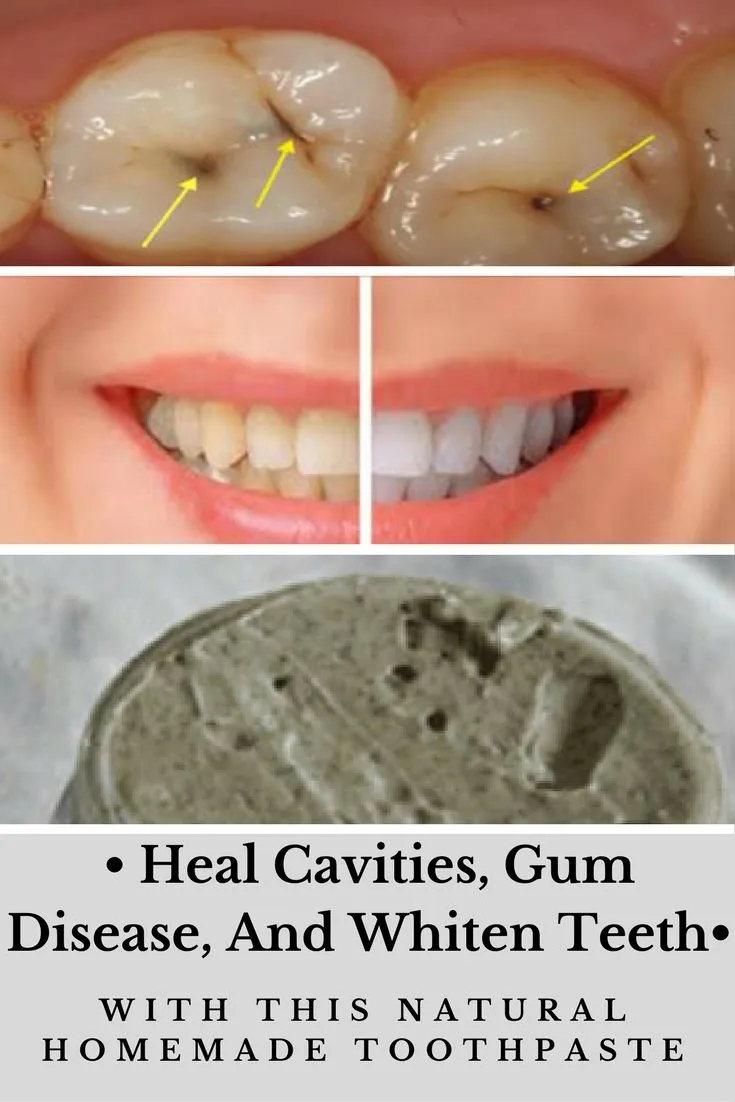
Understanding Cavities and Teeth Whitening
Teeth whitening is a popular cosmetic procedure that can dramatically improve the appearance of your smile. However, when it comes to teeth whitening with cavities, the situation becomes a bit more complex. Cavities, also known as dental caries, are areas of tooth decay that can significantly impact the effectiveness and safety of whitening treatments. This guide will explore the relationship between cavities and teeth whitening, helping you make informed decisions about your oral health and cosmetic goals. It covers everything from the causes of cavities to the best practices for achieving a brighter smile while maintaining optimal dental health, offering comprehensive advice for anyone considering teeth whitening with existing dental issues.
What are Cavities
Cavities are essentially holes in your teeth caused by tooth decay. They develop when the hard, outer surface of your teeth, called enamel, is damaged by acids produced by bacteria in your mouth. These bacteria thrive on sugars and starches from the foods you eat. Over time, these acids erode the enamel, creating small holes that become cavities. Factors such as poor oral hygiene, frequent snacking, and consuming sugary drinks can increase your risk of developing cavities. Cavities can range in severity from tiny pinholes to significant damage that can affect the deeper layers of your teeth, potentially leading to pain, infection, and even tooth loss. Regular dental check-ups are crucial for early detection and treatment of cavities, which can prevent them from worsening and causing further complications.
The Impact of Cavities on Teeth Whitening

Cavities can significantly affect the outcome and safety of teeth whitening treatments. Whitening agents, such as hydrogen peroxide or carbamide peroxide, work by penetrating the enamel and breaking down stain molecules. However, if you have cavities, these agents can seep into the decayed areas and irritate the sensitive inner parts of your teeth, causing increased sensitivity and discomfort. Furthermore, the whitening process may not be effective on the areas affected by cavities, leading to an uneven appearance. The presence of cavities can also make it difficult for the whitening agent to evenly distribute, resulting in inconsistent results. Therefore, it’s essential to address any existing cavities before undergoing teeth whitening to ensure both a successful and comfortable experience. Addressing existing dental issues is crucial for overall oral health.
Can You Get Teeth Whitening with Cavities
Generally, it is not recommended to get teeth whitening if you have cavities. The whitening agents can exacerbate the sensitivity and pain associated with tooth decay. Moreover, the whitening process will not improve the appearance of the areas affected by cavities, leading to an uneven result. The focus should be on treating the cavities first to prevent further damage and ensure the health of your teeth. Once your cavities are filled and your dentist confirms your teeth are healthy, you can discuss the possibility of teeth whitening. Professional dental advice is essential to determine the best course of action for your specific situation, ensuring the safety and effectiveness of any cosmetic procedures you may consider. This is vital for achieving both a beautiful and healthy smile.
Risks of Teeth Whitening with Cavities
Undergoing teeth whitening with cavities carries several risks. Increased tooth sensitivity is a common side effect, as the whitening agents can penetrate the decayed areas and irritate the nerves inside the teeth. This can cause sharp, shooting pains or a constant ache. Furthermore, the whitening agents can worsen the decay, potentially leading to more significant dental issues. The effectiveness of the whitening treatment can also be compromised, resulting in an uneven appearance as the affected areas might not whiten as expected. In severe cases, untreated cavities combined with whitening can increase the risk of infection, leading to more serious dental problems. It’s crucial to consult with a dentist to address any existing cavities before considering teeth whitening to minimize these risks and ensure a healthy outcome.
How Teeth Whitening Works

Teeth whitening works by using bleaching agents, typically hydrogen peroxide or carbamide peroxide, to break down stain molecules within the tooth enamel. These agents penetrate the enamel and oxidize the discolored compounds, making the teeth appear whiter. There are two main types of teeth whitening procedures professional and at-home treatments. Professional treatments, performed by a dentist, often use higher concentrations of bleaching agents and can provide faster and more dramatic results. At-home kits typically involve lower concentrations of the bleaching agent and require more time to achieve the desired effect. The process can vary depending on the method used, but it generally involves applying the whitening agent to the teeth for a specific period, followed by rinsing and potentially using a fluoride treatment to reduce sensitivity. Understanding how teeth whitening works helps in making informed decisions about your dental care.
Professional Teeth Whitening Options
Professional teeth whitening, performed by a dentist, offers several advantages. These treatments often use higher concentrations of bleaching agents, such as hydrogen peroxide, which can provide faster and more dramatic results compared to at-home kits. In-office whitening typically involves the application of a bleaching gel to the teeth, followed by the use of a special light or laser to accelerate the whitening process. Dentists can also monitor the process to ensure the safety and effectiveness of the treatment, minimizing the risk of complications. Professional whitening is ideal for individuals seeking significant and immediate results, or those with more severe staining. Your dentist can also assess your oral health, address any existing cavities, and recommend the most suitable whitening treatment for your needs. This comprehensive approach ensures a safe, effective, and personalized whitening experience. Image professional-teeth-whitening.webp
At-Home Teeth Whitening Kits
At-home teeth whitening kits offer a convenient and more affordable alternative to professional treatments. These kits typically include custom-fitted trays or strips containing a lower concentration of bleaching agents, which you can use in the comfort of your home. The process usually involves applying the whitening agent to the trays or strips and wearing them for a specified amount of time, as directed by the product instructions. At-home kits are suitable for individuals with mild to moderate staining and those who prefer a more gradual approach. However, it is crucial to follow the instructions carefully and consult with your dentist before use, especially if you have any dental issues, such as cavities. They can assess your oral health and recommend the most appropriate kit for your needs, ensuring safe and effective results. Image at-home-teeth-whitening.webp
Alternatives to Teeth Whitening

If you have cavities or are not a suitable candidate for teeth whitening, several alternative cosmetic treatments can improve the appearance of your smile. Dental veneers, thin custom-made shells that cover the front surface of your teeth, can correct discoloration, chips, and cracks. Dental bonding, another option, involves applying a tooth-colored resin to the teeth to repair imperfections. Teeth cleaning, performed by a dental hygienist, can remove surface stains and improve the brightness of your teeth. These alternatives offer different approaches to enhancing your smile, and your dentist can help you determine the most suitable option based on your specific needs and oral health. Considering these alternatives is essential for achieving your desired aesthetic results while prioritizing your dental health. Image teeth-whitening-options.webp
Treating Cavities Before Whitening
Treating cavities before teeth whitening is crucial for several reasons. First, it prevents the whitening agents from seeping into the decayed areas and causing pain or sensitivity. Second, it ensures that the whitening treatment is effective and produces consistent results. Before undergoing any teeth whitening procedure, your dentist will thoroughly examine your teeth for cavities. If any are detected, they will be filled with dental fillings. Once the cavities are treated and your dentist confirms that your teeth are healthy, you can proceed with the whitening treatment. Addressing any existing dental issues before whitening ensures a successful and comfortable experience. This approach also safeguards your overall oral health, allowing you to achieve a brighter smile safely and effectively. This will lead to a better outcome. Image healthy-teeth.webp
The Importance of Dental Hygiene
Maintaining excellent dental hygiene is essential for preventing cavities and maintaining a healthy smile. Brush your teeth at least twice a day for two minutes each time, using fluoride toothpaste. Floss daily to remove plaque and food particles from between your teeth and under the gumline, where your toothbrush can’t reach. Use an antimicrobial mouthwash to further reduce bacteria in your mouth. Regular dental check-ups and professional cleanings are also crucial for early detection of any dental issues and removing plaque and tartar build-up. Practicing good dental hygiene not only helps prevent cavities but also contributes to the longevity and success of teeth whitening treatments. It is an investment in your overall oral health, ensuring a brighter and healthier smile for years to come. Image dental-hygiene.webp
Brushing and Flossing Techniques

Proper brushing and flossing techniques are fundamental for effective oral hygiene. When brushing, use a soft-bristled toothbrush and hold it at a 45-degree angle to your gumline. Gently move the brush in small circular motions, covering all surfaces of your teeth, including the front, back, and chewing surfaces. Brush for at least two minutes, ensuring you reach all areas of your mouth. Flossing should follow brushing. Use about 18 inches of floss, wrapping it around your fingers. Gently guide the floss between each tooth, using a back-and-forth motion, and curve it around each tooth to remove plaque and debris below the gumline. Proper techniques are crucial for removing plaque and bacteria, preventing cavities, and maintaining healthy gums. This will ensure the success of any teeth whitening treatments. Image brushing-and-flossing.webp
Dietary Considerations for Healthy Teeth
Your diet plays a significant role in the health of your teeth. Limit your consumption of sugary foods and drinks, as they contribute to the formation of cavities. Choose healthy snacks, such as fruits, vegetables, and dairy products, which promote strong teeth. Drink plenty of water to stay hydrated and help rinse away food particles and bacteria. Avoid excessive intake of acidic foods and drinks, as they can erode the enamel on your teeth. Consider incorporating foods rich in calcium and vitamin D, which are essential for strong teeth and bones. Following a balanced and nutritious diet is not only good for your overall health but also helps to maintain a healthy and beautiful smile. Making dietary choices can improve oral health. Image diet-for-teeth.webp
Maintaining Your Whitened Smile
Maintaining your whitened smile requires consistent care and attention. Follow your dentist’s recommendations for post-whitening care, such as using a fluoride toothpaste to reduce sensitivity. Avoid foods and drinks that can stain your teeth, such as coffee, tea, red wine, and dark berries. If you do consume these items, brush your teeth afterward or rinse your mouth with water. Consider using a whitening toothpaste or mouthwash to help maintain the brightness of your teeth. Regular dental check-ups and professional cleanings are also essential for removing surface stains and maintaining your whitened smile. By following these tips, you can ensure that your bright, beautiful smile lasts for years to come. These steps will help in long-term maintenance.
Post-Whitening Care

Following the right post-whitening care is critical for maintaining your newly whitened smile and preventing any complications. You may experience some tooth sensitivity for a few days after whitening; using a desensitizing toothpaste can help alleviate this. Avoid foods and drinks that can stain your teeth, such as coffee, tea, red wine, and dark-colored sauces. If you consume these items, brush your teeth afterward or rinse your mouth with water. Continue to practice good oral hygiene, including brushing at least twice a day and flossing daily. Your dentist may recommend touch-up treatments or at-home whitening kits to maintain your desired level of whiteness. By adhering to these post-whitening care guidelines, you can enjoy your brighter, healthier smile for a longer time. This ensures optimal results.
Long-Term Oral Health
Prioritizing long-term oral health is key to a healthy and beautiful smile. Regular dental check-ups and professional cleanings are crucial for early detection of dental issues, such as cavities and gum disease. Proper brushing and flossing techniques, along with a balanced diet, are essential for maintaining healthy teeth and gums. Avoid smoking and limit your consumption of sugary and acidic foods and drinks. Consider using fluoride toothpaste and mouthwash to strengthen your enamel and prevent cavities. By making oral health a priority, you can prevent dental problems, maintain your bright smile, and enjoy improved overall health and well-being. Consistent care and attention to oral health habits are investments in your smile and overall health. Regular visits to the dentist can help in the long run.