
Understanding Teeth Whitening Trays
Teeth whitening trays are custom-fitted, clear plastic molds designed to hold a whitening agent in close contact with your teeth. These trays are typically made by a dentist or can sometimes be purchased over-the-counter. The primary function of these trays is to facilitate the even distribution of the whitening solution across the teeth’s surface, ensuring that all areas receive consistent treatment. The trays are designed to fit snugly over the teeth, creating a barrier that keeps the whitening gel in place and prevents it from being diluted by saliva or other substances in the mouth. This close contact allows the active ingredients in the whitening agent, usually hydrogen peroxide or carbamide peroxide, to penetrate the enamel and break down the stain molecules that cause discoloration. The effectiveness of teeth whitening trays depends on several factors, including the concentration of the whitening agent, the duration of the treatment, and the frequency of use. Following the instructions provided by your dentist or the product manufacturer is crucial to achieving the best possible results and minimizing any potential side effects, such as tooth sensitivity or gum irritation. Proper usage also ensures that the whitening process is as safe and effective as possible, leading to a brighter, more confident smile.
How Whitening Trays Work
The process behind teeth whitening trays is quite straightforward, yet remarkably effective in improving the appearance of your smile. The whitening process begins with the application of a bleaching agent, which is typically a gel containing hydrogen peroxide or carbamide peroxide, into the custom-fitted tray. Once the tray is placed over the teeth, the active ingredients in the gel start to penetrate the enamel. These ingredients work by breaking down the stain molecules that have accumulated over time due to factors like food, beverages, and smoking. As the bleaching agent interacts with the stains, it causes them to become less concentrated, which results in a lighter shade of your teeth. The duration of the treatment and the concentration of the whitening agent will influence the final outcome. Whitening treatments can vary from a few days to several weeks. Maintaining consistent use of the trays as directed by your dentist is essential for achieving optimal results. This will allow the whitening agent to consistently act on the teeth and gradually remove the stains. The use of custom trays ensures that the whitening agent is evenly distributed across all tooth surfaces, leading to a uniform and natural-looking result. This uniform application minimizes the risk of uneven whitening, which can occur with other methods.
The Role of Whitening Agents

The effectiveness of teeth whitening trays hinges on the whitening agents they utilize. These agents, primarily hydrogen peroxide and carbamide peroxide, are the active ingredients responsible for breaking down stains and discoloration on the teeth. Hydrogen peroxide is a strong oxidizing agent, which means it releases oxygen molecules that penetrate the enamel and react with the stain molecules. This reaction breaks down the larger stain molecules into smaller, less visible ones, thereby lightening the teeth. Carbamide peroxide is another common whitening agent. It breaks down into hydrogen peroxide and urea, providing a sustained release of the active bleaching agent. The concentration of these agents can vary, with higher concentrations leading to faster results, but also potentially increasing the risk of sensitivity or gum irritation. When the whitening agent comes into contact with the stained tooth enamel, the oxygen molecules begin to oxidize the stain particles. The duration of contact between the agent and the teeth is crucial for achieving desired results. The longer the contact time, the more effectively the stains are removed, leading to a brighter smile. Dentists will often adjust the concentration and treatment duration based on the severity of the staining and the patient’s individual needs and sensitivity levels.
Why You Need to Be Careful with Drinks
When you are using teeth whitening trays, the enamel of your teeth becomes more porous, making them more susceptible to staining. This increased porosity means that the teeth can readily absorb pigments from the foods and beverages you consume. Many common drinks contain substances that can stain your teeth, such as tannins in tea and coffee, and chromogens in red wine. These substances attach to the enamel and can reverse the whitening process or lead to uneven results. Furthermore, the whitening agents can sometimes make your teeth slightly more sensitive, and certain acidic beverages can exacerbate this sensitivity. Acidic drinks can erode the enamel, further increasing the risk of staining and sensitivity. To protect your investment in a brighter smile, it’s crucial to be mindful of what you consume during the whitening process. Avoiding or minimizing the consumption of staining drinks is essential for maintaining the effects of the whitening treatment. Following your dentist’s advice on dietary restrictions will help you achieve and maintain the desired results. Be proactive in protecting your newly whitened teeth by making smart choices about the drinks you consume.
Drinks to Avoid During Whitening
To maximize the effectiveness of your teeth whitening treatment and prevent staining, certain drinks should be avoided or significantly reduced during the process. Coffee and tea are notorious for their staining properties, due to the presence of tannins. These compounds readily bind to the tooth enamel and cause discoloration. Red wine is another major culprit, as it contains both tannins and chromogens, which contribute to staining. Dark-colored sodas, such as cola, also have a high potential for staining because of their dark pigments and acidity. Fruit juices, especially those that are darkly colored like grape juice and cranberry juice, should be avoided. These juices often contain pigments that can stain the teeth. Sports drinks and energy drinks can also contribute to staining due to their colorants and acidic nature. By avoiding these drinks, you significantly reduce the risk of your teeth staining during the whitening process. This helps the whitening treatment to work more effectively and ensures you achieve the desired results.
Coffee Tea and Red Wine

Coffee, tea, and red wine are three of the most common culprits when it comes to staining your teeth, especially during a teeth whitening treatment. Coffee and tea are rich in tannins, which are naturally occurring compounds that bind to tooth enamel and cause discoloration. The darker the coffee or tea, the higher the concentration of tannins, and the greater the potential for staining. Red wine contains both tannins and chromogens, compounds that contribute significantly to staining. The tannins allow the chromogens to adhere to the teeth, creating stubborn stains. The acidity of red wine can also erode the enamel, making the teeth more susceptible to staining. The combined effects of tannins, chromogens, and acidity make red wine particularly damaging to the results of teeth whitening. If you can’t completely avoid these beverages during your whitening treatment, consider reducing your intake, using a straw, or rinsing your mouth with water immediately after consumption to minimize their impact. This proactive approach helps protect your investment in a brighter smile, preventing these drinks from undoing the effects of your whitening treatment and allowing you to maintain a beautiful, white smile.
Alternatives to Drinking Those Drinks
If you find it difficult to completely abstain from staining drinks during your teeth whitening treatment, there are several alternatives you can consider to minimize their impact. For coffee and tea, one option is to switch to lighter-colored beverages like herbal teas or green tea, which contain fewer tannins. Another alternative is to dilute your coffee or tea with milk, which can help to reduce the staining potential. For red wine, you might consider opting for white wine, which has fewer staining compounds. When you choose to drink these beverages, use a straw to minimize contact with your teeth. This allows the liquid to bypass the front of your teeth, reducing the amount of staining that can occur. By making these adjustments, you can still enjoy your favorite beverages while protecting your newly whitened smile. Choosing lighter-colored beverages, using a straw, or rinsing your mouth after drinking can make a significant difference in preventing stains. Small changes can have a big impact on your teeth whitening results.
Clear or Colorless Beverages
During teeth whitening treatments, it’s wise to prioritize drinks that are clear or colorless. These beverages pose the least risk of staining your teeth. Water is the ideal choice. It not only keeps you hydrated but also has no staining potential. Sparkling water, or seltzer, is another excellent option, as it is generally free from colorants and has no staining effect. Clear sodas, such as Sprite or 7-Up, can be consumed in moderation, but be mindful of their acidity and sugar content. While they are less likely to stain than dark-colored sodas, their acidity can still impact the enamel. Clear fruit juices, like apple juice or white grape juice, are better choices than their darker counterparts. They are still naturally acidic, so drink them in moderation. By focusing on these clear or colorless beverages, you minimize the chance of staining and protect the effectiveness of your teeth whitening treatment. Making the simple choice of these drinks during your whitening process is a positive step. They are easy to find and will help to ensure your smile remains bright and beautiful.
Drinks That Are Generally Safe

While many drinks can undermine your teeth whitening efforts, some beverages are generally safe to consume during your treatment. Water stands out as the best option. It is naturally clear, doesn’t contain staining agents, and helps to keep you hydrated. Clear or light-colored sodas can be consumed in moderation. Make sure they have low acidity and sugar levels to minimize any negative effects. Clear or white fruit juices, like apple juice or white grape juice, are also acceptable in moderate amounts. However, be mindful of their natural acidity. Milk is also a relatively safe choice. The calcium in milk can help to strengthen your enamel, and it has a neutral pH. These drinks won’t compromise your whitening results or cause additional staining. Choosing these drinks allows you to stay hydrated and enjoy a variety of beverages while protecting the investment in your bright smile. Staying informed about which beverages are best for your teeth during and after whitening is key to enjoying a healthy and confident smile.
Tips for Drinking with Whitening Trays
If you choose to drink while wearing your teeth whitening trays, several strategies can help protect your teeth and the effectiveness of the treatment. Use a straw to direct the liquid toward the back of your mouth and minimize contact with your teeth. This is especially helpful for staining drinks. Rinse your mouth with water immediately after drinking anything other than water. This helps to remove any lingering pigments and prevents them from settling on your teeth. If you are drinking something that may stain, consider removing the trays before drinking, rinsing your mouth well, and then reinserting the trays. Avoid prolonged exposure of the trays to staining beverages. The longer the trays are exposed to potentially staining substances, the higher the risk of discoloration. By following these simple tips, you can reduce the impact of staining drinks and maintain the bright results of your teeth whitening treatment. Making informed choices and implementing these strategies can significantly enhance the effectiveness of your whitening efforts. These tips will help you to successfully balance your lifestyle choices with maintaining a healthy and dazzling smile.
Rinsing Your Mouth Afterward
Rinsing your mouth after consuming beverages, particularly those known for their staining potential, is a simple but effective practice to protect your teeth during a whitening treatment. After finishing a drink, rinse your mouth thoroughly with water. This can help to remove any lingering pigments and prevent them from adhering to the tooth enamel. The immediate rinsing process washes away the staining substances before they have a chance to settle and cause discoloration. Plain water is an excellent choice for rinsing, as it is neutral and doesn’t contain any staining agents. You can also use a diluted mouthwash. Choose a mouthwash that is alcohol-free to avoid drying your mouth, which could increase sensitivity. Gently swishing the water or mouthwash around your mouth and through your teeth ensures all surfaces are cleaned. Rinse thoroughly to maximize the benefit. By incorporating this simple step into your daily routine, you can significantly reduce the risk of staining and maintain the brightness of your teeth throughout your whitening process. This habit demonstrates your dedication to achieving and maintaining a healthy, beautiful smile.
Using a Straw to Minimize Contact
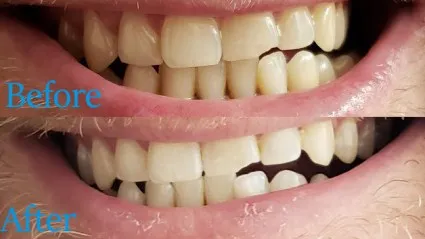
Using a straw is a simple yet effective method to minimize the contact of staining beverages with your teeth during a whitening treatment. When you use a straw, the liquid bypasses the front surfaces of your teeth, reducing the direct exposure to pigments and other staining compounds. This is particularly beneficial when consuming beverages like coffee, tea, or red wine, which are notorious for causing discoloration. By directing the liquid to the back of your mouth, you minimize the chance of the beverage coming into contact with the teeth. This simple action can help to preserve the results of your teeth whitening treatment. You can choose a straw made of various materials, such as paper, silicone, or stainless steel. This is a convenient habit that can easily fit into your daily routine. The straw is an easy way to protect your newly whitened teeth from stains, allowing you to enjoy your favorite beverages without compromising your bright smile. This small adjustment to your drinking habits can lead to a substantial difference in maintaining your results and keeping your teeth looking their best.
Timing Your Drinks Strategically
Strategic timing of your drinks can make a significant difference in protecting your teeth during a whitening treatment. If possible, plan to consume potentially staining drinks before inserting your whitening trays or after removing them. This helps to ensure that your teeth are not directly exposed to the staining agents while the whitening process is active. If you must drink staining beverages, consider doing so during meals. This allows you to brush your teeth soon afterward, helping to remove any pigments and prevent them from settling. Avoid prolonged exposure to staining beverages. The shorter the contact time with these drinks, the lower the risk of discoloration. If you’re using trays that require wearing them for a specific amount of time each day, try to arrange your drinking schedule to minimize contact. By being mindful of when you consume beverages, you can better protect your teeth from staining and ensure that your whitening treatment remains effective. The timing of your drinks should be a part of your overall approach to maintaining a bright, healthy smile.
Maintaining Your White Smile After Whitening
Maintaining the results of your teeth whitening treatment requires consistent care and attention to your oral hygiene and lifestyle choices. After achieving your desired level of whiteness, it’s essential to continue practicing good oral hygiene habits. Brush your teeth twice a day with a whitening toothpaste and floss daily. Regular dental check-ups and cleanings are crucial for removing surface stains and preventing the build-up of plaque. Be mindful of your diet and reduce your consumption of staining foods and beverages, such as coffee, tea, red wine, and dark-colored sodas. If you do consume these drinks, rinse your mouth with water immediately afterward or use a straw to minimize contact with your teeth. You might also consider touch-up treatments to maintain your results. Your dentist can provide you with custom trays and whitening gel for occasional use. By making these small adjustments and consistently practicing good oral hygiene, you can enjoy your bright, white smile for a long time. These proactive steps will help you maintain your healthy and radiant smile.
Post-Whitening Care

Following the guidelines for post-whitening care is essential for maximizing the longevity and effectiveness of your teeth whitening treatment. In the days immediately following your whitening session, your teeth may be more susceptible to staining. Avoid highly pigmented foods and drinks like coffee, tea, red wine, berries, and soy sauce. Continue to practice excellent oral hygiene. Brush your teeth gently with a soft-bristled toothbrush and use a whitening toothpaste. Avoid smoking and tobacco products, as they can quickly stain your teeth and counteract the whitening effects. Your dentist may recommend using a fluoride toothpaste to help remineralize your enamel and reduce any sensitivity. Be sure to schedule regular dental check-ups and cleanings to maintain your oral health. If you experience any sensitivity, use a toothpaste designed for sensitive teeth. Following these post-whitening care instructions will help you protect your newly whitened teeth. It also helps you to maintain a healthy, bright smile for years to come. Post-whitening care is vital for ensuring the success and longevity of your investment.
Long-Term Maintenance Tips
Long-term maintenance is critical for preserving the results of your teeth whitening treatment and keeping your smile bright over time. Continue to practice good oral hygiene, including brushing twice daily with a whitening toothpaste and flossing daily. Incorporate regular dental check-ups and professional cleanings into your routine. Your dentist can assess your oral health and remove any surface stains. Be mindful of the staining foods and beverages you consume. Reduce your intake of coffee, tea, red wine, and dark-colored sodas. Use a straw and rinse your mouth with water after drinking these beverages. Consider periodic touch-up treatments. Your dentist can provide you with custom trays and whitening gel for occasional use to maintain your desired level of whiteness. Avoid smoking and tobacco products. Consider using over-the-counter whitening products or visiting your dentist to assess your needs. Consistently applying these maintenance tips will allow you to enjoy a long-lasting, radiant smile. This ongoing commitment to oral hygiene and lifestyle choices helps maintain and protect your teeth.