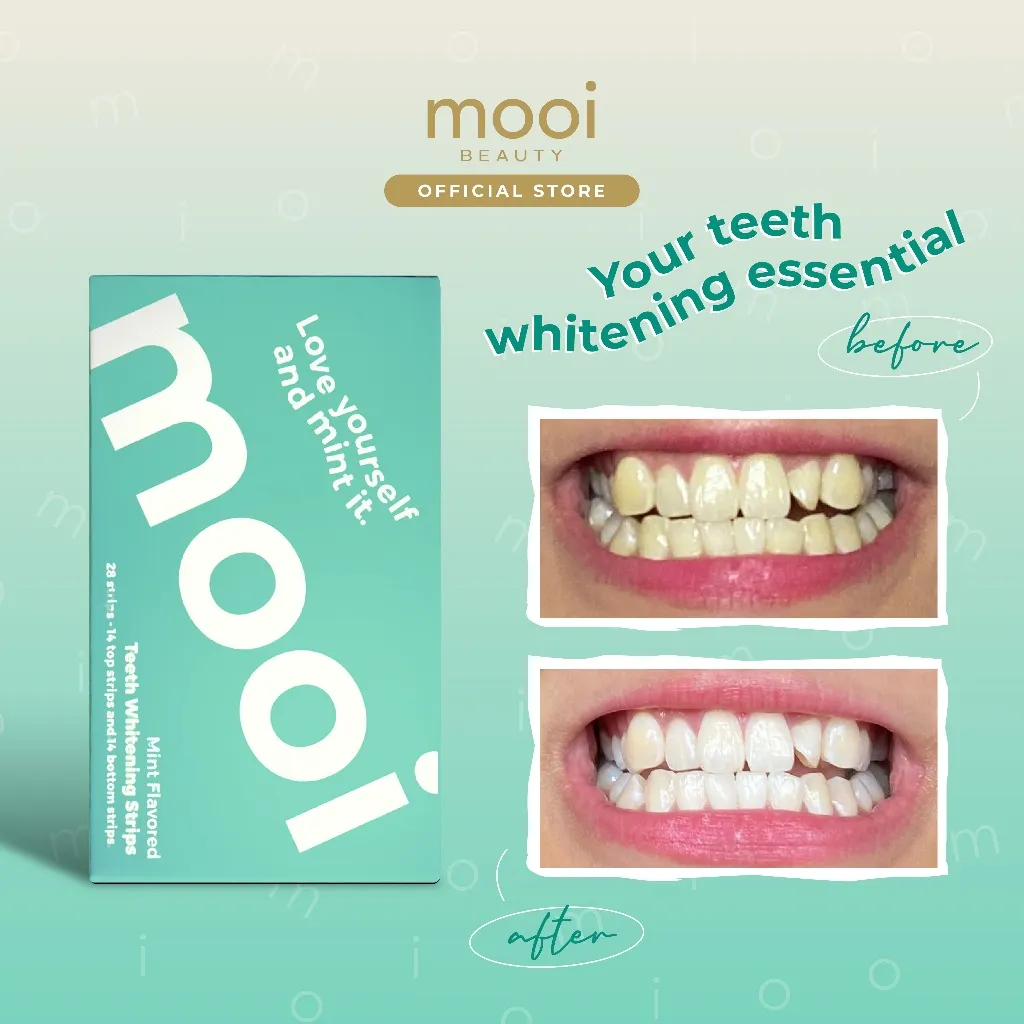
Understanding Teeth Whitening
Teeth whitening is a popular cosmetic dental procedure designed to lighten the shade of your teeth, enhancing your smile’s aesthetic appeal. It works by using bleaching agents to break down stains and discoloration that have accumulated on the enamel surface. The process can range from simple at-home kits to professional treatments administered by a dentist. The effectiveness of teeth whitening depends on several factors, including the type and severity of the stains, the whitening method used, and the individual’s oral health. Before starting any whitening treatment, it’s essential to consult with a dental professional to determine the best approach for your specific needs and ensure the procedure is safe and effective for your oral health. A brighter smile can significantly boost your confidence and improve your overall appearance, making teeth whitening a worthwhile investment for many individuals.
What Causes Tooth Discoloration
Tooth discoloration can stem from various factors, categorized as either extrinsic (external) or intrinsic (internal) causes. Extrinsic stains affect the tooth’s outer surface and are often caused by consuming staining foods and drinks such as coffee, tea, red wine, and berries. Smoking and other tobacco products also contribute significantly to extrinsic stains. Intrinsic stains, on the other hand, originate from within the tooth structure. These can be caused by aging, certain medications like tetracycline (particularly if taken during tooth development), excessive fluoride exposure, or trauma to the tooth, leading to internal bleeding or damage. Genetic factors can also influence the natural color of your teeth. Understanding the cause of your tooth discoloration is crucial for selecting the most effective whitening method. A dentist can help determine the cause and recommend appropriate treatments to restore your smile’s natural brightness and beauty.
Food and Drinks that Stain Teeth

Several foods and drinks are notorious for staining teeth due to their high concentration of chromogens, which are color-producing substances, and tannins, which help chromogens attach to the teeth. Coffee and tea, beloved by many, are major culprits, as are red wine and dark-colored soft drinks. Berries like blueberries, blackberries, and raspberries also contain strong pigments that can stain teeth. Additionally, foods with strong, vibrant colors such as curry, soy sauce, and balsamic vinegar can contribute to discoloration. The acidity in these foods and drinks can also erode the enamel, making teeth more susceptible to staining. Reducing your consumption of these items or rinsing your mouth with water after consuming them can help minimize staining. Regular dental checkups and cleanings are also vital in removing surface stains and maintaining a bright smile.
Lifestyle Choices and Teeth Whitening
Your lifestyle significantly impacts the color and appearance of your teeth. Smoking and using other tobacco products are major contributors to tooth discoloration, leading to yellowing and even brown staining over time. Poor oral hygiene habits, such as infrequent brushing and flossing, allow plaque and stains to accumulate, further affecting tooth color. Dietary choices also play a crucial role, with frequent consumption of staining foods and drinks exacerbating discoloration. Conversely, adopting healthy habits like regular brushing, flossing, and professional cleanings can help prevent and mitigate stains. Avoiding tobacco products and limiting the intake of staining foods and drinks will also protect your teeth’s brightness. Regular dental check-ups are also essential for maintaining optimal oral health and a radiant smile. By making conscious lifestyle choices, you can significantly improve the effectiveness and longevity of your teeth whitening treatments and preserve your bright, healthy smile.
Mooi Beauty Teeth Whitening Methods
Mooi Beauty offers various teeth whitening methods tailored to achieve a brighter smile. One popular option is their professional in-office whitening treatment, which uses a high-concentration bleaching agent activated by a special light to accelerate the whitening process. This method typically delivers dramatic results in a single session, making it ideal for those seeking immediate improvement. Mooi Beauty also provides custom-fitted take-home whitening kits, which include custom trays and professional-strength bleaching gel. These kits allow you to whiten your teeth gradually at home, providing a more personalized and convenient approach. Additionally, Mooi Beauty offers over-the-counter whitening products such as whitening strips and toothpastes. While these products are less potent than professional treatments, they can effectively remove surface stains and maintain a bright smile. Before starting any teeth whitening treatment with Mooi Beauty, a consultation is recommended to determine the most suitable method for your specific needs and oral health.
Professional Teeth Whitening Options

Professional teeth whitening offers the most effective and immediate results for achieving a brighter smile. Dentists use high-concentration bleaching agents, often containing hydrogen peroxide, to break down stains and discoloration. In-office whitening, performed by a dental professional, provides the most significant results in a single visit. This method involves applying the bleaching agent to the teeth and activating it with a special light or laser, which accelerates the whitening process. Another professional option is custom-fitted take-home trays, where the dentist creates custom trays that fit the patient’s teeth precisely. These trays are filled with a professional-strength bleaching gel and worn for a specified amount of time each day or night, allowing for gradual whitening at home under the dentist’s supervision. Professional whitening is safer and more effective than over-the-counter options because it is administered by trained professionals who can monitor the process and address any potential side effects. Regular dental checkups and consultations are essential before undergoing any professional teeth whitening treatment to ensure it is suitable for your oral health.
At-Home Teeth Whitening Kits
At-home teeth whitening kits provide a convenient and cost-effective way to brighten your smile. These kits typically include whitening strips, trays with bleaching gel, or whitening toothpastes. Whitening strips are thin, flexible strips coated with a peroxide-based whitening agent that you apply directly to your teeth. Trays with bleaching gel involve custom-fitted or pre-fabricated trays filled with a whitening gel that you wear for a specific period. Whitening toothpastes contain mild abrasives and whitening agents that help remove surface stains. While at-home kits are generally less potent than professional treatments, they can effectively remove surface stains and improve your teeth’s brightness over time. Always follow the instructions provided with the kit and consult with your dentist before use, especially if you have sensitive teeth or existing dental work. Regular use, combined with good oral hygiene practices, can help maintain a brighter, more radiant smile. Be sure to choose a kit from a reputable brand and check for certifications to ensure product safety and effectiveness.
Mooi Beauty Teeth Whitening Products
Mooi Beauty offers a range of teeth whitening products designed to cater to various needs and preferences. Their product line includes professional in-office whitening treatments, which are performed by dental professionals and provide the most immediate and dramatic results. These treatments utilize high-concentration bleaching agents and specialized light activation for enhanced effectiveness. Mooi Beauty also provides custom-fitted take-home whitening kits, allowing users to gradually whiten their teeth in the comfort of their homes. These kits include custom trays and professional-strength bleaching gel for personalized treatment. In addition to these professional options, Mooi Beauty offers over-the-counter products, such as whitening strips and toothpastes. These products are designed for easy use and maintenance, helping to remove surface stains and maintain a brighter smile. Mooi Beauty emphasizes the importance of consulting with a dental professional before starting any whitening treatment to ensure optimal results and oral health. Their comprehensive approach ensures that customers have access to the best solutions for achieving a beautiful, confident smile.
Tips for Choosing the Right Whitening Method

Choosing the right teeth whitening method depends on several factors, including the severity of your tooth discoloration, your budget, and your personal preferences. If you are looking for the fastest and most dramatic results, professional in-office whitening is the best option. However, it is also the most expensive. At-home whitening kits, such as those from Mooi Beauty, offer a more affordable and convenient alternative. These kits are available over-the-counter or through a dentist and allow you to whiten your teeth at your own pace. Consider the strength of the whitening agent, the presence of any sensitivity, and any existing dental work, such as fillings or crowns, when making your decision. If you have significant discoloration or sensitivity, consulting with a dentist is crucial. They can assess your oral health, recommend the most suitable whitening method, and monitor your progress. Always follow the instructions provided with the chosen product, and be patient, as results may vary. Ultimately, the best method is the one that effectively whitens your teeth safely and aligns with your lifestyle and budget.
Maintaining Your White Smile
Maintaining your white smile requires a consistent and proactive approach to oral hygiene and lifestyle choices. Regular brushing, at least twice a day, and flossing daily are essential for removing plaque, preventing stains, and keeping your teeth healthy. Use a whitening toothpaste to help remove surface stains and maintain your teeth’s brightness. Avoiding or limiting the consumption of staining foods and drinks, such as coffee, tea, red wine, and berries, is also crucial. If you consume these items, rinsing your mouth with water or brushing your teeth afterward can help minimize staining. Regular dental checkups and cleanings are vital for removing any accumulated stains and ensuring your overall oral health. Consider using a straw for beverages to minimize contact with your teeth. Regular use of a whitening mouthwash can also help to prevent stains. Following these practices will help you preserve the results of your whitening treatment and enjoy a brighter, more confident smile for years to come.
Best Practices for Daily Oral Hygiene
Implementing the best practices for daily oral hygiene is crucial for maintaining a healthy, bright smile and overall oral health. Brushing your teeth at least twice a day for two minutes each time is essential for removing plaque and food particles that cause stains and decay. Use a soft-bristled toothbrush and apply gentle pressure to avoid damaging your enamel and gums. Flossing daily is equally important to remove plaque and food from between your teeth and along the gum line, areas that a toothbrush cannot reach. Consider using an electric toothbrush, which can be more effective at removing plaque. Rinse your mouth with an antibacterial mouthwash to help kill bacteria and freshen your breath. Maintaining a balanced diet, limiting sugary snacks, and staying hydrated by drinking plenty of water also contribute to a healthy mouth. Regular dental checkups and professional cleanings are essential for removing plaque and tartar buildup and addressing any potential issues early. By adhering to these daily oral hygiene practices, you can significantly improve your teeth’s appearance and overall oral health.
Foods and Drinks to Avoid

To maintain a bright and white smile, it’s crucial to be mindful of the foods and drinks you consume. Certain items are notorious for staining teeth due to their high concentrations of chromogens and tannins. Coffee, tea, and red wine are major culprits, with their dark pigments readily staining the enamel. Dark-colored soft drinks and fruit juices, like cranberry or grape juice, can also contribute to discoloration. Additionally, foods with strong colors, such as berries (blueberries, blackberries, raspberries), soy sauce, balsamic vinegar, and curry, can stain teeth. Smoking and tobacco use are also major factors in tooth discoloration. Reducing your consumption of these items or rinsing your mouth with water after consuming them can help minimize staining. Brushing your teeth after meals and snacks can also help remove staining particles. Being mindful of these dietary choices can significantly extend the lifespan of your teeth whitening results and help you maintain a radiant smile. Consider using a straw for staining beverages to minimize contact with your teeth.
Regular Dental Checkups
Regular dental checkups are a cornerstone of maintaining both oral health and a bright, white smile. These checkups typically involve a thorough examination of your teeth, gums, and the entire oral cavity, allowing your dentist to detect any potential issues early on. Professional teeth cleanings, performed by a dental hygienist, remove plaque and tartar buildup, which can cause stains and discoloration. During these cleanings, your teeth are polished to remove surface stains and create a smooth surface, making it harder for new stains to adhere. Dentists also provide valuable advice on proper oral hygiene techniques, including brushing, flossing, and using mouthwash. They can also identify any underlying issues, such as cavities, gum disease, or other oral health problems, and recommend appropriate treatment. Regular checkups are essential for preventing tooth decay, gum disease, and other oral health problems. They also help you maintain the results of any teeth whitening treatments, keeping your smile healthy and radiant. Schedule your checkups every six months or as recommended by your dentist to ensure optimal oral health and a beautiful smile.
Teeth Whitening Safety and Side Effects
Teeth whitening is generally considered safe when performed under the guidance of a dental professional. However, it’s essential to be aware of potential side effects and risks. The most common side effect is tooth sensitivity, which can occur during and after the whitening process. This sensitivity is usually temporary and subsides within a few days of treatment. Gum irritation is another potential side effect, which can result from contact with the bleaching agent. To minimize these risks, dentists often recommend using a desensitizing toothpaste before and during treatment. For individuals with existing dental work, such as fillings, crowns, or veneers, the whitening agents will not change the color of these restorations. This could result in a color mismatch. Always consult with your dentist before undergoing teeth whitening to ensure it is appropriate for your oral health and to discuss any potential risks. They can also provide guidance on how to mitigate these side effects and achieve the best possible results. Following their recommendations and using products as directed will help ensure a safe and effective teeth whitening experience.
Potential Risks and How to Mitigate Them

While teeth whitening is generally safe, it’s essential to be aware of potential risks and how to mitigate them. Tooth sensitivity is a common side effect, which can be minimized by using desensitizing toothpaste before and during treatment. Gum irritation, another potential risk, can be avoided by ensuring the whitening agent does not come into contact with the gums. Always follow the instructions provided with the whitening product, and avoid overusing it. For individuals with existing dental work, the whitening agents will not affect the color of fillings, crowns, or veneers, potentially leading to a color mismatch. Consulting with your dentist is crucial before starting any whitening treatment. They can assess your oral health, identify any potential risks, and recommend the most appropriate method for your specific needs. They can also provide guidance on how to minimize side effects and achieve the best possible results. By working closely with your dentist and following their recommendations, you can enjoy a brighter smile while minimizing any potential risks associated with teeth whitening.
When to Consult a Dentist
Consulting a dentist is essential before undergoing any teeth whitening treatment to ensure it is safe and effective for your individual needs. A dentist can assess your overall oral health, identify any underlying issues such as cavities, gum disease, or existing dental work, and determine if teeth whitening is appropriate for you. They can also recommend the most suitable whitening method based on your specific needs and desired results. If you experience tooth sensitivity or gum irritation during or after whitening, consulting a dentist is crucial. They can provide guidance on managing these side effects and recommend appropriate treatments. If you have any existing dental work, your dentist can discuss how the whitening process may affect these restorations and offer solutions to ensure a uniform, aesthetically pleasing result. Regular dental checkups are also crucial for monitoring your oral health and maintaining your bright smile. By consulting a dentist, you can ensure a safe, effective, and personalized teeth whitening experience, leading to a confident and healthy smile.