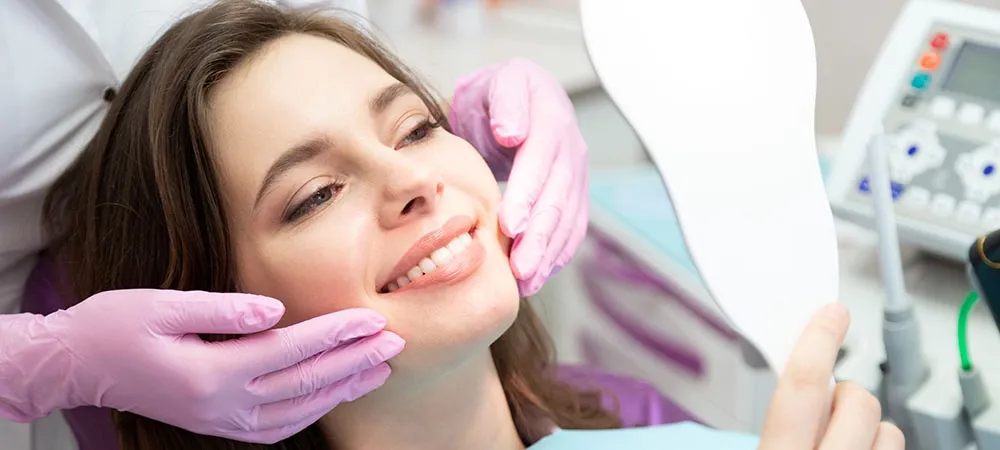
A bright, white smile can significantly boost your confidence and overall appearance. Teeth whitening surgery, a specialized field within cosmetic dentistry, offers a range of procedures designed to transform discolored or stained teeth into a radiant, attractive smile. This comprehensive guide delves into the intricacies of teeth whitening surgery, providing you with the knowledge you need to make informed decisions about achieving a brighter, more confident smile.
Understanding Teeth Whitening Surgery
Teeth whitening surgery encompasses various cosmetic dental procedures aimed at lightening the shade of your teeth. These procedures are designed to remove stains and discoloration caused by factors like aging, genetics, diet, and lifestyle choices. The underlying principle involves the use of bleaching agents to break down the stains and restore the natural whiteness of the enamel and dentin. It’s crucial to understand that the effectiveness and suitability of these procedures depend on individual factors, making professional consultation a critical first step.
What is Teeth Whitening Surgery
Teeth whitening surgery is a broad term covering several cosmetic dental treatments. The goal is to reduce or eliminate stains and discoloration from the teeth. It’s not always a surgical procedure in the traditional sense, but it often involves professional dental interventions. This can range from in-office bleaching treatments, performed by a dentist, to the provision of custom-made at-home whitening systems. The most common method involves the application of a bleaching agent, typically hydrogen peroxide or carbamide peroxide, to the teeth. The agent penetrates the enamel, breaking down the stain molecules and lightening the teeth.
Types of Teeth Whitening Procedures

There are several types of teeth whitening procedures available, each with its own benefits and considerations. In-office whitening involves a dentist applying a high-concentration bleaching agent to your teeth. This is often combined with a special light or laser to accelerate the whitening process. At-home whitening systems typically involve custom-fitted trays and a lower concentration of bleaching gel, worn for a specific duration each day or night. Over-the-counter whitening products, such as strips and toothpastes, are also available, offering a more gradual whitening effect. The choice of procedure depends on your individual needs, the severity of the stains, and your dentist’s recommendations.
Who is a Good Candidate for Teeth Whitening Surgery
Not everyone is an ideal candidate for teeth whitening surgery. Generally, good candidates have healthy teeth and gums, with stains or discoloration primarily on the enamel surface. Those with significant tooth decay, gum disease, or existing dental work (such as fillings or crowns) might need to address these issues before undergoing whitening. Individuals with extremely sensitive teeth may also need to consider alternative options or discuss strategies to minimize sensitivity. During a consultation, your dentist will evaluate your oral health and discuss your expectations to determine if teeth whitening is suitable for you.
Planning for Teeth Whitening Surgery
Planning for teeth whitening surgery involves careful consideration and professional guidance. It’s crucial to have realistic expectations about the results and to understand the potential limitations of the procedure. This phase includes a comprehensive consultation with your dentist, a thorough assessment of your oral health, and a discussion about the best whitening options for your specific needs. The goal is to create a personalized treatment plan that achieves the desired results while ensuring your oral health and comfort.
Consultation and Assessment

The initial consultation is a vital step. Your dentist will examine your teeth and gums, assess the type and severity of the stains, and discuss your goals. They will ask about your medical history, current medications, and any known sensitivities. This assessment helps determine if you are a suitable candidate and which whitening method is most appropriate. Digital imaging might be used to track the progress of the whitening, and your dentist may recommend a professional cleaning before the procedure to remove any surface stains and plaque.
Choosing the Right Procedure
The choice of whitening procedure depends on several factors. In-office whitening is ideal for those seeking immediate results, as it offers significant lightening in a single visit. At-home systems provide a more gradual approach, allowing for greater control and flexibility. Over-the-counter products can be a cost-effective option for minor discoloration. Your dentist will consider factors such as the severity of your stains, your sensitivity level, your budget, and your lifestyle when recommending the best procedure for you. They will also explain the benefits, risks, and potential side effects of each option.
The Teeth Whitening Surgery Procedure
The procedure for teeth whitening surgery varies depending on the chosen method. In-office whitening is performed by a dentist in a controlled environment, while at-home systems involve the patient applying the whitening agent. Regardless of the method, the goal is to safely and effectively lighten the teeth. The steps involved in each procedure, along with the care that must be taken, are crucial for achieving the best possible outcome and reducing risks.
In-Office Whitening

In-office whitening typically involves the following steps. First, your dentist will protect your gums and soft tissues with a protective barrier. Then, a high-concentration bleaching agent is applied to the surface of your teeth. Often, a special light or laser is used to activate the bleaching agent, accelerating the whitening process. The agent is usually left on the teeth for a specific amount of time, and the process may be repeated several times during the appointment. The results are often immediately noticeable, providing a significant boost in brightness. Your dentist will provide post-procedure instructions to help maintain the results and minimize any sensitivity.
At-Home Whitening Systems
At-home whitening systems typically involve custom-fitted trays and a lower concentration of bleaching gel. Your dentist will take impressions of your teeth to create these trays, ensuring a snug fit. You will then be instructed to fill the trays with the whitening gel and wear them for a specified amount of time each day or night, as prescribed by your dentist. The duration of treatment varies depending on the severity of the stains and the desired results. Regular follow-up appointments with your dentist will allow for monitoring of progress and addressing any concerns, such as increased sensitivity. This method offers convenience and flexibility, allowing you to whiten your teeth at your own pace.
Post-Surgery Care and Recovery
Post-surgery care is essential for successful results and a comfortable recovery. Following your dentist’s instructions carefully will help you minimize any discomfort and maintain your brighter smile. This includes managing potential side effects, such as increased sensitivity, and adhering to dietary restrictions to prevent staining. It’s also important to maintain good oral hygiene practices to ensure the longevity of the whitening results.
Managing Discomfort and Swelling

Some people experience temporary tooth sensitivity after teeth whitening. This is a common side effect and usually subsides within a few days. Your dentist may recommend using toothpaste for sensitive teeth or other desensitizing products to alleviate discomfort. Swelling is generally not an issue in teeth whitening procedures. However, any unusual symptoms should be reported to your dentist promptly. Over-the-counter pain relievers can also be used to manage any minor discomfort.
Dietary Restrictions and Oral Hygiene
To maintain your results, it is important to follow dietary restrictions. Avoid foods and drinks that can stain your teeth, such as coffee, tea, red wine, and heavily pigmented fruits and vegetables. Smoking should also be avoided, as it can cause staining. Maintain good oral hygiene by brushing your teeth twice a day with a whitening toothpaste, flossing daily, and visiting your dentist regularly for check-ups and cleanings. Using a straw for beverages can help to minimize contact with your teeth.
Expected Results and Long-Term Maintenance
The results of teeth whitening surgery can be dramatic, providing a significant improvement in the appearance of your smile. However, the longevity of these results depends on several factors, including your lifestyle choices and oral hygiene practices. Regular maintenance and professional check-ups are essential to ensure your bright smile lasts. Understanding what to expect and taking proactive steps to protect your investment will help you keep your smile dazzling for years to come.
How Long Does Teeth Whitening Last

The longevity of teeth whitening results varies depending on the procedure and individual habits. In-office whitening often provides immediate and noticeable results that can last for several months to a few years. At-home systems offer more gradual results that can last for a similar timeframe. Factors such as diet, oral hygiene, and smoking habits can affect how long your teeth remain white. With proper care and maintenance, you can extend the lifespan of your results.
Maintaining Your Bright Smile
Maintaining a bright smile involves several steps. Avoid staining foods and drinks as much as possible, and rinse your mouth with water after consuming them. Maintain good oral hygiene by brushing your teeth twice a day with a whitening toothpaste, flossing daily, and using a mouthwash. Consider touch-up treatments as recommended by your dentist to maintain the desired shade. Regular dental check-ups and cleanings are essential for removing surface stains and ensuring your oral health. Using a straw for dark-colored beverages can also help minimize staining.
Potential Risks and Complications
Although teeth whitening is generally safe, there are potential risks and complications. These are typically minor and temporary, but it’s important to be aware of them. Understanding the potential side effects and knowing when to seek professional help can ensure a positive experience. Discussing any concerns with your dentist before the procedure is always advisable.
Common Side Effects

The most common side effect of teeth whitening is temporary tooth sensitivity. This can manifest as a sharp, shooting pain when consuming hot or cold foods and beverages. Gum irritation is another possible side effect, which typically resolves within a few days. In rare cases, some people may experience mild discomfort in their jaws or throats. These side effects are usually mild and temporary, and your dentist can recommend strategies to manage them.
When to Seek Professional Help
Contact your dentist immediately if you experience severe or persistent pain, significant gum irritation, or any other unusual symptoms after teeth whitening. These could indicate an underlying issue that needs attention. It is also important to seek professional help if you are unhappy with the results or experience any changes in your oral health. Your dentist can evaluate the situation and provide appropriate treatment or guidance to address your concerns.
Teeth whitening surgery offers a viable solution for achieving a brighter, more confident smile. By understanding the different procedures, planning carefully, and following post-operative care instructions, you can achieve remarkable results. Always consult with a qualified dental professional to determine the best approach for your specific needs and expectations. With the right treatment and maintenance, a dazzling smile is within reach.