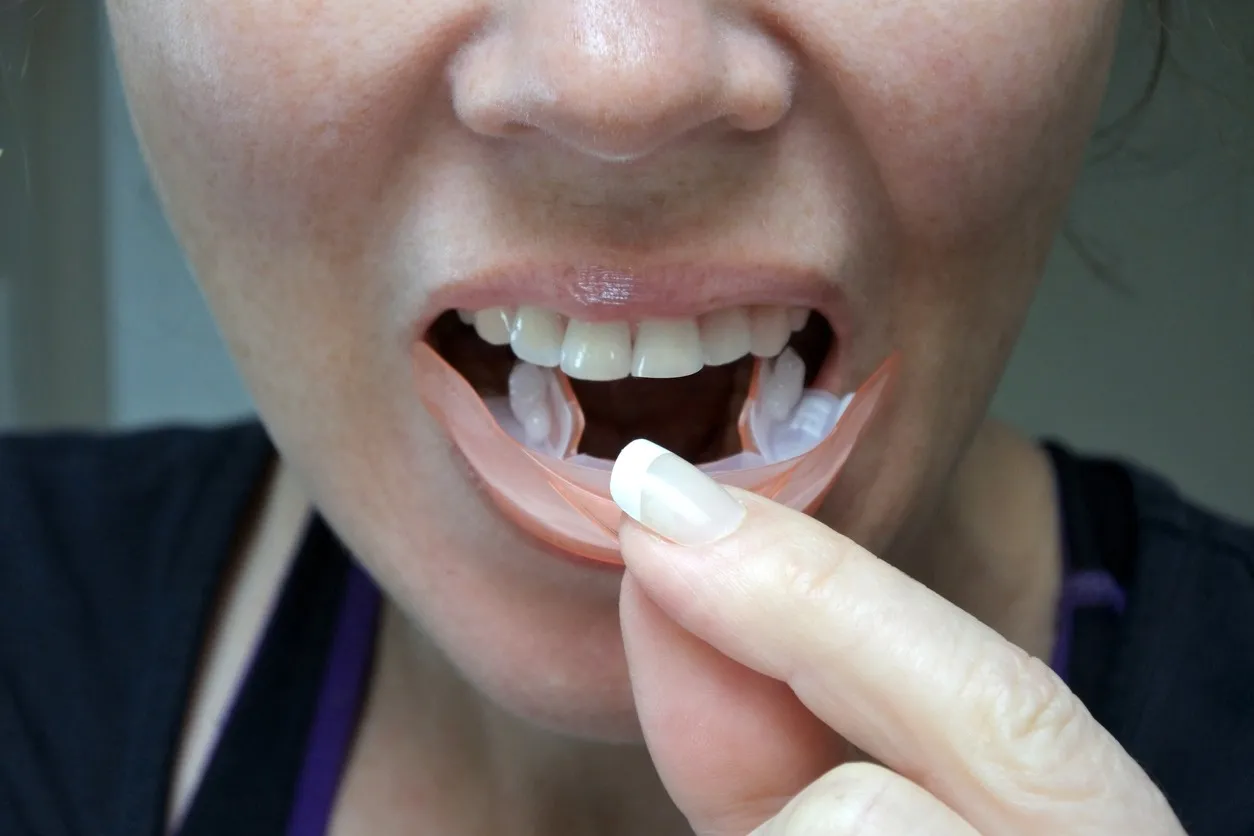
What are Teeth Whitening Strips
Teeth whitening strips have emerged as a popular over-the-counter solution for achieving a brighter smile. These thin, flexible strips are coated with a whitening agent, typically a peroxide-based compound, and designed to adhere to the surface of your teeth. The convenience and affordability of these strips have made them a go-to choice for individuals looking to enhance the appearance of their teeth. Understanding what these strips are, how they work, and their potential impact is crucial before incorporating them into your oral hygiene routine. This article dives deep into the safety aspects of teeth whitening strips to help you make informed decisions about your dental health.
How Teeth Whitening Strips Work
Teeth whitening strips utilize a chemical process to lighten the color of your teeth. The active ingredients, usually hydrogen peroxide or carbamide peroxide, penetrate the enamel and break down the stain molecules. These molecules are what cause discoloration. This process effectively reduces the appearance of stains from coffee, tea, tobacco, and other staining agents. The strips are designed to be applied directly to your teeth, ensuring the whitening agent makes contact with the stained surfaces. The length of time the strips are worn and the concentration of the whitening agent determine the degree of whitening achieved. It’s a relatively simple process, but understanding the ingredients and potential side effects is essential.
Key Ingredients and Their Effects

The effectiveness and safety of teeth whitening strips primarily depend on the active ingredients used. The two most common are hydrogen peroxide and carbamide peroxide. Both of these substances are oxidizing agents that help remove stains from the teeth. The concentration of these chemicals in the strips can vary, influencing both the speed and the intensity of the whitening process. Higher concentrations often lead to quicker results but can also increase the risk of side effects. It’s vital to know the role of these ingredients to properly assess the potential benefits and risks associated with teeth whitening strips.
Hydrogen Peroxide
Hydrogen peroxide is a powerful oxidizing agent and is often used in higher concentrations in professional whitening treatments. In teeth whitening strips, the concentration is typically lower to minimize the potential for side effects such as tooth sensitivity and gum irritation. It works by releasing oxygen, which penetrates the enamel and oxidizes the stain molecules. The result is a lighter, brighter smile. While effective, the use of hydrogen peroxide requires careful consideration of the concentration and duration of use to ensure safety.
Carbamide Peroxide
Carbamide peroxide is another common ingredient found in teeth whitening strips. It breaks down into hydrogen peroxide and urea. The release of hydrogen peroxide is slower compared to direct application, which may reduce the intensity of side effects. Carbamide peroxide is frequently used in over-the-counter whitening products due to its stability and controlled release of the active whitening agent. The concentration of carbamide peroxide also varies, affecting both the whitening results and the potential for adverse reactions. This makes it important to choose products from trusted brands and to follow the instructions for use carefully.
Potential Risks and Side Effects of Teeth Whitening Strips

While teeth whitening strips can be effective, they also come with potential risks and side effects. Understanding these potential adverse reactions is crucial for making an informed decision about whether or not to use these products. The most common side effects include tooth sensitivity and gum irritation. These effects are usually temporary and resolve once the treatment is stopped. However, in some cases, more severe complications can occur. Therefore, it’s essential to be aware of all potential risks and to take precautions to minimize them.
Tooth Sensitivity
Tooth sensitivity is a common side effect of teeth whitening, including the use of whitening strips. This can occur because the whitening agents penetrate the enamel, which can temporarily expose the underlying dentin. The dentin contains tiny tubules that lead to the nerve of the tooth, making teeth more sensitive to temperature changes and pressure. Sensitivity usually subsides after the whitening treatment is completed. You can reduce sensitivity by using toothpaste designed for sensitive teeth before, during, and after treatment, avoiding overly hot or cold foods and beverages, and consulting with a dentist if the sensitivity is severe or persistent.
Gum Irritation
Gum irritation is another potential side effect of using teeth whitening strips. This can occur if the whitening agent comes into contact with the gum tissue, leading to redness, swelling, and discomfort. This can happen if the strips do not fit properly or if they extend too far over the gum line. To prevent gum irritation, it is crucial to follow the instructions carefully, ensure the strips are applied correctly, and avoid over-whitening. If you experience significant gum irritation, it is essential to stop using the strips and consult with a dentist. Using strips correctly will help to limit contact with gums and reduce this risk.
Enamel Erosion

Enamel erosion is a more serious potential risk, particularly with overuse or misuse of teeth whitening strips. Excessive use or use of strips with very high concentrations of the whitening agent can lead to the erosion of the tooth enamel. Enamel is the protective outer layer of the tooth and is essential for protecting the underlying dentin. Erosion can make teeth more susceptible to decay and sensitivity and can result in permanent damage. Proper usage, including adherence to the recommended treatment duration and frequency, is essential to avoid enamel erosion. It is always best to consult a dentist to determine if you are a good candidate for teeth whitening strips and to get their professional advice.
Are Teeth Whitening Strips Safe for Everyone?
While teeth whitening strips are generally considered safe for many people, they are not suitable for everyone. Certain individuals may be at a higher risk of experiencing adverse effects or may not achieve the desired results. It’s essential to evaluate your oral health condition, consider any pre-existing dental issues, and be aware of your overall sensitivity levels. Understanding these factors will help you to make a safer and more effective choice. Consulting with a dentist is always recommended to assess your individual needs and to determine whether teeth whitening strips are an appropriate choice for you.
Safe Usage Guidelines
To use teeth whitening strips safely, following the manufacturer’s instructions carefully is paramount. Do not exceed the recommended duration of use or frequency. Always apply the strips correctly, ensuring they adhere to your teeth and avoid contact with your gums. If you experience any sensitivity or irritation, discontinue use immediately. It’s also important to store the strips properly, in a cool, dry place, and out of reach of children. The strips are only meant to be used on natural teeth and are not effective on dental work, such as crowns or veneers. Careful and consistent use will help to ensure your safety and maximize the effectiveness of the strips.
Consulting a Dentist

Before using teeth whitening strips, it is advisable to consult with your dentist. Your dentist can assess your oral health, identify any pre-existing conditions, and advise you on whether teeth whitening is a suitable option. They can also provide guidance on the best products for your specific needs and provide professional whitening treatments if necessary. If you have any dental work, such as fillings, crowns, or veneers, your dentist can inform you of how whitening strips may affect those. Regular dental check-ups can help to monitor the health of your teeth and gums and to prevent any potential complications from teeth whitening. Professional advice is essential to ensure your safety and to achieve the best results.
Top 5 Facts on Teeth Whitening Strips Safety
To summarize the key aspects of teeth whitening strip safety, here are the top 5 facts you should know. These facts will help you make informed decisions and use teeth whitening strips safely and effectively. Remembering these points will help to ensure a brighter smile without compromising your oral health.
Fact 1 Ingredient Concentrations
The concentration of the active ingredients (hydrogen peroxide or carbamide peroxide) in the strips affects both the effectiveness and the potential for side effects. Higher concentrations may provide quicker results, but they also increase the risk of tooth sensitivity and gum irritation. Always check the product label for ingredient concentrations and choose products with concentrations that are appropriate for your sensitivity levels. Starting with a lower concentration might be best, especially if you have sensitive teeth. Always follow the manufacturer’s recommendations regarding the duration of use and frequency to minimize the risk of adverse effects.
Fact 2 Duration of Use

Adhering to the recommended duration of use is critical for safety. Overuse can lead to increased sensitivity, gum irritation, and potentially enamel erosion. Do not exceed the recommended time specified by the manufacturer, and never leave the strips on for longer than directed. If you don’t see significant results within the recommended timeframe, it’s better to consult with a dentist rather than to continue using the strips for extended periods. Careful attention to the guidelines will help to maximize the benefits while minimizing the risks.
Fact 3 Pre-existing Dental Conditions
Individuals with pre-existing dental conditions, such as cavities, gum disease, or sensitive teeth, should consult their dentist before using teeth whitening strips. The whitening agents can exacerbate these conditions, leading to increased discomfort or potential complications. Your dentist can evaluate your oral health and advise whether teeth whitening is suitable or if alternative treatments are more appropriate. They can also provide treatment for any existing dental issues before you start whitening. Addressing any underlying dental problems is crucial for a safe and effective whitening experience.
Fact 4 Quality of Strips
The quality of the teeth whitening strips matters. Choose products from reputable brands with a history of safety and efficacy. Look for products that have been approved by dental professionals or organizations. Avoid using strips that are damaged or expired, as these might not be as effective and could pose safety risks. High-quality strips are made with materials that are safe and effective, with the correct concentration of active ingredients, and they are designed to fit properly and to minimize the risk of irritation. Researching brands and reading reviews can help you to make an informed decision.
Fact 5 Aftercare Practices

Proper aftercare practices can help to reduce sensitivity and to maintain the results of your teeth whitening treatment. After using the strips, rinse your mouth with water and brush your teeth gently with a soft-bristled brush. Avoid consuming foods and beverages that can stain your teeth, such as coffee, tea, red wine, and berries, immediately after treatment. Using a desensitizing toothpaste can help to reduce sensitivity. Maintaining good oral hygiene, including regular brushing, flossing, and dental check-ups, is essential for overall oral health and for maintaining the results of your teeth whitening efforts. Following these aftercare practices will help to extend the benefits of whitening strips and to protect the health of your teeth.