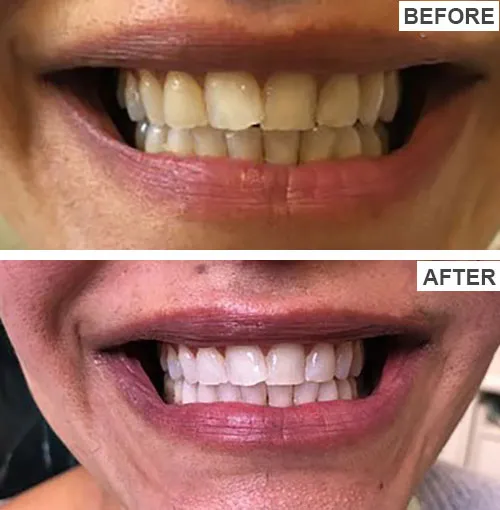
What to Expect from Teeth Whitening
Teeth whitening is a popular cosmetic procedure designed to brighten your smile and boost your confidence. However, understanding the process and setting realistic expectations are crucial for a satisfying outcome. This article delves into the various aspects of teeth whitening, from different methods and techniques to pre- and post-treatment care. Before you embark on your whitening journey, it is essential to know what you can realistically achieve. The degree of whitening varies from person to person and depends on several factors, including the type of stains, the chosen whitening method, and your natural tooth shade. While teeth whitening can significantly improve the appearance of your smile, it is important to note that it may not be a permanent solution, and maintenance is often required to sustain the results.
Understanding Different Teeth Whitening Methods
Various teeth whitening methods are available, each with its advantages, disadvantages, and suitability for different individuals. These methods range from professional treatments administered by dentists to over-the-counter products available at pharmacies and drugstores. The effectiveness and safety of each method can vary, making it essential to choose the right one for your specific needs and dental health. This section explores the different types of teeth whitening methods available, helping you make informed decisions about achieving a brighter, whiter smile. The options range from in-office procedures using high-concentration bleaching agents to at-home kits with varying levels of effectiveness. Each has a different process and mechanism to remove stains and discoloration from the teeth. Understanding the methods allows you to make the right choice to achieve the desired teeth whitening results.
Professional Teeth Whitening Techniques

Professional teeth whitening performed by a dentist offers the most effective and controlled results. Dentists have access to stronger bleaching agents and advanced techniques that can quickly and safely brighten your smile. These methods usually involve applying a high-concentration hydrogen peroxide or carbamide peroxide gel to the teeth, often combined with a special light or laser to accelerate the whitening process. Professional whitening is ideal for individuals looking for dramatic results in a short period. The dentist can also monitor your teeth throughout the procedure to prevent any adverse effects. The techniques are suitable for patients with stubborn stains, such as those caused by coffee, tea, or smoking. They are a safe and efficient way to achieve a significantly whiter and brighter smile. Consider the expertise and safety measures employed by dental professionals to ensure optimal results.
In-Office Whitening Procedures
In-office whitening, or chairside bleaching, is a popular and efficient method for quickly achieving a noticeably whiter smile. The procedure is performed in a dental office and typically takes about an hour. During the procedure, the dentist will protect your gums and apply a high-concentration bleaching agent to your teeth. A special light or laser may be used to enhance the whitening effect. This method provides immediate and dramatic teeth whitening results, making it an excellent option for those seeking a quick transformation. The entire process, from preparation to completion, is designed to be as comfortable and safe as possible. The immediate outcome makes it a convenient option for special events or to boost overall confidence. The professional setting ensures that the procedure is done with the utmost care and attention to detail. The images for this topic must be before and after images, for the best representation.
Take-Home Whitening Kits
Take-home whitening kits offer a convenient and cost-effective alternative to in-office treatments. These kits typically include custom-fitted trays and a lower-concentration bleaching gel. Your dentist will create these trays to ensure the bleaching agent evenly contacts your teeth. You wear the trays for a specified period daily, usually for several hours or overnight, over a few weeks. This method allows for gradual teeth whitening results, and the level of brightness can be controlled based on the treatment’s duration. Take-home kits are suitable for individuals who prefer a more gradual approach or are concerned about the sensitivity associated with higher-concentration treatments. They provide flexibility and convenience, enabling you to whiten your teeth on your schedule in the comfort of your home. Following the dentist’s instructions and maintaining regular check-ups are essential for achieving the best results and ensuring your oral health.
Over-the-Counter Options
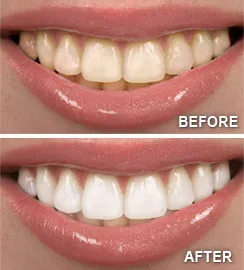
Over-the-counter (OTC) teeth whitening products, such as whitening strips, toothpastes, and mouthwashes, are readily available at most drugstores and supermarkets. These products offer a more affordable and accessible way to whiten your teeth. OTC products generally contain lower concentrations of bleaching agents, resulting in less dramatic results compared to professional treatments. Whitening strips are a popular option, as they are easy to use and apply directly to the teeth. Whitening toothpastes can help remove surface stains but are less effective at changing the intrinsic color of your teeth. While OTC products can improve the appearance of your smile, it is essential to manage expectations and use them as directed. Consider these products for mild discoloration or as a maintenance step after professional whitening treatments. Consult your dentist if you have concerns or experience any sensitivity while using OTC products.
Factors Influencing Teeth Whitening Results
Several factors can influence the effectiveness and longevity of teeth whitening treatments. Understanding these factors can help you make informed decisions and achieve the best possible results. Your natural tooth color is a critical factor. Teeth with a yellowish hue tend to whiten more easily than those with grayish shades. The type and severity of stains also play a significant role. Extrinsic stains, which affect the tooth’s surface, are generally easier to remove than intrinsic stains, which lie deeper within the tooth structure. The chosen whitening method and its strength will influence the final results. Following the instructions carefully and maintaining proper oral hygiene are important for the treatment. Maintaining healthy oral hygiene practices and avoiding stain-causing foods and drinks are also essential. By considering these factors, you can have realistic expectations and achieve a brighter smile.
The Importance of Pre-Whitening Preparations
Preparing your teeth before any whitening treatment is crucial for achieving the best results and minimizing potential side effects. Before undergoing teeth whitening, a dental examination and professional cleaning are recommended. This helps to remove plaque, tartar, and surface stains, allowing the whitening agent to penetrate the enamel more effectively. Addressing any existing dental issues, such as cavities or gum disease, before whitening is essential to prevent further complications. It also helps ensure that the whitening treatment is safe and effective. For instance, if you have sensitive teeth, your dentist may recommend a fluoride treatment or desensitizing toothpaste to minimize discomfort during the whitening process. The pre-whitening preparation steps are designed to optimize the whitening procedure and to ensure optimal teeth whitening results. This also increases the chances of achieving a radiant smile without adverse effects.
How to Choose the Right Whitening Method

Choosing the right teeth whitening method depends on your individual needs, preferences, and dental health. Consider several factors, including the degree of whitening desired, your budget, and your time constraints. In-office whitening is ideal if you want immediate results and are willing to invest more time. This method is performed under the supervision of a dentist, offering quick and dramatic results. If you prefer a more gradual approach and are looking for a cost-effective solution, take-home whitening kits are a viable option. These kits offer flexibility and allow you to whiten your teeth at your convenience. If you have mild staining or are on a budget, over-the-counter products, like whitening strips or toothpastes, may be sufficient. Before starting any whitening treatment, consult with your dentist to assess your oral health and determine the most suitable method. This ensures a safe and effective whitening experience tailored to your specific needs.
Optimizing Results After Teeth Whitening
Maximizing and maintaining your teeth whitening results requires diligent care and attention. Following your dentist’s aftercare instructions is crucial for ensuring the longevity of your brighter smile. This includes practicing good oral hygiene, avoiding foods and drinks that can stain your teeth, and attending regular dental check-ups. Minimizing or avoiding the consumption of stain-causing substances, such as coffee, tea, red wine, and tobacco, can help prevent discoloration. Using a whitening toothpaste or mouthwash can also help maintain the brightness of your teeth. Consider touch-up treatments or professional maintenance as recommended by your dentist to keep your teeth looking their best. Protecting your investment in a whiter smile by implementing effective aftercare strategies is essential.
Maintaining Your Bright Smile
Maintaining your bright smile involves a combination of good oral hygiene habits and mindful lifestyle choices. Brushing your teeth twice daily with a whitening toothpaste can help remove surface stains and prevent new ones from forming. Flossing daily is essential for removing plaque and food particles from between your teeth, where stains can accumulate. Regular dental check-ups and cleanings are important to keep your teeth healthy and clean. In addition to oral hygiene, your diet and lifestyle choices significantly impact your smile’s brightness. Avoiding or limiting your intake of stain-causing foods and drinks, such as coffee, tea, red wine, and dark-colored berries, can help prevent discoloration. Quitting smoking and tobacco use also helps maintain your teeth’s whiteness. By implementing these habits and lifestyle changes, you can enjoy a radiant smile for years.
Foods and Drinks to Avoid

Certain foods and drinks can stain your teeth and diminish the results of your whitening treatment. Identifying and limiting the consumption of these items is essential for maintaining your bright smile. Highly pigmented beverages, such as coffee, tea, red wine, and dark-colored juices, are notorious for staining teeth. Consuming these beverages can cause discoloration, especially during and immediately after whitening treatments. Foods with intense colors, like berries, soy sauce, and curries, can also contribute to staining. Avoiding or reducing your intake of these foods and drinks is recommended to prolong your teeth whitening results. Consider using a straw for drinks that can stain your teeth, which can help to minimize contact with your teeth. Rinsing your mouth with water after consuming staining foods or drinks can also help reduce discoloration. By being mindful of what you eat and drink, you can protect your investment in a whiter smile.
Oral Hygiene Practices for Long-Lasting Results
Maintaining excellent oral hygiene is essential for long-lasting teeth whitening results. Brushing your teeth twice a day with a whitening toothpaste is a fundamental part of your routine. Whitening toothpastes help remove surface stains and polish the teeth, contributing to a brighter smile. Flossing daily is equally important. It removes plaque and food particles from between your teeth, where stains can accumulate. In addition to brushing and flossing, using an antibacterial mouthwash can further enhance your oral hygiene. Mouthwash helps to reduce bacteria and freshen your breath. Regular dental check-ups and professional cleanings are vital for maintaining your oral health and teeth’s whiteness. During these visits, your dentist can remove any stubborn stains, monitor your oral health, and provide personalized advice. By following these hygiene practices consistently, you can keep your teeth white and healthy. The images for this topic must be before and after images, for the best representation.
Addressing Potential Side Effects
Teeth whitening treatments can sometimes cause side effects, with sensitivity and gum irritation being the most common. It is important to understand these potential issues and know how to manage them. Many people experience temporary tooth sensitivity during or after whitening. This can be caused by the bleaching agent’s penetration of the tooth enamel. Gum irritation, such as redness or inflammation, can also occur if the bleaching agent comes into contact with the gums. These side effects are usually mild and resolve soon after the treatment. If you experience sensitivity, using desensitizing toothpaste or fluoride treatments can help alleviate the discomfort. Avoiding overly hot or cold foods and drinks can also help. If you experience gum irritation, your dentist may recommend a special rinse or adjust the whitening procedure. Consulting with your dentist if you experience any side effects during the treatment is essential. By managing the side effects and following aftercare instructions, you can minimize discomfort and protect your oral health.
Sensitivity and Discomfort

Tooth sensitivity is a common side effect of teeth whitening, often described as a sharp, shooting pain when exposed to hot, cold, or sweet stimuli. This sensitivity occurs because the bleaching agents used in whitening can temporarily make the tooth enamel more porous. This allows the agents to reach the dentin, the layer beneath the enamel, which contains nerve endings. The level of sensitivity varies from person to person, depending on factors such as the concentration of the bleaching agent, the duration of the treatment, and the individual’s tooth sensitivity. Fortunately, most sensitivity is temporary and fades within a few days after the treatment. Using desensitizing toothpaste containing ingredients like potassium nitrate or fluoride can help reduce discomfort. Your dentist may also recommend fluoride treatments to strengthen the enamel and protect your teeth. If you experience significant sensitivity, discuss adjusting the whitening treatment or taking breaks to allow your teeth to recover.
Managing Gum Irritation
Gum irritation, another potential side effect of teeth whitening, can manifest as redness, swelling, or soreness of the gums. This irritation typically occurs when the bleaching agent comes into contact with the gum tissue during the treatment. The high concentration of the bleaching agent can cause a mild chemical burn. Proper application techniques by dental professionals, such as using protective barriers, help minimize the risk of gum irritation during in-office treatments. For take-home whitening kits, ensuring that the bleaching trays fit properly and do not overflow onto the gums is crucial. If you experience gum irritation, rinse your mouth thoroughly with water. Your dentist may recommend a soothing mouthwash or a special gel to alleviate the discomfort. In most cases, gum irritation is temporary and resolves within a few days. Consult your dentist if the irritation persists or worsens. They can assess the issue and provide appropriate treatment to ensure the health and comfort of your gums.
Realistic Expectations and Long-Term Maintenance
Setting realistic expectations is essential for a successful teeth whitening experience. The results of teeth whitening can vary depending on your natural tooth color, the type and severity of stains, and the chosen whitening method. While teeth whitening can significantly improve your smile’s appearance, it is important to understand that it is not a permanent solution. The results typically last from several months to a few years, depending on your oral hygiene habits and lifestyle choices. Long-term maintenance is necessary to sustain your whiter smile. This includes practicing good oral hygiene, avoiding stain-causing foods and drinks, and attending regular dental check-ups and cleanings. Your dentist may recommend touch-up treatments or professional maintenance to keep your teeth looking their best. By maintaining realistic expectations and following a consistent maintenance plan, you can enjoy a brighter smile for a long time. It is recommended to consult with a dentist before teeth whitening to determine whether the treatment is appropriate for you.