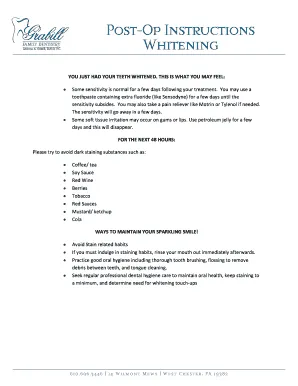
What to Expect After Teeth Whitening
Undergoing teeth whitening is a significant step toward enhancing your smile, but the journey doesn’t end when you leave the dentist’s chair or finish your at-home treatment. The post-operative phase, or post-op care, is crucial for ensuring optimal results and minimizing potential complications. Understanding what to anticipate during this period and diligently following post-whitening instructions will not only help you achieve a brighter smile but also extend the longevity of your whitening treatment. This guide provides comprehensive information on how to care for your teeth after whitening, covering everything from immediate steps to long-term maintenance.
Immediate Post-Whitening Care
Immediately following your teeth whitening procedure, your teeth and gums will be more susceptible. Proper care in the initial hours and days is critical. This involves being mindful of what you consume and how you maintain your oral hygiene. The first few hours are especially important, as the enamel pores are open, making your teeth more vulnerable to staining. Stick to a clear liquid diet immediately after treatment, gradually reintroducing other foods and drinks as directed by your dentist.
Manage Sensitivity

Teeth sensitivity is a common side effect of teeth whitening. It can range from mild discomfort to a more noticeable sensitivity to hot and cold temperatures. To manage sensitivity, your dentist may recommend using a desensitizing toothpaste containing ingredients such as potassium nitrate. Avoid extremely hot or cold foods and beverages. Over-the-counter pain relievers, such as ibuprofen or acetaminophen, can also help alleviate any discomfort. If sensitivity persists or becomes severe, consult your dentist.
Avoid Staining Foods and Drinks
One of the most important aspects of post-whitening care is avoiding foods and drinks that can stain your teeth. During the first 24 to 48 hours, the enamel pores are more open and prone to absorbing pigments. Therefore, you should strictly avoid deeply colored items. This includes coffee, tea, red wine, dark sodas, berries, and heavily pigmented sauces like soy sauce or tomato sauce. Stick to a diet of white or clear foods and drinks to minimize staining.
Oral Hygiene After Whitening
Maintaining excellent oral hygiene is paramount after teeth whitening to protect your results. This involves a gentle approach to brushing and flossing, along with the use of specific dental products recommended by your dentist. Regular and proper oral hygiene helps to remove plaque and debris, preventing stains and maintaining the brightness of your teeth.
Brushing and Flossing Guidelines

Brush your teeth gently with a soft-bristled toothbrush twice a day, or as directed by your dentist. Avoid vigorous scrubbing, which can irritate your gums. Floss once daily to remove plaque and food particles from between your teeth. Be careful not to floss too aggressively, especially if your gums are sensitive. Rinse your mouth with water after brushing and flossing to remove any lingering debris. Always use a gentle technique to avoid damaging your newly whitened teeth.
Using Whitening Toothpaste
Your dentist might recommend a whitening toothpaste to maintain your results. However, use these toothpastes with caution. Some whitening toothpastes contain abrasive particles that can potentially damage your enamel if used too frequently or aggressively. Follow your dentist’s instructions on the frequency and method of using a whitening toothpaste. Consider alternating between a whitening toothpaste and a fluoride toothpaste to strengthen your teeth.
Dietary Restrictions and Recommendations
Your diet plays a huge role in preserving your teeth whitening results. Be mindful of what you consume to avoid staining and maintain the brightness of your smile. The initial days are critical, but dietary choices continue to influence the long-term success of your whitening procedure.
Foods to Avoid

Certain foods are notorious for staining teeth. Minimize or avoid consuming these foods, especially in the first few weeks after whitening. These include berries (blueberries, blackberries, raspberries), dark sauces (soy sauce, balsamic vinegar, curry), and heavily pigmented fruits and vegetables. Be cautious about processed foods that contain artificial colorings.
Drinks to Avoid
Drinks pose a significant risk to your newly whitened teeth. Coffee, tea, red wine, and dark sodas are all major culprits when it comes to staining. Consider switching to clear alternatives, like water or herbal teas, if possible. If you can’t avoid these drinks completely, drink them through a straw to minimize contact with your teeth, and rinse your mouth with water immediately afterward.
Foods and Drinks to Enjoy
Fortunately, there are plenty of foods and drinks that won’t jeopardize your results. Consume white or lightly colored foods, such as plain pasta, white rice, chicken, fish, and dairy products like milk and yogurt. You can also enjoy clear beverages such as water and some herbal teas. These choices will help you maintain your bright smile while you enjoy your meals.
Maintain Your Results

Maintaining your teeth whitening results requires a combination of good oral hygiene, mindful dietary choices, and regular dental care. These practices will help keep your smile bright for the long term.
Regular Dental Check-ups
Schedule regular dental check-ups and cleanings every six months, or as recommended by your dentist. Professional cleanings can remove surface stains and plaque, helping to maintain the whiteness of your teeth. Your dentist can also evaluate the health of your teeth and gums, addressing any issues promptly. Regular check-ups are critical for long-term dental health and maintaining your bright smile.
Touch-Up Treatments
Over time, your teeth may gradually lose some of their brightness. To maintain your results, you may need touch-up treatments. These can be done at home with a whitening kit provided by your dentist, or you can schedule in-office treatments. The frequency of touch-ups will vary depending on your habits and the initial whitening procedure. Discuss a maintenance plan with your dentist to keep your smile looking its best.
Potential Complications and Solutions

While teeth whitening is generally a safe procedure, some potential complications can occur. Understanding these issues and knowing how to address them can help you manage any problems effectively and ensure a positive experience. Consult your dentist if you experience any persistent or concerning symptoms.
Sensitivity
Tooth sensitivity is one of the most common side effects of teeth whitening. This can range from mild discomfort to sharp, shooting pains. To manage sensitivity, use a desensitizing toothpaste before and after your whitening treatment. Avoid extremely hot or cold foods and drinks. Over-the-counter pain relievers can also provide relief. If sensitivity is severe or prolonged, consult your dentist, who may recommend additional treatments like fluoride varnish.
Gum Irritation
Gum irritation is another potential side effect of teeth whitening, often caused by the bleaching agent. Symptoms can include redness, swelling, and soreness. To alleviate gum irritation, avoid using excessive amounts of whitening products, and ensure that the trays fit properly to prevent the gel from contacting your gums. Rinse your mouth with water or a saltwater solution. If the irritation is severe, contact your dentist, who may recommend a topical anti-inflammatory medication.
Uneven Whitening

Sometimes, teeth may not whiten evenly, leading to an inconsistent appearance. This can be due to factors like variations in tooth enamel thickness or the presence of fillings or crowns that do not respond to the whitening treatment. If you notice uneven whitening, consult your dentist. They may recommend additional whitening sessions, adjust the whitening technique, or suggest alternative cosmetic procedures to achieve the desired results, such as veneers or bonding.
When to Contact Your Dentist
While most side effects of teeth whitening are temporary and manageable, it’s important to know when to seek professional help. Contact your dentist if you experience persistent or severe pain, significant gum irritation, or any other unusual symptoms. Additionally, if you are not satisfied with the results or notice uneven whitening, it’s essential to schedule a consultation. Your dentist can assess the situation, provide appropriate treatment, and ensure your overall dental health.
In conclusion, following teeth whitening post-op instructions is critical for achieving the best possible results and maintaining a bright, healthy smile. By understanding what to expect, practicing good oral hygiene, and making mindful dietary choices, you can ensure a positive experience and enjoy your beautifully whitened teeth for years to come. Remember, regular check-ups with your dentist are also essential for long-term maintenance and addressing any potential issues. Embrace these guidelines, and your stunning, radiant smile will be the ultimate reward.