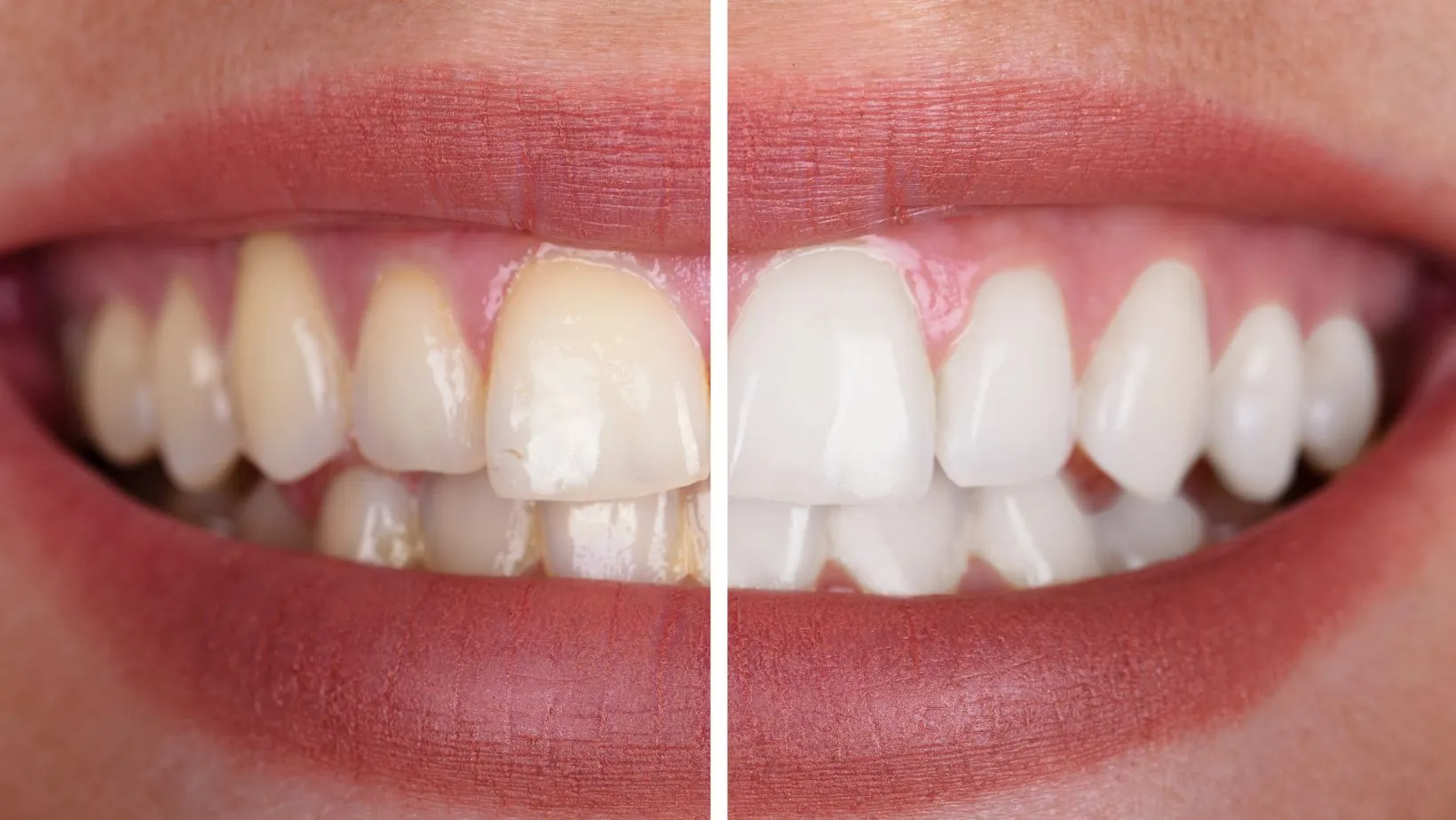
What Causes Teeth Whitening Pain?
Teeth whitening, a popular cosmetic procedure, can sometimes lead to discomfort. Understanding the causes of teeth whitening pain after treatment is the first step in managing it effectively. This pain, often described as sensitivity or a sharp, shooting sensation, can range from mild to quite intense. It’s important to know why it happens to take the appropriate steps for relief and ensure a positive experience. The most common reasons include the ingredients used in whitening products interacting with your teeth and gums. Additionally, pre-existing conditions can also contribute to heightened sensitivity. Knowing these factors will help you make informed decisions about your teeth whitening journey, allowing you to achieve a brighter smile with minimal discomfort.
Sensitivity to Whitening Agents
The primary culprit behind teeth whitening pain is often the whitening agents themselves, most commonly hydrogen peroxide or carbamide peroxide. These chemicals work by breaking down the stains on your teeth, but they can also penetrate the enamel and reach the dentin, the layer beneath the enamel that contains the tubules leading to the tooth’s nerve. This penetration can irritate the nerves, leading to the characteristic sensitivity or pain. The concentration of the whitening agent plays a significant role; higher concentrations often lead to more intense pain. This is why professional treatments, which use stronger formulas, can sometimes cause more discomfort than over-the-counter products. However, the resulting brightness is also better.
Gum Irritation

Another common cause is gum irritation. During the whitening process, the bleaching agents can come into contact with the soft tissues of your gums. This contact can cause inflammation and irritation, leading to tenderness and pain. This is particularly true if the whitening product is not applied correctly, if the trays used for at-home treatments don’t fit well, or if the product is used excessively. Over-the-counter whitening strips can also cause this, especially if the strips are applied to the gums rather than just the teeth. Proper application and choosing a product with a lower concentration of the active ingredient can help minimize this side effect and reduce the risk of gum pain. Additionally, using a protective barrier or having a professional treatment can help to minimize contact and irritation.
Existing Dental Issues
If you have any existing dental issues, such as cavities, receding gums, or cracked teeth, you may experience more significant pain after teeth whitening. These pre-existing conditions can expose the dentin or the tooth’s nerve, making them more susceptible to the whitening agent’s effects. Cavities, in particular, create direct pathways for the chemicals to reach the nerve. Receding gums expose the root surfaces of your teeth, which are naturally more sensitive than the enamel-covered crowns. Therefore, it’s crucial to address any dental problems before undergoing teeth whitening. A dentist can identify and treat these issues, ensuring a smoother and less painful whitening experience. Regular dental check-ups are essential for maintaining good oral health and preventing complications.
How Long Does Teeth Whitening Pain Last?
The duration of teeth whitening pain can vary significantly from person to person. Several factors influence how long the discomfort lasts, including the intensity of the whitening treatment, the individual’s sensitivity level, and the presence of any pre-existing dental conditions. It’s essential to understand that the pain is usually temporary, but the length of time it persists can impact your daily life. Being aware of the typical timeframe and the factors that affect it can help you manage your expectations and prepare accordingly. In most cases, the pain subsides within a few days, but it’s essential to seek professional advice if the discomfort lasts longer or becomes severe.
Factors Influencing Pain Duration
Several elements affect the duration of teeth whitening pain. The concentration of the whitening agent is a key factor; stronger treatments often lead to more intense and longer-lasting sensitivity. The method of whitening, whether it’s a professional in-office procedure or an at-home kit, also plays a role. Professional treatments typically use higher concentrations and can sometimes result in more immediate discomfort. Your existing oral health condition is another major factor. As mentioned before, if you have any dental issues like cavities or gum recession, you might experience heightened and prolonged sensitivity. Individual tooth sensitivity levels, influenced by factors like genetics and lifestyle habits, also influence how your teeth react to the treatment.
Immediate Pain
Immediate pain typically occurs during or shortly after the whitening procedure. This type of pain is often a sharp, shooting sensation, and it’s usually brief. It’s a direct result of the whitening agent’s interaction with the tooth’s nerves. With professional treatments, this immediate discomfort might be more pronounced due to the higher concentration of the whitening agent. However, this type of pain often subsides within a few hours. Taking precautions like using a desensitizing toothpaste a few weeks before the treatment can help mitigate immediate pain. Avoiding extremely hot or cold foods and beverages for a short while after the treatment can also help reduce discomfort.
Delayed Pain
Delayed pain, on the other hand, can appear several hours or even days after the whitening treatment. This type of pain is often characterized by a dull ache or lingering sensitivity. It’s often caused by inflammation in the tooth’s nerves and surrounding tissues. This can be triggered by several factors, including the continued exposure of the teeth to the whitening agent and the irritation of the gums. Delayed pain can last for a few days, usually resolving within a week. The severity of delayed pain can also be influenced by the type of whitening treatment used and individual sensitivity levels. In most cases, it’s a temporary side effect, but consult your dentist if the pain persists or becomes unbearable.
Top 5 Ways to Reduce Teeth Whitening Pain

While teeth whitening pain is common, there are effective ways to manage and reduce the discomfort. Implementing these strategies can help you enjoy a brighter smile with minimal suffering. From simple home remedies to professional treatments, a combination of these approaches can significantly improve your experience. Whether you’re planning to whiten your teeth or have already undergone the procedure, these tips can provide much-needed relief. The goal is to minimize the sensitivity and ensure that the teeth whitening process is as comfortable as possible. These techniques can be adopted proactively to minimize pain or reactively to provide relief once pain is present.
Use Sensitive Toothpaste
One of the most readily available solutions is using a toothpaste specifically designed for sensitive teeth. These toothpastes contain ingredients like potassium nitrate, which help block the nerve signals that cause sensitivity. Begin using sensitive toothpaste a few weeks before your whitening treatment to allow it to build up in your teeth. After the whitening process, continue using it to maintain the effect. Apply a small amount of toothpaste to the affected area and gently brush your teeth. Avoid brushing too hard, as this can exacerbate the sensitivity. Consistent use of sensitive toothpaste can significantly reduce discomfort and make your teeth less reactive to hot and cold foods and beverages.
Avoid Whitening Treatments
If you are experiencing significant pain, the most immediate step is to stop or postpone the whitening treatment. This can include ceasing the use of at-home whitening kits or rescheduling your appointment with your dentist. Continuing the treatment while experiencing intense pain could worsen the sensitivity and prolong the recovery period. Give your teeth a chance to recover and the nerves to calm down. When you resume whitening, consider using a lower concentration of the whitening agent or reducing the frequency of the treatments. Consulting with your dentist before you resume the whitening process can help you to understand the best course of action for your situation.
Over-the-Counter Pain Relief

Over-the-counter pain relievers, such as ibuprofen or acetaminophen, can provide temporary relief from teeth whitening pain. Follow the dosage instructions on the packaging. These medications can help reduce inflammation and numb the discomfort. However, these are short-term solutions and are not a substitute for addressing the root causes of the pain. Avoid taking more than the recommended dose, and consult your doctor if you have any underlying health conditions. If the pain is severe or does not improve, consult your dentist, as it might indicate a more serious issue that requires professional intervention.
Fluoride Treatments
Fluoride treatments can help strengthen tooth enamel and reduce sensitivity. Your dentist can provide professional fluoride treatments or prescribe a high-fluoride toothpaste. Fluoride helps to remineralize the enamel, making your teeth less porous and less susceptible to sensitivity. This treatment can be particularly beneficial after teeth whitening when the enamel may be temporarily more vulnerable. In-office fluoride treatments are usually more concentrated and can provide faster relief. These can be applied directly to the teeth or used in custom trays. Consistent use of fluoride treatments, both at home and in the dental office, can significantly reduce your sensitivity to hot and cold.
Consult Your Dentist
If you’re experiencing persistent or severe pain, the most important step is to consult your dentist. They can assess the cause of the pain and recommend appropriate treatments. Your dentist might suggest alternative whitening methods, such as professional in-office treatments, which can be customized to minimize sensitivity. They may also perform a fluoride treatment or prescribe desensitizing agents to apply to your teeth. During your appointment, your dentist will examine your teeth for any underlying dental issues that might be contributing to the pain, like cavities. Early intervention and personalized care can prevent the condition from worsening and ensure your oral health. Your dentist can offer tailored advice and ensure the teeth whitening is done in the safest way possible.
When to See a Dentist for Teeth Whitening Pain?

Knowing when to seek professional help is essential when experiencing teeth whitening pain. While some discomfort is expected, it’s important to recognize when the pain is a sign of a more serious issue that requires a dentist’s attention. Acting early can prevent potential complications and ensure proper treatment. Don’t hesitate to reach out to your dentist, especially if the pain does not subside or worsens, or if you notice other symptoms. Your dentist can provide a thorough examination and determine the best course of action to relieve your pain and protect your teeth. Prioritizing dental health can lead to a brighter smile with minimal discomfort.
Severe or Persistent Pain
If you experience severe pain or if the pain persists for more than a few days, it’s time to consult your dentist. This pain may be a sign of underlying dental issues, such as cavities, cracks, or other problems. The severity of the pain can be subjective, but if it is significantly affecting your daily activities, it is important to seek professional advice. Persistent pain suggests that the problem is not resolving on its own. Your dentist can conduct a comprehensive examination and determine the cause of the pain, providing the appropriate treatment. Early intervention can prevent more serious complications and get you back on the path to a healthy smile.
Signs of Infection
If you experience any signs of infection, such as swelling, redness, or pus, you should see your dentist immediately. Infection can be a serious complication, and it requires prompt treatment with antibiotics or other interventions. Other symptoms can include fever and bad breath. The infection may be related to underlying dental issues that the whitening treatment exacerbated, or it could be caused by bacteria introduced during the process. Don’t delay seeking professional care if you think you have an infection. Your dentist will be able to diagnose the issue and provide the necessary treatment to prevent further health problems.
Changes in Bite or Jaw

Changes in your bite or jaw function after teeth whitening may also indicate a problem. If you experience any difficulty chewing, pain in your jaw, or changes in the way your teeth fit together, consult your dentist. These symptoms could indicate TMJ issues or other dental problems that need immediate attention. Whitening treatments should not affect your bite or jaw function. If they do, it is important to see a dentist immediately. Your dentist can examine your teeth and jaw and diagnose the cause of the problem. Early intervention can prevent further complications and restore normal function.