Can Teeth Whitening Whiten Fillings?
The desire for a brighter, whiter smile is a common one, and teeth whitening has become a popular cosmetic procedure. However, if you have dental fillings, you might be wondering whether teeth whitening will also brighten those. The short answer is no teeth whitening products will not whiten fillings. This is a crucial fact to understand before you embark on any teeth whitening journey, as it can significantly impact your expectations and the results you ultimately achieve. Fillings, unlike natural tooth enamel, are made of different materials that do not respond to the bleaching agents found in teeth whitening products. This article will delve into the specifics of why this is the case and what options you have to achieve a consistent, bright smile.
Understanding Fillings and Their Material
Dental fillings are used to repair teeth damaged by decay, cracks, or fractures. They serve a critical function in restoring the tooth’s structure and preventing further damage. The materials used in fillings vary, but they all share the common characteristic of being non-porous and not susceptible to the same chemical reactions as natural tooth enamel. The material of the filling dictates how it interacts with whitening agents. It’s important to understand the different types of fillings and their properties to manage expectations regarding whitening treatments. Knowing what your fillings are made of is the first step toward understanding how they will react to any whitening procedure.
Types of Fillings and Their Composition

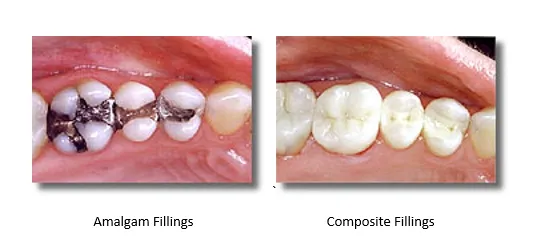
Several types of materials are used for dental fillings, each with its unique properties. The most common include composite resin, amalgam (silver fillings), and glass ionomer. Composite resin fillings are tooth-colored and are made from a mixture of plastic and glass. Amalgam fillings are made from a mixture of metals, including silver, tin, copper, and mercury. Glass ionomer fillings are made from a combination of glass powder and acrylic acid. The composition of each type of filling determines its response to teeth whitening. Composite resin, while appearing similar to enamel, still lacks the ability to be whitened by the same means. Amalgam fillings will never change color with whitening, and glass ionomer, though sometimes used in areas less visible, is also resistant to whitening agents.
How Teeth Whitening Works
Teeth whitening treatments use bleaching agents, such as hydrogen peroxide or carbamide peroxide, to break down stains and discoloration within the enamel. These agents penetrate the porous structure of the enamel, oxidizing the stain molecules and making them less visible. Over-the-counter whitening products typically contain lower concentrations of these agents, leading to gradual results. Professional whitening treatments use higher concentrations and can produce more dramatic results in a shorter time. The process is effective for natural tooth enamel because the bleaching agents can seep into the enamel’s pores and react with the staining compounds. However, the same process does not work on filling materials.
The Science Behind Teeth Whitening
The science of teeth whitening relies on the chemical reaction between the bleaching agent and the organic compounds within the tooth enamel that cause discoloration. The active ingredient, usually peroxide, releases oxygen molecules that break the bonds of the stain molecules. This process alters the structure of the stains, making them reflect less light and appear less visible, thereby whitening the teeth. Fillings, on the other hand, are made from materials that lack this organic composition or the porous structure necessary for the whitening agents to work. This fundamental difference in composition explains why teeth whitening does not affect fillings.
Why Fillings Don’t Whiten

The primary reason fillings don’t whiten is due to their composition and structure. Unlike tooth enamel, which is porous and allows whitening agents to penetrate and react with stain molecules, fillings are made of materials that are non-porous and chemically inert to bleaching agents. This means that the whitening agents cannot effectively interact with the filling material to lighten its color. Additionally, the materials used in fillings do not contain the organic compounds that react with the whitening agents, rendering the process ineffective. This lack of response is a key factor in understanding the limitations of teeth whitening procedures when fillings are present.
Fact 1 Whitening Only Works on Natural Tooth Enamel
Teeth whitening treatments are specifically designed to work on the natural enamel of your teeth. The active ingredients in the whitening products, such as hydrogen peroxide or carbamide peroxide, are formulated to penetrate the porous structure of the enamel. This penetration allows the bleaching agents to break down the stain molecules embedded within the enamel. The chemical reaction that occurs is unique to enamel, and this process does not occur with filling materials. Therefore, when you whiten your teeth, the fillings will remain the same color while your natural teeth become whiter, potentially creating a mismatch.
Fact 2 Fillings Are Made of Different Materials
Fillings are made from materials that are designed to be durable and resistant to staining, unlike natural tooth enamel. The most common types of fillings include composite resin, amalgam, and glass ionomer. Composite resin fillings are tooth-colored and are made from a mixture of plastic and glass. Amalgam fillings are made from a mixture of metals, and glass ionomer fillings are made from glass powder and acrylic acid. These materials do not have the same porous structure as enamel, and therefore, the whitening agents cannot penetrate and react with them. The materials used in fillings are designed to be non-reactive, meaning they do not undergo the same chemical reactions as enamel when exposed to whitening agents.
Fact 3 Whitening Agents Cannot Penetrate Fillings

The effectiveness of teeth whitening relies on the ability of the bleaching agents to penetrate the tooth’s surface and interact with stain molecules. Fillings, by their nature, are made of materials that do not allow for this penetration. The structure of fillings is dense and non-porous, unlike the enamel. This density prevents the whitening agents from entering and initiating the chemical reactions necessary for whitening. As a result, the filling material remains unaffected, while the surrounding enamel is whitened, potentially creating a noticeable contrast between the filling and the natural tooth structure.
Fact 4 Fillings May Appear Discolored
While the fillings themselves will not whiten, the contrast between the whitened enamel and the original color of the filling can make the filling appear more discolored. As your natural teeth become whiter, the fillings, remaining unchanged, may look darker or more noticeable than before. This is particularly true if you have composite resin fillings that were matched to the original shade of your teeth. The difference in color can become more apparent, potentially leading to an uneven appearance in your smile. Therefore, it’s important to consider the impact on your fillings before undergoing teeth whitening treatments.
Fact 5 Alternatives to Whiten Fillings
If you’re concerned about the appearance of your fillings after teeth whitening, there are alternative solutions to consider. One option is to replace the existing fillings with new ones that match the new, whiter shade of your teeth. This can be done by your dentist, who can ensure that the new fillings blend seamlessly with your newly whitened smile. Other cosmetic procedures, such as porcelain veneers or dental bonding, can also be used to cover the fillings and provide a more uniform and brighter appearance. Consulting with your dentist is essential to determine the best course of action based on your specific needs and aesthetic goals.
Maintaining Your Smile with Fillings

Maintaining good oral hygiene is crucial for the longevity of your fillings and the health of your teeth. Brushing twice a day with fluoride toothpaste helps to remove plaque and food particles, which can cause decay and staining. Flossing daily is essential to remove debris from between your teeth and around your fillings, where a toothbrush can’t reach. Regular dental check-ups and cleanings are also vital to monitor the condition of your fillings and address any potential issues early on. Following these practices will help to keep your teeth healthy, your fillings in good shape, and your smile bright.
Proper Oral Hygiene Practices
Proper oral hygiene is critical for maintaining the health of your teeth and the longevity of your fillings. Brushing your teeth at least twice a day for two minutes each time is a fundamental practice. Use fluoride toothpaste to strengthen the enamel and help prevent cavities. Flossing daily is also essential to remove plaque and food particles from between your teeth and along the gumline, where a toothbrush cannot reach. Consider using an antibacterial mouthwash to further reduce the buildup of bacteria. Consistent and effective oral hygiene is key to preserving your fillings and ensuring a healthy, attractive smile.
Regular Dental Check-ups
Regular dental check-ups and professional cleanings are essential for maintaining oral health and ensuring the longevity of your fillings. During these visits, your dentist can check for any signs of decay, cracks, or damage to your fillings. They can also clean your teeth thoroughly, removing plaque and tartar that can contribute to staining and cavities. Your dentist can also advise you on the best oral hygiene practices and recommend any necessary treatments or adjustments. Regular check-ups are a proactive way to protect your teeth and fillings, helping you maintain a healthy and beautiful smile for years to come.