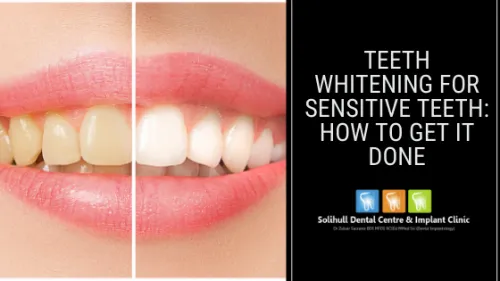
Teeth whitening has become increasingly popular, promising a brighter, more confident smile. However, a common concern that often arises is the potential for increased tooth sensitivity. This article delves into the reasons behind this sensitivity, providing insights into its causes, management, and what you should know to make informed decisions about your teeth whitening journey. Understanding the science behind the process and the factors involved can help you achieve a dazzling smile while minimizing any discomfort.
Why Does Teeth Whitening Cause Sensitivity
Teeth whitening treatments work by using bleaching agents, typically hydrogen peroxide or carbamide peroxide, to penetrate the enamel and break down the stain molecules. This process can sometimes lead to sensitivity. The active ingredients in whitening products can pass through the enamel and dentin, reaching the nerve of the tooth. This interaction is what often causes the short-term sensitivity that many people experience. The degree of sensitivity varies from person to person and depends on the concentration of the whitening agent, the duration of the treatment, and individual factors such as the existing condition of your teeth.
The Science Behind Tooth Sensitivity
Tooth sensitivity occurs because the enamel, the outer protective layer of the tooth, can become temporarily porous during the whitening process. This porosity allows the bleaching agents to reach the nerves within the tooth, causing irritation. The dentin, which lies beneath the enamel, contains tiny tubules that lead to the tooth’s nerve. When these tubules are exposed or irritated, it can amplify sensitivity. This is why people with thinner enamel or those with existing dental issues are more prone to experiencing sensitivity. Understanding this mechanism helps in addressing the issue effectively.
How Whitening Agents Affect Enamel

Whitening agents, such as hydrogen peroxide and carbamide peroxide, are designed to break down the stain molecules embedded in the enamel. However, in doing so, they can also affect the enamel’s structure, making it more permeable. This increased permeability allows the whitening agents to penetrate deeper into the tooth, leading to greater potential for irritation of the nerve. The concentration of the whitening agent plays a significant role in the degree of sensitivity; higher concentrations often lead to more pronounced sensitivity, highlighting the importance of choosing appropriate products and following professional guidance to minimize adverse effects and maintain enamel health during whitening.
Common Whitening Ingredients and Their Impact
The most common active ingredients in teeth whitening products are hydrogen peroxide and carbamide peroxide. Hydrogen peroxide is a stronger bleaching agent and is often used in professional treatments, which can lead to a higher incidence of sensitivity if not carefully monitored. Carbamide peroxide breaks down into hydrogen peroxide, providing a slightly milder action, often used in at-home kits. Other ingredients, such as potassium nitrate, are sometimes added to help reduce sensitivity. The concentration of these ingredients, along with the duration of their application, impacts the level of sensitivity experienced. Always read the product labels and understand the potential effects of each ingredient.
Top 5 Facts About Teeth Whitening and Sensitivity
Fact 1 Whitening Products Can Cause Sensitivity

The most common side effect of teeth whitening is tooth sensitivity. The active ingredients in these products can irritate the nerves within the teeth, leading to temporary discomfort. This sensitivity can range from mild to moderate and usually resolves within a few days after the treatment is stopped. Different people have different levels of sensitivity, so experiences vary, but the potential for this side effect is a well-known aspect of the whitening process. Therefore, managing expectations and understanding how to mitigate sensitivity is vital before starting.
Fact 2 Certain Ingredients Increase Sensitivity
The concentration and type of whitening agent used can significantly influence the degree of sensitivity. Higher concentrations of hydrogen peroxide, a common bleaching agent, are more likely to cause sensitivity compared to lower concentrations or carbamide peroxide, which releases hydrogen peroxide over time. Products with abrasive ingredients may also contribute to increased sensitivity by wearing down the enamel. Always check the product ingredients and consult a dentist to ensure the chosen product is appropriate for your oral health conditions to reduce sensitivity.
Fact 3 Sensitivity is Usually Temporary
In most cases, the sensitivity caused by teeth whitening is temporary, typically lasting from a few days to a couple of weeks after the treatment is completed. The sensitivity occurs as a result of the temporary disruption of the enamel’s structure. As the enamel remineralizes and the tooth recovers, the sensitivity subsides. If the sensitivity persists for an extended period or becomes severe, it is essential to consult a dentist to rule out other underlying issues and receive appropriate care and recommendations.
Fact 4 Existing Dental Issues Can Worsen Sensitivity

Individuals with pre-existing dental conditions, such as cavities, gum recession, or cracked teeth, are more prone to experiencing heightened sensitivity during teeth whitening. These conditions can expose the dentin, making the teeth more vulnerable to the whitening agents. It’s crucial to address any dental issues before whitening to minimize discomfort. A dentist can assess your oral health and recommend the best course of action. This may include treating cavities or other underlying conditions before proceeding with the whitening treatment.
Fact 5 Professional Whitening vs. Home Kits
Professional teeth whitening performed by a dentist often uses higher concentrations of whitening agents, which can lead to faster and more dramatic results but may also increase the likelihood of sensitivity. Dentists can also take measures to protect the gums and reduce sensitivity, such as applying fluoride treatments. Home whitening kits typically use lower concentrations of the bleaching agent and are less likely to cause intense sensitivity. Consulting with your dentist is essential to determine which approach is best suited for your needs and to get recommendations for managing potential sensitivity based on your oral health.
How to Manage and Minimize Sensitivity
Choosing the Right Whitening Product

When selecting a teeth whitening product, consider your sensitivity level and dental health. If you have sensitive teeth, opt for products with lower concentrations of hydrogen peroxide or carbamide peroxide. Over-the-counter whitening strips and gels often contain lower concentrations. Custom-fitted trays provided by your dentist can offer better control over the whitening agent and reduce gum irritation. Always read the product instructions carefully and follow them to minimize sensitivity. If unsure, consult your dentist to discuss the best and most suitable option for you.
Using Desensitizing Toothpaste
Desensitizing toothpastes, containing ingredients like potassium nitrate or stannous fluoride, can help block the nerve pathways and reduce sensitivity. Begin using these toothpastes a couple of weeks before starting your whitening treatment. Continue using them throughout the whitening process and for several weeks afterward. This helps to build up a protective barrier. Apply a small amount of the toothpaste directly to the sensitive areas. Using a soft-bristled toothbrush also helps reduce irritation. Regular use can significantly decrease the sensitivity experienced during and after whitening.
Maintaining Good Oral Hygiene
Practicing good oral hygiene is crucial for both preventing and managing tooth sensitivity. Brush your teeth gently with a soft-bristled toothbrush, especially after whitening. Avoid brushing too aggressively, which can wear down the enamel. Floss daily to remove plaque and debris. Using a fluoride mouthwash can help strengthen enamel and reduce sensitivity. Regular dental check-ups and cleanings are essential. They help address any existing dental issues, and your dentist can also provide personalized advice on managing and preventing tooth sensitivity.
When to Consult a Dentist

If you experience severe or prolonged sensitivity, consult your dentist. They can assess your oral health, identify underlying causes of the sensitivity, and recommend appropriate treatments. Persistent sensitivity may indicate a more serious issue, such as a cavity or gum disease. Your dentist can also offer professional whitening options with measures to minimize sensitivity, like fluoride treatments or desensitizing agents. Don’t hesitate to seek professional advice if your sensitivity is affecting your comfort or daily life.
The Benefits of Teeth Whitening vs. Sensitivity
Understanding the Aesthetics of Whitening
Teeth whitening offers significant cosmetic benefits, including improved self-esteem and a more youthful appearance. A brighter smile can boost your confidence and make you more likely to smile, which has several positive effects on your well-being. However, it is important to weigh these benefits against the potential for tooth sensitivity. Consider your personal priorities and expectations. If you have significantly stained teeth, teeth whitening is a great option to improve the appearance of your smile. It is also essential to discuss your concerns with your dentist. They can help you make informed decisions based on your oral health.
Long-Term Oral Health

Maintaining good oral health is crucial to prevent sensitivity. Proper oral hygiene, regular dental check-ups, and avoiding excessive consumption of acidic foods and drinks can help protect your enamel. Choose gentle whitening methods and follow all instructions to minimize the risk of sensitivity. By considering these aspects, you can successfully whiten your teeth without compromising your overall oral health. Remember to consult your dentist for any concerns and prioritize your long-term dental wellness.
In conclusion, while teeth whitening can lead to temporary sensitivity, understanding the causes, taking preventative measures, and seeking professional advice can help you achieve a brighter smile with minimal discomfort. By making informed choices and practicing good oral hygiene, you can effectively manage any sensitivity and enjoy the aesthetic benefits of teeth whitening.