What Affects Teeth Whitening Duration?
Teeth whitening is a popular cosmetic dental procedure that can dramatically enhance your smile. However, many people wonder how long these dazzling results will last. The longevity of teeth whitening varies significantly depending on a variety of factors. Understanding these elements is crucial to setting realistic expectations and maintaining your brighter smile. Several key elements play a role in determining how long your teeth stay white. These include the type of whitening treatment you choose, your initial tooth shade, your lifestyle choices, and the oral hygiene practices you follow. By taking these factors into account, you can optimize the lifespan of your teeth whitening and enjoy a confident, radiant smile for longer. It’s also important to remember that teeth whitening is not a permanent solution, and periodic touch-ups or maintenance may be necessary to sustain the desired results.
The Type of Whitening Treatment
The method of teeth whitening you select significantly influences how long the results will last. Professional whitening treatments, performed by a dentist, and at-home whitening kits are two common approaches. Each of these methods has its own set of advantages and characteristics that affect the longevity of the whitening effect. The intensity of the whitening process, the concentration of the bleaching agent, and the application method all contribute to the final outcome. Typically, professional treatments offer more potent results but may also require a higher initial investment. At-home kits provide a more cost-effective alternative but may require more time to achieve comparable results.
In-Office Whitening

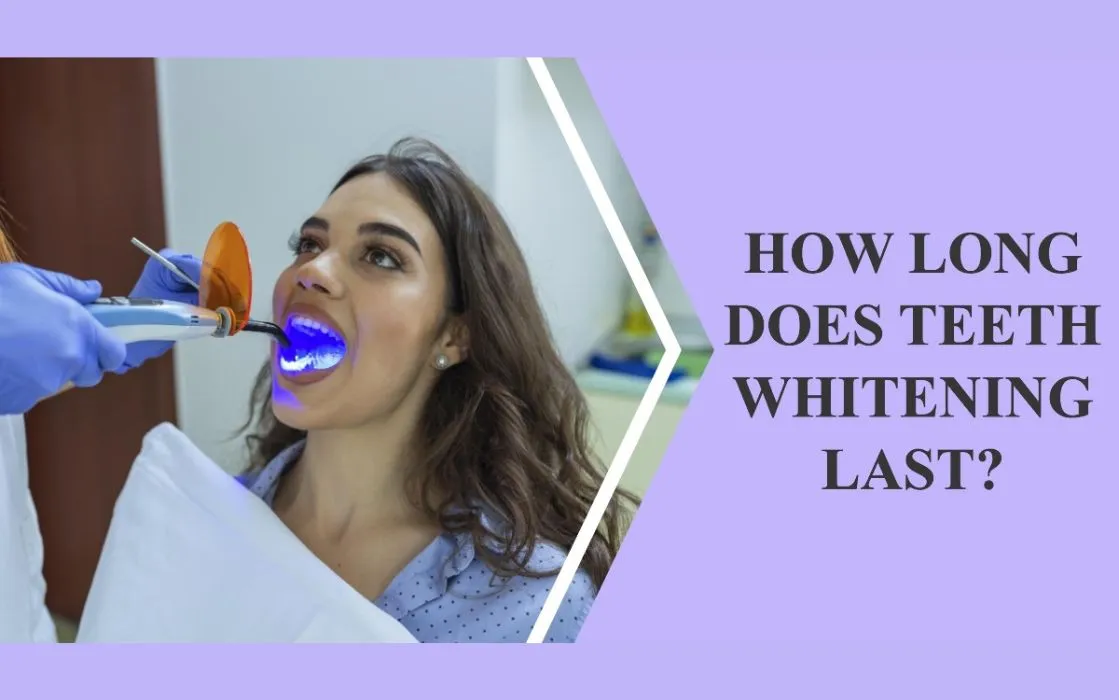
In-office whitening, often referred to as professional whitening, usually involves a dentist applying a high-concentration bleaching agent to your teeth. This treatment is typically done in a single appointment, with results visible immediately. The dentist may also use a special light to accelerate the whitening process. Due to the stronger bleaching agents and professional application, in-office whitening often yields dramatic results. The effects can last anywhere from one to three years, depending on aftercare and lifestyle. The procedure’s effectiveness and longevity are due to the dentist’s control over the process and the ability to use stronger bleaching agents. However, this method can be more expensive than at-home alternatives.
At-Home Whitening Kits
At-home whitening kits, on the other hand, offer a more gradual approach. These kits usually contain custom-fitted trays or strips with a lower concentration of bleaching agent. You typically wear the trays for a specified time each day or night for several weeks. The results are generally less dramatic than in-office treatments but can still be effective. The whitening effect from at-home kits generally lasts from six months to two years. This duration is largely dependent on how consistently you use the kit and the measures you take to maintain your white smile. Regular maintenance, combined with adherence to the kit’s instructions, will help extend the longevity of your results. These kits are often more affordable, making them a popular choice for many individuals.
The Initial Shade of Your Teeth
The starting color of your teeth plays a crucial role in how long your whitening results will last. People with teeth that are significantly stained or discolored, or those with darker natural shades, may experience a shorter duration of whiteness compared to those with less staining or lighter teeth. The bleaching agents used in whitening treatments work by breaking down the stains and discoloration that have accumulated on your enamel. Severely stained teeth often require more intensive treatment to achieve noticeable results, which in turn can lead to a shorter lifespan for the whitening effect. The initial shade also influences the final results. While the whitening treatments are effective, the natural shade of your teeth limits how white they can become. Realistic expectations are important to manage, as some teeth may not become exceptionally white regardless of the whitening method.
Teeth Whitening Results and Expectations

Understanding what to expect from teeth whitening is crucial. It is essential to remember that teeth whitening is not a one-time fix. The effects are temporary, and the longevity of your results depends on various factors that you can control. It is helpful to discuss your expectations with your dentist before starting any whitening treatment. They can provide a realistic assessment of the results based on your teeth’s initial condition, the chosen treatment, and your lifestyle. Being aware of potential limitations and the need for maintenance will help you manage your expectations. This will also help you remain satisfied with the outcome and continue to enjoy your brighter smile for as long as possible.
Lifestyle Choices and Their Impact
Your daily habits and lifestyle choices have a significant impact on how long your teeth whitening lasts. Certain habits can accelerate the re-staining of your teeth, thereby reducing the duration of your bright smile. Being mindful of these factors can help you take steps to prolong the whitening results. Avoiding or moderating the consumption of staining foods and beverages, as well as maintaining good oral hygiene, are vital for maintaining your teeth’s whiteness. Understanding the impact of your lifestyle on your results empowers you to make informed decisions that will ensure your smile remains brighter for a longer time. By paying attention to these factors, you can extend the life of your whitening investment.
Dietary Habits
The food and drinks you consume significantly affect the duration of your teeth whitening results. Certain foods and beverages contain strong pigments that can stain your teeth, gradually diminishing their brightness. Avoiding or limiting the consumption of these items can extend the life of your whitening treatment. Common culprits include coffee, tea, red wine, dark juices, and deeply colored foods like berries and soy sauce. If you enjoy these items, try to consume them in moderation and follow up with brushing your teeth or rinsing your mouth with water. Being mindful of your dietary habits and their impact on your smile is essential for maintaining the whitening effect.
Smoking and Tobacco Use

Smoking and using tobacco products are detrimental to the longevity of your teeth whitening. Tobacco contains nicotine and tar, which are notorious for causing severe tooth discoloration and staining. The chemicals in tobacco stain your teeth, turning them yellow or brown, and can rapidly reverse the effects of teeth whitening treatments. Quitting smoking or avoiding tobacco use is one of the best things you can do to preserve your white smile. These products not only undermine your whitening efforts but also pose serious risks to your oral and overall health. Taking steps to quit smoking will significantly benefit your smile and overall well-being.
Oral Hygiene Practices
Maintaining excellent oral hygiene is crucial for extending the life of your teeth whitening. Brushing and flossing regularly remove surface stains and prevent the buildup of plaque, which can contribute to discoloration. Additionally, regular dental check-ups and cleanings help remove stubborn stains that brushing alone cannot eliminate. A consistent oral hygiene routine not only maintains your white smile but also promotes overall dental health. By adopting a proactive approach to oral care, you protect your investment in teeth whitening and keep your smile looking its best. Regular brushing and flossing, along with professional cleanings, are key to long-lasting results.
Brushing and Flossing
Brushing your teeth twice daily and flossing at least once a day is a fundamental part of good oral hygiene, and it plays a critical role in prolonging the effects of teeth whitening. Brushing removes surface stains caused by food, beverages, and other substances. Flossing helps remove plaque and debris from between your teeth, where a toothbrush cannot reach. This practice prevents the build-up of stains and keeps your teeth looking brighter for longer. Using a whitening toothpaste can enhance the results, although it should not replace professional treatments. Consistent brushing and flossing is the foundation of maintaining your pearly white smile.
Regular Dental Check-ups and Maintenance

Regular dental check-ups and professional cleanings are essential for maintaining your teeth whitening results. During a check-up, your dentist can assess your teeth and gums, identify any potential issues, and provide advice on maintaining your oral health. Professional cleanings remove plaque and tartar buildup, which can cause staining and discoloration. Your dentist may also recommend touch-up whitening treatments to refresh your smile periodically. Attending regular appointments allows you to address any issues early and ensure your teeth remain white and healthy. This proactive approach is critical for extending the life of your whitening treatment and achieving the best possible results.
Prolonging Your Whitening Results
Taking specific steps can significantly prolong the life of your teeth whitening results. This involves making informed choices about the products you use and the maintenance treatments you consider. Utilizing whitening toothpaste and mouthwash, as well as undergoing occasional touch-up treatments, are practical strategies for extending the brightness of your smile. Consistent maintenance and adherence to these methods will ensure your teeth remain white for a more extended period. Incorporating these strategies into your daily routine will help you maximize the benefits of your whitening treatment.
Using Whitening Toothpaste and Mouthwash
Using whitening toothpaste and mouthwash can help maintain your teeth’s brightness. Whitening toothpastes typically contain mild abrasives and polishing agents that gently remove surface stains. Whitening mouthwashes often contain ingredients that help to prevent new stains from forming. While these products are not a substitute for professional teeth whitening, they can be effective as part of a comprehensive oral hygiene routine. The key is to choose products with fluoride to protect your teeth from decay. Using these products consistently can make a noticeable difference in keeping your smile white. Combining them with a balanced diet and regular brushing helps keep your teeth looking their best.
Touch-up Treatments

Touch-up treatments are a practical way to extend the effects of your teeth whitening. These can involve at-home whitening kits or professional treatments performed by your dentist. If you use at-home kits, touch-ups involve using the trays or strips for a few days or weeks. Professional touch-ups typically involve a shorter, less intense whitening session at your dentist’s office. The frequency of touch-ups depends on how quickly your teeth re-stain and your lifestyle. Touch-up treatments help you maintain the desired level of whiteness, keeping your smile bright and confident. Consult with your dentist to determine the most suitable approach for your needs and to create a maintenance plan that is tailored to you.
Maintaining Your White Smile
Maintaining a white smile requires a commitment to consistent oral hygiene practices and smart lifestyle choices. This includes regular brushing and flossing, choosing a diet that minimizes staining foods and beverages, and avoiding tobacco use. Scheduling regular dental check-ups and professional cleanings is equally important, along with using whitening toothpaste and mouthwash. Following these guidelines will help you extend the life of your teeth whitening and keep your smile bright and healthy. By adopting these practices, you can enjoy the benefits of your treatment for a longer time. A proactive approach to oral care will not only maintain your white smile but also promote overall dental health and boost your confidence.