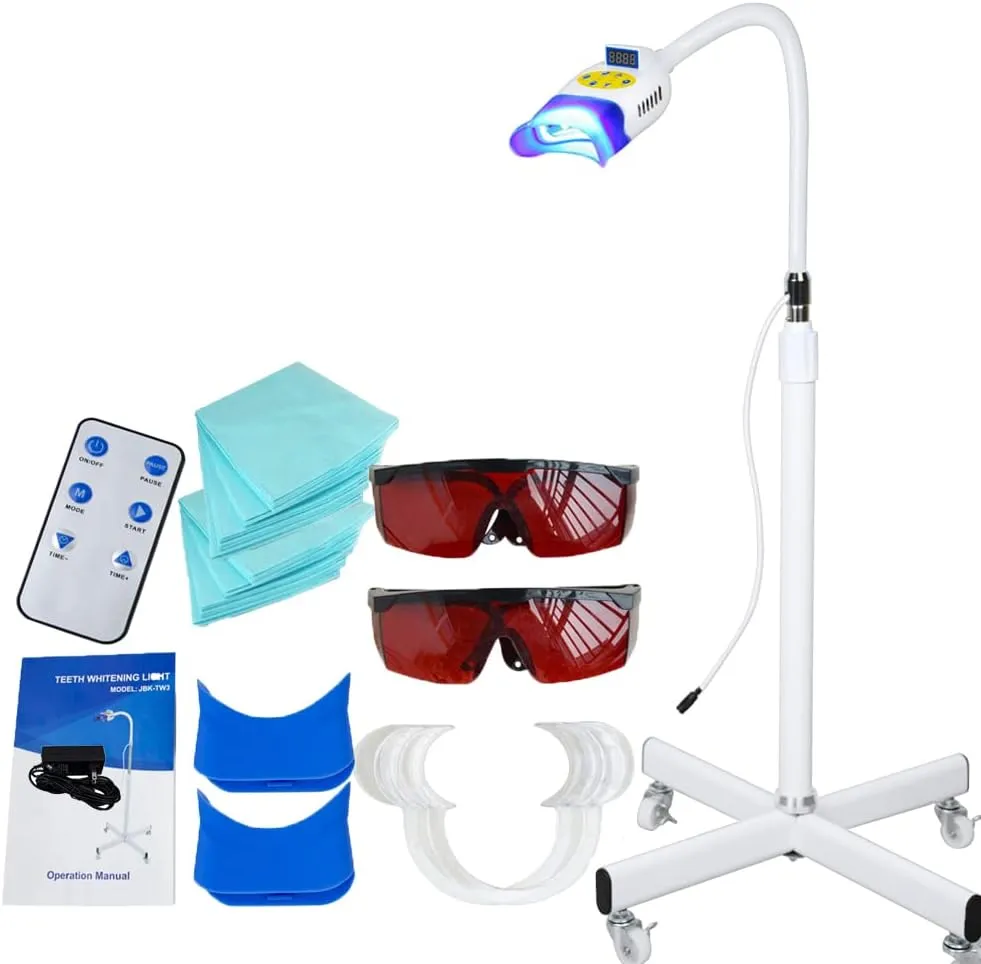
What is a Teeth Whitening Lamp?
A teeth whitening lamp is a device designed to accelerate the teeth whitening process. These lamps, often used in conjunction with a whitening gel, emit specific wavelengths of light to activate the bleaching agents in the gel, leading to quicker and more effective stain removal. They are popular in both professional dental settings and at-home teeth whitening kits. The technology enhances the penetration of the whitening solution, providing a brighter smile faster than traditional methods. Different types of lamps use varying light sources, each with its own set of advantages and considerations. Whether it is used in a dental office or at home, the main goal remains the same: to lighten the color of your teeth and enhance your smile.
How Does a Teeth Whitening Lamp Work
The process involves a chemical reaction where the whitening gel, typically containing hydrogen peroxide or carbamide peroxide, breaks down stains on the tooth enamel. The light from the lamp acts as a catalyst, speeding up this process. When the light shines on the teeth, it increases the temperature of the whitening gel, boosting its efficacy. This accelerated action helps to lift the discoloration embedded in the teeth. The lamp enhances the effectiveness of the whitening agents, resulting in a more dramatic and faster whitening effect. The combination of the lamp and whitening gel offers a potent solution to combat stains and discoloration, leaving teeth looking significantly brighter.
The Science Behind Teeth Whitening Lamps

The efficacy of teeth whitening lamps lies in the science of photochemistry. The light emitted by these lamps, usually in the blue spectrum, interacts with the whitening agents, mainly hydrogen peroxide. This interaction initiates a redox reaction, breaking down the chromogens (color-causing molecules) within the enamel. The specific wavelengths of light emitted are crucial as they are absorbed by the whitening gel, leading to the generation of free radicals. These free radicals then oxidize the stain molecules, breaking them down and making them less visible. The process effectively lightens the appearance of the teeth by removing the accumulated stains and discolorations. This scientific principle underscores the effectiveness of teeth whitening lamps in achieving a brighter, whiter smile.
Types of Teeth Whitening Lamps
Various technologies power teeth whitening lamps, each utilizing a different light source to enhance the whitening process. These light sources vary in their intensity and wavelengths, each offering unique benefits. The common types include LED, laser, and UV lamps. These lamps, used in conjunction with whitening gels, expedite the breakdown of stains on teeth. Understanding the differences between these lamp types helps individuals select the most suitable option for their teeth whitening requirements. The choice often depends on factors such as the desired speed of whitening, sensitivity of teeth, and the treatment setting.
LED Lamps
LED (Light Emitting Diode) lamps are a popular choice due to their safety, efficiency, and effectiveness. They emit blue light, which activates the whitening gel without producing excessive heat. This makes them gentler on the teeth and gums, reducing the risk of sensitivity. LED lamps are widely used in both professional dental practices and at-home kits. Their ability to deliver consistent, focused light makes them ideal for achieving a brighter smile quickly and safely. The LED technology also ensures a longer lifespan and lower energy consumption, making them a cost-effective option.
Laser Lamps

Laser lamps are commonly used in professional dental settings for their intensity and precision. These lamps emit highly focused beams of light, which can rapidly activate the whitening agents. The concentrated light allows for quicker whitening results compared to other methods. Laser treatments are typically performed under the supervision of a dentist, ensuring safety and effectiveness. While they can deliver dramatic results, they may also cause greater sensitivity due to the intensity of the light. The dentist can control the intensity and duration of the laser exposure, adjusting the treatment based on the patient’s needs and sensitivity levels.
UV Lamps
UV (Ultraviolet) lamps were used in the past for teeth whitening, but their use has declined due to safety concerns. UV light emits high-energy radiation, which can potentially cause damage to soft tissues and increase the risk of skin cancer. The potential risks associated with UV exposure have led to the preference for safer alternatives such as LED and laser lamps. Although they can effectively whiten teeth, the safety risks make UV lamps less desirable for teeth whitening. Today, safer and more advanced technologies are preferred to minimize potential harm to the patient.
Benefits of Using a Teeth Whitening Lamp
Using a teeth whitening lamp offers several advantages, making it a popular choice for people seeking a brighter smile. The primary benefit is the accelerated whitening process, allowing users to achieve noticeable results in a shorter period. Compared to whitening strips or trays alone, the lamp enhances the efficacy of the whitening gel, breaking down stains more quickly. This can boost the user’s confidence. The convenience of at-home kits provides flexibility. With a teeth whitening lamp, you can achieve professional-quality results without frequent visits to the dentist, making it a time-saving and efficient option. The enhanced whitening effect can significantly improve a person’s self-esteem and overall appearance, giving them a more radiant smile.
Professional Teeth Whitening vs. At-Home Kits

Professional teeth whitening, performed by a dentist, usually involves stronger bleaching agents and more intensive light exposure, leading to faster and more dramatic results. These treatments are typically more expensive but offer the advantage of professional supervision and tailored care. At-home kits, often including a teeth whitening lamp, provide a convenient, cost-effective alternative. These kits use lower concentrations of whitening agents, making them safer for unsupervised use. Home kits provide convenience and flexibility, allowing users to whiten their teeth at their own pace. The choice depends on individual needs, budget, and the desired level of whitening. Both options have their advantages, but it is essential to weigh the pros and cons carefully to select the best fit for your needs.
Choosing the Right Teeth Whitening Lamp for You
Selecting the right teeth whitening lamp involves considering several key factors to ensure the best results and safety. First, assess your teeth’s sensitivity and any existing dental work. Sensitive teeth might require a gentler approach, such as using an LED lamp with a lower intensity setting. Consider the type of stains you want to remove. Certain stains respond better to specific types of whitening treatments. If you are concerned about the intensity, start with an at-home kit for your first try. Consider factors such as the price of the lamp, the availability of replacement parts, and whether the kit includes all necessary components. It is essential to read reviews and understand the product’s specifications before making a purchase to guarantee the best results.
Factors to Consider When Purchasing
When buying a teeth whitening lamp, several factors should guide your decision. The type of light source is important; LED lamps are generally safer and more user-friendly, while laser lamps offer faster results. Pay attention to the light intensity settings, as adjustable settings allow for customized treatments and can accommodate sensitivity. Consider the ease of use and whether the lamp is compatible with whitening gels you may prefer to use. Also, read about the safety certifications to make sure the product is compliant with health standards. Price is another key factor, with costs varying significantly between different models and brands. Research user reviews to gain insights into the product’s effectiveness and reliability before committing to a purchase.
Safety Precautions When Using a Teeth Whitening Lamp

Prioritizing safety is essential when using a teeth whitening lamp. Always follow the manufacturer’s instructions carefully. If you have any pre-existing dental issues, such as cavities or gum disease, consult your dentist before starting treatment. Use protective eyewear to shield your eyes from the bright light emitted by the lamp. Be cautious not to overuse the lamp, as excessive exposure can lead to tooth sensitivity or other issues. Avoid swallowing the whitening gel. If irritation occurs, stop using the product immediately and consult a dentist. When you adhere to safety guidelines, you can enhance the brightness of your smile. Proper usage ensures both effective results and the ongoing health of your teeth.
How to Use a Teeth Whitening Lamp Effectively
To effectively use a teeth whitening lamp, start by brushing your teeth thoroughly to remove surface debris. Apply the whitening gel evenly to your teeth, ensuring full coverage. Place the lamp in the recommended position, usually close to your teeth without touching them. Turn on the lamp, and follow the treatment duration suggested by the manufacturer. Once the treatment is complete, remove the lamp and rinse your mouth thoroughly. Avoid eating or drinking staining foods and beverages for at least an hour after treatment. For best results, incorporate the process consistently into your routine. If you follow these instructions, you can maximize the whitening effects.
Step-by-Step Guide
Begin with brushing your teeth thoroughly. Apply the whitening gel uniformly to the surfaces of your teeth. Position the teeth whitening lamp according to the manufacturer’s directions, and turn it on for the time specified. After the treatment duration is complete, remove the lamp and rinse your mouth with water. It is critical to follow these steps exactly to achieve a brighter, more attractive smile.
Post-Treatment Care

After using a teeth whitening lamp, take appropriate steps to maintain and enhance your results. For several hours following the treatment, avoid foods and drinks that can stain your teeth, such as coffee, tea, red wine, and dark-colored berries. Rinse your mouth with water after meals to remove any food particles that could contribute to staining. Regularly brush your teeth with a whitening toothpaste to maintain the brightness. Schedule regular dental check-ups and cleanings to keep your smile healthy. By adhering to these aftercare tips, you can prolong the benefits of your teeth whitening treatment and enjoy a brighter, more confident smile.
Maintaining Your Brighter Smile
Maintaining your newly whitened smile requires consistent care and attention. Regularly brush your teeth twice a day with a whitening toothpaste that helps remove surface stains. Floss daily to remove plaque and food particles between your teeth, preventing discoloration. Minimize consumption of staining foods and beverages like coffee, tea, and red wine. If you do consume these, rinse your mouth with water immediately afterward. Consider using a straw for beverages to reduce contact with your teeth. Schedule regular dental check-ups and cleanings to maintain the health and brightness of your teeth. Following these habits will help to preserve your brighter smile for a longer time.
Common Mistakes to Avoid
Several common mistakes can undermine the effectiveness of teeth whitening lamps. Overusing the lamp or exceeding the recommended treatment duration can lead to increased tooth sensitivity or damage. Failing to consult with a dentist before using the lamp, especially if you have existing dental issues, can worsen the problems. Not following the manufacturer’s instructions can result in poor results and potential safety risks. Using the lamp with expired or incompatible whitening gels may be ineffective. Also, neglecting post-treatment care, such as consuming staining foods and beverages, can quickly undo the whitening effects. Avoid these common errors to maximize the benefits of the teeth whitening lamp and keep your smile bright and healthy.
Teeth Whitening Lamp FAQs

Are teeth whitening lamps safe?
When used correctly, teeth whitening lamps, particularly LED lamps, are generally safe. Always follow the manufacturer’s instructions and use protective eyewear to minimize any potential risks. Overuse or improper application can lead to temporary tooth sensitivity or gum irritation. Consulting with a dentist before using the lamp is essential, particularly if you have existing dental conditions.
How long do the results last?
The longevity of teeth whitening results varies depending on several factors, including lifestyle habits, diet, and oral hygiene. On average, results can last from several months to a few years. Consuming staining foods and beverages, smoking, or not maintaining proper oral hygiene can shorten the duration of the whitening effect. Following aftercare instructions, such as regular brushing with whitening toothpaste and avoiding staining substances, will help maintain your brighter smile for a longer time.
Can anyone use a teeth whitening lamp?
While teeth whitening lamps are generally safe for many people, they may not be suitable for everyone. Individuals with sensitive teeth, gum disease, or existing dental work should consult with their dentist before using a whitening lamp. Pregnant or breastfeeding women should also seek professional advice. Teeth whitening lamps are most effective on natural teeth; they do not whiten crowns, veneers, or fillings. Consulting a dentist is always recommended to determine the most appropriate treatment option for your specific needs and oral health.