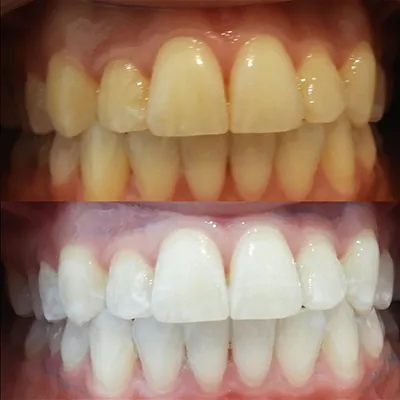
Understanding Teeth Whitening
Teeth whitening, also known as tooth bleaching, is a popular cosmetic dental procedure designed to lighten the shade of your teeth and remove stains and discoloration. It’s a minimally invasive treatment that can significantly enhance your smile, boosting your confidence and overall appearance. The process involves using whitening agents to break down stain molecules within the tooth enamel, resulting in a brighter, more radiant smile. Various methods are available, ranging from over-the-counter products to professional treatments, each with its own advantages and considerations. Understanding the different options and the underlying causes of tooth discoloration is crucial for making informed decisions about the best approach for your specific needs.
What Causes Tooth Discoloration
Tooth discoloration can stem from a variety of factors, impacting the natural brightness of your teeth. These factors can be broadly categorized into two main types of stains: surface stains and intrinsic stains. Surface stains affect the enamel’s outer layer, while intrinsic stains are within the tooth’s structure. Recognizing the origin of the discoloration helps determine the most effective whitening method. Dietary habits, lifestyle choices, and aging all contribute to the accumulation of stains. Addressing the underlying causes of discoloration can also help in preventing future staining and maintaining a long-lasting bright smile.
Surface Stains

Surface stains, also known as extrinsic stains, are those that develop on the surface of the tooth enamel. They are often caused by the consumption of certain foods and beverages that contain chromogens, which are color-producing substances. Common culprits include coffee, tea, red wine, and dark-colored sodas. Smoking and chewing tobacco also contribute significantly to surface staining. These stains are typically easier to remove with over-the-counter whitening products or professional cleaning and whitening treatments. Consistent oral hygiene practices, such as brushing and flossing, can help to prevent the buildup of surface stains.
Intrinsic Stains
Intrinsic stains originate from within the tooth structure, deep within the enamel and dentin. These stains can be more challenging to treat than surface stains. Several factors contribute to intrinsic staining. Certain medications, such as tetracycline antibiotics taken during tooth development, can cause discoloration. Excessive fluoride exposure during childhood can also lead to fluorosis, which manifests as white or brown spots on the teeth. Trauma to a tooth can damage the internal tissues, causing the tooth to darken. Aging also plays a role as the enamel thins over time, allowing the yellowish dentin beneath to show through. Intrinsic stains may require more intensive whitening procedures or other cosmetic dental treatments.
Teeth Whitening Options
A wide array of teeth whitening options are available, catering to different needs and preferences. These options range from over-the-counter products that you can use at home to professional treatments performed by a dentist. Each method uses different whitening agents, primarily hydrogen peroxide or carbamide peroxide, to break down stain molecules. The choice of whitening method depends on factors such as the severity of the staining, your budget, and your desired level of whitening. Understanding the different options available is essential for making an informed decision and achieving the best possible results. Always consult with a dental professional to determine the most appropriate option for your specific situation.
Whitening Toothpastes

Whitening toothpastes are a convenient and accessible option for those looking to brighten their teeth. They typically contain mild abrasives and chemical agents that help remove surface stains. These toothpastes are effective at removing stains caused by coffee, tea, and other foods. However, they generally do not contain bleaching agents like hydrogen peroxide, so they cannot change the intrinsic color of your teeth. While they can contribute to a brighter smile, whitening toothpastes usually offer only modest results compared to other whitening methods. It’s important to use whitening toothpastes as directed and to consult with your dentist if you have any concerns about their use.
At-Home Whitening Kits
At-home whitening kits provide a more potent whitening solution than toothpastes. These kits typically include bleaching gel containing hydrogen peroxide or carbamide peroxide, along with custom-fit or pre-formed trays to hold the gel against your teeth. The trays help ensure even distribution of the whitening agent. Results can vary depending on the concentration of the bleaching agent and the duration of use, but generally these kits can produce noticeable whitening within a few weeks. It’s crucial to follow the instructions carefully to avoid any potential side effects, such as tooth sensitivity or gum irritation. Consider consulting your dentist before starting any at-home whitening treatment to ensure it’s safe and suitable for your teeth.
Professional Teeth Whitening
Professional teeth whitening offers the most effective and predictable results for teeth whitening. Performed by a dentist, this method involves the use of stronger concentrations of bleaching agents and often incorporates special lights or lasers to accelerate the whitening process. Professional whitening can typically lighten teeth several shades in a single session. There are two main types of professional teeth whitening: in-office whitening and custom tray whitening. Your dentist will assess your teeth and recommend the most appropriate method based on your individual needs and the type of staining. The professional approach ensures safe and controlled bleaching, minimizing the risk of side effects.
In-Office Whitening
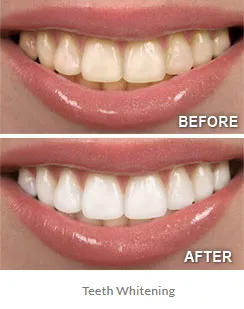
In-office whitening, also known as chairside bleaching, is the most immediate form of teeth whitening. The procedure takes place in your dentist’s office and typically involves applying a high-concentration bleaching gel to your teeth, followed by exposure to a special light or laser to enhance the whitening effect. This process is repeated several times during a single visit, and you can often see significant results in just one appointment. The dentist will protect your gums and other soft tissues during the procedure to minimize the risk of irritation. In-office whitening offers the fastest and most dramatic results but is also the most expensive option.
Custom Tray Whitening
Custom tray whitening involves your dentist creating custom-fitted trays that perfectly fit your teeth. You’ll receive a bleaching gel from your dentist and be instructed to wear the trays for a specified period, often overnight or for a few hours each day, for a few weeks. This method allows for a more gradual whitening process. Custom trays ensure the bleaching agent is in close contact with your teeth, maximizing effectiveness. Although it takes longer to achieve the desired results compared to in-office whitening, it is a more cost-effective option and can be done conveniently at home. Your dentist will monitor your progress and provide guidance throughout the treatment.
Teeth Whitening at Mayo Clinic
The Mayo Clinic offers comprehensive dental services, including professional teeth whitening. If you choose to undergo teeth whitening at the Mayo Clinic, you can expect a thorough consultation, evaluation, and personalized treatment plan. Their experienced dental professionals will assess the condition of your teeth, discuss your goals, and recommend the most appropriate whitening method for your needs. The Mayo Clinic emphasizes patient education and strives to provide the safest and most effective treatments. They offer both in-office and take-home whitening options, using the latest techniques and materials to achieve optimal results. The team will also provide detailed aftercare instructions to help maintain your brighter smile.
Consultation and Evaluation

The initial consultation and evaluation at the Mayo Clinic involves a detailed assessment of your oral health. The dentist will examine your teeth and gums to identify any existing dental issues, such as cavities or gum disease, that need to be addressed before whitening. They will also assess the type and severity of your tooth discoloration, discussing your medical history, and lifestyle factors to determine the cause of the staining. During this phase, the dentist will take photos and impressions of your teeth. This information will help the dentist determine if you are a suitable candidate for teeth whitening and which method will provide the best outcomes. They will discuss your expectations and explain the whitening process in detail.
Whitening Procedures Available
At the Mayo Clinic, you can access both in-office and at-home teeth whitening procedures. The in-office procedure usually involves a high-concentration bleaching gel applied to your teeth while your gums are protected. A special light may be used to accelerate the whitening process, and the entire procedure typically takes about an hour. For at-home whitening, the Mayo Clinic’s dentists may create custom-fitted trays and provide you with a bleaching gel to use at home, which is worn for a specified period each day or night. They will monitor your progress through follow-up appointments. The choice of whitening procedure depends on factors such as the severity of staining, your schedule, and desired outcomes.
Aftercare and Maintenance
After undergoing teeth whitening, proper aftercare is crucial for maintaining the results and preventing future staining. Your dentist will provide specific instructions, but generally, it’s essential to practice good oral hygiene, including brushing your teeth twice a day and flossing daily. After whitening, your teeth may be more susceptible to staining, so it’s important to avoid or limit consumption of foods and beverages that stain teeth, such as coffee, tea, red wine, and dark-colored sodas. Regular dental check-ups and cleanings will also help preserve your bright smile. Following these aftercare tips will help ensure your teeth remain white and healthy for a long time.
Tips for Maintaining White Teeth

To maintain a bright smile after teeth whitening, consider these practical tips. Reduce or eliminate the consumption of staining foods and drinks. If you can’t avoid them entirely, use a straw when drinking beverages like coffee or tea to minimize contact with your teeth. Brush your teeth after consuming potentially staining foods and drinks. Consider using a whitening toothpaste, but consult with your dentist first. Avoid smoking and chewing tobacco, which are significant contributors to tooth discoloration. Schedule regular dental cleanings and check-ups. These habits will help you keep your teeth white and healthy for years to come.
Potential Risks and Side Effects
While teeth whitening is generally a safe procedure, there are potential risks and side effects to be aware of. The most common side effects include tooth sensitivity and gum irritation. Sensitivity can occur during and after the whitening process, usually resolving within a few days after the treatment. Gum irritation can also occur if the bleaching agent comes into contact with the soft tissues. Your dentist will take precautions to minimize these risks, such as using protective barriers. It’s essential to inform your dentist about any existing dental conditions or sensitivities before undergoing teeth whitening. In rare cases, some individuals may experience allergic reactions to the whitening agents. Understanding these potential side effects and discussing your concerns with your dentist can help ensure a safe and successful whitening experience.
Sensitivity
Tooth sensitivity is a common side effect of teeth whitening, where your teeth become sensitive to hot and cold temperatures, air, and even pressure. This occurs because the whitening agents can temporarily open up the pores in your enamel. Sensitivity typically subsides within a few days after the whitening treatment is completed. To manage sensitivity, your dentist may recommend using toothpaste designed for sensitive teeth or applying a fluoride treatment. Avoid consuming extremely hot or cold foods and drinks during the period of sensitivity. It’s important to report any persistent or severe sensitivity to your dentist.
Gum Irritation

Gum irritation, or gingival irritation, is another potential side effect, particularly with in-office whitening treatments. This happens if the bleaching agent comes into contact with the gums. Dentists take measures to protect the gums during the procedure, such as using a protective barrier. If irritation occurs, it is typically mild and temporary. You may experience redness, swelling, or soreness in the gums. Gently brushing and flossing, along with avoiding abrasive toothpastes, can help alleviate irritation. If the irritation persists, consult with your dentist to ensure the problem is promptly addressed.
Effectiveness and Longevity
The effectiveness and longevity of teeth whitening vary depending on the method used, the severity of the staining, and individual lifestyle habits. Professional teeth whitening generally yields the most dramatic and longest-lasting results. However, the whitening effects are not permanent. Teeth can gradually re-stain over time due to factors such as diet, smoking, and oral hygiene. At-home whitening kits and over-the-counter products may provide less dramatic but still noticeable whitening. Regular dental check-ups, good oral hygiene practices, and avoiding staining foods and drinks are crucial to extending the life of your whitened smile. The results typically last from several months to a few years, depending on these factors.
Factors Affecting Results
Several factors can affect the results of teeth whitening. The type and severity of the staining are key determinants. Surface stains are generally easier to remove than intrinsic stains. The concentration of the bleaching agent and the duration of the treatment also play a role. Individual oral health habits, such as brushing, flossing, and avoiding staining foods and drinks, influence the longevity of the results. Genetics can also affect how well your teeth respond to whitening. Existing dental conditions, such as cavities or gum disease, need to be addressed before undergoing teeth whitening. It’s important to consider all of these factors when evaluating your expectations and choosing a whitening method.
Cost Considerations

The cost of teeth whitening varies significantly depending on the method chosen, the dentist’s fees, and the geographic location. Over-the-counter whitening products, such as toothpastes and strips, are typically the most affordable options. At-home whitening kits purchased from a dentist are generally more expensive than over-the-counter products but offer better results. Professional in-office whitening is the most costly method, as it involves the expertise of a dentist and specialized equipment. Prices may also vary depending on the number of treatments required. It’s important to discuss the cost with your dentist and explore financing options if needed. While the upfront cost of teeth whitening can be significant, the investment can greatly improve your smile and boost your confidence. Always choose a method that fits within your budget and meets your whitening goals.
Comparing Whitening Methods
When comparing teeth whitening methods, consider factors such as cost, effectiveness, convenience, and potential side effects. Over-the-counter products are the most affordable and convenient, but they may provide limited results. At-home whitening kits offer a balance of cost and effectiveness, while professional in-office whitening provides the most dramatic and long-lasting results but is the most expensive. The best method for you depends on your individual needs, goals, and budget. Discuss your options with your dentist and consider their recommendations based on your oral health. Weigh the pros and cons of each method, ensuring the choice aligns with your expectations and desired outcomes. In the end, choose the option that offers the best combination of value, results, and safety for your smile.