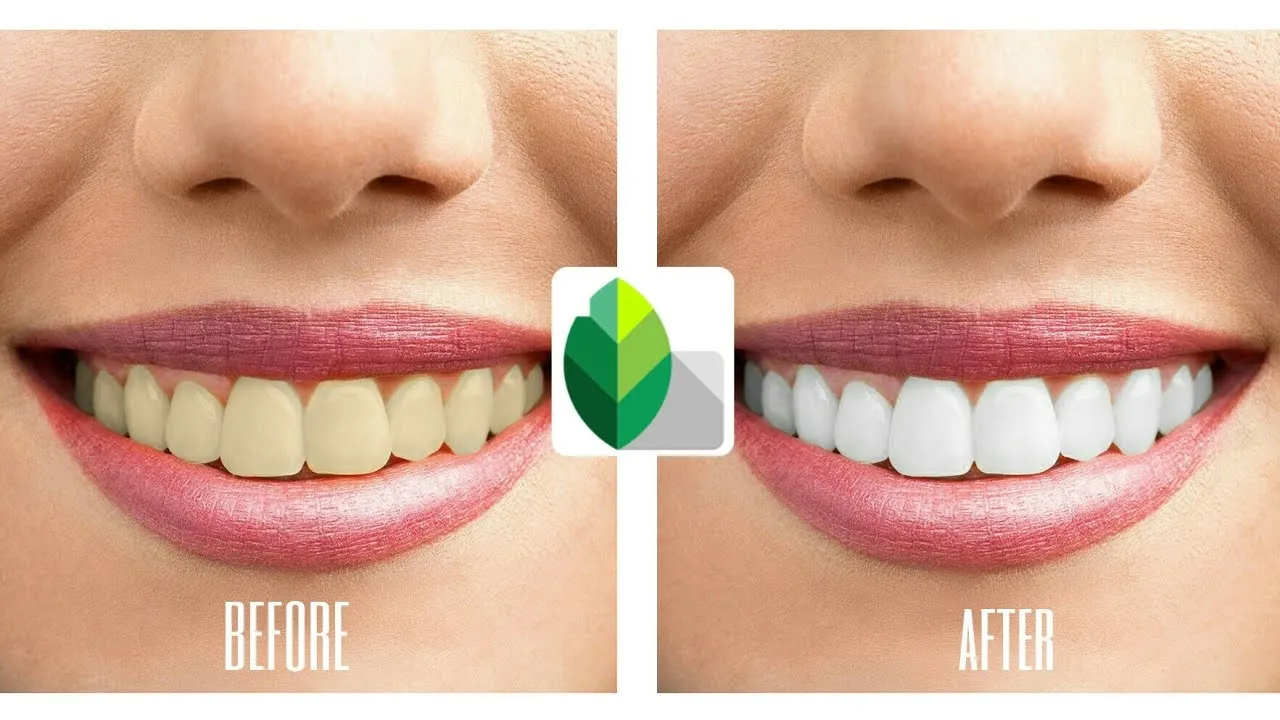
The Importance of Teeth Whitening
A bright, white smile is often associated with youth, health, and confidence. Teeth whitening has become increasingly popular as a way to enhance one’s appearance and boost self-esteem. Beyond the aesthetic benefits, maintaining white teeth can also be a sign of good oral hygiene. Many people seek teeth whitening solutions to address discoloration caused by various factors, ranging from dietary habits to aging. Effective teeth whitening can significantly improve the way you present yourself to the world, often leading to a more positive self-image and enhanced social interactions. Understanding the available methods, from professional treatments to do-it-yourself techniques, is crucial to achieving the best results.
Understanding Tooth Discoloration
Tooth discoloration can stem from a variety of causes, broadly categorized as extrinsic and intrinsic. Extrinsic stains occur on the surface of the tooth enamel and are often related to dietary habits and lifestyle choices. Intrinsic stains, on the other hand, originate from within the tooth structure, sometimes due to factors like aging, medications, or trauma. Recognizing the type of discoloration helps determine the most effective treatment approach. Understanding the underlying causes not only helps in choosing the right whitening method but also in preventing future staining. Regularly visiting a dentist for check-ups and professional cleanings is essential for maintaining healthy, white teeth and addressing any discoloration issues early on.
Causes of Tooth Discoloration

Several factors can lead to tooth discoloration, affecting both the appearance and health of your smile. The most common causes include consumption of staining foods and beverages like coffee, tea, red wine, and berries. Smoking and tobacco use are significant contributors to tooth discoloration, leading to yellowing and brown stains. Aging can also cause teeth to appear darker as the enamel thins, and the underlying dentin becomes more visible. Certain medications, such as tetracycline, can lead to intrinsic staining, especially in children. Traumatic injuries to the teeth can also damage the pulp, causing discoloration. Understanding these causes enables you to take proactive steps to minimize staining and maintain a bright smile.
Food and Drinks That Stain Teeth
Many everyday food items and beverages contain substances that can stain teeth. Coffee and tea, due to their high tannin content, are notorious for causing yellowing. Red wine, with its dark pigments and acidity, can also lead to staining. Berries, such as blueberries, raspberries, and blackberries, contain strong pigments that can easily adhere to tooth enamel. Dark-colored sodas and sports drinks contribute to discoloration due to their high acidity and artificial colorings. Regular consumption of these items, without proper oral hygiene, can accelerate the staining process. Being mindful of these dietary choices and incorporating teeth-whitening practices can help to mitigate these effects and maintain a brighter smile. Consider drinking these beverages through a straw to minimize contact with your teeth.
Smoking and Tobacco Use
Smoking and the use of tobacco products are detrimental to oral health, with tooth discoloration being a prominent consequence. Nicotine and tar in tobacco products leave behind yellow and brown stains on the teeth. Over time, these stains can become deeply embedded in the enamel, making them difficult to remove. Furthermore, smoking reduces saliva production, which can increase plaque and tartar buildup, further exacerbating discoloration. Smoking also increases the risk of gum disease, which can lead to tooth loss and additional aesthetic problems. Quitting smoking is one of the best things you can do for your overall health and the appearance of your teeth. Professional teeth whitening treatments and consistent oral hygiene can help to remove some stains, but cessation is key to long-term benefits.
How Free Photo Editors Can Help

Free photo editors offer a convenient, cost-effective solution for achieving a brighter smile in your photos. These tools allow users to enhance the appearance of their teeth digitally, often with simple adjustments and user-friendly interfaces. While they cannot replace professional dental treatments, photo editors can provide a quick and easy way to improve the look of your smile for photos used on social media, online profiles, or other personal uses. Many free photo editors provide essential teeth-whitening functionalities, such as adjusting color and brightness, and adding subtle enhancements. The key is to use them with moderation and to be aware of their limitations, maintaining a natural and realistic appearance. They are a great tool for a quick fix, but not a long-term solution.
Choosing the Right Photo Editor
Selecting the right photo editor depends on your needs and the features you require. Consider the ease of use, available tools, and the quality of the results. Many free photo editors are available online or as mobile apps, each with its own set of capabilities. Some popular choices include options like GIMP, Fotor, and Pixlr, which offer various teeth-whitening functionalities and a range of additional editing features. Read reviews and compare different options to find a tool that suits your experience level and preferences. Make sure the editor allows for precise control over adjustments to achieve natural-looking results. Opting for a user-friendly interface, along with comprehensive features, will make the editing process more enjoyable and effective.
Features to Look For
When choosing a photo editor for teeth whitening, look for specific features that will help you achieve the best results. Essential tools include color adjustment sliders, which allow you to modify the hue, saturation, and brightness of the teeth. Some editors offer dedicated teeth-whitening tools, such as brushes or selection tools that target the teeth area specifically. Look for editors that allow you to zoom in and work on small details, enabling you to make precise adjustments. The ability to undo changes and revert to the original image is also critical, providing flexibility during the editing process. Advanced features might include the ability to smooth out imperfections or add subtle enhancements to the overall look of your smile. A good photo editor will offer these functionalities in an intuitive and easy-to-use way.
Step-by-Step Teeth Whitening in a Photo Editor

Whitening your teeth in a photo editor involves a series of steps to achieve natural-looking results. Begin by uploading your photo and familiarizing yourself with the editing tools. Start with minor adjustments, gradually increasing the intensity to avoid an unnatural appearance. Regularly assess the overall impact on the image to ensure that the changes are not too drastic. Practice and patience are important as you fine-tune the process to gain a better understanding of the features and achieve the desired results. Following a step-by-step approach helps ensure that you make the most of the features and achieve the most natural-looking outcome.
Uploading Your Photo
The first step in using a photo editor is to upload your image. Most photo editors allow you to import photos from your computer, cloud storage, or directly from your camera roll. Choose a high-resolution image for the best results. Once the photo is uploaded, you can begin the editing process. Make sure that the image is well-lit and that the teeth are clearly visible. Crop the photo if necessary to focus on the smile and the teeth. Familiarize yourself with the editor’s interface and navigation tools before starting to edit.
Using the Whitening Tools
Once your photo is uploaded, select the teeth-whitening tools offered by the editor. Many editors have a dedicated tool for this purpose, often resembling a brush or a selection tool. Carefully select the teeth by outlining them or using the auto-selection feature, if available. Once the teeth are selected, adjust the color or brightness sliders to whiten them. Some editors also offer advanced features, such as the ability to correct yellow tones or remove blemishes. Use these tools gently and gradually to avoid an artificial appearance. Experimenting with different features will help you to gain a better understanding of the functionalities and achieve the best possible outcome.
Adjusting Brightness and Contrast

After whitening the teeth, it’s important to adjust the brightness and contrast to create a natural and balanced look. Increasing the brightness slightly can enhance the whitening effect, while adjusting the contrast can add definition and depth. Be mindful of the overall impact on the image, and make sure the adjustments complement each other. Fine-tuning these settings can significantly enhance the appearance of your smile, making it appear more vibrant and attractive. If you go too far with either setting, it will create an unnatural look, so it is important to be careful, especially with the brightness settings. Experimenting with the sliders in moderation will help achieve a realistic result.
Adding Finishing Touches
Before finalizing your edited photo, consider adding some finishing touches to enhance the overall appearance. You may want to smooth out any imperfections or blemishes, and add subtle enhancements to the overall look of your smile. Some editors offer features to soften the edges of the teeth or subtly adjust the skin tone. Ensure that these enhancements do not create an artificial look, and that they blend seamlessly with the rest of the image. Review the entire image to make sure it looks balanced and natural. Minor adjustments like these can significantly improve the final outcome and make your smile look its best.
Tips for Realistic Results
Achieving natural-looking results in a photo editor requires a delicate balance. Avoid excessive whitening, which can make teeth appear unnaturally bright. Focus on gradual adjustments, and carefully observe the changes you’re making to avoid looking artificial. Consider the lighting in the original photo, and make adjustments that complement the existing tones. Avoid unrealistic color shifts and ensure that your edits match the overall tone and style of the image. Review your work from different perspectives, and ask for feedback from others. This will help you spot potential issues and make further adjustments to make your smile appear more natural.
Avoiding Over-Whitening

One of the most common mistakes in teeth whitening is overdoing it. Over-whitening creates an unnatural appearance, with teeth that appear too bright or even have a blueish hue. To avoid this, start with small, subtle adjustments, and gradually increase the intensity. Constantly review the image and pay attention to the overall balance. It’s often better to under-whiten than to over-whiten, as a slightly less bright smile looks more realistic and natural. Pay attention to the color of the teeth, and avoid making them appear too stark white. The goal should be to enhance your smile, not to create an unrealistic one.
Comparing Photo Editor Results to Professional Whitening
While photo editors offer a quick and easy way to enhance your smile, their capabilities are limited compared to professional teeth whitening treatments. Professional treatments, such as those offered by dentists, use stronger bleaching agents and advanced techniques to achieve significantly better and longer-lasting results. Professional whitening can address deeper stains and provide a more even and consistent color. Photo editors, on the other hand, mainly work by adjusting color and brightness, which can only address surface stains. For severe discoloration, professional treatments are almost always a better option. However, photo editing can be a helpful tool for temporary cosmetic improvements.
Advantages of Photo Editing
Photo editing offers several advantages when it comes to teeth whitening. It is inexpensive, often free, and readily available. It provides a quick and easy solution for improving the appearance of your smile in photos, making it ideal for social media and online profiles. Photo editors allow you to make instant changes and see the results immediately, providing flexibility and control over the final look. They can also be used to correct minor imperfections and enhance the overall aesthetics of your images. It’s a convenient tool for personal use and provides a low-cost way to improve your appearance in photos.
Limitations of Photo Editing

Photo editing has limitations when compared to professional teeth whitening. The results are temporary, and the effects are only visible in the edited photos. Photo editors can only address surface-level staining, and they cannot treat intrinsic discoloration. The quality of the results depends heavily on the user’s skills and the capabilities of the photo editor. Over-editing can lead to an unnatural appearance, and it is not a substitute for proper dental care or professional whitening treatments. Photo editing is best used as a quick fix for photos, and it is not a solution for serious dental concerns.
Maintaining Your Brightened Smile
Whether you whiten your teeth through photo editing or professional treatments, maintaining your brightened smile requires good oral hygiene practices and a proactive approach to dental health. These habits help extend the longevity of any whitening procedure and keep your teeth looking their best. Regular dental check-ups and cleanings are also vital for identifying and addressing any emerging issues. Taking these steps ensures a lasting, healthy, and attractive smile.
Oral Hygiene Practices
Good oral hygiene practices are essential for maintaining a bright smile. Brush your teeth at least twice a day with fluoride toothpaste to remove plaque and bacteria. Floss daily to clean between your teeth, where a toothbrush can’t reach, preventing build-up and helping to remove stains. Use mouthwash to reduce bacteria and freshen your breath. Consider using a whitening toothpaste, but be careful not to overdo it, as excessive abrasion can damage the enamel. Regular check-ups and cleanings with your dentist are critical to identifying and addressing any problems.
Professional Teeth Whitening Options

If you’re seeking more effective and longer-lasting results, consider professional teeth whitening options offered by dentists. These treatments often involve stronger bleaching agents and can address deeper stains. In-office whitening is performed by a dental professional and can produce dramatic results in a single visit. At-home whitening kits, prescribed and supervised by a dentist, offer a convenient option for achieving a brighter smile over a few weeks. Professional treatments can often address severe discoloration, providing a more comprehensive solution than photo editing. Before undergoing any whitening treatment, it is essential to consult with your dentist to determine the best method for your specific needs and to ensure the safety of your teeth.
When to Consult a Dentist
Consulting a dentist is important for maintaining a healthy and bright smile. If you notice any changes in the appearance of your teeth, such as discoloration or stains, schedule an appointment. Your dentist can diagnose the cause of the discoloration and recommend the most appropriate treatment. If you are considering teeth whitening, your dentist can assess your oral health and determine whether whitening is safe and effective for you. Regular check-ups can also detect early signs of dental problems, such as cavities or gum disease, which can affect the color and appearance of your teeth. A dentist can also offer personalized advice on how to maintain optimal oral hygiene, and provide preventative care.
In conclusion, achieving a bright smile is possible through various methods, from using free photo editors to professional teeth whitening treatments. Photo editors offer a convenient, cost-effective way to enhance your smile in photos, but they are temporary and limited in their capabilities. For more significant and lasting results, consider professional treatments. Maintaining a bright smile requires good oral hygiene, a healthy diet, and regular visits to your dentist. By combining these approaches, you can confidently achieve a radiant and healthy smile.