Understanding Teeth Whitening Basics
Teeth whitening has become a popular cosmetic procedure, with countless products and methods available to help people achieve a brighter, more confident smile. But what exactly is teeth whitening, and how does it work? At its core, teeth whitening involves removing stains and discoloration from the surface of your teeth, as well as lightening the inherent color of the enamel. This process can be achieved through various methods, ranging from professional treatments provided by dentists to at-home DIY solutions. The effectiveness of any teeth whitening method depends on several factors, including the type and severity of the stains, the inherent color of your teeth, and the specific ingredients used. Understanding these basics is the first step towards making informed decisions about your teeth whitening journey. There are many options to consider.
What Causes Tooth Discoloration
Tooth discoloration can result from a variety of factors, both internal and external. Understanding these causes is essential for selecting the right teeth whitening method and managing your expectations. Stains can affect the enamel or the dentin, the layer beneath the enamel. Some stains are superficial and easily removed, while others are more deeply embedded and require more intensive treatment. The key causes of tooth discoloration can be broken down into external and internal factors. Knowing the difference can help you understand the best approach for addressing your specific situation and deciding on DIY teeth whitening.
External Stains

External stains are those that accumulate on the surface of your teeth, typically due to lifestyle choices and dietary habits. These stains affect the enamel and can often be removed with proper brushing, professional cleanings, or over-the-counter whitening products. Common culprits include coffee, tea, red wine, and tobacco products. These substances contain pigments that bind to the enamel, causing discoloration over time. Certain foods, such as berries and curries, can also contribute to staining. Regular dental check-ups and good oral hygiene practices are essential to remove these stains before they become deeply embedded.
Internal Stains
Internal stains originate from within the tooth structure, affecting the dentin. These stains can be more challenging to treat and often require professional intervention. Causes of internal staining include aging, genetics, certain medications (such as tetracycline), and excessive fluoride exposure during childhood. Trauma to the tooth can also cause internal staining, as the pulp inside the tooth can become damaged or die. Professional whitening treatments, such as those provided by dentists, are usually needed to address these types of stains effectively. In some cases, more invasive procedures, such as veneers or crowns, might be necessary to restore the tooth’s appearance.
DIY Teeth Whitening Methods You Can Try
If you’re looking for a brighter smile without a trip to the dentist, several DIY teeth whitening methods can be explored. These methods typically use ingredients that are readily available at home and are relatively inexpensive. However, it’s important to approach these methods with caution, as some can potentially damage your teeth if used incorrectly or excessively. Always research and understand the risks involved. It’s also a good idea to consult with a dentist before trying any new teeth whitening technique. This is especially important if you have sensitive teeth, existing dental work, or any underlying oral health issues. Here are a few popular DIY methods to consider.
Baking Soda and Hydrogen Peroxide

Baking soda and hydrogen peroxide are two common household ingredients that can be used for teeth whitening. Baking soda acts as a mild abrasive, helping to scrub away surface stains, while hydrogen peroxide has bleaching properties that can lighten the tooth enamel. To use this method, mix a small amount of baking soda with hydrogen peroxide to form a paste. Brush your teeth with this paste for about two minutes, then rinse thoroughly. It is important to use this method sparingly, as excessive use of baking soda can erode the enamel and make your teeth more sensitive. Using it once or twice a week is generally considered safe, but it is best to consult a dentist before incorporating this method into your routine.
Activated Charcoal
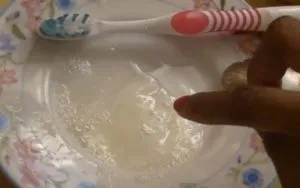
Activated charcoal is another popular DIY teeth whitening option. It is a fine black powder made from various sources, such as coconut shells or wood. Activated charcoal is highly absorbent and is believed to remove stains by attracting and binding to them. To use activated charcoal for teeth whitening, dip a wet toothbrush into the powder and brush your teeth gently for about two minutes. Rinse thoroughly with water afterward. While some people swear by activated charcoal, there is limited scientific evidence to support its effectiveness in whitening teeth. Also, it can be abrasive and may potentially damage the enamel. Like baking soda, use activated charcoal with caution and consult with a dentist if you have concerns.
Coconut Oil Pulling
Coconut oil pulling is an ancient Ayurvedic practice that involves swishing coconut oil in your mouth for an extended period. While primarily used for oral hygiene and detoxification, some people believe it can also help whiten teeth. The process involves swishing a tablespoon of coconut oil in your mouth for 15-20 minutes, then spitting it out and rinsing your mouth with water. Coconut oil pulling is thought to remove bacteria and toxins, potentially reducing plaque and promoting a brighter smile. However, scientific evidence supporting its whitening benefits is limited. It’s a relatively safe method, but it’s not as effective as other whitening techniques. Always remember to spit the oil into a trash can, as it can clog your sink.
DIY Whitening with Lemon or Orange Peels

Some DIY enthusiasts suggest using lemon or orange peels for teeth whitening, as these fruits contain citric acid, a natural bleaching agent. To use this method, rub the inside of a lemon or orange peel on your teeth for a few minutes, then rinse your mouth with water. However, it is important to exercise extreme caution when using this method. Citric acid is highly acidic and can erode tooth enamel, leading to increased sensitivity and long-term damage. This method is not recommended. If you are considering using this method, it is best to consult with a dentist first to assess the potential risks and determine if it’s safe for your teeth.
Important Safety Considerations
Before attempting any DIY teeth whitening method, it’s essential to consider the potential risks and take steps to protect your oral health. Always prioritize safety and consult with a dentist if you have any doubts or concerns. Using abrasive substances, such as baking soda or activated charcoal, can erode the enamel and make your teeth more sensitive. Acidic substances, such as lemon juice or orange peels, can also damage the enamel and should be used with extreme caution, if at all. Avoid overusing any whitening method, as excessive whitening can lead to increased tooth sensitivity and gum irritation. Following safety guidelines and understanding the potential risks of the methods is key.
Potential Risks of DIY Teeth Whitening
DIY teeth whitening methods carry several potential risks that you should be aware of before starting. The most common risk is tooth sensitivity. The whitening agents can penetrate the enamel, irritating the nerves in your teeth. Another risk is gum irritation, as some methods can damage the soft tissues in your mouth. Overuse of abrasive or acidic substances can lead to enamel erosion, increasing the risk of cavities and other dental problems. Improper use of whitening products can also result in uneven whitening, leaving your teeth looking patchy. There are also risks associated with certain ingredients; for example, some people may be allergic to hydrogen peroxide or other components of DIY whitening products. It’s crucial to be aware of these risks and take precautions to minimize any harm.
Consulting a Dentist for Professional Advice

Before you start any DIY teeth whitening regimen, consulting with your dentist is essential. Your dentist can assess your oral health, identify any underlying issues, and provide personalized recommendations. They can determine the cause of your tooth discoloration and advise you on the most suitable whitening method for your specific situation. They can also address any concerns you may have about DIY methods and provide professional whitening options, such as in-office treatments or custom-fitted whitening trays. Regular dental check-ups and cleanings are crucial for maintaining good oral health and preventing dental problems. Your dentist can monitor the effectiveness of your whitening efforts and make any necessary adjustments. By seeking professional advice, you can ensure that you are whitening your teeth safely and effectively.
Maintaining Your White Smile
Once you’ve achieved your desired level of whiteness, it’s important to maintain your results. This involves practicing good oral hygiene habits and avoiding habits that can lead to tooth discoloration. This requires diligence and a long-term approach to keep your smile bright and beautiful. Following these tips can help you to maintain your white smile for a longer time.
Good Oral Hygiene Practices
Good oral hygiene is the foundation of a healthy and bright smile. This includes brushing your teeth at least twice a day with fluoride toothpaste, flossing daily to remove plaque and food particles from between your teeth, and using an antibacterial mouthwash to kill bacteria. Regular dental check-ups and professional cleanings are also essential for removing plaque and tartar, which can cause stains. Replacing your toothbrush every three months or sooner if the bristles are frayed is important for optimal cleaning. Proper oral hygiene helps to prevent new stains from forming and keeps your teeth looking their best. Making oral hygiene a consistent habit is essential.
Dietary Choices to Avoid Staining

Your diet plays a significant role in the appearance of your teeth. Certain foods and beverages are known to cause tooth discoloration. Limiting your consumption of these items can help prevent new stains from forming. Common culprits include coffee, tea, red wine, and dark-colored sodas. Tobacco products are also a major cause of tooth staining. Foods such as berries, curries, and tomato-based sauces can also contribute to discoloration. Drinking water after consuming staining foods and beverages can help rinse away the pigments and reduce their impact on your teeth. Being mindful of your dietary choices is a simple yet effective way to maintain a bright smile.