Foods to Avoid for a Brighter Smile
Achieving a dazzling white smile often involves more than just professional teeth whitening treatments or over-the-counter products. What you eat and drink plays a significant role in maintaining the brightness of your teeth. Certain foods and beverages contain pigments and acids that can erode enamel and stain teeth, leading to discoloration. By being mindful of your dietary choices, you can protect your investment in a brighter smile and minimize the need for frequent whitening treatments. This guide delves into the top foods to avoid or limit to help you maintain a vibrant and healthy smile. Understanding the impact of these common items can empower you to make informed choices, paving the way for a more confident and radiant you. The goal is not necessarily to eliminate these items entirely, but to be aware of their effects and to balance them with teeth-friendly alternatives and habits.
Coffee and Tea
Coffee and tea are staples for many, but they are notorious for staining teeth. These beverages contain tannins, which are compounds that bind to teeth and cause discoloration. The darker the beverage, the more pronounced the staining effect. Regular consumption of coffee and tea can gradually lead to a yellow or brownish tinge on your teeth, diminishing their natural brightness. Furthermore, the acidity of these drinks can soften tooth enamel, making it more susceptible to staining. This is especially true for black tea and strongly brewed coffee. Even herbal teas can contribute to staining, although the degree varies depending on the type and concentration. It’s important to consider that the frequency and amount of consumption are also critical factors; the more coffee or tea you drink, the more likely you are to experience staining.
Impact of Coffee on Teeth

Coffee, in particular, is a major culprit. Its dark color and high tannin content make it a significant contributor to tooth staining. The porous nature of tooth enamel allows the pigments in coffee to penetrate and stain the underlying dentin. This staining can be subtle at first but accumulates over time, leading to a noticeable discoloration. Even the creamer or milk you add can’t entirely negate the effect; while it might lighten the color of the coffee, it doesn’t eliminate the staining potential. Drinking coffee frequently throughout the day further exacerbates the issue, as your teeth are constantly exposed to staining compounds. Regular coffee drinkers often notice that their teeth have a distinct brownish hue, which can be difficult to remove without professional intervention. The impact of coffee extends beyond aesthetics; it can also contribute to the breakdown of enamel, making teeth more vulnerable to decay.
Alternatives to Coffee and Tea
If you can’t imagine your morning without a hot beverage, consider alternatives that are gentler on your teeth. Herbal teas, especially those that are light in color such as chamomile or peppermint, are less likely to cause staining compared to black or green teas. You can also try white tea, which has a lower tannin content. Another option is to switch to coffee substitutes, such as roasted grain beverages, which offer a similar flavor profile without the staining effects. If you must have coffee or tea, try drinking them through a straw to minimize direct contact with your teeth. Diluting your beverage with milk can also help reduce staining, as the milk proteins can bind to the tannins. Furthermore, consider the timing of your consumption; drinking your coffee or tea with a meal can help buffer the effects. Incorporating these strategies can allow you to enjoy your favorite drinks while minimizing their impact on your smile.
Dark-Colored Beverages
Beyond coffee and tea, other dark-colored beverages pose a significant threat to teeth whiteness. These drinks are often packed with staining pigments that can quickly discolor enamel. Regular consumption of these beverages can contribute to a gradual darkening of your teeth, requiring more aggressive whitening treatments. This includes various sodas, juices, and other drinks. These drinks can cause significant staining due to their high concentration of chromogens. The darker the beverage, the more intense the staining effect tends to be. Even drinks that seem clear, like some fruit juices, can contain enough colorants to impact the brightness of your teeth. The cumulative effect of consuming these drinks regularly over time can result in noticeable tooth discoloration and is a significant factor in the overall appearance of your smile.
The Stain Potential of Sodas and Juices

Sodas and juices are particularly detrimental to teeth whiteness. Many sodas, especially cola-based ones, are highly pigmented and rich in staining compounds. Even diet sodas are not necessarily safe, as they can still contain colorants that contribute to staining. Juices, while often marketed as healthy, can also be problematic. Dark-colored juices, such as grape or cranberry juice, are particularly notorious for their staining potential. They have a high concentration of natural pigments that can adhere to your tooth enamel. Furthermore, many juices are acidic, which can weaken the enamel and make it more susceptible to staining. This combination of acidity and pigmentation creates a double whammy for your teeth. The frequent consumption of these beverages can lead to a gradual but noticeable discoloration of the teeth, affecting their overall brightness and potentially requiring professional teeth whitening.
Healthier Beverage Choices
Choosing alternative beverages can significantly improve your oral health and help maintain a brighter smile. Water is the best choice; it helps rinse away food particles and bacteria, and it keeps you hydrated, which is essential for overall health. Milk is another excellent option, as it contains calcium, which strengthens tooth enamel. If you prefer juice, opt for lighter-colored varieties like apple or pear juice, and consume them in moderation. Green tea, while it can cause some staining, is generally less harmful than black tea or coffee, and it offers several health benefits. When drinking any beverage, consider using a straw to minimize direct contact with your teeth. Drinking water after consuming staining beverages can help rinse away pigments and prevent them from setting on your teeth. By making smart beverage choices, you can protect your teeth from stains and support their natural brightness.
Highly Pigmented Foods
Certain foods are naturally high in pigments that can stain your teeth. These pigments, known as chromogens, adhere to the enamel and cause discoloration. The intensity of staining often correlates with the food’s color; the darker the food, the more likely it is to stain. It’s essential to be aware of these foods and to take steps to minimize their impact on your smile. These foods can also weaken the enamel, increasing the risk of staining and discoloration. Understanding which foods pose the biggest threat allows you to make informed dietary choices and implement strategies to mitigate their effects. This awareness is crucial for anyone looking to maintain a bright, healthy smile.
Berries and Their Staining Effects

Berries, such as blueberries, blackberries, raspberries, and cranberries, are packed with antioxidants and vitamins, making them incredibly healthy. However, their vibrant colors also come with a high staining potential. These berries contain strong pigments that can easily stain tooth enamel, leading to a dull or discolored appearance. The pigments are particularly effective at adhering to the porous surface of the enamel, causing visible stains over time. The intensity of the stain depends on the berry’s color and how often you consume it. While berries offer many health benefits, it’s important to consume them in moderation and take steps to protect your teeth. Rinsing your mouth with water after eating berries can help remove the pigments, and brushing your teeth about 30 minutes later can prevent staining. Enjoying these delicious fruits while being mindful of their impact on your smile is key to maintaining a healthy and bright set of teeth.
Incorporating Foods That Naturally Whiten
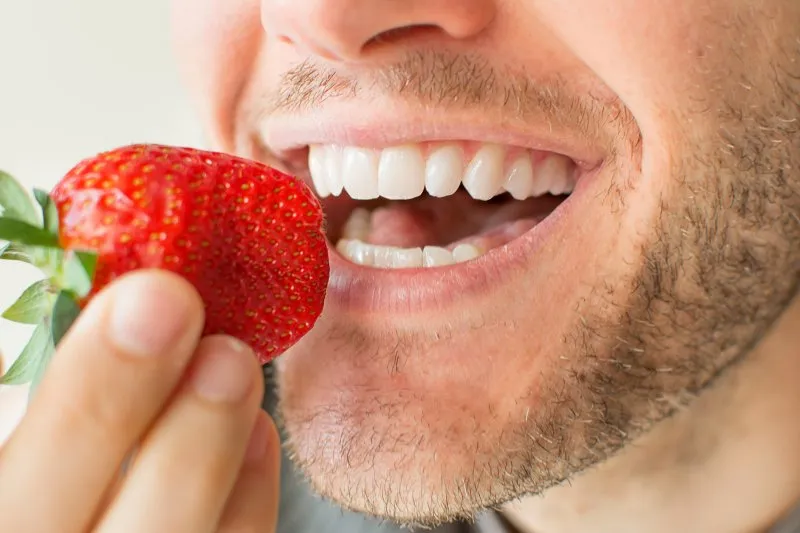
While it’s important to be cautious about staining foods, some foods can naturally help whiten your teeth. Apples, for example, have a crunchy texture that can act as a natural toothbrush, helping to scrub away surface stains. The malic acid in apples also helps dissolve stains. Strawberries contain malic acid as well and can help to whiten teeth naturally. Chewing on celery and carrots can stimulate saliva production, which helps to wash away bacteria and food particles, preventing stains. Dairy products, such as milk, yogurt, and cheese, contain calcium and phosphorus, which strengthen tooth enamel and make it less susceptible to staining. Making these foods a regular part of your diet can complement your efforts to avoid staining foods and maintain a brighter smile. Combining these dietary strategies with good oral hygiene practices maximizes your chances of achieving a naturally whiter smile.
Acidic Foods
Acidic foods can erode tooth enamel, making teeth more vulnerable to staining from other foods and beverages. Enamel is the protective outer layer of the tooth, and its integrity is crucial for maintaining a bright, healthy smile. When enamel erodes, the underlying dentin becomes more exposed. Dentin is naturally more yellow than enamel, so its exposure can make your teeth appear darker. Furthermore, eroded enamel has a rougher surface, making it easier for staining compounds to adhere and cause discoloration. Understanding the impact of acidic foods on enamel health is crucial to protect your teeth from both stains and overall damage. Acidic foods can create the perfect environment for staining to take hold, which is why it’s important to balance these foods with enamel-strengthening choices and good oral hygiene practices.
Citrus Fruits and Tooth Enamel

Citrus fruits, such as lemons, limes, and oranges, are highly acidic and can be detrimental to tooth enamel. Their acidity weakens the enamel, making it more susceptible to erosion and increasing the risk of staining. While these fruits offer many health benefits, excessive consumption can lead to long-term damage to your teeth. The citric acid in these fruits can break down the minerals in enamel, leading to a loss of the protective layer. This process, known as enamel erosion, makes your teeth more porous and more likely to absorb staining substances. The damage from acidic fruits is cumulative; frequent consumption can exacerbate the issue and lead to a gradual darkening of your teeth. Therefore, while it’s healthy to include citrus fruits in your diet, it’s crucial to consume them in moderation and take measures to protect your teeth. This includes rinsing your mouth with water after eating citrus fruits and avoiding brushing immediately afterward, as this can further damage the softened enamel.
Balancing Acidic Intake
Balancing your intake of acidic foods is essential for maintaining healthy tooth enamel. You don’t necessarily have to eliminate these foods entirely, but being mindful of your consumption habits and taking preventive measures can significantly reduce their impact. Drink water after eating acidic foods to neutralize the acidity. Limit the frequency of consumption, spacing out acidic food intake throughout the day. Consider pairing acidic foods with alkaline foods to balance the pH levels in your mouth. For example, eating cheese or milk after consuming citrus fruits can help buffer the acid. Avoid brushing your teeth immediately after consuming acidic foods, as this can erode the softened enamel. Instead, wait at least 30 minutes to an hour before brushing. Prioritizing foods that strengthen enamel, such as dairy products and foods rich in calcium and phosphorus, can also help. By making these adjustments, you can enjoy acidic foods while protecting your teeth and preserving your bright smile.
Other Foods to Limit
In addition to the foods and beverages mentioned above, several other items can contribute to tooth discoloration. These foods often contain pigments, tannins, or acids that affect your teeth’s brightness. Being mindful of these less obvious culprits can help you refine your diet and protect your smile. Some foods may seem harmless but still have the potential to stain your teeth. It’s about being aware of the cumulative impact of your dietary choices on your oral health.
Soy Sauce and Balsamic Vinegar

Soy sauce and balsamic vinegar, both common ingredients in many cuisines, can stain teeth due to their dark color and high pigment content. These condiments contain strong pigments that can adhere to tooth enamel, leading to discoloration. Soy sauce, with its dark, rich color, is a frequent offender. Balsamic vinegar, while often considered a healthier option, is also highly pigmented and can cause staining with regular use. Even small amounts of these condiments can contribute to staining over time, particularly if consumed frequently. It’s important to consider the concentration of these ingredients in your meals and their cumulative effect on your teeth. Using them in moderation and taking steps to minimize their contact with your teeth can help maintain your smile’s brightness.
Impact on Tooth Discoloration
The impact of soy sauce and balsamic vinegar on tooth discoloration is similar to that of other staining foods. The dark pigments in these condiments penetrate the porous enamel, leading to a gradual darkening of the teeth. The extent of the discoloration depends on factors such as the frequency of consumption, the concentration of the condiments, and individual enamel characteristics. Over time, these stains can become more pronounced and difficult to remove without professional intervention. The cumulative effect of frequent exposure can result in a yellow or brownish tinge on your teeth, which can affect your smile’s overall appearance. Understanding the staining potential of these ingredients helps you make informed dietary choices and take steps to protect your teeth from discoloration.
How to Use These in Moderation
Enjoying soy sauce and balsamic vinegar in moderation is key to minimizing their impact on your teeth. When using these condiments, consider the quantity you’re consuming and how often you’re using them. Opt for lighter-colored alternatives when possible, such as white balsamic vinegar, which has fewer pigments. Try diluting soy sauce and balsamic vinegar to reduce the concentration of staining compounds. You can also use them as part of a balanced meal that includes foods known to help clean teeth. Rinsing your mouth with water or chewing sugar-free gum after eating can help remove food particles and reduce staining. By incorporating these strategies, you can savor the flavors of soy sauce and balsamic vinegar without compromising your efforts to maintain a bright, healthy smile.
Tips for Protecting Your Teeth

Protecting your teeth from staining foods and beverages involves more than just knowing what to avoid. It’s about adopting proactive habits that promote oral health and preserve your smile’s brightness. Implementing a few key strategies can make a significant difference in the long run. These habits complement your dietary choices and create a holistic approach to maintaining a vibrant smile. It is a combination of mindful eating, consistent oral hygiene, and regular professional care that will yield the best results. Remember, maintaining a bright smile is an ongoing journey, not a destination. Here are a few tips to help you on the way.
Rinse After Eating
Rinsing your mouth with water after eating or drinking can significantly reduce the impact of staining foods and beverages. Water helps wash away food particles, acids, and pigments before they have a chance to adhere to your teeth. This simple habit can be especially effective immediately after consuming staining items. It helps prevent these substances from settling on your enamel and causing discoloration. Aim to rinse your mouth thoroughly with water, swishing it around to reach all surfaces of your teeth and gums. This is a quick and easy step that can be incorporated into your daily routine, helping to maintain a brighter smile and reduce the need for more aggressive whitening treatments. Always rinse after eating or drinking and your teeth will thank you.
The Benefits of Rinsing
The benefits of rinsing your mouth with water extend beyond just preventing stains. Rinsing helps neutralize the acids produced by food and bacteria, protecting your enamel from erosion. It also helps remove food particles that can contribute to plaque and tartar buildup, reducing the risk of cavities and gum disease. Rinsing promotes a healthier oral environment by keeping your mouth clean and fresh. This simple practice is a cornerstone of good oral hygiene, complementing brushing and flossing to maintain a clean, bright, and healthy smile. Incorporating rinsing into your routine after every meal can significantly enhance your oral health and help you keep your teeth white.
Importance of Regular Dental Check-ups
Regular dental check-ups are essential for maintaining a bright, healthy smile. Professional cleanings performed by a dentist or hygienist can remove plaque and tartar, which can harbor stains and lead to discoloration. During your check-up, your dentist can assess your teeth’s overall health and identify any potential problems, such as cavities or enamel erosion. They can also offer professional teeth whitening treatments, which are more effective than over-the-counter options. Regular check-ups also provide an opportunity to discuss your diet and oral hygiene habits with your dentist, receiving personalized advice tailored to your needs. Visiting the dentist twice a year is the best way to keep your teeth in good condition and to take advantage of teeth whitening procedures to give them a boost!
Professional Teeth Whitening vs. Home Remedies
When it comes to teeth whitening, you have various options, ranging from professional treatments to home remedies. Professional teeth whitening, performed by a dentist, is generally the most effective and safest option. These treatments use stronger bleaching agents and can provide dramatic results in a short amount of time. Your dentist can also monitor your teeth throughout the process, minimizing the risk of sensitivity or other side effects. Home remedies, such as over-the-counter whitening strips or toothpastes, can offer some improvement, but the results are often less pronounced and may take longer to achieve. It’s important to consult with your dentist before starting any whitening treatment, as they can assess your individual needs and recommend the best approach. They can also advise you on how to minimize the impact of staining foods and maintain your results. The best approach combines professional care with good dietary choices and oral hygiene practices.