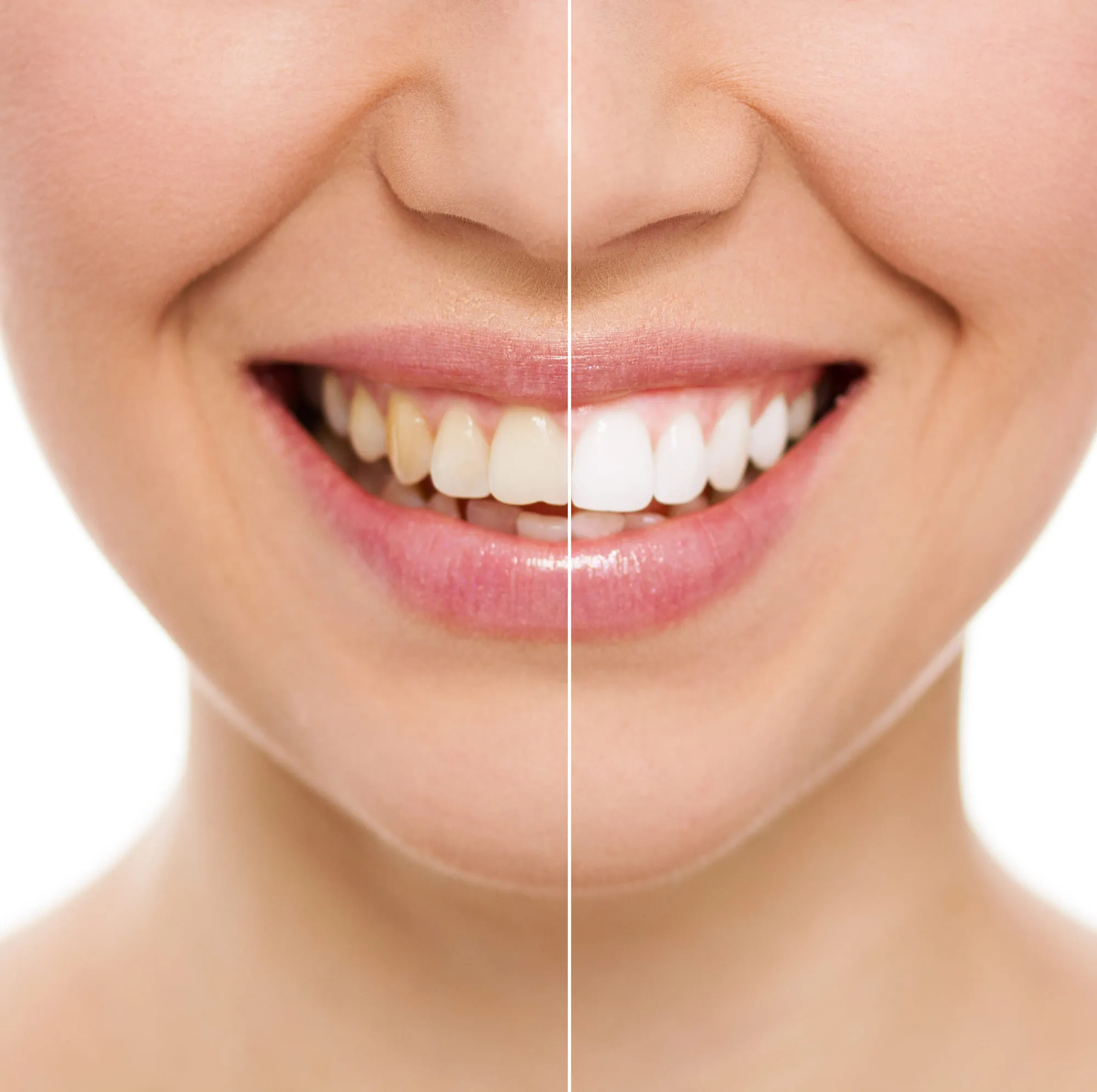
The Basics Understanding Teeth Whitening and Fillings
Understanding the relationship between teeth whitening and dental fillings is crucial for anyone considering cosmetic dental procedures. Teeth whitening is a popular cosmetic treatment aimed at brightening the natural enamel of your teeth. Fillings, on the other hand, are used to repair teeth that have been damaged by decay or injury. As you explore teeth whitening options, it’s important to know how these treatments may interact with existing dental work like fillings. This article will explore the basics of both teeth whitening and dental fillings to provide a comprehensive understanding of their interplay. By knowing the facts, you can make informed decisions about your dental health.
What is Teeth Whitening
Teeth whitening is a process designed to lighten the color of your teeth. This is typically achieved through the use of bleaching agents, often containing hydrogen peroxide or carbamide peroxide, which penetrate the enamel and dentin to break down stains and discoloration. The effectiveness of teeth whitening depends on the type of stains present, the concentration of the bleaching agent, and the duration of the treatment. Whitening treatments can range from over-the-counter products to professional procedures performed by a dentist. The goal of teeth whitening is to improve the aesthetic appearance of your smile, boosting confidence and overall oral health.
Different Types of Teeth Whitening Treatments

There are several methods for teeth whitening, each with its own pros and cons. Over-the-counter options include whitening toothpastes, strips, and gels. These are generally less potent than professional treatments and may provide only subtle results. Professional teeth whitening, performed by a dentist, offers stronger bleaching agents and can deliver more dramatic and faster results. This can be done in-office, using high-concentration peroxide solutions activated by special lights, or at-home with custom-fitted trays and prescription-strength gel. Choosing the right treatment depends on your individual needs, the severity of the discoloration, and your budget. Consulting with a dentist can help determine the most suitable approach for your teeth.
Understanding Dental Fillings
Dental fillings are materials used to restore the function and shape of teeth damaged by decay or fracture. When a dentist removes decay, the resulting cavity is filled with a filling material. Fillings not only prevent further decay but also restore the tooth’s ability to chew and function correctly. Several types of filling materials are available, including amalgam (silver-colored), composite resin (tooth-colored), glass ionomer, and porcelain. The choice of filling material depends on factors such as the size and location of the cavity, the patient’s aesthetic preferences, and cost considerations. Fillings are a fundamental part of restorative dentistry, preserving tooth health and preventing the need for more extensive treatments.
What are Fillings Made Of
The materials used in dental fillings vary in composition and properties. Amalgam fillings, composed of a mixture of metals, have been used for many years due to their durability and cost-effectiveness, although their use is decreasing due to aesthetic concerns. Composite resin fillings, made of a plastic matrix reinforced with glass particles, are tooth-colored and blend seamlessly with the natural teeth, making them a popular choice for cosmetic reasons. Glass ionomer fillings, which release fluoride, are often used for fillings in children or in areas where a fluoride-releasing material is beneficial. Porcelain fillings, or inlays and onlays, are custom-made in a dental lab and offer excellent aesthetics and durability.
Why Do People Get Fillings

Fillings are primarily used to repair teeth damaged by dental caries, commonly known as cavities. Cavities occur when bacteria in the mouth produce acids that erode the tooth enamel and dentin. Fillings are placed to remove the decayed portion of the tooth and to prevent the spread of decay. Fillings are also used to repair teeth that have been fractured or chipped due to trauma or biting hard objects. By restoring the structure of the tooth, fillings help to prevent further damage, maintain proper bite alignment, and alleviate pain or discomfort caused by the damage. Fillings play a critical role in preserving teeth and promoting oral health.
Top 5 Facts Teeth Whitening and Fillings
Fact 1 Fillings Won’t Whiten
One of the most important things to know is that dental fillings do not whiten with teeth whitening treatments. The materials used in fillings, such as composite resin or amalgam, do not contain the same properties as natural tooth enamel. Therefore, when you undergo teeth whitening, the natural teeth will lighten, but the fillings will remain the same color. This can lead to a noticeable color mismatch between the whitened teeth and the fillings, especially if the fillings are in the front of the mouth. Understanding this fact is important for setting realistic expectations and planning for potential cosmetic adjustments after whitening.
Why Fillings Don’t Respond to Whitening

The reason why fillings do not whiten is due to the nature of the materials used. Whitening agents, such as hydrogen peroxide, work by penetrating the porous structure of tooth enamel and breaking down stain molecules. Fillings, particularly composite resin, are designed to be non-porous and resistant to staining. The chemical reactions that occur during whitening cannot affect the color of the filling material. Amalgam fillings, being metal-based, also do not react to whitening agents. Therefore, the color of the fillings will stay constant while the surrounding enamel lightens, creating a potential aesthetic issue.
Fact 2 Potential Color Mismatch
As teeth whiten, the contrast between the newly brightened enamel and the existing fillings becomes more apparent. This color mismatch can be particularly noticeable in the front teeth, where aesthetics are most important. The extent of the mismatch depends on the original shade of the fillings, the degree of whitening achieved, and the position of the fillings. If the fillings are significantly darker than the whitened teeth, they may appear prominent and detract from the overall appearance of the smile. Patients should discuss these aesthetic concerns with their dentist before undergoing teeth whitening to explore options for addressing the color discrepancy.
The Impact of Whitening on Filling Shade
The impact of teeth whitening on filling shade varies depending on the type of filling. Composite fillings, while not whitening themselves, may slightly change color over time due to the absorption of stains from food and drinks, making the color mismatch more noticeable. Amalgam fillings remain unchanged, but the contrast with the lighter teeth can make them appear darker. In some cases, the dentist might recommend replacing the existing fillings with new ones that match the new shade of the whitened teeth to achieve a more uniform and attractive smile. This often requires a waiting period after the teeth whitening treatment to determine the final tooth shade.
Fact 3 Sensitivity Concerns
Teeth whitening can sometimes increase tooth sensitivity, and this effect may be more pronounced if you have fillings. The whitening agents can penetrate the enamel and reach the dentin, which contains the nerve endings. This can cause temporary sensitivity to hot or cold foods and drinks. If you have fillings, especially if they are close to the nerve of the tooth, the sensitivity may be heightened. This can be due to the filling material’s proximity to the nerve or any micro-leakage around the filling. Therefore, it’s important to discuss potential sensitivity issues with your dentist before starting a teeth whitening treatment.
How Whitening Can Increase Tooth Sensitivity
The increased sensitivity from teeth whitening is a common side effect. The bleaching agents, typically hydrogen peroxide, temporarily open the pores in the enamel, allowing the bleaching agents to reach the dentin. This can irritate the nerve endings and lead to sensitivity. Additionally, if you have any existing dental issues, such as small cracks or micro-leakage around fillings, the whitening agent can penetrate more easily, causing increased sensitivity. Using desensitizing toothpaste, avoiding highly acidic foods, and taking breaks from whitening treatments can help manage sensitivity. Your dentist may also recommend fluoride treatments to strengthen the enamel.
Fact 4 Fillings Can Be Damaged
While fillings are designed to be durable, some types of whitening treatments can potentially damage them. Specifically, certain high-concentration whitening agents or aggressive whitening techniques, such as those used in some in-office treatments, can affect the surface of some filling materials over time. Although rare, prolonged exposure to these agents can cause the filling material to degrade slightly, leading to micro-cracks or increased porosity. This is more likely with older filling materials or those that are not as well-sealed. If you have existing fillings, consulting your dentist about the best whitening options to minimize the risk of damage is advisable.
Risks of Bleaching Fillings

The risks of bleaching fillings are generally low, but they do exist, especially with certain types of treatments. The primary risk is the potential for surface erosion or degradation of the filling material, leading to micro-leakage or staining around the edges of the filling. This can compromise the integrity of the filling and make it more susceptible to future damage. Another concern is the possible sensitivity associated with the whitening process, which may be exacerbated if the fillings are in close proximity to the nerve. To mitigate these risks, it’s essential to choose whitening methods that are appropriate for your individual dental situation and to follow your dentist’s recommendations.
Fact 5 Consult a Dentist
Before starting any teeth whitening treatment, it’s critical to consult with your dentist. Your dentist can assess the health of your teeth and gums, identify any existing fillings, and discuss the potential impact of whitening on those fillings. They can also recommend the most suitable whitening options for your specific needs and help you manage any potential side effects, such as sensitivity. During your consultation, your dentist may also recommend replacing existing fillings with new ones that match the whitened teeth to improve the overall aesthetic outcome. Professional guidance ensures that you make informed decisions and achieve the best results while maintaining your oral health.
Seeking Professional Advice
Seeking professional advice from a dentist is crucial before undergoing teeth whitening. A dentist can perform a comprehensive examination to assess your oral health, identify any existing dental work, and determine if teeth whitening is appropriate for you. They can discuss your goals, the available whitening options, and the potential impact on your fillings. They can also help you understand the risks and benefits of each treatment and recommend the best course of action to achieve your desired results while maintaining your oral health. Regular dental check-ups and professional advice are essential for ensuring the success and safety of any teeth whitening procedure.
Alternatives to Whitening

If you are concerned about the impact of teeth whitening on your fillings or if you are not a suitable candidate for teeth whitening, alternative cosmetic options are available. These options can improve the appearance of your smile while addressing any existing dental work. Discussing these with your dentist will help you determine the best solution for your specific needs. Your dentist can offer tailored advice on the best approach to improving your smile.
Whitening Methods That Work with Fillings
While fillings do not whiten, certain whitening methods can be used in conjunction with fillings to achieve a brighter smile. Your dentist may recommend professional whitening treatments that are carefully monitored to minimize any potential negative effects on the fillings. Another approach is to whiten your natural teeth first and then replace the existing fillings with new ones that match the new, lighter shade of your teeth. This ensures a uniform color throughout your smile. It’s important to discuss these options with your dentist to determine the most appropriate and effective approach for your situation.
Considerations Before Whitening
Before undergoing teeth whitening, several factors should be considered to ensure the best results and minimize any potential risks. You should always consult with your dentist to assess your oral health and discuss your goals. Consider the type of fillings you have, as some materials may be more susceptible to staining or degradation than others. Consider your sensitivity levels. If you have a history of sensitive teeth, whitening may increase this sensitivity. Make sure to choose a whitening method appropriate for your individual needs and follow your dentist’s recommendations. Understanding these considerations will help you make informed decisions and achieve the desired aesthetic outcome safely.