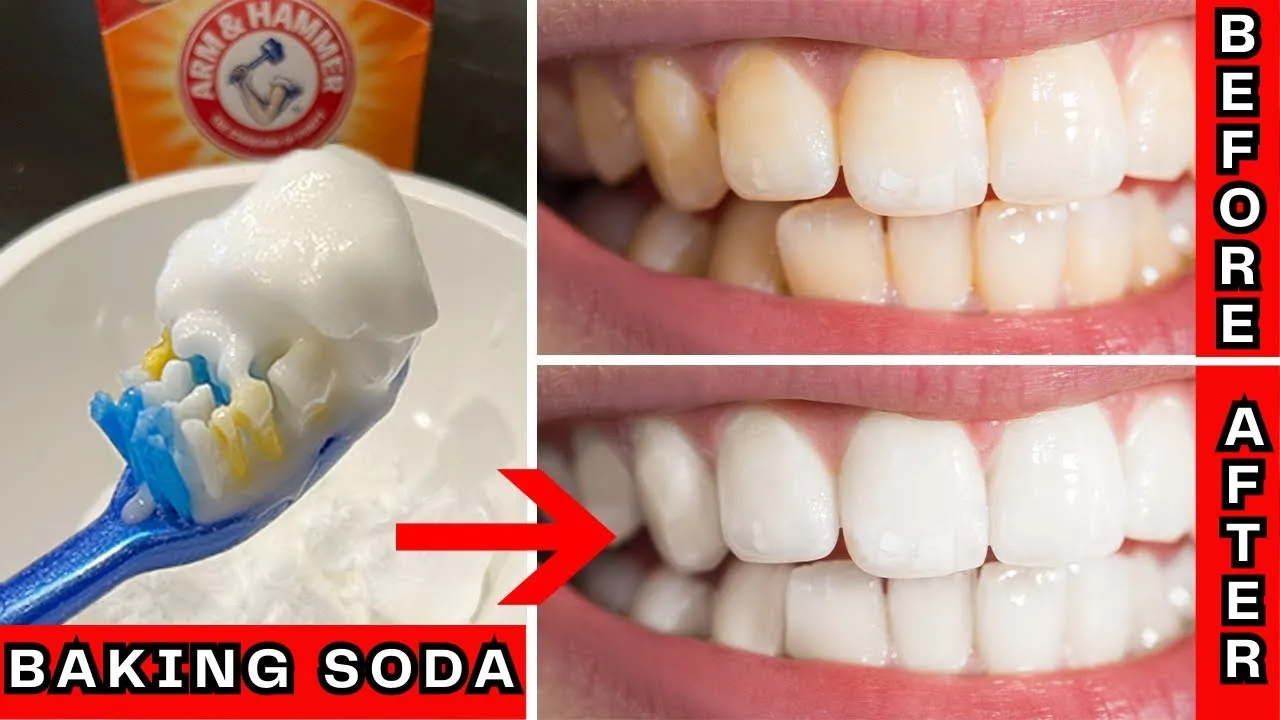
Understanding Baking Soda for Teeth Whitening
The quest for a brighter smile often leads individuals to explore various at-home remedies, and baking soda consistently emerges as a popular choice. This readily available household ingredient, also known as sodium bicarbonate, has gained traction for its potential teeth-whitening properties. However, it’s essential to approach this method with a balanced understanding of its benefits, limitations, and potential risks. Many people seek cost-effective solutions, making baking soda an attractive option. Moreover, its ease of accessibility eliminates the need for specialized products or appointments, which is a huge plus for a lot of people. Before diving into how to use baking soda for teeth whitening, it’s crucial to understand its role in oral care, as well as whether it is suitable for you.
How Does Baking Soda Whiten Teeth
Baking soda is believed to whiten teeth through a combination of mechanisms. Primarily, it acts as a mild abrasive, helping to scrub away surface stains from the enamel. These stains accumulate from various sources, including coffee, tea, wine, and tobacco. The abrasive nature of baking soda helps to dislodge these stains, leading to a perception of whiter teeth. Additionally, baking soda has mild alkaline properties. This can help neutralize acids in the mouth, which can contribute to enamel erosion and tooth discoloration. By reducing acidity, baking soda may create a more favorable environment for oral health, thereby assisting the whitening process. It is important to note that baking soda doesn’t change the inherent color of your teeth, but rather, it removes surface stains, leading to a perceived brightening effect.
The Science Behind Baking Soda’s Abrasiveness

The effectiveness of baking soda in teeth whitening largely depends on its abrasive properties. Abrasives are substances with rough surfaces that can physically remove stains and debris from tooth surfaces. The abrasiveness of baking soda is relatively low compared to some commercial toothpastes, making it less likely to cause significant enamel damage when used properly. However, it is still an abrasive, and excessive or improper use can potentially harm the enamel. The abrasive action of baking soda can help in polishing the teeth, making them appear smoother and, consequently, brighter. However, it’s crucial to use baking soda with care, avoiding aggressive scrubbing, which can wear down the enamel over time. The degree of abrasiveness is a key factor in its ability to remove stains, but it also contributes to the potential risk of enamel erosion.
Top 5 Tips for Baking Soda Teeth Whitening
Tip 1 Use the Right Ratio of Baking Soda and Water
The foundation of successful baking soda teeth whitening lies in the correct mixture of baking soda and water. A common and effective ratio is to mix a small amount of baking soda, about one teaspoon, with enough water to form a paste. The consistency should be similar to toothpaste – thick enough to adhere to the toothbrush but not too dry. This ratio ensures that you have enough baking soda to achieve the desired whitening effect while minimizing the risk of excessive abrasion. Adjusting the amount of water can also affect the paste’s abrasiveness. Too little water can make the paste more abrasive, while too much might dilute its whitening power. Always start with the recommended ratio and adjust as needed to find the right balance for your needs and dental sensitivity.
The Importance of Consistency in Whitening

Achieving noticeable teeth whitening results with baking soda requires consistent use. While a single application may yield a slight improvement, significant changes typically occur with regular, but not excessive, use. Consistency means brushing with the baking soda paste at a regular frequency, typically once or twice a week. It’s important to maintain a balanced approach. Consistency ensures that the abrasive action of the baking soda continuously removes surface stains, gradually revealing brighter teeth. However, overdoing it can lead to enamel erosion and increased sensitivity. Therefore, striking a balance between consistency and moderation is crucial to reap the benefits without compromising oral health. It’s about finding the right frequency that works for your teeth and overall dental care routine.
Tip 2 Proper Brushing Technique
The brushing technique is a critical aspect of using baking soda for teeth whitening, directly influencing the effectiveness and safety of the process. It’s important to use a soft-bristled toothbrush to minimize the risk of abrasion to the enamel. Apply the baking soda paste to the brush and gently brush your teeth in circular motions, ensuring that you cover all surfaces. Avoid scrubbing too hard or applying excessive pressure, as this can wear away the enamel and lead to sensitivity. Focus on a thorough but gentle cleaning action, allowing the baking soda to lift stains without aggressive force. Spend about two minutes brushing your teeth, covering all areas, including the front, back, and chewing surfaces. This careful approach ensures that you maximize the whitening effect while protecting your dental health.
Avoiding Aggressive Brushing
Aggressive brushing is a major pitfall to avoid when using baking soda for teeth whitening. Overly forceful brushing can lead to enamel erosion, making your teeth more susceptible to cavities and sensitivity. Aggressive scrubbing can also damage the gums, causing them to recede over time. It’s crucial to prioritize gentle, consistent brushing over forceful techniques. Listen to your teeth; if you feel discomfort or excessive abrasion, adjust your technique immediately. Consider using a toothbrush with softer bristles and apply less pressure. The goal is to clean your teeth effectively without causing harm, which is the most important aspect of your overall oral health. Regular dental check-ups can help identify signs of enamel erosion or gum damage, allowing you to adjust your brushing habits as needed. Practice makes perfect and always be mindful of your brushing method.
Tip 3 Frequency of Use

The frequency of using baking soda for teeth whitening is a crucial factor to consider. While it can be an effective way to remove stains, overusing it can lead to negative side effects. As a general guideline, it’s recommended to use baking soda for teeth whitening no more than once or twice a week. Using it more frequently than this can increase the risk of enamel erosion and gum irritation. The abrasive nature of baking soda means that frequent use can gradually wear down the enamel, making your teeth more vulnerable to sensitivity and decay. Listen to your teeth and adjust your usage based on their condition. If you experience increased sensitivity or any other adverse effects, it’s best to reduce the frequency or discontinue use altogether. The aim is to strike a balance between whitening and maintaining the health of your teeth.
Overuse and Potential Risks
Overuse of baking soda for teeth whitening poses several potential risks that you should be aware of. The abrasive nature of baking soda can gradually erode the enamel, the protective outer layer of your teeth. Enamel erosion increases your risk of cavities, tooth sensitivity, and other dental problems. Additionally, overuse can irritate the gums, leading to inflammation, bleeding, and gum recession. These issues not only affect your oral health but can also impact the aesthetics of your smile. Regular use can change the pH balance in your mouth, which can lead to further dental problems. To minimize these risks, it’s important to use baking soda sparingly and always consult with a dentist if you have any concerns about your oral health.
Tip 4 Consider Adding Other Ingredients
Enhancing baking soda’s whitening effect can be achieved by combining it with other ingredients, but it is crucial to exercise caution and ensure compatibility. One popular combination is baking soda with hydrogen peroxide, a mild bleaching agent. Hydrogen peroxide can help to oxidize the stains on your teeth, further brightening your smile. When combining these ingredients, it’s important to use the correct proportions. A common recipe involves mixing baking soda with a small amount of 3% hydrogen peroxide to form a paste. This combination is designed to boost the whitening action while still being gentle on the teeth. Be mindful that everyone’s teeth are different, so always start with small amounts and monitor your teeth for any signs of sensitivity or irritation. Not all combinations are effective or safe, so always prioritize research and caution when mixing different ingredients.
Benefits of Combining with Hydrogen Peroxide

Combining baking soda with hydrogen peroxide can offer several benefits in teeth whitening. Hydrogen peroxide acts as a mild bleaching agent, breaking down stains and lightening the color of your teeth. When used with baking soda, this effect is amplified, leading to potentially faster and more noticeable results. The combined action also helps in removing surface stains more effectively. The baking soda provides abrasive action to scrub away surface stains, while the hydrogen peroxide penetrates the enamel to target deeper discoloration. This combination is often used in professional teeth whitening treatments, making it a cost-effective alternative to get similar results. However, it is important to note that hydrogen peroxide can cause tooth sensitivity for some people. Therefore, it’s important to start with a low concentration and gradually increase it as needed, always prioritizing oral health.
Tip 5 Maintaining Oral Hygiene
Maintaining oral hygiene is paramount when using baking soda for teeth whitening. Regular brushing and flossing are essential for removing plaque, food particles, and bacteria, which contribute to tooth discoloration and overall dental health problems. While baking soda can help with whitening, it’s not a replacement for a complete oral hygiene routine. Make sure you brush your teeth at least twice a day for two minutes each time using a fluoride toothpaste. This is a vital step in preventing cavities and gum disease. Flossing daily is equally important, as it removes food particles and plaque from between your teeth and below the gumline, areas that a toothbrush cannot reach. Good oral hygiene creates a healthy foundation for whitening treatments and also helps maintain your teeth and gums.
The Importance of Regular Dental Check-ups
Regular dental check-ups are a non-negotiable part of oral hygiene, especially when using DIY teeth whitening methods like baking soda. Professional dental cleanings can remove plaque and tartar, which can cause staining and make your teeth appear dull. During these check-ups, your dentist can assess the overall health of your teeth and gums, identifying any potential issues early on. Regular check-ups can also help detect and address any adverse effects from using baking soda, such as enamel erosion or gum irritation. Your dentist can provide personalized advice on the proper use of baking soda and recommend any necessary adjustments to your oral care routine. They can also offer professional whitening treatments if you desire a more significant change in your smile. Prioritizing dental check-ups ensures that you maintain optimal oral health while achieving your desired teeth whitening goals. A healthy mouth is a happy mouth!
Baking Soda Whitening Risks and Side Effects

While baking soda can be an effective teeth-whitening agent, it’s important to be aware of the potential risks and side effects. Misuse or overuse of baking soda can lead to several adverse effects that can compromise your oral health. It’s crucial to understand these risks and take precautions to protect your teeth and gums. Always use baking soda in moderation, and be vigilant about any changes in the sensitivity or appearance of your teeth. Consulting with a dentist is the best way to ensure that you’re using baking soda safely and effectively. By prioritizing awareness and caution, you can make informed decisions about your oral care routine and achieve a brighter smile without harming your teeth.
Enamel Erosion
Enamel erosion is one of the primary concerns when using baking soda for teeth whitening. Enamel is the hard, protective outer layer of your teeth, and it is susceptible to damage from excessive abrasion. The abrasive nature of baking soda can wear away the enamel over time, making your teeth more vulnerable to cavities, sensitivity, and discoloration. Once enamel is eroded, it cannot be replaced, and your teeth may become permanently more sensitive to hot and cold foods and drinks. You may also experience toothaches or pain. Watch for signs of enamel erosion such as increased sensitivity to temperature changes, yellowing of your teeth, and a rough texture. If you notice any of these signs, it’s important to reduce your use of baking soda and consult with your dentist as soon as possible.
Gum Irritation
Gum irritation is another potential side effect to consider when using baking soda for teeth whitening. The abrasive nature of baking soda can irritate the delicate tissues of your gums, leading to inflammation, redness, and bleeding. Aggressive brushing and frequent use of baking soda can exacerbate this issue. Gum irritation can be uncomfortable and may increase your risk of gum disease. If you experience any signs of gum irritation, such as bleeding, swelling, or tenderness, it is essential to stop using baking soda immediately. You can switch to a gentler toothpaste and brush with soft bristles. Be sure to consult your dentist if the irritation persists or worsens, as they can assess the extent of the damage and recommend appropriate treatments. The goal is always to promote healthy gums and prevent further dental issues.
Alternatives to Baking Soda for Whitening
If you’re looking for alternatives to baking soda for teeth whitening, there are several options available, ranging from over-the-counter products to professional treatments. These alternatives offer varying levels of effectiveness and come with different potential risks. Choosing the right option depends on your individual needs, preferences, and oral health condition. If you’re concerned about the risks associated with baking soda or simply want to explore other options, it’s important to research different methods and consult with a dental professional before trying anything new. Your dentist can help you make an informed decision that best suits your specific situation.
Professional Teeth Whitening Options
Professional teeth whitening offers the most effective and safest way to whiten your teeth. Dentists use high-concentration bleaching agents and specialized techniques to achieve dramatic results. These treatments are performed under the supervision of a dental professional, ensuring the safety and effectiveness of the procedure. Professional teeth whitening offers several advantages, including faster results, customized treatments, and the ability to address deeper stains. It is also possible to do the treatments in-office, which provides immediate results, or take-home whitening kits, which allow you to whiten your teeth gradually at your convenience. While professional treatments tend to be more expensive than at-home remedies, they provide the best results and reduce potential risks. Consult your dentist to learn more about these options, including the cost, duration, and potential side effects.
Over-the-Counter Whitening Products
Over-the-counter teeth whitening products are a convenient and accessible alternative to professional treatments. These products come in various forms, including whitening toothpastes, strips, gels, and trays, allowing you to choose the one that best suits your needs and preferences. Over-the-counter whitening products typically contain lower concentrations of bleaching agents compared to professional treatments. However, they can still provide noticeable results with consistent use. When selecting an over-the-counter product, it’s essential to consider factors such as the active ingredients, the level of sensitivity, and the ease of use. Always read the product instructions carefully and follow the recommended usage guidelines. Keep in mind that these products may not be as effective for certain types of stains and that they are not a substitute for professional dental care. If you experience any side effects, discontinue use and consult with a dentist.