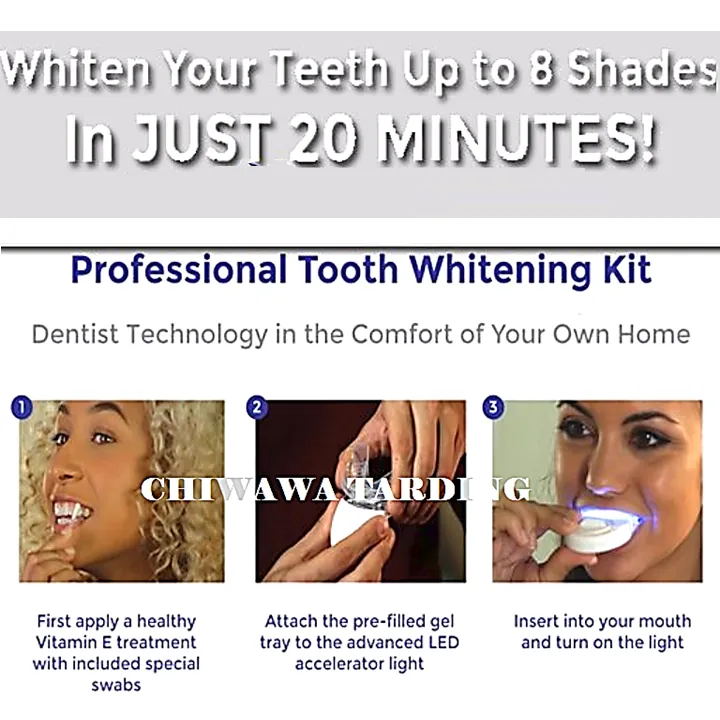
Understanding 20 Min Teeth Whitening
In today’s fast-paced world, the desire for a brighter smile has led to the popularity of quick teeth whitening solutions. Teeth whitening in 20 minutes promises a rapid transformation, but it’s crucial to understand what this entails. This method typically involves using products that deliver fast results, often utilizing higher concentrations of whitening agents or advanced light-activated systems. The appeal is undeniable rapid improvement in the shade of your teeth. However, the effectiveness and safety of these methods depend heavily on the specific product or procedure used, as well as individual factors such as the type of stains and the natural shade of your teeth. This guide delves into how 20-minute teeth whitening works, its various forms, the benefits, and the essential considerations to ensure you make informed choices for a dazzling smile.
How 20 Min Teeth Whitening Works
The core principle behind 20-minute teeth whitening is to use bleaching agents to break down stains on the surface of your teeth and within the enamel. These agents, typically hydrogen peroxide or carbamide peroxide, release oxygen molecules that penetrate the enamel and dentin, oxidizing the stain molecules. The efficiency of the whitening process is often enhanced by the use of specialized lights. These lights emit specific wavelengths of light that activate the whitening agents, speeding up the bleaching process. Some systems may also incorporate desensitizing agents to minimize any potential discomfort. The duration of 20 minutes is often achieved by using higher concentrations of whitening agents. However, the higher the concentration, the greater the risk of sensitivity. Therefore, understanding the method’s mechanism is vital before opting for this procedure.
The Science Behind Quick Whitening

The effectiveness of quick teeth whitening stems from the interaction between the whitening agents and the tooth structure. Hydrogen peroxide and carbamide peroxide are the primary active ingredients in these products. They work by penetrating the porous enamel of the teeth and breaking down the stain molecules that cause discoloration. The speed at which this process occurs depends on several factors, including the concentration of the whitening agent, the duration of application, and the use of any light-activated systems. In addition, the structure of the teeth themselves plays a vital role; teeth with more porous enamel might respond more rapidly to whitening treatments. While the process can deliver quick results, it’s also important to note that the longevity of the whitening effects can vary based on factors like diet, oral hygiene, and lifestyle choices. Further scientific research constantly explores more efficient and safe techniques to maximize the speed and effectiveness of teeth whitening procedures.
Types of 20 Min Teeth Whitening Methods
When it comes to achieving a brighter smile in just 20 minutes, various methods are available, each utilizing different techniques and products. These can be broadly categorized into at-home and professional treatments. At-home methods are typically more accessible and affordable, often involving whitening strips, gels, or trays, whereas professional methods are carried out by dentists and involve the use of stronger bleaching agents and advanced equipment, like specialized lights. The primary distinction lies in the concentration of the bleaching agents used and the level of supervision during the procedure. Understanding the different types of 20-minute teeth whitening methods allows you to make a choice that best suits your needs, preferences, and budget. Each method has its specific advantages and potential drawbacks, which we’ll explore in the following sections.
At-Home Whitening Techniques
At-home teeth whitening options provide a convenient and often more budget-friendly way to brighten your smile. These typically involve using over-the-counter products such as whitening strips, whitening gels applied with custom or pre-made trays, and whitening toothpastes. Whitening strips are easy to use; they stick directly to the teeth and contain a thin layer of hydrogen peroxide or carbamide peroxide. Whitening gels can be applied using a tray, either a custom-fitted tray from your dentist or a pre-formed one. Whitening toothpastes contain mild abrasives and chemical agents that help remove surface stains. While these methods are less potent than professional treatments, they can still produce noticeable results over time with consistent use. It’s important to follow the instructions carefully and be aware that these products may not be suitable for everyone, especially those with sensitive teeth or existing dental issues. Always consult with your dentist before starting any at-home whitening regimen.
Over-the-Counter Options

Over-the-counter (OTC) teeth whitening products are readily available and designed for ease of use at home. These products include whitening strips, whitening gels, and whitening toothpastes. Whitening strips typically contain a lower concentration of hydrogen peroxide compared to professional treatments, making them a safer option for self-application. Whitening gels are often used with pre-formed or custom trays, containing a similar bleaching agent as strips. Whitening toothpastes often have mild abrasives that help remove surface stains. OTC products are a convenient choice for those looking for a quick, affordable way to improve their smile. However, they might not be as effective for deep-seated stains or significant discoloration, and results are typically less dramatic compared to professional treatments. Always read and follow the product instructions carefully to ensure safe and effective use, and consult a dentist if you have concerns about suitability or side effects.
Professional 20 Min Whitening
Professional 20-minute teeth whitening is performed by a dentist in a clinical setting and offers the quickest and most dramatic results. This method uses a high concentration of hydrogen peroxide or carbamide peroxide to bleach the teeth. Often, a special light or laser is used to accelerate the whitening process, activating the bleaching agent more efficiently. Before the treatment, the dentist will usually clean your teeth and protect your gums with a protective barrier. The whitening agent is then applied to the teeth for a specific period, followed by the use of the light or laser. This procedure is usually completed in one or two visits, and you can see significant improvement in the shade of your teeth immediately. While professional whitening is more expensive than at-home methods, it provides the most effective and long-lasting results. Additionally, the dentist can address any sensitivity concerns and ensure the treatment is suitable for your specific needs.
Benefits of 20 Min Whitening
Quick teeth whitening offers several advantages that make it an appealing option for many people. The primary benefit is the rapid improvement in tooth shade, which is especially valuable for those who have important events or want to see immediate results. The speed of the procedure is a significant convenience factor, fitting easily into busy schedules and requiring minimal time commitment. Furthermore, a brighter smile can boost self-esteem and confidence, influencing your overall appearance and social interactions. The ease of obtaining quick whitening procedures, whether through at-home kits or professional treatments, is another key advantage. With the various options available, you can choose the method that best fits your lifestyle and preferences, enjoying the benefits of a whiter, more radiant smile with minimal effort.
Fast Results and Convenience

The primary appeal of 20-minute teeth whitening lies in its ability to deliver rapid results. Unlike traditional methods that may require weeks or months to show a noticeable difference, quick whitening provides immediate improvement, allowing you to see the benefits almost instantly. This fast turnaround makes it ideal for special occasions or when you simply want a quick boost to your smile. The convenience factor is another significant advantage. The procedures are designed to fit into busy schedules with minimal disruption. Both professional treatments and many at-home kits are simple and easy to incorporate into your routine. This combination of speed and convenience makes quick teeth whitening a desirable option for those seeking an efficient way to achieve a brighter, more attractive smile.
Boosting Confidence with a Brighter Smile
A whiter, brighter smile can have a significant impact on your self-esteem and confidence. Teeth whitening in 20 minutes offers an immediate boost to your appearance, making you feel more attractive and self-assured. A brighter smile can create a positive first impression in social and professional settings, affecting how others perceive you. When you are confident in your smile, it naturally affects your demeanor, making you more likely to smile broadly, engage in conversations, and exude a more positive attitude. This increased confidence can have a ripple effect, improving your overall well-being and helping you feel more comfortable and successful in various aspects of your life. The instant gratification of quick whitening can make you feel more empowered and ready to face the world.
Considerations and Safety
While 20-minute teeth whitening can be a highly effective cosmetic treatment, it’s essential to understand the potential risks and safety considerations before undergoing the procedure. The effectiveness of quick whitening can depend on the concentration of whitening agents used, the type of stains, and the condition of your teeth. It’s also important to evaluate the potential side effects, such as tooth sensitivity and gum irritation. The choice of method, whether at-home or professional, also influences the safety and results. Always consult with a dentist to assess your suitability for the treatment and to ensure that it aligns with your overall oral health. Considering the risks involved and the possible effects helps you make informed decisions for a healthy and radiant smile.
Potential Risks and Side Effects

Even though quick teeth whitening offers many benefits, it’s important to be aware of potential risks and side effects. Tooth sensitivity is one of the most common side effects, where teeth become sensitive to hot or cold foods and beverages. Gum irritation can also occur, especially if the whitening agent comes into contact with the gums. Other less common effects include uneven whitening, where some areas of the teeth respond better to treatment than others, and the possibility of damage to existing dental work, such as fillings or crowns. The severity of these side effects can vary depending on the method used, the concentration of the whitening agent, and the individual sensitivity of your teeth. Consulting with a dentist beforehand helps you understand the risks and how to manage any potential issues, ensuring a safer and more comfortable experience.
Who is a Good Candidate
Not everyone is an ideal candidate for 20-minute teeth whitening. The best candidates are those with generally healthy teeth and gums, free from significant dental issues such as cavities or gum disease. Individuals with surface stains from coffee, tea, or tobacco often achieve the best results. Those with existing dental work, such as fillings or crowns, should be aware that these will not whiten with the procedure. The shade of the natural teeth also impacts the outcomes; those with yellower teeth tend to respond better than those with gray or bluish discoloration. Before undergoing treatment, it’s crucial to consult with a dentist. They can assess your oral health, determine if whitening is appropriate, and recommend the most suitable method to achieve the desired results while minimizing potential risks.
Maintaining Your White Smile
Once you’ve achieved a brighter smile through teeth whitening, maintaining the results requires conscious effort and the adoption of good oral hygiene habits. This involves practices such as regular brushing and flossing, using a whitening toothpaste to help remove surface stains, and scheduling professional dental cleanings to remove plaque and tartar build-up. Avoiding foods and beverages that stain teeth, such as coffee, tea, red wine, and dark-colored berries, can extend the life of your whitening results. Moreover, regular touch-up treatments, as recommended by your dentist, may be necessary to maintain the desired shade of your teeth. By incorporating these strategies, you can enjoy your radiant smile for a longer period.
Post-Whitening Care Tips

After teeth whitening, especially in 20-minute treatments, proper post-whitening care is essential to maintain the results and minimize any sensitivity. It’s important to avoid foods and beverages that stain teeth for at least the first 24 to 48 hours. This includes coffee, tea, red wine, dark juices, and deeply pigmented foods like berries and soy sauce. Using a desensitizing toothpaste can help reduce any tooth sensitivity. Regular brushing and flossing, combined with professional dental cleanings, will also help keep your teeth clean and bright. Your dentist may also recommend using a fluoride treatment to strengthen your enamel and protect against potential side effects. Following these post-whitening care tips helps you extend the longevity of your results and preserve your bright smile.
Lifestyle Habits for a Lasting Effect
Certain lifestyle habits significantly impact the duration of your teeth whitening results. One of the most critical habits is avoiding or limiting the consumption of foods and beverages that stain teeth. This includes coffee, tea, red wine, dark-colored sodas, and heavily pigmented foods such as berries and soy sauce. Smoking and other tobacco products can also cause significant staining, so quitting or avoiding these is recommended. Maintaining good oral hygiene, including regular brushing, flossing, and professional dental cleanings, is essential to remove surface stains and plaque buildup. Using a whitening toothpaste can also help remove stains. Routine dental check-ups are critical. These habits combined with a healthy lifestyle will help you preserve your radiant, white smile for an extended period.
Maximizing Your 20 Min Teeth Whitening
To get the best results from 20-minute teeth whitening, it’s crucial to prepare your teeth beforehand and follow the recommendations for post-treatment care. Before undergoing any whitening procedure, it is essential to have a dental check-up to address any existing dental issues such as cavities or gum disease. Your dentist will professionally clean your teeth, removing surface stains and plaque, which will improve the effectiveness of the whitening treatment. Make sure that you follow all aftercare instructions provided by your dentist or the product instructions. Also, make informed choices about your diet, oral hygiene habits, and lifestyle choices to optimize and extend the benefits of your teeth whitening. By integrating these strategies, you’ll have the best possible outcome and enjoy a brighter, more confident smile.
Tips for Best Results

To achieve the most effective results from your 20-minute teeth whitening treatment, certain measures can be taken to improve the outcome. Start by consulting your dentist to address any existing dental concerns, such as cavities or gum disease, before the procedure. Professional teeth cleaning to remove plaque and surface stains will also help. Follow the specific instructions of the chosen whitening method, whether at-home or professional. Use a desensitizing toothpaste for a couple of weeks before treatment to minimize sensitivity. Avoid staining foods and beverages like coffee, tea, and red wine, particularly in the first few days after whitening. Maintain a consistent oral hygiene routine, including regular brushing, flossing, and dental check-ups. Also, use a whitening toothpaste, as recommended by your dentist. This approach will enhance your results, leading to a brighter and more lasting smile.
Common Mistakes to Avoid
To ensure the best outcome from your 20-minute teeth whitening treatment, avoiding common mistakes is essential. One frequent mistake is not consulting a dentist before starting the procedure. Your dentist can evaluate your oral health and determine the suitability of the treatment. Another mistake is overusing whitening products or exceeding the recommended treatment time, which can increase the risk of tooth sensitivity and gum irritation. Failing to follow the aftercare instructions can also reduce the effectiveness of the whitening and lead to faster staining. Neglecting good oral hygiene habits, such as brushing and flossing regularly, can also hinder results. Finally, ignoring dietary restrictions and consuming staining foods and beverages shortly after whitening can diminish the benefits. By avoiding these common mistakes, you can maximize the effectiveness and longevity of your teeth whitening treatment, achieving a brighter, more confident smile.