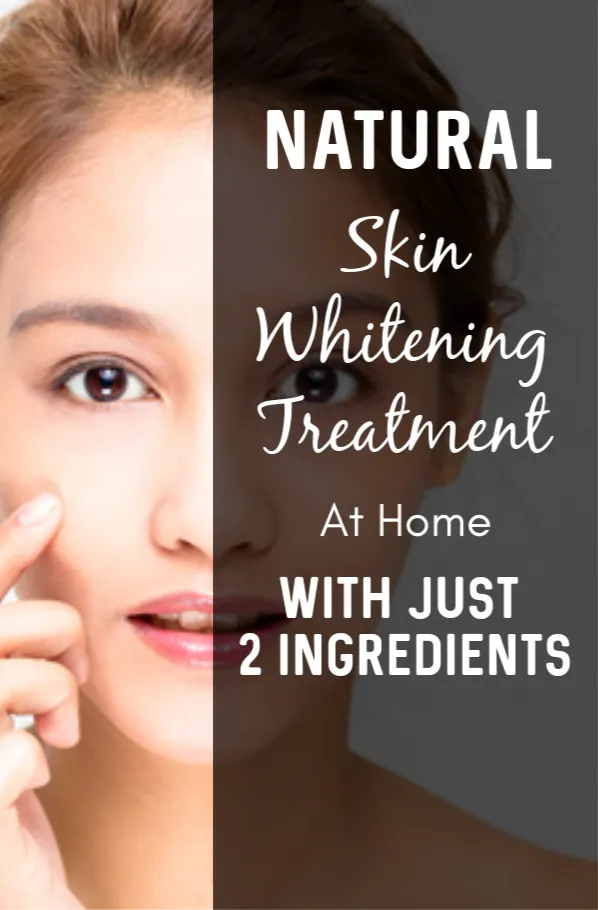
Unveiling Skin Whitening Secrets
The quest for radiant, even-toned skin is as old as beauty itself. Skin whitening, or skin lightening, has become a sought-after goal for many, fueled by a desire to diminish imperfections like dark spots, sun damage, and uneven pigmentation. While numerous cosmetic products promise quick fixes, the exploration of natural skin whitening techniques offers a gentler, often more sustainable approach. These methods typically utilize ingredients readily available, minimizing the risks of harsh chemicals and potential side effects. This article delves into seven effective natural techniques, revealing secrets to achieving a brighter, more luminous complexion.
Exfoliation Importance for Skin Whitening
Before exploring specific techniques, it is crucial to understand the importance of exfoliation in any skin whitening regimen. Exfoliation is the process of removing dead skin cells from the surface of the skin. This is an important step because the buildup of dead cells can make the skin appear dull, uneven, and can even block the absorption of other skin lightening treatments. Regularly exfoliating the skin reveals a fresher layer, allowing for better penetration of active ingredients and promoting a more even skin tone. Whether using physical or chemical exfoliants, this is the first step for any natural skin whitening program.
Gentle Exfoliation Techniques

Gentle exfoliation is best for most skin types, especially those with sensitive skin. Physical exfoliants, such as sugar scrubs or finely ground oatmeal, can be used in circular motions to gently slough away dead skin cells. Another option is using a washcloth or a soft-bristled brush. Always be gentle when using physical exfoliants, as over-scrubbing can cause irritation and damage. Ensure you do not use harsh ingredients and always moisturize after exfoliating to prevent dryness and maintain skin hydration.
Chemical Exfoliation Considerations
Chemical exfoliants, like AHAs (Alpha Hydroxy Acids) such as glycolic or lactic acid, and BHAs (Beta Hydroxy Acids) like salicylic acid, work by dissolving the bonds that hold dead skin cells together. These are available in varying concentrations, and it is essential to start with a low concentration and gradually increase it. Chemical exfoliants can be more effective than physical exfoliants, but they can also be more irritating, especially for those with sensitive skin. Always follow product instructions and be sure to use sunscreen, as these products increase skin sensitivity to the sun. Consult with a dermatologist if you are unsure about the right approach for your skin type.
Top 7 Skin Whitening Techniques Revealed
Now, let’s delve into the seven natural skin whitening techniques, each using readily available ingredients and offering unique benefits for achieving a brighter complexion.
Technique 1 Lemon Juice Application

Lemon juice is a popular ingredient in natural skin lightening due to its citric acid content, a natural AHA. The acid helps to exfoliate the skin, lighten dark spots, and brighten the overall complexion. The vitamin C in lemon juice also provides antioxidant benefits, protecting the skin from damage caused by free radicals. However, it is important to use lemon juice with caution, as its acidity can irritate sensitive skin. Always perform a patch test before applying it to a larger area.
Benefits of Lemon Juice for Skin
The benefits of lemon juice include its ability to exfoliate the skin, its high vitamin C content, and its potential to reduce the appearance of dark spots and blemishes. Lemon juice can also help to control oil production. The citric acid in lemon juice works to remove dead skin cells, unclog pores, and leave skin feeling refreshed. The vitamin C, which is a potent antioxidant, helps to protect the skin from environmental damage, and promotes collagen production, which contributes to skin elasticity.
Precautions Using Lemon Juice
Always dilute lemon juice with water before applying it to your skin. Apply lemon juice only at night because it increases sun sensitivity. It is essential to perform a patch test before applying lemon juice to your entire face. If you experience any irritation, discontinue use immediately. Avoid using lemon juice on open wounds or broken skin. When using lemon juice, wear sunscreen with a high SPF every day to protect your skin from sun damage.
Technique 2 Turmeric Mask

Turmeric, a spice commonly used in cooking, has potent anti-inflammatory and antioxidant properties that can benefit the skin. It contains curcumin, a compound that has been shown to reduce hyperpigmentation and brighten the skin. Turmeric has been used for centuries in traditional medicine to treat various skin conditions, and its skin-lightening effects are now well-recognized.
Turmeric Benefits for Skin
Turmeric offers numerous benefits for the skin, including its anti-inflammatory and antioxidant properties, and its ability to reduce hyperpigmentation. Curcumin, the active compound in turmeric, helps to calm inflamed skin, and is effective for acne. The antioxidants in turmeric protect the skin from free radical damage and contribute to the skin’s natural glow. Regular use of turmeric masks can lead to a more even skin tone and a radiant complexion.
How to Make a Turmeric Mask
To make a turmeric mask, mix one teaspoon of turmeric powder with two tablespoons of plain yogurt or milk and a few drops of honey. Apply the paste to your face and leave it on for 15-20 minutes. Rinse with lukewarm water. Use the mask once or twice a week to see the best results. Be aware that turmeric can stain the skin temporarily, so do not be alarmed if your skin appears slightly yellow after use; this should fade within a few hours.
Technique 3 Yogurt Application

Yogurt, especially plain yogurt, is rich in lactic acid, an AHA that gently exfoliates the skin, promoting cell turnover and revealing a brighter complexion. Yogurt also contains probiotics, which help to balance the skin’s natural bacteria and reduce inflammation. These properties make yogurt a gentle yet effective ingredient for skin lightening and general skin health.
Yogurt Benefits for Skin
The benefits of yogurt for the skin include its exfoliating properties, its ability to reduce inflammation, and its moisturizing effect. Lactic acid in yogurt gently removes dead skin cells, revealing fresh and brighter skin beneath. The probiotics help to soothe irritated skin and reduce redness. Yogurt also acts as a humectant, attracting and retaining moisture in the skin, making it soft and supple.
Yogurt Mask Recipe
To make a simple yogurt mask, apply plain yogurt directly to your face and leave it on for 15-20 minutes. Rinse with lukewarm water. For enhanced benefits, you can mix the yogurt with other ingredients like honey or turmeric. For example, combine two tablespoons of plain yogurt, one teaspoon of honey, and a pinch of turmeric. Apply the mask, let it sit for 15 minutes, and then rinse. Repeat this procedure once or twice a week for best results.
Technique 4 Honey Mask

Honey is a natural humectant, meaning it draws moisture to the skin, keeping it hydrated and plump. It also has antibacterial and anti-inflammatory properties, which can help reduce acne and redness. Honey can also gently lighten the skin tone due to its ability to promote cell turnover and its mild antioxidant properties.
Honey Benefits for Skin
Honey is packed with benefits, including its moisturizing, antibacterial, and anti-inflammatory properties. It hydrates the skin, leaving it soft and supple. Its antibacterial qualities can help reduce breakouts and keep the skin clear, while its anti-inflammatory action can soothe redness and irritation. Honey can also enhance the skin’s natural radiance, contributing to a brighter complexion.
How to Apply a Honey Mask
To apply a honey mask, simply spread a thin layer of raw honey over clean, dry skin. Let it sit for 15-20 minutes, allowing the honey to work its magic. Rinse thoroughly with lukewarm water. For added benefits, you can mix honey with other ingredients like yogurt or lemon juice. For example, mix one tablespoon of honey with a few drops of lemon juice, apply to your face, and rinse after 15 minutes. Always perform a patch test before applying any new mask to your entire face.
Technique 5 Aloe Vera Application

Aloe vera is well-known for its soothing and healing properties. It contains vitamins, minerals, and antioxidants that can benefit the skin in numerous ways. Aloe vera can lighten the skin and reduce the appearance of dark spots due to its aloin content, which inhibits the production of melanin. It also moisturizes the skin and reduces inflammation, making it an excellent choice for sensitive skin.
Aloe Vera Benefits for Skin
The benefits of aloe vera for skin include its soothing, healing, moisturizing, and skin-lightening properties. It reduces inflammation, which can help with acne and other skin irritations, and also reduces hyperpigmentation. Aloe vera deeply moisturizes the skin, leaving it feeling refreshed and revitalized. Its healing properties speed up the recovery of damaged skin cells, contributing to a clearer and healthier complexion.
Aloe Vera Mask
To use aloe vera for skin lightening, apply fresh aloe vera gel directly to your skin and leave it on for 20-30 minutes. You can also make a mask by mixing aloe vera gel with other ingredients like lemon juice or honey. For example, combine one tablespoon of aloe vera gel with a few drops of lemon juice. Apply to your face, let it sit for 20 minutes, and rinse. Repeat this several times a week for the best results.
Technique 6 Potato Juice Application
Potato juice is a lesser-known but effective natural skin-lightening agent. Potatoes contain enzymes that can help to lighten the skin and reduce the appearance of dark spots. They also have anti-inflammatory properties that can soothe irritated skin. Potato juice is a gentle option that is suitable for most skin types.
Potato Benefits for Skin Whitening
Potato juice is known for skin whitening and reducing dark spots, as well as its anti-inflammatory properties. It can reduce hyperpigmentation and the appearance of dark circles under the eyes. Potatoes also help in soothing irritated skin and reducing the appearance of blemishes. The natural enzymes in potatoes contribute to a more even skin tone.
How to Use Potato Juice
To use potato juice, grate a raw potato and extract the juice. You can apply the juice directly to your skin using a cotton ball. Leave it on for 15-20 minutes, then rinse with lukewarm water. For best results, repeat this procedure several times a week. You can also make a potato mask by mixing potato juice with other ingredients like honey or lemon juice.
Technique 7 Papaya Mask
Papaya contains enzymes like papain, which acts as a natural exfoliant, removing dead skin cells and promoting skin lightening. Papaya also contains antioxidants, which help to protect the skin from free radical damage and promote a more radiant complexion. Regular use of papaya masks can lead to a brighter, smoother skin tone.
Papaya Benefits for Skin
The benefits of papaya for skin include its exfoliating and skin-lightening properties, and its rich source of antioxidants. Papain, an enzyme in papaya, helps to remove dead skin cells, which helps to brighten the skin and reduce the appearance of dark spots. Papaya also provides antioxidants which protect the skin from damage and promotes a radiant glow.
How to Make a Papaya Mask
To make a papaya mask, mash a ripe papaya and apply it directly to your skin. Let it sit for 15-20 minutes, then rinse with lukewarm water. You can also mix papaya with other ingredients like honey or yogurt to boost the effects. For example, mix mashed papaya with honey and yogurt to create a nourishing and skin-lightening mask. Use this mask a couple of times a week for the best results.
Maintaining Results & Conclusion
Achieving and maintaining a brighter complexion with natural techniques takes time, consistency, and patience. It is important to consistently apply your chosen methods and to incorporate a comprehensive skincare routine. Moreover, always protect your skin from the sun. Using sunscreen daily is critical, as sun exposure can undo the effects of your efforts and cause further hyperpigmentation. While natural skin whitening techniques can be effective, remember that individual results may vary. It is crucial to listen to your skin, stop using any technique if you experience irritation, and consult a dermatologist for personalized advice and concerns. By embracing these techniques and maintaining a consistent skincare regimen, you can unlock the secrets to a naturally brighter, healthier complexion.