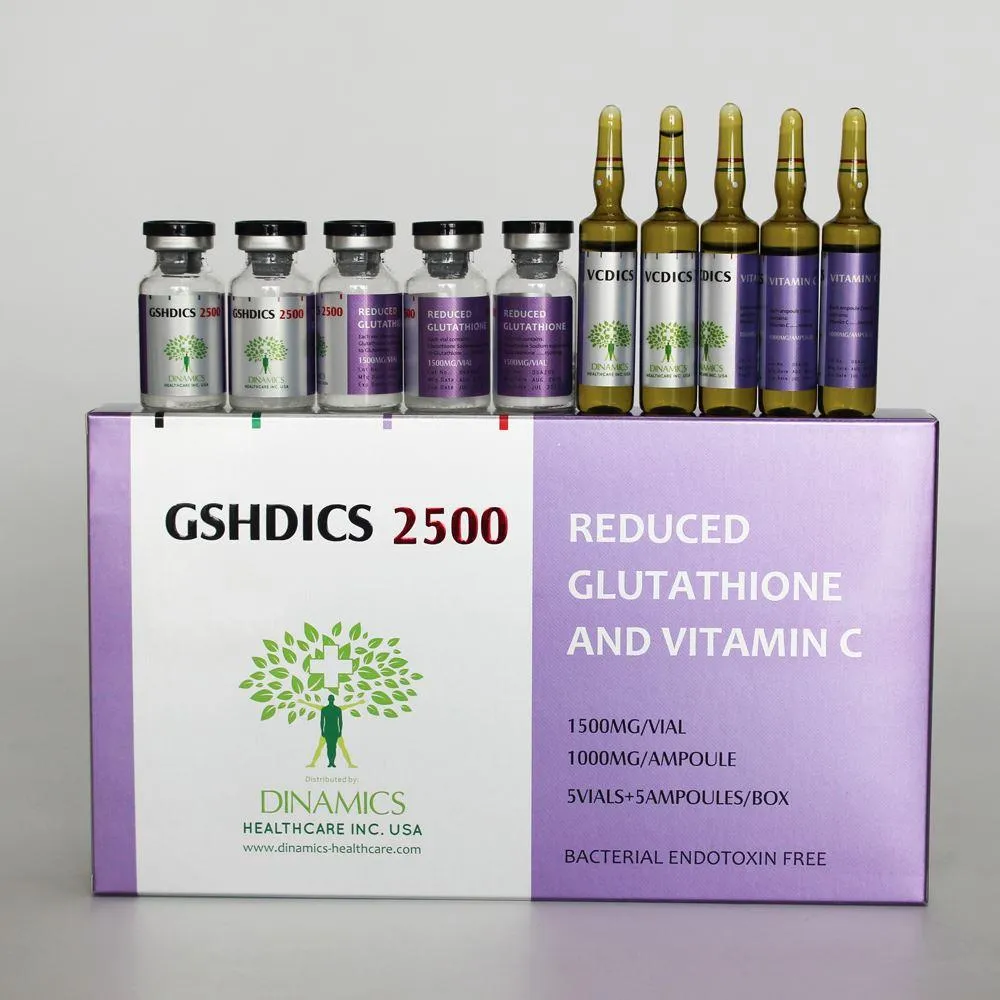
The pursuit of radiant, even-toned skin has led many individuals to explore various cosmetic treatments. Among these, glutathione injections have gained significant attention as a potential skin-whitening solution. This article serves as a comprehensive guide to understanding glutathione injections, exploring their mechanisms, benefits, potential risks, and alternatives, to help you make an informed decision about your skin health. We’ll delve into the science, the procedures, and the expectations surrounding this popular treatment.
What is Glutathione and How Does it Work for Skin?
Glutathione is a powerful antioxidant naturally produced by the liver. It is a tripeptide composed of three amino acids: cysteine, glycine, and glutamate. This vital compound plays a crucial role in various bodily functions, including detoxification, immune support, and, importantly for this discussion, skin health. Glutathione works by neutralizing free radicals, which are unstable molecules that can damage cells and contribute to skin aging and pigmentation issues. It also helps to regulate melanin production, the pigment responsible for skin color. By reducing melanin, glutathione can potentially lighten the skin and reduce the appearance of dark spots and uneven tone. Understanding the foundational role of glutathione is essential before considering injections as a skin-whitening method.
Understanding Glutathione Benefits for Skin Whitening
The primary benefit of glutathione injections, as perceived by those seeking skin whitening, is the potential for a lighter and more even skin tone. This is achieved by glutathione’s ability to inhibit tyrosinase, an enzyme that plays a key role in melanin production. By reducing melanin, glutathione can lead to a decrease in skin pigmentation. Beyond skin whitening, proponents of glutathione injections often highlight other potential benefits, such as improved skin elasticity, reduced fine lines and wrinkles (due to its antioxidant properties), and a healthier, more radiant complexion. However, it’s important to note that these benefits and their extent vary based on individual factors like skin type, dosage, and overall health.
The Science Behind Glutathione Injections

The effectiveness of glutathione injections in skin whitening is rooted in its biochemical mechanisms. Glutathione’s antioxidant properties help to combat oxidative stress, which can contribute to skin damage and pigmentation. Furthermore, glutathione directly interferes with melanin production by inhibiting the tyrosinase enzyme. This interference leads to a shift from the production of eumelanin (dark pigment) to pheomelanin (lighter pigment). The result is a gradual lightening of the skin over time, provided consistent treatments and dosage. It is crucial to remember that individual responses may vary based on factors like genetics, lifestyle, and overall health. Research into the effects of glutathione injections is ongoing, with varying results, so it’s important to consult with a healthcare professional before considering this treatment.
Glutathione Injection Whitening Mechanisms
The primary mechanism behind glutathione’s skin-whitening effect is its impact on melanin production. Glutathione inhibits the enzyme tyrosinase, which is a crucial component in the synthesis of melanin. By suppressing tyrosinase, glutathione decreases the amount of melanin produced, leading to a gradual lightening of the skin. In addition to this, glutathione helps to convert eumelanin, the dark pigment, into pheomelanin, the lighter pigment. This shift in the type of melanin contributes to a brighter complexion. Antioxidant properties further enhance the process by protecting skin cells from damage caused by free radicals, thereby maintaining skin health and appearance. The effectiveness of glutathione is also impacted by factors like the dose administered, frequency of injections, and the individual’s natural skin tone and genetics.
How to Prepare for Glutathione Injections
Preparing for glutathione injections involves several key steps to ensure both safety and efficacy. Before undergoing the procedure, you should have a thorough consultation with a qualified healthcare professional. This consultation should involve a discussion of your medical history, any existing health conditions, and any medications you are taking. Your doctor will assess your skin type, evaluate your expectations, and explain the potential risks and benefits of the treatment. You may need to undergo some blood tests to assess your overall health and suitability for glutathione injections. Following your healthcare provider’s instructions carefully is crucial. These instructions might include avoiding certain medications or supplements before the procedure. Also, you may need to alter your lifestyle to assist with the injection’s effectiveness, such as increasing water consumption. Following these steps increases the chances of a positive outcome.
Finding a Qualified Professional

Choosing a qualified professional is paramount for the safety and effectiveness of glutathione injections. Look for a licensed healthcare provider with experience in administering injectable treatments. This could be a dermatologist, a qualified aesthetician, or a medical doctor specializing in cosmetic procedures. Always verify the professional’s credentials and check for any certifications or licenses. Look for a clinic that maintains high standards of hygiene and uses sterile equipment to minimize the risk of infection. Read online reviews and testimonials to get an idea of the provider’s reputation and the experiences of other patients. A reputable provider should be transparent about the procedure, potential risks, and expected results. They should also be willing to address all your questions and concerns. A consultation is critical to assess your skin type and explain the injection process.
Image: A picture of a healthcare professional injecting glutathione into a patient, highlighting a sterile environment. (qualified-professional-injection.webp)
Pre-Injection Consultation
A pre-injection consultation is a vital step in the process. During this consultation, your healthcare provider will evaluate your skin type, assess your medical history, and discuss your expectations. This is the time to ask questions and express any concerns you may have. The provider will explain the procedure in detail, including the injection process, potential risks and side effects, and the expected outcomes. They should also inform you about post-injection care and any necessary precautions. Be prepared to provide information about any medications, supplements, or allergies you may have. The consultation also allows the healthcare provider to determine if you are a suitable candidate for glutathione injections. This step is designed to build trust and establish a clear understanding of the procedure.
The Glutathione Injection Procedure
The glutathione injection procedure is generally straightforward. The healthcare professional will first sterilize the injection site, typically in the arm or buttocks. A small needle is then used to inject the glutathione solution into the muscle (intramuscular) or the vein (intravenous). The procedure usually takes only a few minutes. The dosage and frequency of injections vary depending on individual needs and the healthcare provider’s recommendations. It is vital to follow the healthcare provider’s instructions carefully regarding the injection schedule and any aftercare instructions. The injection is usually quick, but it’s essential to discuss any discomfort or concerns with the healthcare provider. Many clinics offer a comfortable environment to minimize any anxieties associated with the process.
Image: A healthcare professional preparing a glutathione injection, showing sterile equipment and a prepared injection site. (glutathione-injection-procedure.webp)
What to Expect During the Injection

During a glutathione injection, you can anticipate a quick procedure. The healthcare provider will cleanse the injection site with an antiseptic solution to reduce the risk of infection. You may feel a slight pinch or sting as the needle is inserted. The entire process usually takes a few minutes. Some individuals may experience mild discomfort, such as a brief stinging sensation or a feeling of pressure. However, the procedure is generally well-tolerated. It’s crucial to communicate with the healthcare provider throughout the process. You should report any unusual sensations or discomfort. After the injection, the healthcare provider will typically apply a small bandage to the injection site. The healthcare provider will provide aftercare instructions. They may recommend resting for a short period to ensure the injection site is stable.
Post-Injection Care and Recovery
Post-injection care is essential to ensure optimal results and minimize potential side effects. Your healthcare provider will provide specific instructions, which may include keeping the injection site clean and dry. It’s important to avoid strenuous activities immediately after the injection. Following the recommended injection schedule is vital. Consistent injections are generally needed to see noticeable results. Staying hydrated and maintaining a healthy lifestyle can support the process. Avoid any substances that may interfere with the effectiveness of the injections, and adhere to any specific dietary recommendations. It’s also essential to be patient, as results often take time to appear. Be sure to follow up with your healthcare provider for any follow-up appointments and if any concerns arise.
Potential Risks and Side Effects of Glutathione Injections
While glutathione injections are generally considered safe when administered by qualified professionals, there are potential risks and side effects to be aware of. These can range from mild to more serious complications. It’s crucial to discuss these risks thoroughly with your healthcare provider before undergoing the treatment. Understanding these potential issues will enable you to make an informed decision and be prepared for any adverse reactions.
Image: A visual representation of potential side effects such as skin irritation or allergic reactions. (glutathione-injection-side-effects.webp)
Common Side Effects

Common side effects of glutathione injections include mild pain, swelling, or bruising at the injection site. Some individuals may experience flu-like symptoms, such as fever, chills, and body aches. Other potential side effects include skin rashes or allergic reactions. These side effects are typically temporary and resolve on their own. If these effects persist or worsen, it is important to contact your healthcare provider. Mild side effects can sometimes be managed with over-the-counter pain relievers or anti-inflammatory medications. Proper aftercare can reduce the chances of these issues.
Serious Risks and Complications
Serious risks and complications associated with glutathione injections are rare but can occur. These may include severe allergic reactions, which require immediate medical attention. There is also a risk of infection if the injections are not administered under sterile conditions. Improper administration can lead to nerve damage or other complications. Some individuals may experience changes in skin pigmentation. This might include either hyperpigmentation or hypopigmentation. Long-term effects of glutathione injections are not fully understood. Therefore, it is essential to discuss all potential risks and complications with your healthcare provider before starting the treatment. Ensure you choose a qualified professional to minimize these risks.
Effectiveness of Glutathione for Skin Whitening
The effectiveness of glutathione for skin whitening is a topic of ongoing discussion. While some individuals report positive results, scientific evidence supporting these claims is limited and often anecdotal. Some studies suggest that glutathione can lighten the skin by reducing melanin production and converting eumelanin to pheomelanin. However, these studies often have small sample sizes, and the results may vary depending on individual factors. The FDA has not approved glutathione for skin whitening. The effectiveness can also depend on the dosage, frequency of injections, and individual skin type. Before considering this treatment, it is important to have realistic expectations and discuss potential results with a healthcare provider. Many factors impact the results, and it is crucial to fully understand the process.
Image: A comparison of before and after photos of skin whitening results, emphasizing that results vary. (glutathione-injection-results.webp)
Factors Influencing Results

Several factors influence the results of glutathione injections. Genetics play a significant role, as individual skin tone and melanin production vary. The dosage and frequency of injections are also crucial. Consistent treatments, as prescribed by a healthcare provider, are typically necessary to achieve noticeable results. Lifestyle factors, such as sun exposure and overall health, can also impact the effectiveness of the injections. Individuals with a healthy lifestyle, including a balanced diet and proper skincare, may see better results. The type of glutathione used, and its purity, are important factors. It is important to follow the advice of a healthcare professional, who can customize the treatment based on individual circumstances. They may also recommend the use of sun protection and other supporting treatments.
Realistic Expectations
It’s important to have realistic expectations when considering glutathione injections for skin whitening. While some individuals experience skin lightening, results can vary. The process typically involves multiple injections over a period of time. The extent of skin lightening may range from subtle to moderate, depending on individual factors. Results are not always permanent. Maintenance treatments may be needed. Understand that glutathione injections are not a quick fix and require patience. Discuss your expectations with your healthcare provider. They can provide an honest assessment of what you can realistically expect to achieve. If you are looking for a significant change in skin tone, it may be more effective to explore alternatives. These alternatives include topical treatments or other procedures. The results depend on your skin type, metabolism, and consistency of treatment.
Alternatives to Glutathione Injections for Skin Whitening
If you are considering skin whitening, but are uncertain about glutathione injections, several alternatives are available. These range from topical treatments to other cosmetic procedures. Understanding these alternatives can help you choose the option that best suits your needs and preferences. It is essential to discuss the pros and cons of each option with a healthcare provider. This process ensures you make an informed decision about your skin care journey.
Image: Comparing different skin-whitening treatments, including creams and procedures. (skin-whitening-creams.webp)
Topical Skin Whitening Creams

Topical skin-whitening creams are a popular and generally safer alternative to injections. These creams often contain active ingredients such as hydroquinone, kojic acid, or vitamin C. These substances work by inhibiting melanin production, leading to a gradual lightening of the skin. Topical creams are available over-the-counter or by prescription. They are usually applied directly to the skin, making them a non-invasive option. However, it’s essential to use these creams as directed and to protect your skin from sun exposure. Some creams may cause skin irritation or sensitivity. Always follow a healthcare provider’s advice, and conduct a patch test before using a new cream. While topical creams may produce slower results, they offer a convenient and generally safer alternative.
Other Skin Whitening Procedures
Several other cosmetic procedures are available for skin whitening. Chemical peels involve applying a chemical solution to the skin to exfoliate and reveal a lighter layer of skin. Laser treatments use focused light to target and reduce melanin production. Microdermabrasion is a procedure that uses a device to exfoliate the top layer of skin, promoting a brighter complexion. These procedures often require multiple sessions and may come with potential risks. The choice of the procedure depends on individual skin type, the desired outcome, and the healthcare provider’s recommendations. Discussing your goals with a qualified professional can help determine the most suitable option for achieving your skin-whitening goals.
Image: Showcasing a range of skin-whitening procedures, such as chemical peels and laser treatments. (other-skin-whitening-procedures.webp)
In conclusion, while glutathione injections for skin whitening have gained popularity, it’s essential to approach this treatment with informed understanding and realistic expectations. By understanding the science, the procedure, potential risks, and alternatives, you can make a well-informed decision about your skin care journey. Always consult with a qualified healthcare professional to discuss your goals, assess your suitability for the treatment, and explore alternative options. Remember, the goal is healthy, radiant skin, and the right approach can help you achieve it safely and effectively.