
What is Teeth Whitening Sensitivity
Teeth whitening has become a popular cosmetic procedure, offering a brighter, more confident smile. However, a common side effect of this treatment is teeth sensitivity. This sensitivity, which can range from mild discomfort to sharp, shooting pains, arises when the whitening agents interact with the tooth structure. Understanding the underlying causes of this sensitivity is crucial for anyone considering teeth whitening, as well as those who have already undergone the procedure. Being informed allows individuals to make educated decisions about the whitening process and to take steps to minimize any potential discomfort. This guide will provide a comprehensive look at the causes, management, and prevention of teeth whitening sensitivity, empowering you to achieve a dazzling smile without unnecessary pain.
The Anatomy of a Sensitive Tooth
To understand why teeth become sensitive during whitening, it helps to know the basic structure of a tooth. The tooth is composed of several layers, each with its own role. The outermost layer, the enamel, is the hardest substance in the human body. It protects the underlying layers from the wear and tear of chewing and from temperature changes. Beneath the enamel lies the dentin, a porous layer containing microscopic tubules. These tubules connect to the pulp, which houses the nerves and blood vessels of the tooth. When the enamel is thinned or damaged, or when whitening agents penetrate the enamel, these tubules can become exposed, leading to sensitivity.
Understanding Tooth Enamel and Dentin

Tooth enamel is the outermost protective layer of the tooth, composed primarily of minerals, making it incredibly strong and resistant to wear and tear. Its primary function is to shield the sensitive inner layers from external stimuli like heat, cold, and acids. The dentin, situated beneath the enamel, is a porous tissue containing numerous microscopic tubules. These tubules extend from the pulp, the central part of the tooth that houses nerves and blood vessels, to the enamel’s surface. When the enamel is compromised, or the dentin tubules are exposed, external stimuli can easily reach the nerves in the pulp, resulting in the sensation of sensitivity. The health and integrity of both enamel and dentin are thus paramount to the overall comfort of your teeth.
How Whitening Products Affect Teeth
Teeth whitening products work by using bleaching agents, typically hydrogen peroxide or carbamide peroxide, to penetrate the enamel and dentin. These agents break down stains and discoloration, leading to a brighter smile. However, this process can also cause sensitivity. As the bleaching agents break down the stains, they can also cause temporary dehydration of the tooth, which can irritate the nerve endings within the dentin tubules. Additionally, the peroxide can pass through the enamel and dentin, reaching the pulp, causing inflammation and sensitivity. The intensity of sensitivity depends on several factors, including the concentration of the whitening agent, the duration of its contact with the teeth, and the individual’s oral health.
Common Causes of Sensitivity After Whitening
Sensitivity after teeth whitening can stem from various factors, each contributing to the overall experience of discomfort. Understanding these common causes is key to anticipating and managing potential issues. From the products used to the techniques employed, several elements can influence the level of sensitivity a person might experience during or after a whitening treatment. The following sections delve into the specific aspects, helping individuals to be well-informed and prepared for their teeth whitening journey, and to make informed choices to minimize sensitivity.
Over-the-Counter Whitening Products
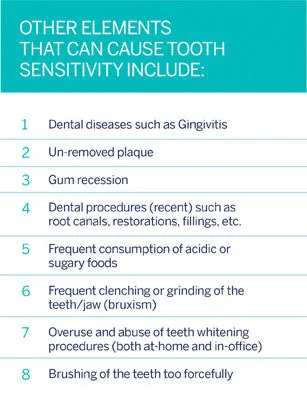
Over-the-counter (OTC) whitening products, such as strips, gels, and toothpastes, are easily accessible and often more affordable. However, these products can still cause sensitivity. The concentration of the bleaching agent in OTC products is generally lower than in professional treatments. The extended use and potential misuse of these products can still lead to sensitivity issues. Overuse can wear down enamel, exposing the dentin tubules. Furthermore, some individuals may be more sensitive to certain ingredients in these products. It is crucial to carefully follow the product instructions and to be aware of any signs of sensitivity during use. If sensitivity occurs, it is advisable to reduce the frequency of use or consult a dentist.
Professional Teeth Whitening Treatments
Professional teeth whitening treatments, performed by a dentist, offer more potent whitening agents and more controlled application. While these treatments are highly effective, they can also cause significant sensitivity. The higher concentration of the bleaching agent, often hydrogen peroxide, can penetrate the enamel more rapidly, causing greater irritation to the nerves. Dentists use protective measures, such as isolating the gums and applying desensitizing agents, to mitigate sensitivity. Even with these precautions, some sensitivity is common immediately after the treatment. The dentist will provide specific aftercare instructions and recommend products to manage any discomfort. The benefits of professional treatments often outweigh the temporary sensitivity for many individuals seeking dramatic results.
Home Remedies
Home remedies are frequently sought to mitigate teeth whitening sensitivity. These may include rinsing with diluted saltwater solutions, or using certain over-the-counter products. Some people also find relief from using desensitizing toothpastes, which can help block the tubules in the dentin, reducing nerve stimulation. While these remedies can provide some relief, they are not a substitute for professional advice, particularly if sensitivity is severe or persistent. It is essential to understand that the effectiveness of home remedies can vary from person to person, and it’s advisable to consult with a dentist to ensure that these remedies are appropriate for the individual’s oral health situation.
The Role of Bleaching Agents

Bleaching agents, typically hydrogen peroxide or carbamide peroxide, are central to the teeth whitening process. These chemicals penetrate the enamel and dentin, breaking down the molecules that cause discoloration. However, these agents can also cause sensitivity by dehydrating the teeth and irritating the nerve endings. The concentration of the bleaching agent plays a critical role in the degree of sensitivity experienced. Higher concentrations are more effective in whitening but are also more likely to cause sensitivity. The duration of contact between the bleaching agent and the teeth, along with the frequency of treatment, also contributes to the level of sensitivity. Understanding how bleaching agents work and how they affect the tooth structure is vital in managing and minimizing sensitivity during teeth whitening.
5 Common Causes of Teeth Whitening Sensitivity
Teeth whitening sensitivity can arise from a variety of factors, each influencing the overall experience of a brighter smile. By understanding these causes, it becomes easier to take preventative measures and minimize discomfort. The following sections explore five of the most common causes that contribute to sensitivity during and after teeth whitening procedures, enabling individuals to approach the process with informed preparation and care.
Concentration of Whitening Agents
The concentration of whitening agents, primarily hydrogen peroxide or carbamide peroxide, is a primary determinant of sensitivity. Higher concentrations are more effective at removing stains but also more likely to cause sensitivity. Professional treatments, which use higher concentrations, often lead to more noticeable sensitivity compared to over-the-counter products. The duration of exposure to these agents also plays a significant role; longer exposure times increase the likelihood of sensitivity. Therefore, the choice of whitening product and the treatment duration should be carefully considered, taking into account the individual’s sensitivity threshold and the desired level of whitening.
Pre-existing Dental Conditions

Pre-existing dental conditions can significantly impact the level of sensitivity experienced during teeth whitening. Individuals with conditions such as cavities, receding gums, or cracked teeth are often more prone to sensitivity. Cavities expose the dentin, allowing whitening agents to reach the nerves more easily. Receding gums expose the root surfaces, which are less protected by enamel and more sensitive. Cracked teeth can also allow the agents to penetrate deeper into the tooth structure. Addressing these pre-existing conditions before teeth whitening is often recommended to minimize discomfort. A dentist can diagnose and treat these issues, ensuring a safer and more comfortable whitening experience.
Improper Application Techniques
Improper application techniques can also contribute to teeth whitening sensitivity. This is particularly relevant with home whitening kits. Incorrectly applying the whitening gel or using trays that do not fit well can lead to the gel coming into contact with the gums, causing irritation and inflammation. Overfilling the trays can also lead to excess gel, increasing the chances of sensitivity. Following the instructions carefully is crucial. A dentist-supervised treatment ensures proper application and monitoring, reducing the risk of sensitivity. When using any whitening product at home, it is essential to adhere strictly to the manufacturer’s guidelines to minimize potential adverse effects.
Use of Excessive Amounts
Using excessive amounts of whitening agents, whether from over-the-counter products or professional treatments, can heighten the risk of sensitivity. More is not always better when it comes to teeth whitening. Using more product than recommended does not necessarily result in a whiter smile and can significantly increase the chances of experiencing sensitivity. It’s essential to follow the instructions provided by the dentist or product manufacturer precisely. Overuse can dehydrate the teeth and irritate the gums, amplifying discomfort. Being mindful of the amount of whitening agent used and adhering to recommended application protocols is key to minimizing adverse effects and achieving a brighter smile safely.
Individual Tooth Sensitivity

Individual tooth sensitivity varies from person to person, influenced by genetics, oral hygiene, and the overall health of the teeth and gums. Some individuals naturally have more sensitive teeth than others, making them more prone to experiencing sensitivity during teeth whitening. Factors such as thin enamel or exposed dentin can exacerbate this issue. Even with proper techniques and products, some people may still experience discomfort due to their inherent tooth sensitivity. Consulting a dentist can help assess individual sensitivity levels and tailor a whitening plan that minimizes potential side effects. Using desensitizing toothpaste prior to treatment and following post-whitening care instructions are recommended steps to manage sensitivity effectively.
Managing and Preventing Sensitivity
Managing and preventing teeth whitening sensitivity involves a combination of proactive measures and careful post-treatment care. Being informed about the causes and employing appropriate strategies can significantly enhance the comfort and safety of the whitening process. Consulting with a dentist before starting any whitening treatment is crucial for personalized advice and guidance. From selecting the right products to adopting specific habits, the following sections explore practical steps to minimize sensitivity and ensure a positive experience.
Desensitizing Toothpaste
Desensitizing toothpaste is a valuable tool in managing and preventing teeth whitening sensitivity. These toothpastes typically contain ingredients like potassium nitrate or stannous fluoride, which help block the dentin tubules, reducing the ability of stimuli to reach the nerve endings. Using desensitizing toothpaste for a few weeks before teeth whitening can help prepare the teeth and reduce sensitivity during the procedure. Continued use after whitening can provide ongoing relief. It is essential to choose a desensitizing toothpaste that suits your individual needs and to follow the instructions carefully for optimal results. Regular use, combined with other preventive measures, can significantly improve comfort and reduce the impact of sensitivity.
Fluoride Treatments

Fluoride treatments, either applied by a dentist or found in certain toothpastes and mouthwashes, can strengthen tooth enamel and reduce sensitivity. Fluoride helps remineralize the enamel, making it more resistant to the effects of whitening agents. It also helps to block the dentin tubules, reducing nerve stimulation. Professional fluoride treatments, administered by a dentist, provide a higher concentration of fluoride and can be particularly effective. Rinsing with a fluoride mouthwash or using a fluoride toothpaste can also provide benefits. Regular fluoride use, especially before and after teeth whitening, helps to protect the teeth and minimize sensitivity. Consult with your dentist to determine the most appropriate fluoride treatment for your needs.
Proper Whitening Techniques
Proper whitening techniques play a crucial role in minimizing sensitivity. When using any teeth whitening product, it’s imperative to follow the manufacturer’s instructions carefully. This includes using the correct amount of product, applying it as directed, and adhering to the recommended treatment duration. Avoid over-whitening, as this can increase the likelihood of sensitivity. Using custom-fitted trays, if applicable, ensures that the whitening agent is applied evenly and minimizes contact with the gums. If you’re undergoing professional whitening, the dentist will take precautions, such as isolating the gums and using a protective barrier. Following these techniques, along with practicing good oral hygiene, can significantly reduce the risk of sensitivity and enhance the overall whitening experience.
When to Consult a Dentist
Consulting a dentist is essential at various stages of the teeth whitening process. Before starting any whitening treatment, a dental check-up is crucial to assess the health of your teeth and gums, identify any pre-existing conditions, and determine the most appropriate whitening method. If you experience significant sensitivity during or after whitening, it’s important to seek professional advice. A dentist can diagnose the cause of the sensitivity and recommend appropriate treatments, such as desensitizing toothpaste, fluoride treatments, or other interventions. They can also provide guidance on managing sensitivity and preventing it in the future. Regular dental check-ups and professional cleanings contribute to maintaining good oral health, ensuring a safe and effective teeth whitening experience.
In conclusion, while teeth whitening offers a path to a brighter smile, understanding and addressing the potential for sensitivity is essential. By being aware of the causes, adopting preventative measures, and seeking professional guidance when needed, individuals can enjoy the benefits of teeth whitening with minimal discomfort. From choosing the right products to practicing proper techniques, every step contributes to a more comfortable and satisfying experience. Prioritizing dental health and following expert advice will not only lead to a dazzling smile but also ensure the long-term health and well-being of your teeth.