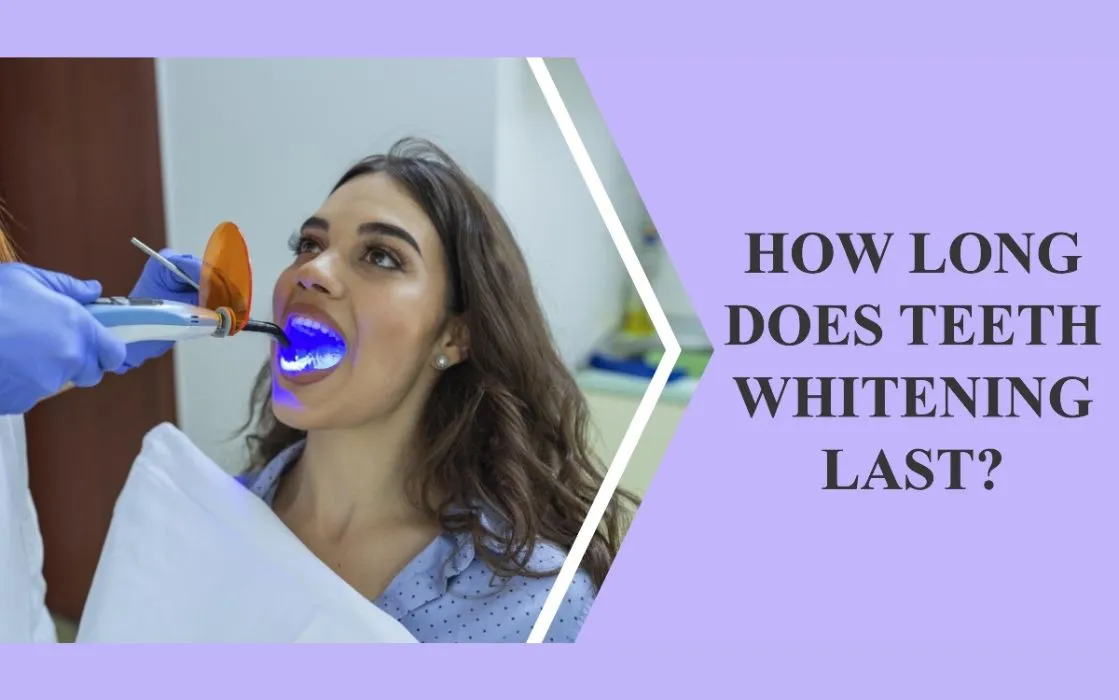
Understanding Teeth Whitening Sensitivity
Teeth whitening is a popular cosmetic procedure designed to brighten the appearance of your smile. However, a common side effect that many experience is teeth sensitivity. This sensation can range from mild discomfort to a sharp, shooting pain. Understanding why this happens and how long it typically lasts is crucial for anyone considering or undergoing teeth whitening. This article will delve into the causes, duration, and management of teeth whitening sensitivity, helping you make informed decisions and alleviate any concerns you may have. The goal is to provide a comprehensive overview, empowering you to maintain both a beautiful and healthy smile.
Causes of Sensitivity After Teeth Whitening
The primary culprit behind teeth sensitivity after whitening is the bleaching agent, typically hydrogen peroxide or carbamide peroxide, used in the process. These chemicals work by penetrating the enamel and breaking down stain molecules. However, they can also pass through the enamel and dentin, reaching the nerves within the tooth. This interaction irritates the nerves, leading to the sensation of sensitivity. Additionally, pre-existing conditions, such as receding gums or micro-cracks in the teeth, can exacerbate the issue. These conditions expose the dentin, which contains tiny tubules that lead directly to the nerve, making the teeth more vulnerable to the whitening agents. Therefore, it is important to assess your oral health before undergoing any whitening procedure.
The Science Behind Teeth Whitening and Sensitivity

To understand sensitivity, one must grasp the anatomy of a tooth. The outermost layer, the enamel, is the hardest substance in the human body, protecting the underlying layers. Beneath the enamel lies the dentin, which is porous and contains microscopic tubules. These tubules house nerve endings that lead to the pulp, the innermost part of the tooth containing nerves and blood vessels. Whitening agents, when applied, penetrate the enamel and reach the dentin. The peroxide molecules then interact with the dentin tubules, causing inflammation and irritation of the nerve endings. This is what causes the sensation of sensitivity. The intensity of sensitivity varies depending on the concentration of the whitening agent, the duration of exposure, and individual tooth characteristics.
How Long Does Teeth Whitening Sensitivity Last?
The duration of teeth whitening sensitivity varies significantly from person to person. For most, the sensitivity is temporary, lasting anywhere from a few days to a couple of weeks. In milder cases, it might subside within 24 to 48 hours. However, some individuals may experience sensitivity for up to a month, especially after more aggressive whitening treatments. The timeline is influenced by several factors, including the concentration of the whitening agent, the method of whitening, and the individual’s pre-existing oral health conditions. Monitoring your sensitivity levels and consulting with your dentist is essential to address any prolonged or severe discomfort.
Factors Influencing the Duration of Sensitivity
Several factors can impact how long you experience sensitivity after teeth whitening. The concentration of the bleaching agent is a primary factor; higher concentrations often lead to greater sensitivity. The method used, such as in-office treatments versus at-home kits, also plays a role, with professional treatments potentially causing more intense but shorter-lived sensitivity. Individual tooth characteristics, such as enamel thickness and the presence of micro-cracks, can also influence the duration and severity of sensitivity. Moreover, pre-existing conditions like gingivitis, receding gums, or thin enamel can increase the likelihood and duration of sensitivity. Regular dental check-ups can help identify and address such issues before whitening treatments.
Type of Whitening Treatment

Different teeth whitening methods can affect the duration of sensitivity. In-office whitening, which uses higher concentrations of bleaching agents under professional supervision, can sometimes lead to more intense but shorter-lived sensitivity. At-home whitening kits, which use lower concentrations, may cause milder, but potentially longer-lasting, sensitivity if used frequently. Over-the-counter products, such as whitening strips or toothpastes, usually cause the least sensitivity due to their lower concentrations. The best choice depends on your individual needs and sensitivity levels; consulting with a dentist will help you make the best decision.
Tooth Sensitivity
Tooth sensitivity itself, prior to whitening, can significantly influence the experience. Individuals who already have sensitive teeth, perhaps due to receding gums, thin enamel, or other dental issues, are more likely to experience heightened sensitivity after whitening. This is because their teeth are already more vulnerable to external stimuli. A dentist can assess the level of tooth sensitivity before whitening and recommend strategies to manage it, such as using desensitizing toothpaste or pre-treatment with fluoride. Addressing underlying sensitivity issues can help minimize discomfort and shorten the duration of any sensitivity caused by the whitening process.
Oral Health
Your overall oral health plays a crucial role in how your teeth react to whitening treatments. Healthy gums and strong enamel help protect against sensitivity. Conversely, conditions like gingivitis, cavities, or cracked teeth can increase the likelihood and severity of sensitivity. Before undergoing any teeth whitening procedure, it’s essential to have a comprehensive dental check-up. Your dentist can address any existing issues, ensuring your teeth and gums are in the best possible condition to minimize discomfort during and after whitening. Proper oral hygiene practices, including regular brushing, flossing, and dental visits, are vital for maintaining healthy teeth and gums.
Managing Teeth Whitening Sensitivity

Fortunately, there are several ways to manage teeth whitening sensitivity, making the process more comfortable. The key is to understand that this is usually a temporary side effect and that relief is possible. From over-the-counter remedies to professional treatments, there are numerous options to help you. It’s important to be proactive and address sensitivity promptly to ensure a positive experience with teeth whitening. Consulting with your dentist is the best way to determine the most effective approach tailored to your specific needs and oral health.
Over-the-Counter Remedies
Several over-the-counter (OTC) products can provide relief from teeth whitening sensitivity. Desensitizing toothpastes containing ingredients like potassium nitrate can help block pain signals to the nerves. These toothpastes should be used regularly, starting a couple of weeks before whitening, and continuing throughout the process. Fluoride mouthwashes can also strengthen enamel and reduce sensitivity. Avoiding extremely hot or cold foods and drinks can also minimize discomfort. In some cases, over-the-counter pain relievers, such as ibuprofen, can help manage pain. Always read and follow the instructions on any product and consult with your dentist if the sensitivity persists.
Professional Treatments for Sensitivity
If over-the-counter remedies aren’t sufficient, your dentist can offer professional treatments to alleviate sensitivity. Fluoride treatments, applied directly to your teeth, can strengthen the enamel and reduce sensitivity. Dentists can also apply desensitizing agents to the teeth. In more severe cases, your dentist might recommend bonding to protect exposed dentin or recommend prescription-strength desensitizing toothpaste. Your dentist can also assess the cause of the sensitivity and address any underlying dental issues that might be contributing to the problem. Professional intervention ensures a tailored approach to your specific needs and provides effective relief.
Tips for Preventing Sensitivity

While some sensitivity is almost inevitable with teeth whitening, there are steps you can take to minimize it. Before whitening, consult with your dentist to discuss your oral health and any potential risks. Use desensitizing toothpaste for at least two weeks before the whitening treatment. Follow the whitening instructions precisely, avoiding overuse or exceeding the recommended treatment time. Avoid consuming highly acidic foods and drinks during the whitening process, as these can exacerbate sensitivity. If using at-home kits, consider using them less frequently or for shorter periods. Listen to your teeth and take breaks from whitening if you experience excessive sensitivity.
Choosing the Right Teeth Whitening Method
Selecting the right teeth whitening method can significantly impact your sensitivity experience. Professional in-office whitening offers fast results but may cause more intense but shorter-lived sensitivity due to the higher concentrations of bleaching agents used. At-home whitening kits provide more control over the process, allowing for gradual whitening and potentially less intense sensitivity. Over-the-counter products, such as whitening strips or toothpastes, are generally the gentlest option, causing the least sensitivity. Consulting with your dentist is essential to determine the best method based on your goals, oral health, and sensitivity levels. They can recommend the most appropriate option to minimize discomfort and achieve the desired results.
Consulting with Your Dentist
Before undergoing any teeth whitening procedure, a consultation with your dentist is crucial. Your dentist can assess your oral health, identify any potential issues that could lead to sensitivity, and recommend the most suitable whitening method. They can also provide personalized advice on managing sensitivity, including suggesting desensitizing toothpastes or professional treatments. Regular dental check-ups are essential for monitoring your oral health and addressing any problems promptly. Your dentist is your best resource for ensuring a safe, effective, and comfortable teeth whitening experience. Do not hesitate to ask questions or express any concerns you may have.
Long-Term Effects and Considerations

Teeth whitening sensitivity is typically temporary, but understanding the long-term effects and considerations is essential. While the sensitivity usually subsides within a few days or weeks, some individuals may experience recurring sensitivity. It’s crucial to maintain excellent oral hygiene practices, including regular brushing, flossing, and dental check-ups, to protect your teeth and gums. If you experience persistent or worsening sensitivity, consult your dentist to rule out any underlying dental issues. Whitening treatments can be repeated, but it’s essential to space them out and follow your dentist’s recommendations to minimize any potential risks to your oral health. Remember, the goal is a brighter smile and overall oral health.