What is Pokemon Card Whitening
Pokemon card whitening refers to the appearance of white spots or edges on the surface of a Pokemon card. This is a common issue that collectors encounter and is often caused by the wearing down of the card’s color layer. The whitening is most noticeable on the edges, corners, and sometimes the surface of the card. It can significantly impact the card’s visual appeal and value, especially for cards intended for grading or high-value collections. Understanding the causes and learning how to fix whitening is crucial for maintaining the value and aesthetics of your Pokemon card collection. This guide will walk you through understanding the causes and provide practical steps to address and prevent whitening.
Causes of Whitening on Pokemon Cards
Several factors contribute to the whitening of Pokemon cards. These factors can be categorized into handling and storage practices, and environmental conditions. Recognizing these causes can help collectors prevent the problem.
Handling and Storage

Improper handling is one of the primary culprits. When cards are not handled with care, their edges and corners can be easily damaged. Friction from touching the cards, sliding them, or stacking them without protection can all lead to whitening. Similarly, the method of storage plays a significant role. Cards stored loosely in boxes or without protective sleeves are highly susceptible to damage. The lack of protection can cause the cards to rub against each other or other surfaces, resulting in the wearing away of the colored layer and subsequent whitening. The frequency and intensity of card handling must be considered, as each interaction contributes to the potential for damage.
Environmental Factors
Environmental conditions also contribute to card whitening. Exposure to humidity and temperature fluctuations can negatively affect the card’s structure. High humidity levels can cause the card stock to warp and the color layer to separate, leading to whitening. Direct sunlight is another threat, as it can fade the colors and damage the card’s surface over time. Dust and debris can also cause abrasion and the eventual whitening of the cards. The interplay of these environmental factors highlights the need for a controlled storage environment to protect your valuable Pokemon cards.
How to Fix Pokemon Card Whitening
While completely reversing whitening can be challenging, several methods can help minimize the appearance and prevent further damage. The approach taken depends on the severity of the whitening and the collector’s comfort level. From gentle cleaning techniques to professional restoration services, there are options available to address the issue.
Cleaning the Card

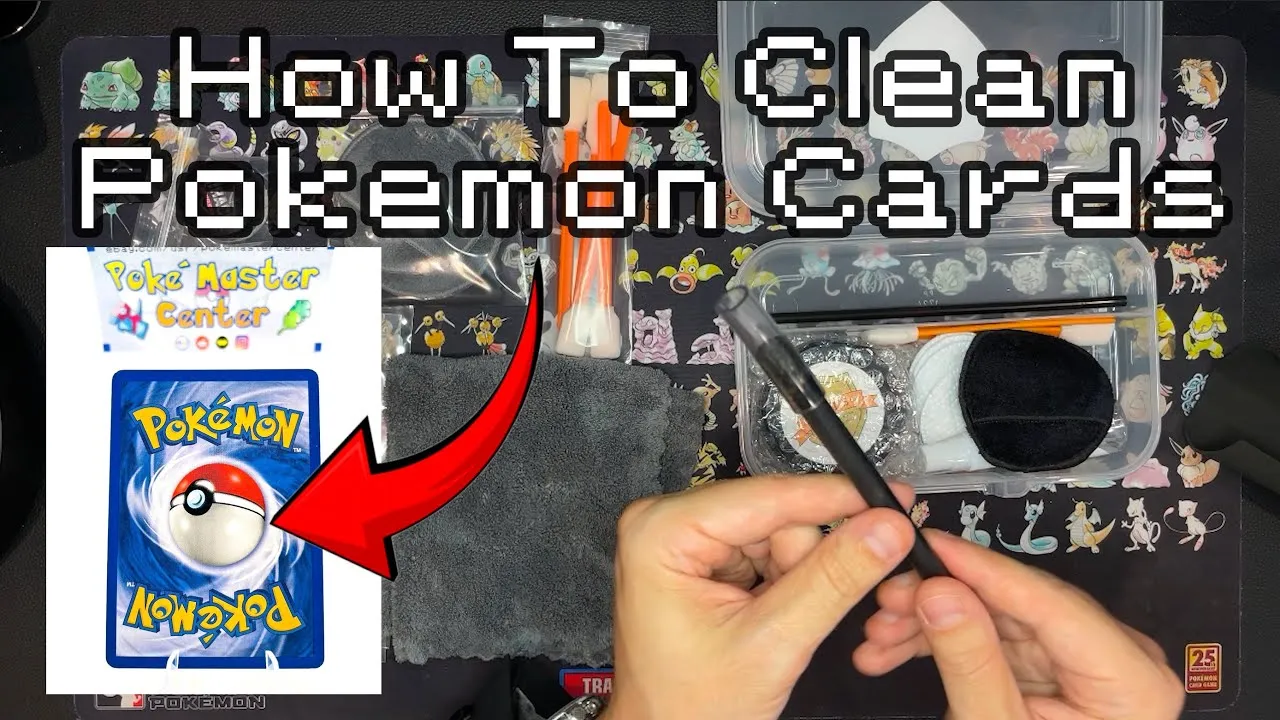
Carefully cleaning the card can sometimes improve its appearance. However, it is essential to proceed with caution to avoid causing further damage. Before attempting any cleaning method, gently dust off the card with a soft, clean brush. This removes loose particles that might cause abrasion during the cleaning process.
Using a Pencil Eraser
A pencil eraser can be used to carefully remove minor whitening on the edges of your Pokemon card. Use a soft eraser and apply very gentle pressure, rubbing along the affected areas. Be sure to test it on a less visible area of the card first to ensure it doesn’t damage the card’s surface. The objective is to try and gently blend the white areas back into the color, which can sometimes improve the card’s appearance. Avoid excessive pressure, as this can remove more of the card’s color, worsening the situation. This method is best for minor instances of whitening.
Applying a Small Amount of Water
Some collectors use a tiny amount of distilled water on a cotton swab to gently clean the edges. Lightly moisten a cotton swab with distilled water, then carefully dab the whitened areas. Be extremely cautious not to oversaturate the card. Distilled water is preferable because it lacks the minerals that can damage the card. After cleaning, allow the card to air dry completely before returning it to storage. This method is most effective for removing surface-level dirt that may be contributing to the whitening effect.
Carefully Use a Soft Cloth

A soft, microfiber cloth can be used to gently wipe the card’s surface and edges. Avoid using any abrasive materials that could further damage the card. Lightly rub the cloth over the whitened areas to attempt to remove any dirt or debris that may be accentuating the whitening. Always handle the card with clean hands and avoid excessive pressure. This method is useful for removing minor smudges and dirt that might be making the whitening more noticeable.
Using Restoration Products
For more severe whitening, specialized card restoration products are available. These products are designed to re-color or blend the whitened areas. Always test these products on an inconspicuous area of the card first to ensure compatibility and avoid any adverse reactions. Follow the product instructions carefully, as improper use can damage the card. Although these products can provide a temporary fix, they don’t address the underlying cause of the whitening. Therefore, proper care and storage practices are still essential to prevent future damage.
Professional Restoration Services
For valuable cards or severe whitening, consider professional restoration services. These services utilize specialized techniques and materials to repair damage and restore the card’s appearance. Professional restorers have the skills and equipment to handle complex repairs and minimize the risk of further damage. While professional restoration can be expensive, it can be a worthwhile investment for high-value cards. Research and choose a reputable service with experience in Pokemon card restoration to ensure the best results. Always get a detailed assessment before committing to the restoration to understand the scope of the work and potential outcomes.
Preventing Whitening on Pokemon Cards

Prevention is always the best approach. Taking proactive steps to protect your cards can significantly reduce the likelihood of whitening. The most effective strategies focus on proper storage techniques and regular maintenance.
Proper Storage Techniques
The way you store your cards plays a crucial role in their preservation. Using protective sleeves is the first line of defense against damage. Always sleeve your cards before placing them in a top-loader or binder. Top-loaders offer rigid protection and should be used for valuable cards. When storing in binders, choose binders with acid-free pages to avoid chemical reactions that could damage the cards. Avoid overcrowding the binder pages, as this can cause the cards to rub against each other and develop whitening. Proper storage can minimize the likelihood of whitening and protect your investment.
Sleeving and Top-Loading
Sleeving and top-loading are fundamental protective measures. Sleeves provide a layer of protection against scratches, dirt, and moisture. Top-loaders add rigid protection against bending and impacts. Always sleeve your cards before placing them in a top-loader. This extra layer of protection reduces the risk of edge wear and corner damage. For added security, consider using inner sleeves to provide a snug fit and further reduce movement within the top-loader. These simple steps can significantly extend the life and value of your cards.
Storing in a Controlled Environment

Storing cards in a controlled environment helps minimize exposure to humidity, temperature fluctuations, and direct sunlight. Keep cards in a cool, dry place away from sunlight. Excessive heat and humidity can damage the card stock and accelerate whitening. Consider using a storage box or cabinet designed for collectibles, which can provide an added layer of protection. Monitoring the storage environment is crucial for the long-term preservation of your collection. These measures can prevent the environmental factors that contribute to whitening.
Regular Inspections and Maintenance
Regularly inspect your cards for signs of whitening or other damage. This allows you to address issues early before they worsen. Handle your cards with clean hands and avoid touching the card surfaces unnecessarily. When handling cards, place them on a clean surface to prevent contamination. By regularly inspecting and maintaining your collection, you can catch minor issues before they become major problems. A proactive approach will help preserve the beauty and value of your Pokemon cards.
Conclusion
Whitening on Pokemon cards is a common issue, but it doesn’t have to be a collector’s nightmare. By understanding the causes, applying the right fixes, and practicing preventative measures, you can protect your cards. Proper handling, storage, and regular inspections are key to maintaining the condition and value of your collection. Remember, proactive care is the best strategy. By taking these steps, you can enjoy and preserve your Pokemon card collection for years to come. Whether you are a casual collector or a serious investor, investing in the proper care and preservation of your cards will undoubtedly pay off in the long run.