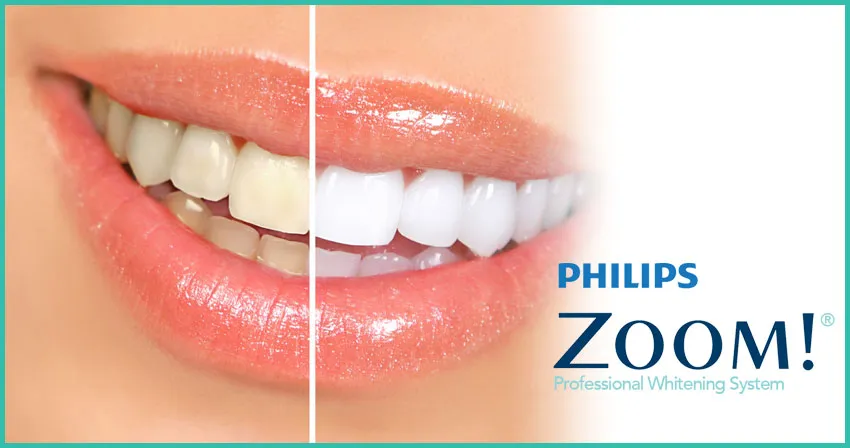
Understanding Philips Zoom Whitening and Sensitivity
Philips Zoom teeth whitening is a popular and effective method for achieving a brighter, more radiant smile. However, one of the common side effects experienced by some patients is tooth sensitivity. This article delves into the causes of sensitivity after Philips Zoom whitening, how to prepare for the procedure to minimize discomfort, and the steps you can take to manage and reduce sensitivity both immediately after the treatment and in the long term. Understanding these aspects is crucial for anyone considering Philips Zoom, allowing them to make informed decisions and enjoy a more comfortable whitening experience. The goal is to provide you with comprehensive information that empowers you to achieve your desired results while prioritizing your oral health and well-being.
What Causes Sensitivity After Philips Zoom?
Sensitivity after Philips Zoom whitening primarily arises from the bleaching agents used in the procedure. These agents, typically hydrogen peroxide, penetrate the enamel and dentin of your teeth to break down stain molecules. This process can temporarily dehydrate the teeth, making the nerve endings within the teeth more susceptible to stimuli such as temperature changes (hot or cold) or pressure. This results in the sensation of sensitivity. The intensity and duration of sensitivity vary from person to person. The level of pre-existing sensitivity, the enamel thickness, and the concentration of the whitening agent used during the procedure all play a role. This section will further explain the process and delve into the reasons behind why the sensitivity occurs to provide a clearer understanding.
The Science Behind Tooth Sensitivity

Tooth sensitivity is often related to the structure of your teeth. The enamel, the outermost layer, protects the underlying dentin. Dentin contains tiny tubules that lead to the tooth’s nerve. When the enamel is compromised or the dentin is exposed, these tubules allow stimuli to reach the nerve more easily, resulting in sensitivity. The whitening process can increase the permeability of the enamel and dentin. This allows whitening agents to enter the tooth, but it also makes the tooth more vulnerable to external stimuli. This temporary increase in permeability leads to a higher likelihood of experiencing sensitivity. The science behind the whitening process and tooth structure is very important to comprehend the cause of sensitivity.
Common Factors Affecting Sensitivity
Several factors contribute to the likelihood and severity of sensitivity after Philips Zoom whitening. These include the initial condition of your teeth, such as enamel thickness and any existing cracks or cavities. People with naturally thinner enamel may experience more sensitivity. The concentration of the whitening gel used during the procedure also plays a significant role; stronger gels can lead to more intense sensitivity. Poor oral hygiene, including conditions like gingivitis or periodontitis, can make your teeth more sensitive to any treatment. Additionally, the patient’s individual sensitivity threshold varies, influencing the overall experience. Understanding these factors is essential for anticipating and managing potential sensitivity.
Preparing for Philips Zoom to Minimize Sensitivity
Preparation is key to reducing sensitivity. Several proactive measures can be taken before undergoing the Philips Zoom whitening procedure to minimize the risk of discomfort. These include consulting with your dentist to assess your oral health, following specific pre-treatment steps, and using recommended products. Adequate preparation can significantly improve your overall experience and help you achieve the desired results with minimal sensitivity. By taking these steps, you’ll be better equipped to enjoy a brighter smile with greater comfort.
Consultation with Your Dentist

A comprehensive consultation with your dentist is the first and most crucial step. During this consultation, your dentist will evaluate your oral health, checking for any existing issues such as cavities, gum disease, or enamel erosion, that might increase the risk of sensitivity. Your dentist can also assess the thickness of your enamel and discuss your sensitivity concerns. They may recommend pre-treatment strategies, such as using a desensitizing toothpaste for several weeks before the procedure. This consultation allows your dentist to tailor the whitening process to your specific needs and minimize any potential discomfort, ensuring the best possible outcome for you.
Pre-Treatment Steps and Products
Before your Philips Zoom treatment, your dentist might recommend using a desensitizing toothpaste containing ingredients like potassium nitrate or stannous fluoride. These ingredients help to block the pathways to the nerve endings, reducing sensitivity. You may be advised to use this toothpaste for several weeks leading up to the whitening procedure. Your dentist may also recommend fluoride treatments or other products to strengthen your enamel and further reduce sensitivity. Following these pre-treatment steps can significantly decrease your chances of experiencing discomfort during and after the whitening process.
Post-Whitening Care for Reduced Sensitivity
Proper aftercare is as important as the whitening procedure itself. Taking appropriate steps immediately after your Philips Zoom treatment and adopting long-term strategies will play a crucial role in managing and reducing any sensitivity you experience. This includes specific practices to follow immediately after the procedure and ongoing habits to maintain optimal oral health. By carefully following these guidelines, you can minimize discomfort, promote healing, and enjoy the full benefits of your brighter smile.
Immediate Aftercare Practices

Immediately following your Philips Zoom whitening, it’s essential to be gentle with your teeth. Avoid very hot or cold foods and drinks for the first 24 to 48 hours, as they can exacerbate sensitivity. Stick to a soft diet, and rinse your mouth with lukewarm water after eating. Your dentist may also recommend a fluoride rinse to help remineralize your enamel and reduce sensitivity. Avoiding any foods or drinks that can stain your teeth, such as coffee, tea, red wine, and dark-colored berries, is also critical during this period. This immediate care will aid in recovery and minimize any discomfort you may experience.
Using Desensitizing Products
Desensitizing products play a key role in managing post-whitening sensitivity. Continue using the desensitizing toothpaste recommended by your dentist. If sensitivity persists, your dentist may suggest using a fluoride gel or varnish, which can be applied in-office or at home to strengthen the enamel and reduce nerve irritation. Over-the-counter products specifically designed for sensitive teeth can also provide relief. These products can be used as needed or as directed by your dentist. Consistency in using these products is important for managing sensitivity and ensuring your comfort.
Dietary Recommendations to Avoid Sensitivity
Your diet significantly impacts your sensitivity levels. In the days and weeks following your Philips Zoom whitening, pay close attention to the foods and drinks you consume. Steer clear of highly acidic foods and beverages, such as citrus fruits, tomatoes, and carbonated drinks, as they can erode enamel and increase sensitivity. Avoid sugary foods and drinks, which can contribute to tooth decay and sensitivity. Focus on a balanced diet with plenty of calcium-rich foods and water to remineralize your teeth. A sensitivity-conscious diet will help minimize discomfort and protect your newly whitened smile.
Long-Term Strategies for Managing Sensitivity

Long-term strategies are crucial for maintaining your oral health and managing sensitivity effectively. These strategies encompass consistent oral hygiene practices, regular dental check-ups, and the implementation of sensitivity-reducing measures in your daily routine. By integrating these habits into your life, you can ensure long-term oral health and enjoy your brightened smile without unnecessary discomfort.
Maintaining Oral Hygiene
Good oral hygiene is the cornerstone of healthy teeth and gums, which is essential for managing sensitivity. Brush your teeth gently twice a day using a soft-bristled toothbrush to avoid irritating your gums and enamel. Use a desensitizing toothpaste consistently, as this can help to block the tubules in your teeth that lead to the nerve, reducing sensitivity. Floss daily to remove plaque and food particles from between your teeth, helping to prevent inflammation and sensitivity. A consistent oral hygiene routine will help you keep your teeth healthy and minimize the risk of sensitivity.
Regular Dental Check-ups
Regular dental check-ups are vital for maintaining oral health and addressing any sensitivity issues promptly. Your dentist can monitor your teeth for any signs of enamel erosion, cavities, or gum disease that might exacerbate sensitivity. During these visits, your dentist can provide professional cleanings to remove plaque and tartar buildup, which can irritate your teeth and gums. They can also provide fluoride treatments or recommend other products to strengthen your enamel and reduce sensitivity. Regular check-ups will help you maintain a healthy smile and manage sensitivity issues effectively.
Alternative Whitening Options and Sensitivity

If you are highly prone to sensitivity, alternative whitening options may be considered. Over-the-counter whitening products, such as whitening strips or toothpastes, often contain lower concentrations of bleaching agents, which can result in less sensitivity, although results may be less dramatic. Custom-fitted trays provided by your dentist for at-home whitening can offer more control over the process and the amount of whitening agent used. Non-peroxide whitening treatments are also available and may be suitable for individuals with severe sensitivity. Consulting your dentist can help you determine the most appropriate whitening option based on your needs and sensitivity levels, ensuring you achieve your desired results with the least amount of discomfort.
In conclusion, managing sensitivity after Philips Zoom teeth whitening involves a proactive approach. This approach includes preparation before the procedure, diligent care afterward, and long-term strategies to protect your oral health. By understanding the causes of sensitivity, following your dentist’s recommendations, and adopting good oral hygiene habits, you can achieve a brighter smile with minimal discomfort. Remember to communicate openly with your dentist and seek professional guidance to customize your whitening experience and ensure the best possible outcome. Prioritizing these steps will allow you to enjoy the confidence of a beautifully whitened smile while maintaining healthy teeth and gums.