What is Oil Pulling and How Does it Work?
Oil pulling is an ancient Ayurvedic practice that involves swishing oil in your mouth for a specific period to remove bacteria and promote oral hygiene. The process is believed to draw out toxins and impurities, leading to a cleaner mouth, fresher breath, and potentially, whiter teeth. It’s a natural and relatively simple method that has gained popularity as an alternative or complementary approach to conventional dental care. The practice’s origins trace back thousands of years, highlighting its enduring relevance in holistic health practices. Many people are seeking natural ways to improve their oral health, and oil pulling fits this bill.
The Science Behind Oil Pulling
While the mechanisms are still being fully researched, the science behind oil pulling suggests that it works through several key processes. When oil is swished in the mouth, it emulsifies and binds with bacteria, plaque, and other impurities. This process helps to dislodge these substances from the teeth and gums. The lipid-soluble nature of oils allows them to penetrate the biofilm of bacteria, disrupting their structure and reducing their numbers. Some studies suggest that oil pulling can reduce the levels of Streptococcus mutans, a primary contributor to tooth decay. However, more robust, large-scale studies are needed to confirm these findings and fully understand the extent of oil pulling’s impact on oral health.
Choosing the Right Oil for Oil Pulling

The choice of oil is crucial for effective oil pulling. Different oils have varying properties, and selecting the right one can significantly influence the results. The most common oils used include coconut oil, sesame oil, and sunflower oil, each with its unique characteristics. The selection should be based on individual preferences, potential benefits, and any specific oral health needs. Always opt for high-quality, unrefined oils to avoid any additives or processing chemicals that could be detrimental to oral health. The quality of the oil directly affects its efficacy and the overall experience of oil pulling. Experimenting with different oils can help determine which one best suits your needs.
Coconut Oil vs Sesame Oil vs Sunflower Oil
Coconut oil is often the preferred choice due to its pleasant taste and high content of lauric acid, which has antibacterial and anti-inflammatory properties. It is known for its ability to kill harmful bacteria in the mouth and can contribute to a fresher breath and whiter teeth. Sesame oil, a staple in Ayurvedic practices, is another popular option. It is rich in antioxidants and has been traditionally used to support gum health and reduce plaque. Sunflower oil is less commonly used but can still be effective. It is generally neutral in taste and contains vitamin E, which may help promote gum health. The choice between these oils often comes down to personal preference and specific health goals. Coconut oil is best known for teeth whitening, while sesame oil is known for healthier gums.
How to Oil Pull for Teeth Whitening Step-by-Step
Oil pulling is a straightforward process, but following the correct steps is essential to ensure effectiveness and safety. This guide breaks down the procedure to help you incorporate it seamlessly into your oral hygiene routine. Consistency is key, and with regular practice, you can experience the benefits of a cleaner, healthier mouth and potentially whiter teeth. Start slowly and gradually increase the duration of oil pulling to find what works best for you. Always remember to be gentle and patient with yourself as you adapt to this new practice. The proper execution will maximize the benefits and minimize any potential discomfort.
Step 1 Preparation

Before you begin oil pulling, gather your materials. You’ll need a tablespoon of your chosen oil, ideally cold-pressed and unrefined. It’s best to perform oil pulling on an empty stomach, typically first thing in the morning before eating or drinking anything. This ensures that the oil can effectively reach all areas of your mouth without interference from food particles. Having a sink and a clean toothbrush and toothpaste ready for after the oil pulling is also important. This preparation helps to streamline the process and maximizes the efficiency of the oil pulling session.
Step 2 Swishing
Take one tablespoon of oil and place it in your mouth. Start swishing the oil gently through your teeth, making sure it reaches all areas of your mouth. The swishing action should be gentle and continuous, avoiding forceful movements that could strain your jaw muscles. Swish the oil for 15 to 20 minutes. This duration allows enough time for the oil to bind with bacteria and toxins. However, you can start with a shorter duration and gradually increase the time as you become more comfortable. The key is to maintain a consistent and rhythmic motion to maximize the benefits. Some people prefer to swish while they are in the shower or getting ready for the day to make the time pass.
Step 3 Expelling and Rinsing
After swishing for the recommended time, spit the oil into a trash can. Avoid spitting it into the sink, as the oil can clog the drain over time. The oil will be filled with bacteria and toxins, so it is important to dispose of it properly. Rinse your mouth thoroughly with warm water to remove any remaining oil residue. Ensure that you rinse all areas of your mouth, including your gums, tongue, and the insides of your cheeks. This rinsing step helps to remove any lingering impurities and prepares your mouth for the final step. You can also use a saline solution to rinse for added cleansing.
Step 4 Brushing

Brush your teeth as usual with your toothbrush and toothpaste. This final step helps to remove any remaining bacteria and impurities. Brushing also helps to further whiten the teeth and promote overall oral hygiene. Pay close attention to all surfaces of your teeth, including the front, back, and chewing surfaces. Brush your tongue to remove any bacteria that may linger there. After brushing, consider using mouthwash for additional cleansing. Following this entire process will help maximize the benefits of oil pulling and promote healthier teeth.
Tips for Successful Oil Pulling
To maximize the benefits of oil pulling, consider these additional tips. Consistent practice, combined with maintaining proper oral hygiene, will lead to the best results. Adjusting the practice to fit your lifestyle and preferences is also crucial for long-term success. By implementing these practices, you will enhance the effectiveness and overall experience of oil pulling. Be patient and consistent, and soon you will see the benefits of this ancient practice.
Timing and Frequency
The ideal frequency for oil pulling is once daily, preferably in the morning before eating or drinking anything. This allows for the best opportunity to remove overnight bacteria buildup. However, if you’re new to oil pulling, you can start with a few times a week and gradually increase the frequency as your mouth adjusts. Consistency is key, and incorporating it into your daily routine will produce the best results. Adjust the timing and frequency to fit your lifestyle. Some people oil pull at night, and the best time is whatever fits your schedule.
Maintaining Oral Hygiene

Oil pulling should be integrated into a comprehensive oral hygiene routine. This includes regular brushing, flossing, and dental checkups. Oil pulling is not a substitute for these essential practices. It is meant to be a supplementary method for improving oral health. Make sure to brush your teeth twice daily, and floss at least once. Regular visits to the dentist for cleanings and checkups are crucial for identifying and addressing any dental issues. Combining oil pulling with these practices will enhance its benefits. A holistic approach to oral health will result in the best outcomes.
Potential Benefits of Oil Pulling
Oil pulling offers several potential benefits that contribute to improved oral health and overall well-being. While more research is needed to fully understand the extent of these advantages, anecdotal evidence and some scientific studies suggest that oil pulling can be a beneficial practice. Regularly incorporating oil pulling into your routine can lead to multiple positive outcomes. While the benefits are not fully proven, many people have seen positive changes in their oral health after regular oil pulling.
Teeth Whitening and Plaque Reduction
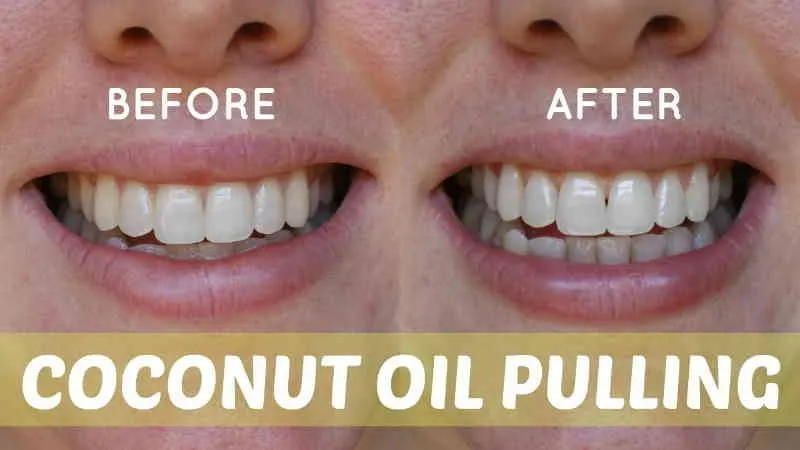
One of the most popular claims of oil pulling is its ability to whiten teeth. Many practitioners report seeing a noticeable difference in the brightness of their teeth after regular oil pulling. The oil is believed to remove surface stains, contributing to a whiter smile. Additionally, oil pulling can help reduce plaque buildup. The oil’s ability to bind with bacteria and remove them from the mouth can prevent plaque formation, reducing the risk of tooth decay and gum disease. These combined benefits can significantly improve your oral health and appearance. The potential for teeth whitening and plaque reduction makes oil pulling an attractive option for many.
Improving Gum Health

Oil pulling can contribute to healthier gums. The anti-inflammatory properties of some oils, such as coconut oil, can soothe inflamed gums and reduce the symptoms of gingivitis. By removing bacteria and reducing plaque, oil pulling promotes a healthier environment in the mouth, which is essential for gum health. This is a great option to manage gum issues. Healthy gums are essential for overall oral health and the longevity of your teeth. Regular oil pulling, along with other oral hygiene practices, can help maintain healthy gums.
Addressing Common Concerns and Side Effects
While oil pulling is generally considered safe, it’s important to be aware of potential concerns and side effects. Understanding these aspects can help you make an informed decision about whether oil pulling is right for you and how to practice it safely and effectively. Addressing potential issues is crucial for a positive experience. Always consult a dental professional if you have any specific concerns or experience adverse effects.
Taste and Texture
The taste and texture of oil pulling can be off-putting initially for some people. The oils used, especially coconut oil, can have a distinct taste and a thick consistency. These factors might require an adjustment period. You may find the taste and texture unpleasant at first, but with consistent practice, you may become accustomed to it. If the taste is too strong, you can experiment with different oils or add a drop of essential oil like peppermint to improve the flavor. Persistence is key to adapting to the taste and texture. The benefits often outweigh the initial discomfort.
Possible Side Effects

Some people may experience mild side effects from oil pulling, such as jaw soreness, nausea, or an increased need to cough. These side effects are usually temporary and resolve with continued practice. In rare cases, some individuals may experience a temporary worsening of oral health issues before improvement. This is often due to the initial removal of toxins. If you experience any severe or persistent side effects, it is best to consult with a dentist. If you are unsure if oil pulling is right for you, or if you are pregnant or nursing, it is best to consult with a healthcare professional.
Consulting with a Dental Professional
Before starting oil pulling, it’s always advisable to consult with a dental professional. They can provide personalized advice based on your specific oral health needs and any pre-existing conditions. A dentist can also assess the current state of your teeth and gums, providing recommendations tailored to your situation. They can also identify any potential risks or contraindications. Consulting with a dentist ensures that oil pulling complements your overall oral health strategy. They can offer guidance on technique, oil selection, and frequency. Professional guidance is crucial for optimizing the benefits of oil pulling while ensuring your safety.
In conclusion, oil pulling can be a beneficial addition to your oral hygiene routine, offering potential benefits such as teeth whitening, plaque reduction, and improved gum health. However, it should be practiced correctly and as a supplement to regular brushing, flossing, and dental checkups. By understanding the steps involved, the potential benefits, and the possible concerns, you can decide whether oil pulling is right for you and incorporate it into your daily routine safely and effectively. Always consult with a dentist to ensure oil pulling is appropriate for your individual needs.