Understanding Skin Whitening
Skin whitening, also known as skin lightening or bleaching, is a practice that aims to lighten the skin tone or provide an even skin complexion. This process often involves reducing the concentration of melanin, the pigment responsible for skin color. Many individuals pursue skin whitening for aesthetic reasons, seeking to address uneven skin tones, hyperpigmentation, or other skin imperfections. It’s a broad topic, and it’s important to understand the factors influencing skin tone and the various methods employed for achieving a lighter complexion. The methods range from natural remedies to cosmetic procedures, each with its own set of considerations regarding efficacy and safety.
What Causes Skin Discoloration?
Skin discoloration can be attributed to a multitude of factors, both internal and external. Exposure to the sun’s ultraviolet (UV) rays is a primary contributor, as it stimulates melanin production, leading to tanning and, in some cases, the development of dark spots and uneven pigmentation. Hormonal changes, such as those experienced during pregnancy (melasma), can also trigger skin discoloration. Furthermore, skin injuries, inflammation, and certain medical conditions, such as eczema and psoriasis, can result in post-inflammatory hyperpigmentation, leaving behind darker patches. Genetic predisposition plays a role as well, determining the baseline skin tone and susceptibility to conditions that cause discoloration. Understanding these underlying causes is crucial for effectively addressing and preventing skin discoloration.
The Role of Melanin

Melanin is the pigment that gives human skin, hair, and eyes their color. It is produced by specialized cells called melanocytes, which are found in the skin’s epidermis. The amount and type of melanin produced determine the degree of pigmentation. There are two main types of melanin eumelanin (brown and black pigments) and pheomelanin (red and yellow pigments). When exposed to UV radiation, melanocytes produce more melanin to protect the skin from damage. This protective mechanism, however, can also lead to tanning and, in some cases, the development of uneven skin tone. Skin whitening methods often aim to reduce melanin production or break down existing melanin, thereby lightening the skin.
Top 5 Natural Skin Whitening Methods
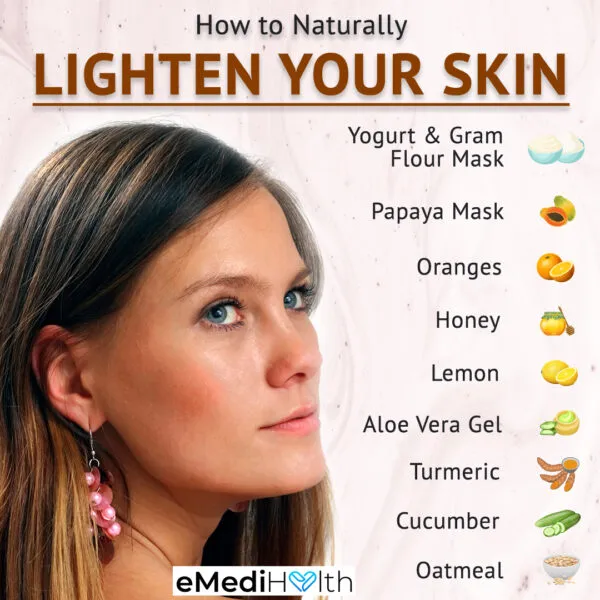
There are several natural methods that people use to lighten their skin, offering a gentler approach compared to some cosmetic procedures. While the effectiveness can vary, these methods are often considered safer due to their natural ingredients. It’s important to note that results may take time and consistency, and it’s always wise to perform a patch test before applying any new treatment to a large area of skin. Here are five popular natural skin whitening methods, each with its unique approach to promoting a brighter and more even complexion.
Lemon Juice for Skin Whitening
Lemon juice is a popular ingredient in many natural skin whitening treatments because of its high citric acid content, a natural bleaching agent. The acid helps exfoliate the skin, removing dead cells that can contribute to a dull appearance. Lemon juice also has antioxidant properties, which may help to reduce damage from free radicals and promote a brighter complexion. Many people use lemon juice to lighten dark spots, acne scars, and even out skin tone. However, it is crucial to use lemon juice with caution, as its acidity can cause irritation or increase sun sensitivity if not used carefully.
How to Use Lemon Juice Safely

To use lemon juice safely, always dilute it with water, ideally in a 1:1 ratio to reduce the risk of irritation. Perform a patch test on a small area of skin before applying it to a larger area to check for any adverse reactions, such as redness, itching, or burning. Apply the diluted lemon juice to the skin using a cotton ball, and leave it on for no more than 15-20 minutes before rinsing thoroughly with water. It is essential to apply sunscreen with a high SPF when using lemon juice, as it can make your skin more sensitive to the sun. Avoid using lemon juice on broken or irritated skin, and discontinue use if any irritation occurs.
Turmeric for Skin Brightening
Turmeric, a spice commonly used in Indian cuisine, contains curcumin, a powerful antioxidant and anti-inflammatory compound. Curcumin can help reduce inflammation, which is often associated with skin discoloration. It can also inhibit the production of melanin, potentially leading to a lighter skin tone over time. Turmeric has been used for centuries in traditional medicine for its skin-brightening properties. Its benefits extend beyond whitening; it can also help improve skin texture and reduce the appearance of fine lines. Applying turmeric topically can provide a natural glow and even out skin tone.
Benefits of Turmeric on Skin
Regular use of turmeric on the skin can offer a range of benefits, including reducing inflammation and redness. Its antioxidant properties help combat free radicals, which can damage skin cells and accelerate aging. Turmeric can also help to fade dark spots and hyperpigmentation, leading to a more even skin tone. Many find that turmeric gives their skin a natural radiance. Turmeric can also help with acne, thanks to its antibacterial properties. To use turmeric effectively, combine it with ingredients like yogurt or honey to create a face mask, which can be applied to the skin for 15-20 minutes before rinsing.
Yogurt Face Masks for Whitening

Yogurt is a gentle and effective ingredient for skin whitening. It contains lactic acid, an alpha-hydroxy acid (AHA) that acts as a mild exfoliant, removing dead skin cells and revealing brighter skin underneath. Yogurt can help to reduce the appearance of dark spots and uneven skin tone. It also has moisturizing properties, leaving the skin soft and supple. Yogurt is a versatile ingredient that can be used alone or combined with other ingredients like honey or turmeric to enhance its benefits. Regular use of yogurt face masks can contribute to a more radiant and even complexion.
Choosing the Right Yogurt
When using yogurt for skin whitening, choose plain, unsweetened yogurt to avoid added sugars and flavorings that may irritate the skin. Greek yogurt is a good choice as it is thicker and contains a higher concentration of lactic acid. Avoid yogurt with added fruit or other ingredients, which could contain artificial colors or fragrances. For those with sensitive skin, it is advisable to start with a small amount of yogurt on a test area to check for any adverse reactions before applying a full face mask. Look for yogurt that is fresh and has a short ingredient list for optimal results.
Aloe Vera for Soothing and Whitening
Aloe vera is renowned for its soothing and healing properties, making it a valuable ingredient in skincare routines. While not a direct skin whitener, aloe vera can help to even out skin tone and reduce the appearance of dark spots. Its anti-inflammatory properties can also calm irritated skin and reduce redness. Aloe vera contains compounds that can help to stimulate the production of new skin cells and repair damaged tissues. Regular use can contribute to a smoother, more radiant complexion. For those with sensitive skin, aloe vera can be a gentle and effective way to improve skin health.
Aloe Vera Application Tips

To apply aloe vera, harvest the gel directly from an aloe vera leaf or use a commercially available product that contains pure aloe vera. Apply a thin layer of aloe vera gel to the skin, and gently massage it in. Aloe vera can be used on its own or combined with other ingredients, such as lemon juice or turmeric, to boost its effects. Allow the aloe vera to sit on the skin for about 15-20 minutes before rinsing with water. Use aloe vera daily or as needed to soothe and brighten the skin. Keep in mind that aloe vera is generally safe for all skin types, but a patch test is recommended before full application.
Papaya for Exfoliation and Whitening
Papaya contains enzymes, such as papain, which act as natural exfoliants, removing dead skin cells and promoting cell turnover. This exfoliating action can help to lighten the skin and reduce the appearance of dark spots and uneven pigmentation. Papaya also contains antioxidants that can protect the skin from damage. It helps in removing impurities and revealing a fresher, brighter complexion. Using papaya regularly can contribute to a more radiant and even skin tone. The enzymes in papaya can gently break down the protein in dead skin cells, making it a great ingredient for natural skin care.
Papaya Mask Recipe
To make a papaya face mask, mash a ripe papaya until it forms a smooth paste. Apply the paste evenly to the face and neck, avoiding the eye area. Allow the mask to sit for about 15-20 minutes before rinsing with water. For enhanced benefits, you can combine papaya with other ingredients like honey or yogurt. Papaya masks can be used once or twice a week. Be sure to perform a patch test first to ensure you are not allergic to papaya. This simple recipe offers a natural way to exfoliate and brighten the skin, leading to a more luminous complexion.
Important Considerations and Warnings

Before using any natural skin whitening method, it’s essential to be aware of potential risks and take necessary precautions. Always perform a patch test on a small area of skin to check for allergic reactions or irritation before applying any new treatment to a larger area. Some natural ingredients, such as lemon juice, can increase the skin’s sensitivity to the sun, making it more prone to sunburn and damage. It’s crucial to protect your skin with a broad-spectrum sunscreen with an SPF of 30 or higher when using skin whitening treatments. Pregnant or breastfeeding women should consult a doctor before using any skin whitening products. Be patient and consistent with your chosen method, as results may take time.
Sun Protection and Skin Whitening
Sun protection is crucial when using skin whitening methods. The sun’s UV rays can darken the skin and counteract the effects of skin lightening treatments. Always use a broad-spectrum sunscreen with an SPF of 30 or higher to protect your skin from harmful UV rays. Reapply sunscreen every two hours, especially if you are spending time outdoors or sweating. Wearing protective clothing, such as hats and long sleeves, can also help to shield your skin from the sun. Avoiding direct sun exposure during peak hours (typically between 10 AM and 4 PM) is also recommended. Incorporating sun protection into your daily routine is essential for maintaining a lighter skin tone and preventing further skin damage.
Consulting a Dermatologist
If you are concerned about skin discoloration or are considering skin whitening treatments, it’s advisable to consult a dermatologist. A dermatologist can assess your skin type, identify the underlying causes of discoloration, and recommend the most appropriate treatments. They can also provide guidance on the safe and effective use of natural remedies and other skin whitening products. A dermatologist can help you understand the potential risks and benefits of each treatment option and help you achieve your desired results safely. Professional advice ensures that you choose the best approach for your skin type and concerns.