What is Microdermabrasion and How Does It Work for Skin Whitening
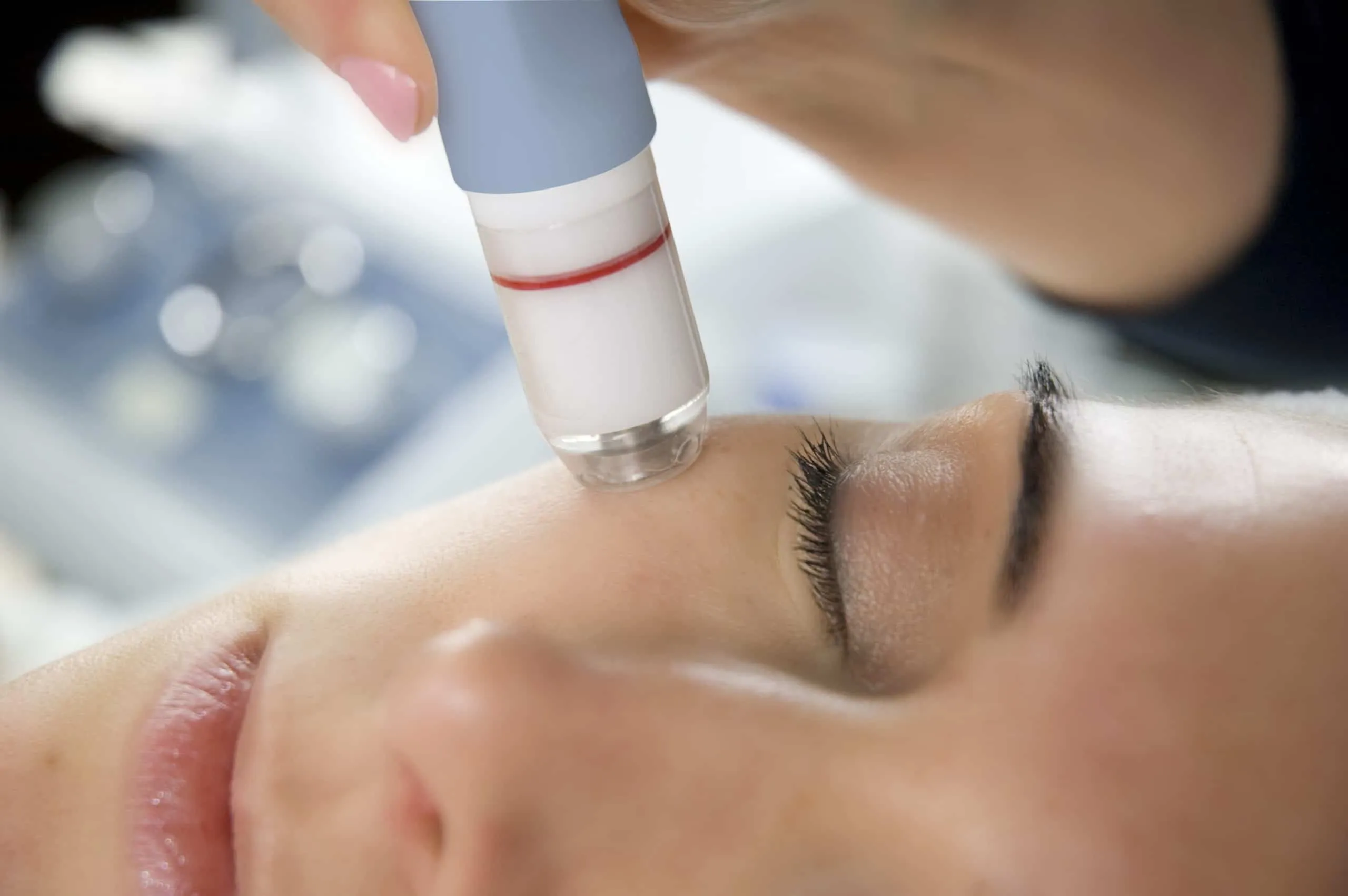
Microdermabrasion is a minimally invasive cosmetic procedure that exfoliates the skin. This process removes the outermost layer of dead skin cells, revealing a fresher, more radiant complexion. This is often employed for skin whitening because it can diminish the appearance of dark spots, age spots, and uneven skin tone. The procedure utilizes a special applicator with an abrasive surface or sprays fine crystals to gently sand away the outer layer of skin. By removing these dead cells, microdermabrasion stimulates the production of new skin cells and collagen, leading to improved skin texture and a brighter appearance. The treatment can be performed on the face, neck, chest, and hands, offering a versatile solution for various skin concerns. The results can be noticeable immediately, and the procedure is generally considered safe for all skin types, though it’s essential to consult a professional to determine suitability and expectations. Consistent treatments, usually spaced a few weeks apart, are often recommended to maintain and enhance the effects of microdermabrasion.
The Science Behind Microdermabrasion for Skin Whitening
At its core, the effectiveness of microdermabrasion for skin whitening lies in its ability to promote cellular turnover and stimulate collagen production. The exfoliation process removes the top layer of skin, which often contains accumulated melanin, the pigment responsible for dark spots and uneven skin tone. By removing this layer, the newer, lighter skin beneath is revealed, leading to a brighter complexion. Additionally, the controlled abrasion encourages the production of new collagen and elastin, proteins that contribute to the skin’s elasticity and firmness. This leads to a more youthful appearance and can help reduce the appearance of fine lines and wrinkles. Furthermore, microdermabrasion can improve the penetration of skincare products, allowing ingredients like skin-lightening serums and creams to be more effectively absorbed, thus enhancing their efficacy. The overall process stimulates the skin’s natural healing mechanisms, resulting in healthier, more radiant skin over time. Understanding this scientific basis helps to appreciate the multi-faceted benefits of microdermabrasion.
Understanding Hyperpigmentation and Skin Discoloration

Hyperpigmentation refers to the darkening of the skin due to an increase in melanin production. This can manifest as dark spots, uneven skin tone, and patches of discoloration. Several factors contribute to hyperpigmentation, including sun exposure, hormonal changes, acne scars, and certain skin conditions. Sun exposure is a primary culprit, as UV radiation stimulates melanin production to protect the skin. Hormonal fluctuations, such as those during pregnancy or due to birth control pills, can trigger melasma, a condition characterized by brown patches on the face. Acne scars often leave behind post-inflammatory hyperpigmentation (PIH), where dark spots appear after acne breakouts. Other conditions, such as eczema and psoriasis, can also lead to skin discoloration. Understanding the root causes of hyperpigmentation is crucial for selecting the most effective treatment options, including microdermabrasion. Addressing these underlying factors alongside treatments can lead to more lasting results and improved skin health. This is because Microdermabrasion helps to remove the hyperpigmented skin cells, making the skin tone more even.
Types of Microdermabrasion Treatments
There are two main types of microdermabrasion treatments commonly used in cosmetic procedures: crystal microdermabrasion and diamond-tip microdermabrasion. Both methods achieve similar results by exfoliating the skin, but they differ in their techniques and the tools used. Crystal microdermabrasion uses a hand-held device that sprays fine crystals, usually aluminum oxide, across the skin’s surface. These crystals gently abrade the skin, removing dead cells and debris. A vacuum then sucks up the used crystals and exfoliated skin cells. Diamond-tip microdermabrasion, on the other hand, utilizes a wand with a diamond-encrusted tip. This tip gently exfoliates the skin while simultaneously vacuuming away the dead skin cells. The diamond-tip method is often considered more precise and less messy than crystal microdermabrasion. The choice between these two methods often depends on the practitioner’s preference and the specific needs of the client. Both methods are effective for improving skin tone and texture, though the results can vary based on the individual’s skin type and the intensity of the treatment.
Crystal Microdermabrasion
Crystal microdermabrasion involves the use of a hand-held device that sprays tiny crystals, typically aluminum oxide, onto the skin. These crystals act as a gentle abrasive, removing the outermost layer of dead skin cells and impurities. The device also incorporates a vacuum function that sucks up the used crystals and exfoliated skin cells, leaving the skin clean and refreshed. The process is relatively quick and painless, with minimal downtime. Crystal microdermabrasion is suitable for various skin types and concerns, including fine lines, wrinkles, sun damage, and uneven skin tone. The intensity of the treatment can be adjusted based on the individual’s skin sensitivity and the desired outcome. Regular sessions, spaced a few weeks apart, can provide noticeable improvements in skin texture and radiance. It is essential to choose a qualified professional to perform the treatment to ensure safety and achieve optimal results. Proper post-treatment care, such as using gentle skincare products and avoiding sun exposure, is also critical for maintaining the benefits of crystal microdermabrasion.
Diamond-Tip Microdermabrasion

Diamond-tip microdermabrasion utilizes a wand with a diamond-encrusted tip to exfoliate the skin. The diamond tip is available in various grades of coarseness, allowing the practitioner to customize the treatment based on the client’s skin type and concerns. As the wand is moved across the skin, the diamond tip gently abrades the surface, removing dead skin cells. A built-in vacuum then removes the exfoliated cells, leaving the skin clean and smooth. This method offers precise control and is often considered less messy than crystal microdermabrasion. Diamond-tip microdermabrasion is suitable for a wide range of skin types and conditions, including fine lines, wrinkles, acne scars, and uneven skin tone. The procedure is generally painless and requires minimal downtime. The results are often visible immediately, with improvements in skin texture and a brighter complexion. To maintain the benefits, regular treatments are recommended. It is essential to seek treatment from a qualified professional to ensure safe and effective results. Post-treatment care typically involves using gentle skincare products and avoiding sun exposure to protect the newly revealed skin.
Microdermabrasion for Different Skin Types
Microdermabrasion is generally safe and effective for various skin types, but the approach and intensity of the treatment may need to be adjusted. For individuals with sensitive skin, a gentler approach is often recommended to minimize irritation. This may involve using a less abrasive method, such as diamond-tip microdermabrasion, or reducing the intensity of the treatment. For those with oily or acne-prone skin, microdermabrasion can help to unclog pores and reduce the frequency of breakouts. However, it is crucial to avoid aggressive treatments that could worsen inflammation. People with dry skin may benefit from microdermabrasion by removing dry, flaky skin cells, allowing moisturizers to penetrate more effectively. For individuals with darker skin tones, microdermabrasion can be a useful treatment for addressing hyperpigmentation. It is essential to choose a qualified practitioner who has experience treating darker skin and understands the potential risks of post-inflammatory hyperpigmentation. Before undergoing microdermabrasion, it’s essential to consult with a dermatologist or a skincare professional to determine the best approach and ensure that the treatment is suitable for your specific skin type and concerns. This will help to maximize results and minimize the risk of side effects.
Microdermabrasion Techniques for Skin Whitening
Microdermabrasion techniques for skin whitening focus on gently exfoliating the skin to remove the superficial layer of dead skin cells, which often contain melanin, the pigment responsible for dark spots and uneven skin tone. The primary goal is to reveal the fresh, lighter skin underneath. Practitioners often use a series of treatments, spaced a few weeks apart, to gradually lighten the skin. The intensity of the treatment can be adjusted based on the individual’s skin type and the severity of hyperpigmentation. For more pronounced results, microdermabrasion may be combined with other skin-whitening treatments, such as topical creams containing ingredients like hydroquinone or retinoids, to enhance the effects. Proper technique is essential to avoid irritation or potential side effects. The practitioner must control the pressure, speed, and duration of the treatment to ensure optimal results while minimizing the risk of adverse reactions. Post-treatment care is critical for maintaining the skin-whitening effects. This includes using gentle skincare products, avoiding sun exposure, and applying sunscreen regularly. Consistent and proper use of these techniques can lead to a brighter, more even skin tone.
Pre-Treatment Preparation for Optimal Results

Proper pre-treatment preparation is crucial for maximizing the benefits of microdermabrasion and minimizing potential side effects. Several steps can be taken to ensure the skin is in optimal condition before the procedure. Firstly, it is essential to avoid sun exposure and tanning beds for at least a week before the treatment, as this can make the skin more sensitive. Individuals with active skin infections, such as cold sores or acne, should postpone the treatment until the infection has cleared. The use of harsh skincare products, such as exfoliating acids or retinoids, should be discontinued a few days prior to microdermabrasion to avoid irritation. Inform your practitioner about any medications you are taking or any skin conditions you have. It is also recommended to cleanse and moisturize the skin gently in the days leading up to the treatment. Following these pre-treatment guidelines helps to ensure that the skin is receptive to the microdermabrasion treatment, resulting in better outcomes and reduced risk of complications. Discussing your skincare routine and concerns with your practitioner before the procedure is a good way to clarify any questions and ensure a personalized approach to your skin care needs.
Post-Treatment Care and Maintenance
Proper post-treatment care is essential for optimizing the results of microdermabrasion and promoting healthy skin. After the procedure, the skin may be slightly red and sensitive, so gentle skincare is key. Avoid harsh cleansers, exfoliants, and products containing alcohol or fragrances. Instead, use a mild cleanser and a gentle, hydrating moisturizer to keep the skin hydrated. It is also crucial to protect the skin from sun exposure by applying a broad-spectrum sunscreen with an SPF of 30 or higher daily. Avoiding direct sunlight, especially during peak hours, is also recommended. Avoid picking or scratching the treated area, as this can lead to irritation or infection. Stay hydrated by drinking plenty of water, as this helps to keep the skin moisturized and supports the healing process. Following these aftercare instructions diligently will help the skin heal properly, minimize the risk of complications, and maintain the results of microdermabrasion. Your practitioner may also recommend specific skincare products to use after the treatment to support healing and enhance skin whitening.
Benefits of Microdermabrasion for Skin Whitening
Microdermabrasion offers several benefits for skin whitening, making it a popular choice for individuals seeking a brighter, more even complexion. One of the primary advantages is its ability to exfoliate the skin, removing the superficial layer of dead cells that often contain melanin, the pigment responsible for dark spots and uneven skin tone. This exfoliation process reveals the fresher, lighter skin beneath, resulting in a more radiant appearance. Additionally, microdermabrasion stimulates collagen production, which can improve skin texture, reduce the appearance of fine lines and wrinkles, and enhance the skin’s overall elasticity. Microdermabrasion also improves the penetration of skincare products, such as skin-lightening serums and creams, making them more effective. The procedure is minimally invasive, requires no downtime, and is generally considered safe for various skin types. Microdermabrasion can be performed on the face, neck, chest, and hands, offering a versatile solution for addressing hyperpigmentation and promoting a more youthful appearance. The results can often be seen immediately, and the procedure can be combined with other treatments for enhanced outcomes. Consistent treatments, coupled with proper skincare, can maintain and enhance the long-term benefits of microdermabrasion for skin whitening. This also makes the skin more receptive to other treatments.
Potential Risks and Side Effects

While microdermabrasion is generally considered safe, it is essential to be aware of the potential risks and side effects associated with the procedure. Common side effects include temporary redness, swelling, and mild irritation, which typically subside within a few days. Some individuals may experience skin sensitivity, making them more prone to sunburn or other skin reactions. In rare cases, more serious complications can occur. These may include infection, scarring, or changes in skin pigmentation, such as hyperpigmentation or hypopigmentation. Individuals with active skin infections, such as cold sores or acne, are at a higher risk of complications and should postpone the treatment. Those with a history of keloid scarring should consult with a dermatologist before undergoing microdermabrasion. Choosing a qualified and experienced practitioner is crucial to minimize the risk of adverse effects. Following pre- and post-treatment instructions carefully can also help reduce the likelihood of complications. If any unusual symptoms occur after the procedure, such as severe pain, excessive swelling, or signs of infection, it is important to seek medical attention immediately. Knowing the potential risks can help you make informed decisions and prepare for the procedure.
Microdermabrasion vs Other Skin Whitening Treatments
Microdermabrasion is one of several skin-whitening treatments available, each with its own advantages and disadvantages. Compared to chemical peels, which use chemical solutions to exfoliate the skin, microdermabrasion is generally considered less invasive and has minimal downtime. Chemical peels can be more effective for deeper pigmentation issues but may require more recovery time. Laser treatments for skin whitening, such as IPL (Intense Pulsed Light) and laser resurfacing, target melanin directly, potentially leading to more dramatic results. However, they can also be more expensive and carry a higher risk of side effects, such as changes in pigmentation. Topical creams containing ingredients like hydroquinone, retinoids, or kojic acid are often used for skin whitening. These creams can be effective, but they may take several weeks or months to show results and may cause irritation or sensitivity. Microdermabrasion can be used in conjunction with these creams to enhance their penetration and effectiveness. The best treatment option depends on individual skin type, the severity of hyperpigmentation, and personal preferences. Consulting with a dermatologist or a skincare professional is crucial to determine the most suitable approach and combination of treatments for achieving desired results. Each treatment has its unique benefits, and comparing those makes it easier to find the best option.
How to Choose the Right Microdermabrasion Provider
Choosing the right microdermabrasion provider is essential for ensuring safe and effective treatment. Start by researching local providers and checking their credentials, licenses, and certifications. Make sure the provider is a licensed esthetician, dermatologist, or medical professional with experience in performing microdermabrasion. Read online reviews and testimonials to get an idea of the provider’s reputation and the experiences of other clients. Schedule a consultation to discuss your skin concerns, assess the provider’s expertise, and evaluate their approach. During the consultation, the provider should assess your skin type and condition, explain the procedure in detail, and discuss the potential risks and benefits. Inquire about the types of microdermabrasion treatments they offer and the equipment they use. Ensure the provider uses sterile equipment and follows proper hygiene protocols. Ask about their experience in treating your specific skin concerns and their success rates. Don’t hesitate to ask questions and express any concerns you may have. Trust your instincts and choose a provider who makes you feel comfortable, confident, and well-informed. A good provider will prioritize your safety and skin health, providing a personalized treatment plan tailored to your needs. Taking these steps can improve your chances of a successful microdermabrasion experience.
Frequently Asked Questions about Microdermabrasion and Skin Whitening

Several frequently asked questions arise regarding microdermabrasion and its role in skin whitening. One common question is, “How many microdermabrasion sessions are needed to see results?” The answer varies depending on the individual’s skin condition and the desired outcome, but a series of treatments, typically spaced a few weeks apart, is often recommended. Another question is, “Is microdermabrasion painful?” Generally, microdermabrasion is not painful, but some individuals may experience mild discomfort or a scratching sensation during the procedure. Another frequently asked question is, “What is the downtime after microdermabrasion?” Downtime is usually minimal, with most people experiencing only temporary redness or mild irritation. However, it is essential to avoid sun exposure and use gentle skincare products after the treatment. Many wonder if microdermabrasion is suitable for all skin types. Microdermabrasion is generally safe for various skin types, but the approach and intensity of the treatment may need to be adjusted based on the individual’s skin sensitivity and concerns. Other common questions revolve around the cost of microdermabrasion, the potential side effects, and the best ways to maintain the results. Consulting with a dermatologist or a skincare professional can address any concerns.