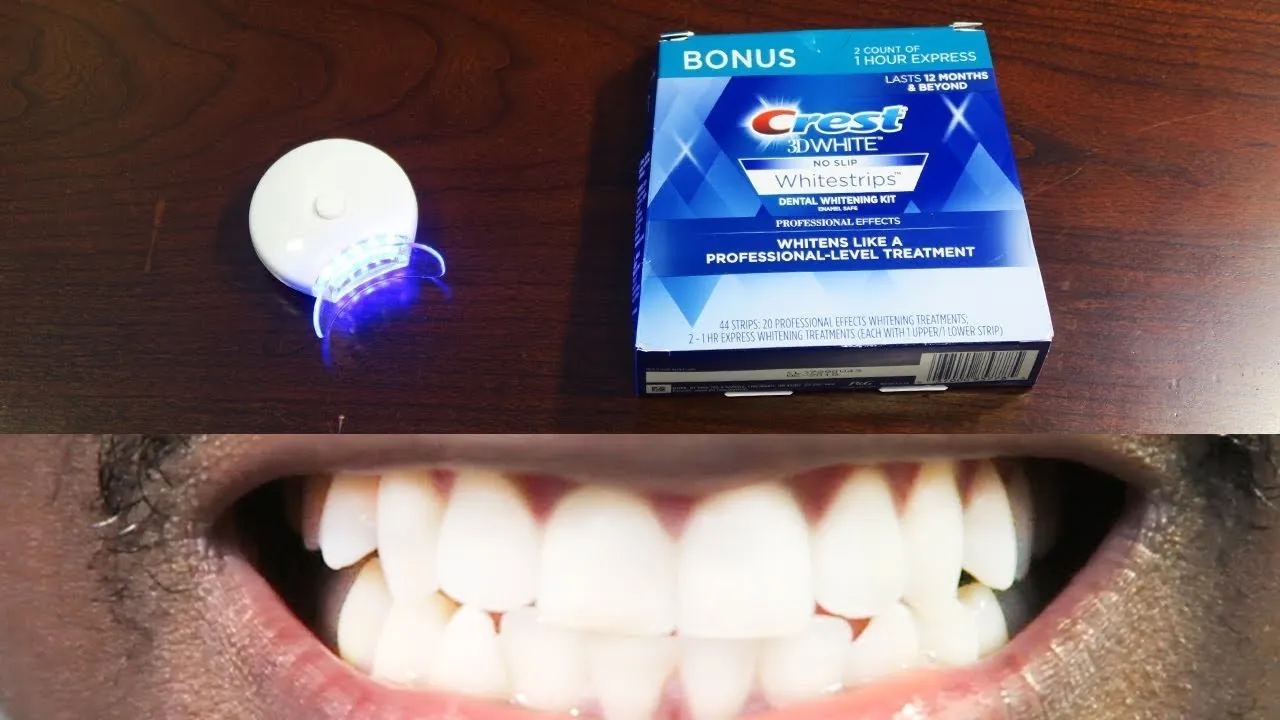
What is LED Teeth Whitening?
LED teeth whitening is a cosmetic dental procedure designed to brighten your smile using a combination of LED (Light Emitting Diode) light and a bleaching agent, typically hydrogen peroxide or carbamide peroxide. This method has gained popularity due to its potential to deliver noticeable results relatively quickly. The process involves applying the whitening gel to the teeth and then shining a specialized LED light onto the teeth. The light activates the whitening agents, which helps to break down stains and discoloration that have accumulated on the enamel over time. The effectiveness of LED teeth whitening can vary based on the individual’s oral health, the concentration of the bleaching agent, and the duration of the treatment.
How LED Teeth Whitening Works
The mechanism behind LED teeth whitening is a combination of chemical reaction and light activation. The whitening gel, which contains peroxide, penetrates the enamel surface and breaks down the stain molecules that cause discoloration. The LED light is crucial in this process; it emits a specific wavelength of light that accelerates the chemical reaction. This acceleration enhances the bleaching effect, enabling faster and potentially more effective results compared to whitening products used without light activation. The light itself doesn’t directly whiten the teeth; instead, it boosts the effectiveness of the peroxide, making the process quicker and more efficient. Different LED light devices may use varying light wavelengths and intensities, and the specific effectiveness can depend on these factors, the quality of the whitening gel, and the user’s adherence to the instructions.
The Science Behind LED Light and Whitening

The science behind LED teeth whitening lies in photochemistry, where light energy triggers a chemical reaction. The LED light emits specific wavelengths that interact with the whitening agent, typically hydrogen peroxide, used in the bleaching gel. When the LED light shines on the gel, it excites the peroxide molecules, causing them to release oxygen radicals. These oxygen radicals are the active agents that break down the staining compounds on the teeth. This process is similar to how other whitening agents work, but the LED light accelerates the reaction, potentially improving the speed and degree of whitening. Scientific research indicates that LED light can enhance the bleaching process, though results can vary based on several factors, including the light’s intensity, the specific wavelength used, and the concentration of the whitening agent.
LED Light Whitening Process
The process for LED teeth whitening typically involves a few key steps. First, the teeth are cleaned to remove any surface debris, which ensures that the whitening gel can effectively contact the tooth surface. Next, a protective barrier, such as a cheek retractor and sometimes a gum shield, is used to keep the gums and soft tissues safe from the bleaching agent. The whitening gel is applied to the teeth, carefully avoiding contact with the gums. After the gel is applied, the LED light device is positioned, often with a mouthpiece, to ensure that the light is directed toward the teeth. The light is usually activated for a specific duration, depending on the product’s instructions and the dentist’s recommendations. Finally, the gel is removed, and the teeth are rinsed. Further applications may be performed, according to the treatment plan.
Preparing for LED Teeth Whitening
Before starting LED teeth whitening, it’s important to prepare your teeth and understand the process. This typically begins with a consultation, either with a dentist or a review of the product instructions if you’re using a home kit. During the consultation, your dental professional will assess the condition of your teeth, looking for cavities, gum disease, or other issues that may affect the treatment. If there are any existing dental problems, these must be addressed before whitening to avoid further complications. You may need to have a professional cleaning to remove plaque and tartar, which ensures that the whitening gel can effectively reach your enamel. It’s also crucial to inform your dentist about any teeth sensitivity, as it might require adjustments in the whitening process to minimize discomfort. Finally, it’s important to have realistic expectations; the shade improvement can vary, and it might not correct every type of discoloration.
Step-by-Step Guide to Using LED Light

Using an LED teeth whitening kit typically involves a structured process, and following the steps precisely is important to achieve optimal results. Start by cleaning your teeth thoroughly and rinsing your mouth. Ensure your teeth are dry before you apply the whitening gel. It is important to read all instructions included with the kit, as they may vary slightly. The general steps involve gel application, light positioning, timer setting, and post-treatment care. Adhering to these steps helps maximize the effectiveness of the treatment and minimizes potential side effects, such as increased sensitivity. If you’re uncertain about any part of the process, consulting the instructions or contacting customer support for the kit is recommended.
Step 1 Applying the Whitening Gel
The first step in LED teeth whitening involves applying the whitening gel. Most kits provide a syringe or applicator designed for this purpose. Gently squeeze a small amount of gel onto the front surface of your teeth, ensuring each tooth gets an even coating. The gel should ideally cover the visible surfaces of your teeth. Avoid applying the gel to your gums, as it could cause irritation. Carefully follow the manufacturer’s instructions regarding the amount of gel to use, as too much can lead to discomfort. If you have any trouble applying the gel evenly, you might consider using a small brush, like a Q-tip, to help spread it across your teeth. After application, make sure your teeth are still dry before proceeding to the next step.
Step 2 Positioning the LED Light
Once the gel is applied, the next step is positioning the LED light device. Place the device in your mouth, typically using a mouth tray to hold the light in place, ensuring it is centered over your teeth. The light should be as close as possible to your teeth without touching them. Some kits come with a flexible design to accommodate different mouth shapes. Make sure the light shines directly onto the whitened surfaces of your teeth for the best results. Ensure that the device is securely in place to prevent it from moving during the treatment. Some devices come with a built-in timer that will automatically shut off after the recommended time. Make sure to carefully follow the kit’s instructions for positioning the light to ensure safety and efficiency.
Step 3 Setting the Timer

Most LED teeth whitening kits have a built-in timer, so you can easily track the duration of the treatment. Follow the instructions to set the timer for the recommended time, typically between 10 to 30 minutes, depending on the kit and the desired level of whitening. If the kit does not have a timer, you will need to use a separate timer, like the one on your phone. The length of each session varies depending on the product’s instructions and the sensitivity of your teeth. It is crucial to adhere to the timer settings to ensure both the effectiveness and safety of the whitening process. Avoid exceeding the recommended time, as this could potentially increase the risk of tooth sensitivity or gum irritation. After the timer goes off, carefully remove the device from your mouth.
Step 4 Post-Treatment Care
After the LED light treatment, proper post-treatment care is essential to achieve the best results and minimize potential side effects. Rinse your mouth thoroughly with water to remove any remaining whitening gel. Avoid eating or drinking anything, except for water, for at least one hour after the treatment, to prevent staining. For the next 24 hours, it’s best to avoid foods and beverages that can stain your teeth, such as coffee, tea, red wine, and heavily colored sauces. If you experience any teeth sensitivity, which is a common side effect, you can use a desensitizing toothpaste or consult with your dentist. Make sure to follow the instructions on your whitening kit for the recommended frequency and duration of use. Proper post-treatment care will help maintain your whiter smile for longer.
Benefits of LED Teeth Whitening
LED teeth whitening offers several advantages for those looking to brighten their smiles. One of the primary benefits is the potential for quicker results than some other whitening methods. The LED light helps accelerate the whitening process, leading to visible improvements in a shorter time frame. Many home kits are easy to use, allowing you to whiten your teeth in the comfort of your home. When used under the guidance of a dental professional or following product instructions, LED whitening is considered safe. This method can be a cost-effective option compared to professional in-office treatments, making it accessible to a broader audience. Furthermore, improved self-esteem and confidence can be associated with having a brighter, whiter smile.
Pros of LED Teeth Whitening

The pros of LED teeth whitening are numerous, making it a popular choice for many. The speed of the results is a significant advantage; you can often see a noticeable difference in just a few sessions. Many home kits are convenient, enabling you to whiten your teeth without scheduling frequent dental appointments. The treatments are generally safe when used as directed, and side effects, like sensitivity, are usually temporary. Compared to in-office treatments, LED whitening can be more affordable, providing an effective option that fits your budget. The ease of use is another advantage, as the process is straightforward and user-friendly, allowing you to comfortably incorporate it into your daily routine. The improved smile can boost your self-confidence, making LED whitening a worthwhile investment.
Cons of LED Teeth Whitening
Despite the benefits, LED teeth whitening has its downsides. Tooth sensitivity is a common side effect, which can cause discomfort, especially during the treatment and for a short time afterward. The results may not be as dramatic or long-lasting as professional treatments, depending on the strength of the whitening agent and your habits. Some individuals might experience gum irritation if the whitening gel comes into contact with their gums. The effectiveness of the treatment can also vary based on the type of stains you have and your existing dental work. Furthermore, excessive or improper use of whitening products can potentially damage the enamel. It’s also important to understand that LED whitening doesn’t work on all types of stains, and certain dental conditions might make it unsuitable.
Important Considerations & Tips
When considering LED teeth whitening, several factors are important to keep in mind. Always consult with a dentist before starting any whitening treatment, especially if you have existing dental issues. Ensure the product you are using is approved and safe, and always follow the manufacturer’s instructions. Be realistic about the results; while LED whitening can significantly improve your smile, it may not completely eliminate all stains or achieve the same level of whitening as in-office procedures. If you have sensitive teeth, consider using a desensitizing toothpaste before, during, and after the treatment. Maintaining a good oral hygiene routine, including regular brushing, flossing, and dental check-ups, is essential to prolong the whitening effects. Avoid consuming staining foods and drinks, like coffee and red wine, to prevent new stains. Consider using a whitening toothpaste to help maintain your results.
Choosing the Right LED Teeth Whitening Kit

Selecting the right LED teeth whitening kit involves carefully considering a few key factors. Start by researching different brands and reading reviews to assess their effectiveness and safety. Look for kits that are FDA-approved and come with clear instructions and safety guidelines. Pay attention to the concentration of hydrogen peroxide or carbamide peroxide in the whitening gel, as this can affect the results and potential for sensitivity. Check for any included features like a built-in timer, mouth trays, and desensitizing products, as these can enhance the user experience. Ensure the kit includes a comfortable and properly fitting mouth tray for optimal light exposure. Compare the price and value, considering the number of treatments, gel refills, and additional features. Ultimately, choosing a kit that suits your needs and follows these considerations will increase the likelihood of a successful and safe whitening experience. Prioritize a kit from a reputable company with positive customer reviews.
Maintaining Your White Smile
Maintaining your white smile after LED teeth whitening requires consistent care and attention. Start by practicing good oral hygiene habits, brushing twice a day and flossing daily to remove plaque and food particles that can cause staining. Limit your consumption of stain-causing foods and drinks, such as coffee, tea, red wine, and dark-colored berries, or consume these in moderation. If you do consume these items, brush your teeth shortly afterward. Consider using a whitening toothpaste to help remove surface stains and maintain brightness. Regular dental check-ups and cleanings can help remove surface stains and keep your teeth looking their best. Avoid smoking and other tobacco products, as they can significantly discolor your teeth. Consider touch-up treatments with your LED whitening kit or professional whitening sessions to maintain your desired shade. Stay consistent with these maintenance practices to preserve your radiant smile.
Frequently Asked Questions about LED Teeth Whitening
Many questions often arise regarding LED teeth whitening, and addressing these can provide clarity and help make informed decisions. One common question is about the safety of LED teeth whitening. Generally, it is considered safe when used according to instructions, with the main side effect being temporary tooth sensitivity. Another frequently asked question is about the effectiveness of LED teeth whitening, which can vary based on individual factors and the product used, but results are typically visible. The duration of the effects is another point of interest; the whitening can last for several months to a year, depending on your diet, habits, and oral hygiene. Many also wonder about the difference between LED whitening and other methods. It’s also common to ask about the cost and how it compares to other teeth whitening options. Understanding these FAQs helps in making informed decisions about teeth whitening.
Is LED Teeth Whitening Safe?

LED teeth whitening is generally considered safe when used correctly and according to the instructions provided by the manufacturer or under the guidance of a dental professional. The primary safety concern is potential tooth sensitivity, which is usually temporary and can be managed with desensitizing toothpaste or by adjusting the treatment frequency. The LED light used in the process is not harmful, as it does not emit UV radiation, which could damage the teeth. Ensure the product you are using has been approved and meets safety standards. People with existing dental issues, such as cavities or gum disease, should consult a dentist before starting the treatment. Following the recommended treatment duration and frequency is essential to minimize potential side effects and ensure safety. Overuse or misuse of the whitening agents can increase the risk of tooth sensitivity and gum irritation, highlighting the importance of following instructions carefully.
How Long Does LED Teeth Whitening Last?
The longevity of LED teeth whitening results can vary depending on individual factors. Typically, the whitening effects can last anywhere from a few months to a year or more. Several factors influence how long the results last, including your diet and lifestyle. Regular consumption of staining foods and beverages, such as coffee, tea, red wine, and berries, can reduce the longevity of your results. Tobacco use can also quickly stain your teeth and diminish the whitening effects. Maintaining a good oral hygiene routine, including regular brushing, flossing, and professional cleanings, helps maintain your brighter smile. Touch-up treatments with a whitening kit or professional whitening can help maintain your results over time. Following your dentist’s recommendations and adopting healthy habits can help extend the life of your whitened smile.
LED Teeth Whitening vs Other Methods
LED teeth whitening offers distinct features when compared to other teeth whitening methods. Compared to over-the-counter whitening strips, LED whitening often provides quicker results due to the light activation, enhancing the bleaching process. Professional in-office whitening procedures usually use stronger bleaching agents and offer the most dramatic results, but can be more costly. Compared to other at-home methods, such as whitening toothpastes and gels, LED kits generally provide a more potent whitening effect, especially when combined with light activation. LED whitening is often a more affordable option than professional treatments, making it a suitable choice for many. However, the results may not be as long-lasting as professional treatments. Consider factors like convenience, cost, desired results, and any existing dental issues when choosing the best method for you.