What is Hydrogen Peroxide Teeth Whitening?
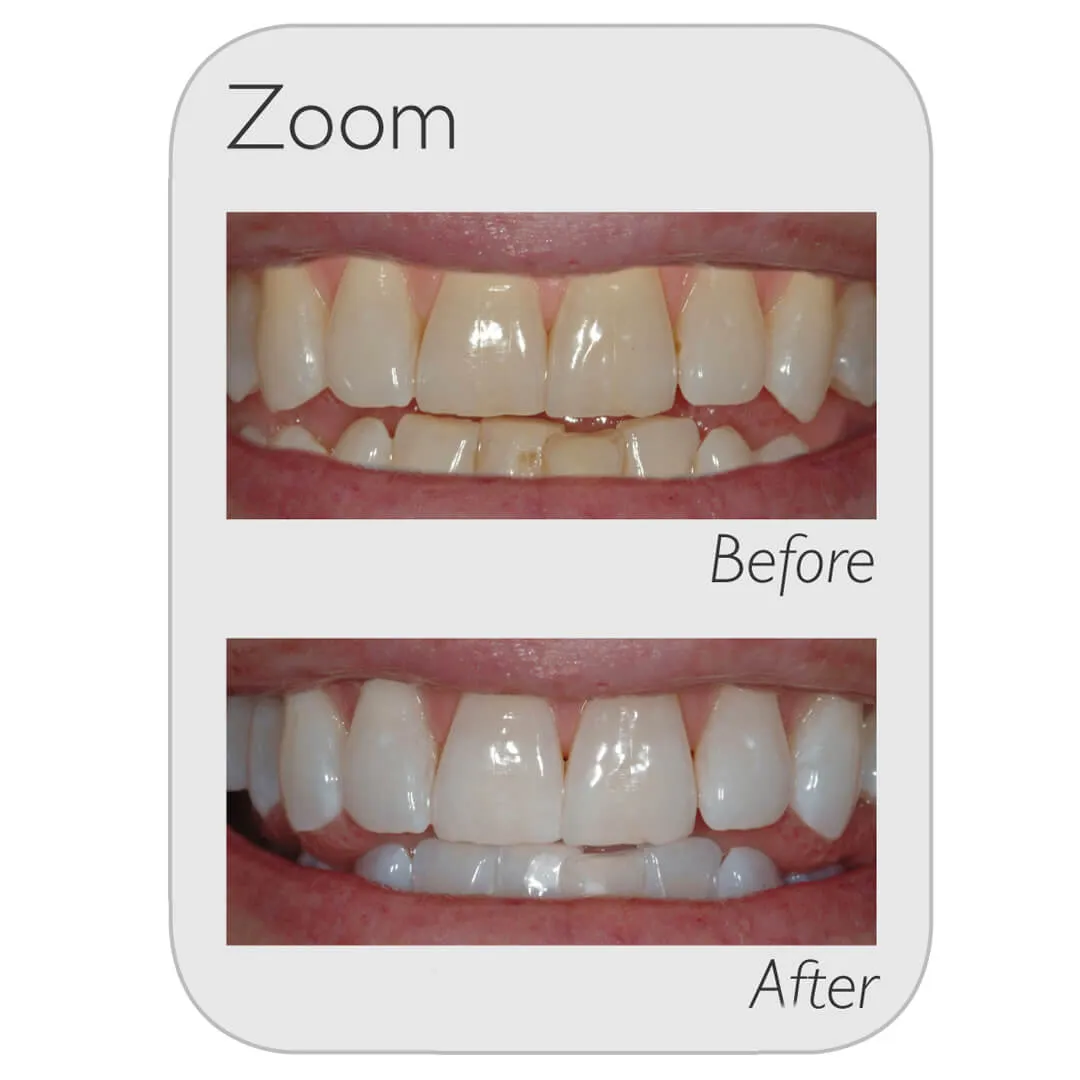
Hydrogen peroxide teeth whitening involves using a solution containing hydrogen peroxide to lighten the color of your teeth. It’s a common and readily available method for combating stains and discoloration caused by factors like coffee, tea, smoking, and aging. The process works by breaking down the stains that have accumulated on the surface of your teeth and, in some cases, penetrating deeper into the enamel. This results in a brighter, whiter smile. The concentration of hydrogen peroxide varies depending on the product or method used, impacting the effectiveness and potential side effects. It is a popular option because it can be done at home, making it convenient for many people. However, it’s important to understand the process and its potential impacts before starting this teeth whitening method. Consulting with a dentist is always recommended for advice tailored to your specific dental health needs.
How Hydrogen Peroxide Whitens Teeth
The whitening action of hydrogen peroxide is a chemical process. When hydrogen peroxide comes into contact with the teeth, it releases oxygen molecules. These oxygen molecules then penetrate the enamel and dentin, the layers that make up the teeth. These oxygen molecules break down the stain molecules, which causes the discoloration. This process doesn’t damage the tooth structure itself, but it can cause temporary sensitivity in some individuals. The effectiveness of hydrogen peroxide depends on the concentration of the solution used, the duration of exposure, and the type of stains present on the teeth. Therefore, understanding the science behind this process can help you manage expectations and make informed decisions about using hydrogen peroxide for teeth whitening. It is essential to be patient and to follow the recommended guidelines to avoid potential adverse effects.
The Effectiveness of Hydrogen Peroxide for Teeth Whitening

The effectiveness of hydrogen peroxide in teeth whitening varies from person to person and depends on several factors. The concentration of hydrogen peroxide is critical; higher concentrations generally produce more dramatic results but also carry a higher risk of side effects. The type and severity of stains play a significant role; surface stains from coffee or tea are usually easier to remove than intrinsic stains or those deep within the tooth. Regular use of hydrogen peroxide can noticeably improve the color of the teeth, but the results may not be as dramatic as those achieved through professional treatments like in-office bleaching. Maintaining a good oral hygiene routine, including regular brushing, flossing, and dental check-ups, can also enhance and maintain the whitening effects. Therefore, managing expectations and understanding the factors that influence the effectiveness of this method are essential for a successful teeth whitening experience. It is always recommended to consult with a dental professional for personalized advice.
Fact 1 Hydrogen Peroxide Concentration Matters
The concentration of hydrogen peroxide in a teeth whitening product is a crucial factor in its effectiveness. Over-the-counter products, like whitening toothpaste and strips, typically contain lower concentrations, often around 3% to 10%. These products are generally considered safer for home use but may offer less dramatic results. Professional treatments at a dentist’s office often utilize much higher concentrations, sometimes up to 40% or more. This allows for quicker and more noticeable whitening, but these treatments must be administered by a trained professional to minimize the risk of side effects such as gum irritation and tooth sensitivity. It’s important to carefully read and adhere to the instructions for any product you use, as improper use of high-concentration hydrogen peroxide can lead to adverse dental health outcomes. Always consult with a dentist to determine the appropriate concentration of hydrogen peroxide for your specific needs and dental health condition.
Fact 2 Potential Side Effects and Risks
While hydrogen peroxide is a popular teeth whitening agent, it’s important to be aware of its potential side effects and risks. One of the most common side effects is tooth sensitivity, which can range from mild discomfort to sharp, temporary pain, particularly when consuming hot or cold foods and beverages. Gum irritation or inflammation, also known as gingivitis, is another potential risk, especially if the product comes into contact with the gums for extended periods. In rare cases, excessive use can lead to damage to the tooth enamel. People with pre-existing dental issues, such as cavities, gum disease, or cracked teeth, should be particularly cautious as hydrogen peroxide can exacerbate these conditions. Pregnant or breastfeeding women should also consult their dentist before using hydrogen peroxide. Proper use, following instructions, and consulting a dentist can help minimize these risks.
Fact 3 Hydrogen Peroxide Whitening Methods

Hydrogen peroxide is utilized in various teeth whitening methods, both at home and in professional dental settings. At-home methods include whitening toothpaste, which typically contains a low concentration of hydrogen peroxide, whitening strips that adhere to the teeth, and custom-fitted trays filled with a whitening gel prescribed by a dentist. Professional methods involve in-office treatments performed by a dentist, using a higher concentration of hydrogen peroxide gel and often combined with a special light or laser to accelerate the whitening process. The choice of method depends on individual needs, the desired level of whitening, and the budget. While home methods are convenient and more affordable, professional treatments often provide quicker and more dramatic results. It’s essential to discuss the pros and cons of each method with a dentist to determine the most suitable option for your specific situation.
Using Hydrogen Peroxide at Home
When using hydrogen peroxide for teeth whitening at home, it’s crucial to follow safety guidelines and product instructions. Always begin by consulting with your dentist to ensure that this method is appropriate for your teeth and gums. If using a product, read the label carefully and adhere to the recommended usage. Avoid overusing the product, as excessive exposure to hydrogen peroxide can increase the risk of side effects. Proper application is essential; if using a gel, ensure it comes into contact with the teeth only and not the gums. After each application, rinse your mouth thoroughly. Monitor your teeth for any signs of sensitivity or irritation, and stop using the product if you experience any discomfort. Consider using a toothpaste designed for sensitive teeth. Remember, consistent use and adherence to recommended guidelines will ensure the best results. Always consult with your dentist if you have any concerns.
Professional Hydrogen Peroxide Whitening
Professional teeth whitening involves treatments administered by a dentist, typically involving higher concentrations of hydrogen peroxide for more dramatic results. The process usually starts with a dental cleaning to remove plaque and tartar, preparing the teeth for whitening. The dentist will then apply a protective barrier to the gums to prevent irritation from the whitening agent. Next, the hydrogen peroxide solution is applied to the teeth, and a special light or laser may be used to accelerate the whitening process. The procedure is usually repeated multiple times during a single session. Professional whitening offers advantages such as faster results and the supervision of a dental professional, ensuring safety and effective treatment. The dentist can also address any pre-existing dental issues and offer customized treatment plans based on individual needs. After the procedure, you will receive instructions on how to maintain your newly whitened smile and prevent future stains. Consult with your dentist to determine if professional whitening is a good option for you.
Fact 4 Comparing Hydrogen Peroxide to Other Whitening Options

Hydrogen peroxide is just one of many teeth whitening options available. Comparing it with other methods can help you make an informed decision. Compared to over-the-counter whitening strips, hydrogen peroxide is often more accessible in various product forms like toothpaste and gels. While these products may provide a gentler whitening effect, they are generally less potent than professional treatments. Professional teeth whitening, typically using higher concentrations of hydrogen peroxide, offers faster and more dramatic results under a dentist’s supervision. However, this method is more expensive. Other whitening options include carbamide peroxide, which breaks down into hydrogen peroxide and is often used in at-home tray systems, and alternative treatments like activated charcoal, which may have some stain-removing properties but are less scientifically proven. Consider your budget, desired results, and the health of your teeth when comparing these options, and always consult with your dentist before choosing a whitening method.
Fact 5 Is Hydrogen Peroxide Right for You?
Deciding whether hydrogen peroxide teeth whitening is the right choice for you depends on a variety of factors. Consider the current state of your oral health, including whether you have any existing dental issues like cavities, gum disease, or sensitive teeth. The severity of the stains and discoloration on your teeth will also influence the effectiveness of the treatment; surface stains often respond better than deep, intrinsic stains. Your lifestyle habits, such as consumption of coffee, tea, and smoking, will also play a role in determining the longevity of your whitening results. Budget and time constraints are also important, as professional treatments are more expensive and time-consuming than home-based options. Ultimately, consulting your dentist is crucial to assess your specific needs and to get personalized recommendations. They can evaluate your teeth, discuss the potential benefits and risks, and help you choose the most suitable teeth whitening method to achieve a brighter smile.
Benefits of Hydrogen Peroxide Teeth Whitening
Hydrogen peroxide teeth whitening offers several benefits that make it a popular choice for many. The most obvious benefit is the ability to effectively lighten the color of your teeth, reducing stains and discoloration. This can significantly boost your confidence and improve your overall smile. It is also a convenient and accessible method; many products can be purchased over the counter and used at home. Whitening products can fit into your daily routine, which is a considerable advantage. When performed under professional supervision, hydrogen peroxide whitening is a safe and controlled process, with dentists able to monitor for potential issues. Hydrogen peroxide can be an effective way to achieve a brighter, more youthful smile, enhancing your overall appearance and self-esteem. Consistent use can lead to a long-lasting improvement in the appearance of your teeth, as well as promoting a healthier smile.
Risks and Side Effects of Hydrogen Peroxide

While hydrogen peroxide teeth whitening is generally considered safe, it does carry some risks and potential side effects that you should be aware of. Tooth sensitivity is one of the most common side effects, often causing discomfort when eating hot or cold foods. Gum irritation, characterized by redness and inflammation, can occur if the product comes into contact with the gums for an extended period. In rare cases, overuse or improper application can lead to damage to the tooth enamel. People with existing dental issues, such as cavities or gum disease, may experience increased sensitivity or pain. Some individuals may also develop an allergic reaction to hydrogen peroxide. To minimize these risks, always follow product instructions, consult with your dentist, and avoid overuse. Monitoring your teeth and gums for any adverse reactions is crucial, stopping use immediately if you experience any significant discomfort.
Alternatives to Hydrogen Peroxide Teeth Whitening
If hydrogen peroxide teeth whitening isn’t the right choice for you, or if you’re looking for other options, several alternatives exist. Whitening toothpastes, which often contain abrasive ingredients, can help remove surface stains, and some contain mild whitening agents other than hydrogen peroxide. Whitening strips and trays containing carbamide peroxide are also popular, as this chemical breaks down into hydrogen peroxide over time, which can effectively whiten teeth. Other options include in-office whitening treatments, which are usually done under the supervision of a dentist, using stronger whitening agents and lasers. Non-chemical options like dental veneers, which cover the front surface of your teeth, can provide a permanently whiter smile. The best alternative depends on your specific needs, budget, and preferences. Consulting with your dentist can help you decide the most appropriate teeth whitening method for you. They can assess your oral health and recommend alternatives that will give you the best results.