The Power of Homemade Teeth Whitening
Achieving a brighter, whiter smile doesn’t always require expensive professional treatments. In fact, the secrets to a dazzling grin might be hidden in your kitchen cabinet. Homemade teeth whitening recipes offer a cost-effective and natural alternative to commercial products. They allow you to control the ingredients and avoid harsh chemicals, making them a great option for those with sensitive teeth or a preference for natural remedies. This guide unveils the top 5 secrets to crafting effective homemade teeth whitening recipes, transforming your smile naturally.
Understanding the Benefits of Homemade Whitening
Homemade teeth whitening recipes provide several advantages over store-bought products. Firstly, they are often significantly more affordable, allowing you to save money while still achieving desirable results. Secondly, homemade recipes enable you to customize the ingredients, avoiding potential allergens or sensitivities associated with commercial products. Many recipes use natural ingredients, which can be gentler on tooth enamel, reducing the risk of sensitivity. Finally, making your own whitening treatments empowers you to take control of your oral health, ensuring you know exactly what you are putting in your mouth. By understanding these benefits, you can make an informed decision about the best path to a brighter smile.
Secret 1: Baking Soda’s Whitening Power

Baking soda, a common household item, is a gentle abrasive that can effectively remove surface stains from your teeth. It has been used for decades as a teeth whitening agent and is a staple ingredient in many homemade recipes. The mild abrasive properties of baking soda help scrub away discoloration caused by coffee, tea, and other stain-causing foods and drinks. Additionally, baking soda helps to neutralize acids in the mouth, which can contribute to enamel erosion and further discoloration. When used correctly, baking soda can be a safe and effective way to enhance your smile.
How Baking Soda Works for Teeth
Baking soda works by gently exfoliating the surface of your teeth, removing stains and polishing the enamel. Its slightly alkaline nature helps to create an environment that is less conducive to bacteria growth, contributing to overall oral health. The fine particles in baking soda can reach into the tiny crevices of your teeth, lifting away stains that can be difficult to remove with regular brushing alone. This action helps to restore the natural whiteness of your teeth, making them appear brighter and cleaner.
Baking Soda Recipe for Whitening
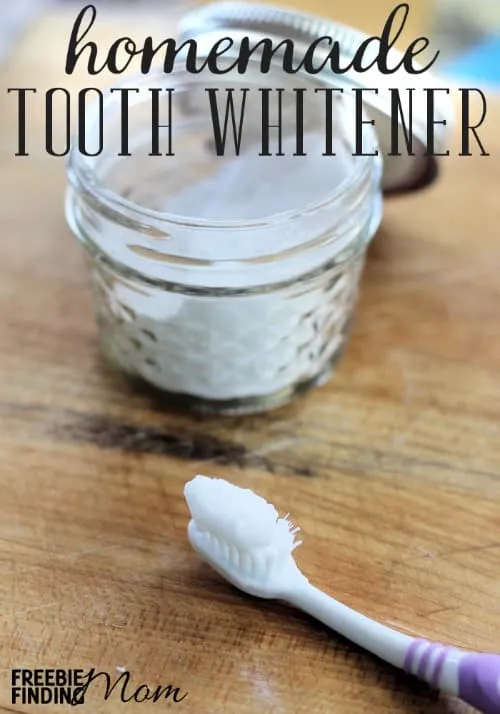
To create a simple baking soda teeth whitening paste, mix one teaspoon of baking soda with a small amount of water, enough to form a paste. Apply the paste to your toothbrush and brush your teeth gently for about two minutes. Rinse thoroughly with water after brushing. For enhanced benefits, you can add a few drops of hydrogen peroxide to the paste, but be cautious and use this method sparingly to avoid potential sensitivity. It’s important to note that excessive use of baking soda can erode enamel over time, so use this method no more than twice a week. Always consult with a dentist if you have any concerns.
Secret 2: Activated Charcoal for a Brighter Smile

Activated charcoal is another popular ingredient in homemade teeth whitening recipes, known for its ability to absorb stains and impurities. Derived from various sources such as coconut shells and wood, activated charcoal is processed to increase its porosity, making it highly absorbent. This absorbent quality allows it to bind to stain molecules, effectively lifting them from the surface of your teeth. The use of activated charcoal can result in a noticeable difference in the brightness of your smile.
The Science Behind Activated Charcoal
Activated charcoal works through adsorption, a process where the charcoal’s surface attracts and traps stain-causing molecules. Unlike absorption, where a substance is taken up into the interior of another, adsorption involves the adhesion of molecules onto a surface. The porous nature of activated charcoal provides a large surface area for this process, allowing it to effectively capture stains from coffee, tea, wine, and other foods. As you brush, the charcoal gently scrubs away these adsorbed particles, revealing a brighter smile. It is crucial to select food-grade activated charcoal to ensure safety.
Using Activated Charcoal Safely
When using activated charcoal, it’s important to exercise caution. Wet your toothbrush and dip it into the activated charcoal powder, or use a pre-made charcoal toothpaste. Brush your teeth gently for about two minutes, focusing on all surfaces. Rinse your mouth thoroughly with water, and be prepared for the black residue. Activated charcoal can be messy, so make sure to protect your clothing and sink. Although generally considered safe, some individuals may experience temporary sensitivity. Use activated charcoal a few times per week for optimal results, and as with any whitening method, consult with your dentist for personalized guidance.
Secret 3: The Magic of Coconut Oil Pulling

Coconut oil pulling is an ancient Ayurvedic practice that involves swishing coconut oil in your mouth for a specific period. While not a direct whitening agent, coconut oil can contribute to a brighter smile by reducing plaque and bacteria. The oil helps to lift away impurities and bacteria, which can contribute to staining and discoloration. Coconut oil pulling also helps to improve overall oral health by reducing inflammation and promoting healthy gums, contributing to a fresher and cleaner mouth.
How Oil Pulling Works
During oil pulling, the oil acts like a solvent, attracting and removing bacteria, toxins, and other debris from your mouth. The oil’s lipid-soluble properties help to dissolve plaque and remove bacteria that can cause staining and tooth decay. As you swish the oil, it reaches all areas of your mouth, including between your teeth and along your gum line. This helps to reduce the build-up of harmful substances that can contribute to a dull or discolored smile. The process also stimulates the production of saliva, which further helps to cleanse and purify your mouth.
Oil Pulling Technique for Whitening
To practice oil pulling, take one to two tablespoons of coconut oil and swish it in your mouth for 15 to 20 minutes. Make sure the oil reaches all areas of your mouth, and avoid swallowing any of it, as it contains the toxins and bacteria you are trying to remove. After swishing, spit the oil into a trash can to avoid clogging your drain. Rinse your mouth thoroughly with warm water and brush your teeth as usual. For best results, oil pull daily, ideally first thing in the morning before eating or drinking anything. Consistent use can lead to a noticeable improvement in both oral health and the brightness of your teeth.
Secret 4: The Whitening Properties of Hydrogen Peroxide

Hydrogen peroxide is a well-known bleaching agent used in professional teeth whitening treatments. It works by oxidizing the stain molecules on your teeth, breaking them down and making them less visible. When used in diluted form, hydrogen peroxide can be a safe and effective ingredient in homemade teeth whitening recipes. However, it’s essential to use it with caution and follow proper instructions to avoid any potential damage to your teeth or gums.
Using Hydrogen Peroxide Effectively
To use hydrogen peroxide for teeth whitening, you can mix a small amount (about 3%) with baking soda to create a paste. Brush your teeth gently with this paste for about a minute, being careful not to rub too vigorously. Rinse your mouth thoroughly with water afterward. Another method involves using hydrogen peroxide as a mouthwash. Mix equal parts of 3% hydrogen peroxide with water, and swish the mixture in your mouth for about a minute before rinsing. Avoid swallowing any of the solution. As with any method, it is crucial not to overuse hydrogen peroxide and to consult your dentist before incorporating it into your routine.
Safety Precautions with Hydrogen Peroxide
When using hydrogen peroxide, several safety precautions should be observed. Never use hydrogen peroxide with a concentration higher than 3% without the guidance of a dental professional. Avoid swallowing the solution, as it can cause stomach upset. If you experience any sensitivity or irritation, discontinue use immediately and consult your dentist. Hydrogen peroxide can be abrasive, so it should not be used daily; limit its use to once or twice a week. Always store hydrogen peroxide in a cool, dark place, away from children. It is important to be patient and follow the instructions carefully to avoid damaging your enamel and gums.
Secret 5: Strawberry and Lemon for Natural Whitening

Strawberries and lemons, with their natural acidity, offer a natural approach to teeth whitening. These fruits contain malic acid, a natural enzyme that can help remove surface stains. While the method is popular due to its natural appeal, it’s crucial to understand its limitations and potential risks to ensure you maintain your oral health. Both strawberries and lemons can be integrated into your oral hygiene routine.
The Role of Malic Acid in Whitening
Malic acid, present in strawberries, acts as a natural astringent that helps remove surface stains. The acid helps to break down the compounds causing discoloration, leading to a brighter appearance. Unlike harsher chemicals, malic acid is a relatively gentle ingredient. It is also found in apples and other fruits. However, due to the acidic nature, it is essential to follow the recipes cautiously and not to overdo the application to avoid damaging the enamel.
Using Strawberry and Lemon Safely
To use strawberries for teeth whitening, mash one or two ripe strawberries into a pulp. Mix the mashed strawberries with a small amount of baking soda to create a paste. Apply the paste to your teeth and leave it for a few minutes before brushing gently. For lemons, you can mix lemon juice with baking soda to form a paste. Be sure to limit your application, as lemon juice is highly acidic. It’s crucial to rinse your mouth thoroughly with water after using either method to remove any acid residue. It’s recommended to use these methods only once a week to prevent potential enamel erosion. Always consult your dentist if you have concerns about the safety of these ingredients for your teeth.
Maintaining Your White Smile

Maintaining a white smile requires a consistent oral hygiene routine, including regular brushing, flossing, and dental check-ups. After using homemade teeth whitening recipes, it is crucial to take proper care of your teeth. Brush your teeth twice a day for two minutes each time, using fluoride toothpaste. Floss daily to remove plaque and food particles from between your teeth. Limit your consumption of stain-causing foods and drinks like coffee, tea, and red wine. Avoid smoking, as tobacco use is a major cause of tooth discoloration. Schedule regular dental cleanings and check-ups to remove surface stains and identify any potential oral health problems. By following these tips, you can maximize the effectiveness of homemade teeth whitening recipes and enjoy a bright, healthy smile for years to come.