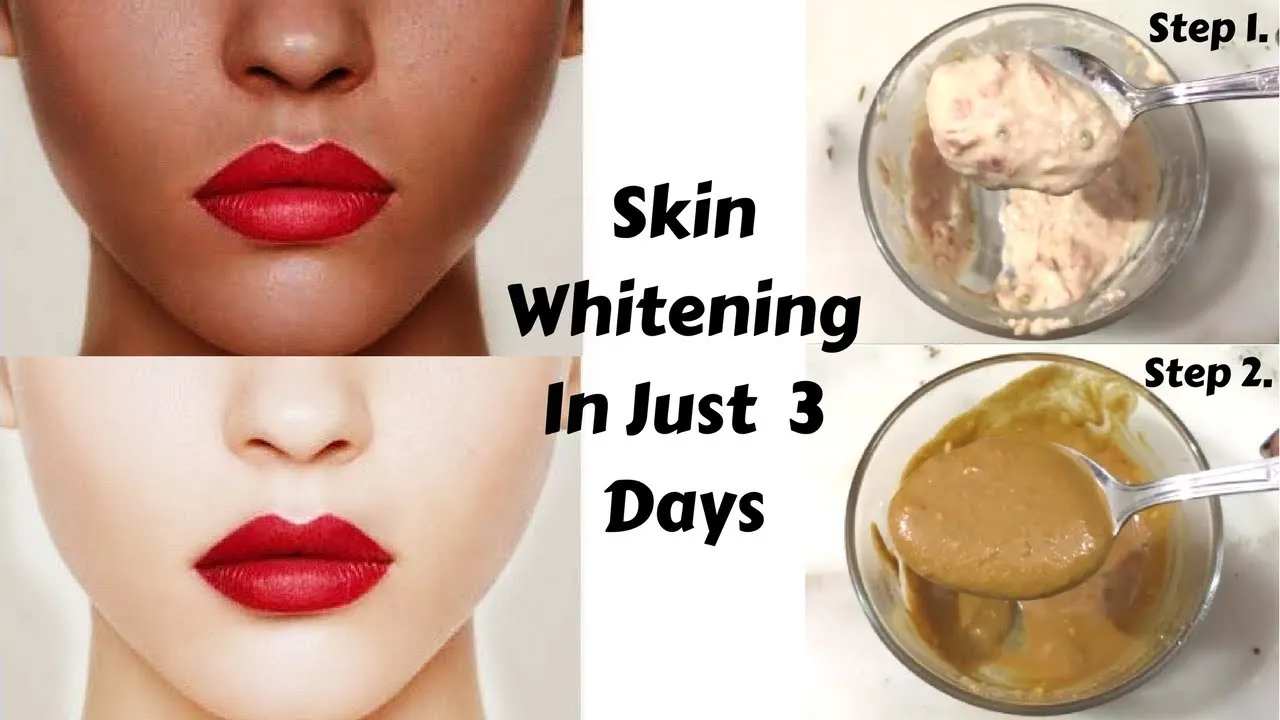
Understanding Face Whitening
Face whitening involves lightening the skin tone or reducing the appearance of dark spots and uneven pigmentation. It’s a popular skincare goal for many, driven by various factors like sun damage, acne scars, or simply a desire for a more radiant complexion. It’s important to approach face whitening with a focus on natural and safe methods, avoiding harsh chemicals that can harm the skin. Homemade masks offer a gentle and effective way to achieve a brighter, more even skin tone, using readily available ingredients. This approach allows for customization based on individual skin types and concerns, making it a versatile and accessible skincare solution. Understanding the underlying causes of uneven skin tone is the first step toward effective face whitening.
What Causes Uneven Skin Tone
Uneven skin tone can result from a variety of factors, affecting the skin’s overall appearance and radiance. Recognizing these causes is crucial for selecting the right homemade masks and skincare practices. Common culprits include sun damage, acne scars, and hyperpigmentation, each contributing to dark spots, discoloration, and a lack of uniformity in skin tone. Addressing these underlying issues is key to developing a face whitening routine that is tailored to individual needs. Identifying the root causes also helps in choosing ingredients and methods that are both effective and safe for your skin. Furthermore, understanding these causes can prevent future skin problems and maintain a healthy, glowing complexion.
Sun Damage

Prolonged exposure to the sun’s ultraviolet (UV) rays is a primary cause of uneven skin tone. UV radiation stimulates melanin production, leading to tanning and, in some cases, the development of sunspots, freckles, and other forms of hyperpigmentation. Without adequate sun protection, the skin’s natural defense mechanisms can become overwhelmed, resulting in accelerated aging and a mottled appearance. Regular use of sunscreen with a high SPF is critical to preventing sun damage and maintaining an even skin tone. In addition, wearing protective clothing and avoiding peak sun hours can help reduce the risk of sun-induced skin problems. Choosing the right ingredients in your homemade mask can helps to repair any damage and helps to protect your skin.
Acne Scars
Acne scars, which range from shallow marks to deeper indentations, often contribute to an uneven skin surface and discoloration. When acne blemishes heal, they can leave behind post-inflammatory hyperpigmentation (PIH), causing dark spots to persist long after the acne has cleared. These marks can make the skin appear patchy and dull, diminishing its overall radiance. Proper acne treatment and early intervention are essential to minimize the likelihood of scar formation. Using face whitening masks, particularly those with anti-inflammatory and skin-repairing ingredients, can help fade acne scars over time. This approach combined with a gentle skincare routine can lead to a smoother, more uniform complexion.
Hyperpigmentation
Hyperpigmentation refers to the darkening of the skin, often resulting in patches or spots that are darker than the surrounding skin tone. It can be caused by various factors, including sun exposure, hormonal changes, and inflammation. Melanin, the pigment responsible for skin color, is produced in excess in these areas, leading to uneven coloration. Treating hyperpigmentation involves targeting the overproduction of melanin and promoting skin cell turnover. Homemade masks can provide effective ingredients like lemon and turmeric, which can lighten dark spots. Protecting the skin from the sun and incorporating a consistent skincare routine are also important to manage and reduce hyperpigmentation.
Benefits of Homemade Masks for Face Whitening

Homemade masks for face whitening offer a multitude of benefits over commercial products, making them a preferred choice for many skincare enthusiasts. They offer a natural, cost-effective, and customizable approach to achieve a brighter and more even skin tone. By using simple ingredients found in your kitchen, you can create masks tailored to your skin’s unique needs. This ensures that you are using products that are free from harsh chemicals, allowing for a gentle and effective whitening experience. Homemade masks offer a holistic approach to skincare, allowing you to address various skin concerns while improving your skin’s overall health. The benefits extend beyond just whitening, promoting overall skin health and glow.
Natural and Safe Ingredients
One of the primary advantages of homemade masks is their reliance on natural and safe ingredients. These masks eliminate the risk of exposing your skin to harsh chemicals, artificial fragrances, and preservatives commonly found in commercial products. Ingredients like lemon, honey, turmeric, and yogurt are rich in vitamins, antioxidants, and natural skin-lightening properties. These ingredients are often gentler on the skin and less likely to cause irritation or allergic reactions. Choosing natural ingredients supports a more sustainable and eco-friendly approach to skincare. Furthermore, knowing exactly what goes into your mask ensures that you have full control over the products you apply to your skin, minimizing potential harm and maximizing benefits. Choosing these natural ingredients also helps to rejuvenate and nourish your skin.
Cost-Effective
Homemade masks are significantly more cost-effective compared to expensive skincare products. The ingredients needed are often readily available in your pantry or at a local grocery store, making it an affordable alternative for skincare. This cost-effectiveness allows you to experiment with different mask recipes and adjust them to your specific skin concerns without breaking the bank. You can create multiple masks for the price of one commercial product, which is a significant advantage. This accessibility encourages consistency in your skincare routine, which is essential for achieving desired results. Saving money on skincare allows you to invest in other aspects of your health and well-being.
Customizable for Your Skin Type

Homemade masks offer the flexibility to customize ingredients according to your specific skin type and concerns. If you have oily skin, you can incorporate ingredients like lemon or yogurt to control oil production. For dry skin, honey and avocado provide moisturizing benefits. This level of customization ensures that the mask effectively targets your specific needs. This personalization prevents any unwanted side effects associated with generic products, enhancing its efficacy and safety. Customization also makes skincare more enjoyable, allowing you to tailor your routine to your preferences and create a personalized spa experience. The ability to adapt recipes based on seasonal changes and your skin’s evolving needs ensures that you always get the best results.
Top Homemade Masks for Face Whitening
Several homemade masks have gained popularity for their effective face whitening properties. These masks often combine ingredients known for their ability to lighten dark spots, reduce hyperpigmentation, and promote an overall brighter complexion. These recipes have been praised for their ease of preparation and the noticeable results they provide over time. Always remember to do a patch test and to apply them regularly for the best results.
Lemon and Honey Mask
Lemon is a natural bleaching agent containing citric acid, which helps to lighten dark spots and even out skin tone. Honey, a natural humectant, moisturizes and soothes the skin. When combined, these ingredients provide both whitening and hydrating benefits. This mask is especially effective for reducing blemishes and promoting a radiant complexion. Lemon’s acidity can sometimes cause sensitivity, so it’s important to dilute it and do a patch test before full application. This mask can be very effective for both oily and dry skin.
How to Make the Lemon and Honey Mask

To make the Lemon and Honey Mask, mix one tablespoon of fresh lemon juice with one tablespoon of honey. Apply the mixture evenly to a clean face, avoiding the eye area. Leave it on for 15-20 minutes, then rinse thoroughly with lukewarm water. For best results, use this mask once or twice a week. This simple recipe combines the potent whitening effects of lemon with the moisturizing and healing properties of honey, making it a perfect addition to your skincare routine. This mask is best applied on clean skin to allow for better absorption of the ingredients.
Turmeric and Yogurt Mask
Turmeric is celebrated for its anti-inflammatory and antioxidant properties, which help to reduce inflammation and protect against free radical damage. It also has skin-brightening effects, which are ideal for face whitening. Yogurt contains lactic acid, which gently exfoliates the skin, removing dead cells and revealing a brighter complexion. The combination of turmeric and yogurt offers a powerful blend of skin-healing and whitening benefits. This mask can help to reduce the appearance of dark spots and improve skin texture.
How to Make the Turmeric and Yogurt Mask
To prepare this mask, mix one teaspoon of turmeric powder with two tablespoons of plain yogurt. Apply a thin layer of the mixture to your face and let it sit for 15-20 minutes. Rinse thoroughly with lukewarm water and pat dry. Use this mask one or twice a week. Turmeric can stain the skin, so be careful when applying the mask, and ensure that you rinse your face properly. This mask’s consistency also makes it easier to apply, allowing for even coverage across the face. This mask is also known for its soothing properties, providing relief for irritated or inflamed skin.
Papaya and Honey Mask

Papaya contains enzymes like papain, known for their exfoliating and skin-lightening properties. It helps to remove dead skin cells, revealing a brighter complexion underneath. Honey adds moisturizing and soothing benefits, promoting overall skin health. This mask is a gentle yet effective option for face whitening, suitable for most skin types. It helps to fade dark spots and improve skin tone. The natural enzymes in papaya promote cell turnover, leading to smoother skin. Also, papaya helps to reduce fine lines and wrinkles.
How to Make the Papaya and Honey Mask
To create this mask, mash a small piece of ripe papaya and mix it with one tablespoon of honey. Apply the mixture evenly to your face and let it sit for about 15 minutes before rinsing with water. Use this mask once or twice a week. The ripe papaya texture makes it easy to apply and provides a pleasant experience. You can also add a little bit of lemon juice for additional benefits. This mask offers a delicious and gentle way to enhance your skin’s radiance.
Oatmeal and Milk Mask
Oatmeal is a gentle exfoliator that helps remove dead skin cells. It also contains anti-inflammatory properties to soothe irritated skin. Milk contains lactic acid, which gently exfoliates the skin, improving its texture and brightness. This mask is suitable for sensitive skin and provides both exfoliating and soothing benefits. It can help even out skin tone and reduce redness. Also, oatmeal is rich in antioxidants which help protect against damage caused by environmental factors. The milk can also help to hydrate and soften the skin.
How to Make the Oatmeal and Milk Mask

To create this mask, combine two tablespoons of finely ground oatmeal with enough milk to form a paste. Apply the paste to your face and leave it on for 15-20 minutes before rinsing with lukewarm water. Use this mask once or twice a week for best results. You can also add honey for extra moisturizing and anti-bacterial benefits. The gentle exfoliating action makes it ideal for frequent use. This mask helps to soothe and rejuvenate the skin, leaving it feeling soft and smooth. Also, you can tailor the texture of the mask by adjusting the milk to your desired consistency.
Potato and Lemon Mask
Potato contains natural bleaching agents, which can help lighten dark spots and even out skin tone. Lemon adds to the skin-lightening properties, helping to brighten the complexion. This mask is especially effective for reducing blemishes and promoting a radiant complexion. Lemon’s acidity can sometimes cause sensitivity, so it’s important to dilute it and do a patch test before full application. This mask helps to rejuvenate your skin, leaving it looking brighter and more refreshed.
How to Make the Potato and Lemon Mask
Grate a raw potato and squeeze out the juice. Mix one tablespoon of potato juice with one teaspoon of lemon juice. Apply the mixture to your face and let it sit for 15-20 minutes. Rinse thoroughly with lukewarm water. Use this mask once or twice a week. Potato and lemon both are easily available, making the mask a very budget friendly choice. Also, the potato can help reduce any puffiness or swelling, which adds to its appeal. Be careful of the amount of lemon juice, too much may irritate your skin.
Tips for Effective Face Whitening with Masks
Maximizing the effectiveness of your homemade face whitening masks involves adopting consistent practices and incorporating other skincare habits. Regular application, careful sun protection, and maintaining overall skin health are all integral to achieving noticeable and lasting results. Combining these strategies not only improves the immediate outcome of your masks, but also promotes long-term skin health, preventing future issues and maintaining a radiant complexion. Following these tips will boost your chances of achieving a brighter, more even skin tone, and help you maintain healthy, glowing skin.
Consistency is Key
Regular application of your chosen homemade masks is essential for seeing noticeable results. Consistency ensures that your skin receives a steady stream of beneficial ingredients, which is important for lightening dark spots and achieving a more uniform skin tone. It is important to establish a routine, such as applying the mask once or twice a week, to maintain and accelerate your progress. Avoid skipping applications, and make your mask routine a non-negotiable part of your weekly skincare regimen. Incorporating mask use into your lifestyle enhances its effectiveness. Maintaining a consistent skincare regimen offers the best results, and with patience, your skin will show a noticeable improvement in brightness and evenness.
Patch Test Before Application
Before applying any new homemade mask to your entire face, it is always a good idea to perform a patch test. Apply a small amount of the mask to a small area of your skin, such as your inner arm, and wait for 24 hours. If any redness, itching, or irritation occurs, it is a clear signal that the ingredients are not suitable for your skin. If there are no adverse reactions, you can safely proceed with using the mask on your face. This simple step prevents potential allergic reactions or irritations and ensures the safety and effectiveness of your skincare routine. Patch testing is especially crucial when using ingredients like lemon, which can cause sensitivity. Protecting your skin comes first, so you should incorporate this into your skincare practices.
Protect Your Skin from the Sun
Protecting your skin from the sun is crucial for face whitening and maintaining an even skin tone. Sun exposure can cause new dark spots and worsen existing ones, counteracting the benefits of your homemade masks. Always apply a broad-spectrum sunscreen with an SPF of 30 or higher every morning, and reapply throughout the day, especially when spending time outdoors. Wearing protective clothing, such as hats and long sleeves, can also reduce sun exposure. Avoiding the sun during peak hours (typically between 10 a.m. and 4 p.m.) further minimizes the risk of sun damage. Using sunscreen daily, even on cloudy days, is one of the most impactful ways to protect your skin and maintain a brighter, more even complexion. See the image below for extra protection.
Additional Skincare Practices
Complementing your homemade mask routine with other skincare practices can enhance its effectiveness and promote overall skin health. Gentle exfoliation, proper hydration, and a healthy diet all contribute to a radiant complexion and support the benefits of your face whitening masks. A comprehensive approach ensures that your skin receives the care it needs to be healthy and glowing. These practices work in tandem to maximize results and maintain long-term skin wellness.
Exfoliation
Regular exfoliation helps remove dead skin cells, which can create a dull complexion and prevent skincare products from fully penetrating the skin. Gentle exfoliation, done once or twice a week, helps to reveal a brighter and smoother complexion. You can use gentle scrubs, or chemical exfoliants. Exfoliation allows your homemade masks to work more effectively by allowing the ingredients to penetrate deeper into the skin. It also stimulates cell turnover, which can help reduce the appearance of dark spots and improve overall skin texture. It helps to keep your skin smooth and luminous. Always be gentle to avoid over-exfoliating, which can lead to irritation.
Hydration
Proper hydration is essential for maintaining healthy, glowing skin. Drinking enough water helps keep your skin plump and hydrated, reducing the appearance of fine lines and wrinkles. Using a hydrating moisturizer daily helps to lock in moisture and prevent dryness. Dry skin can appear dull and accentuate the appearance of dark spots, so maintaining proper hydration is crucial for achieving a brighter complexion. Hydrated skin absorbs skincare ingredients better. It is also more resilient to environmental stressors. It also boosts overall skin health. Hydration is a must for maintaining a radiant and youthful appearance.
Healthy Diet
A healthy diet rich in fruits, vegetables, and antioxidants can significantly improve skin health. Nutrients from a balanced diet provide the building blocks for healthy skin cells and protect against free radical damage. Incorporate foods rich in vitamin C, which aids in collagen production and skin brightening. Vitamin E, also protects skin cells. The healthy fats also promote skin hydration. A nutritious diet nourishes your skin from within, supporting its natural glow and promoting overall well-being. Consume a variety of colorful fruits and vegetables, as they contain many essential vitamins and minerals. Your skin will glow from the inside out when you eat healthily.
Conclusion
Homemade masks offer a natural, cost-effective, and customizable approach to face whitening, utilizing readily available ingredients to lighten skin and reduce dark spots. By understanding the causes of uneven skin tone and incorporating effective mask recipes such as those using lemon and honey, turmeric and yogurt, papaya and honey, oatmeal and milk, and potato and lemon, individuals can safely and effectively achieve a brighter complexion. Combining these mask routines with consistent application, patch tests, sun protection, and other skincare practices such as exfoliation, hydration, and a healthy diet will help maximize results. Face whitening requires patience and dedication, but with the right approach, it is possible to achieve a radiant, even skin tone using simple, homemade remedies, resulting in a healthier and more confident you.