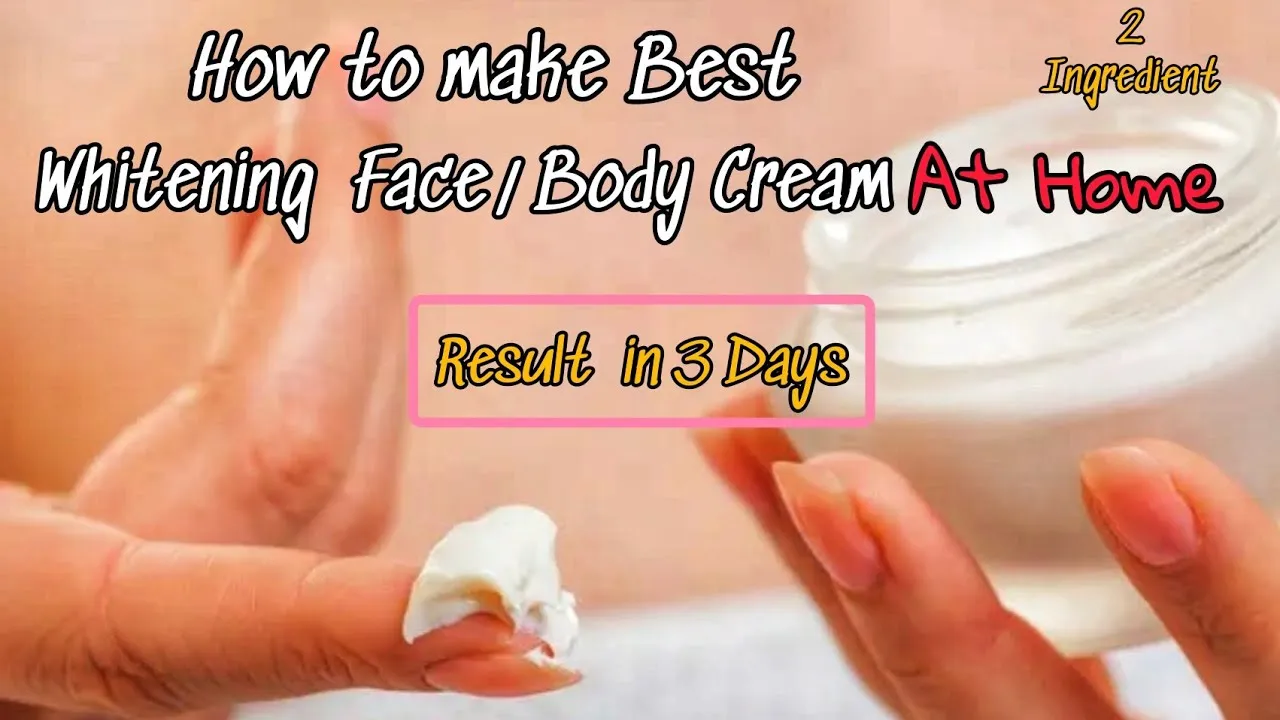
Understanding Face Whitening Creams
The pursuit of radiant and even-toned skin has led many to explore various skincare solutions, and face whitening creams have become a popular choice. These creams aim to lighten the skin, reduce the appearance of dark spots, and promote a brighter complexion. But, what exactly are they, and how do they work? Face whitening creams, at their core, are designed to inhibit melanin production or to exfoliate the skin to remove pigmented cells. Melanin is the pigment responsible for skin color, and its overproduction can lead to uneven skin tone and hyperpigmentation. Understanding the science behind these creams can help you make informed decisions about your skincare routine.
The Science Behind Skin Whitening
The effectiveness of face whitening creams hinges on their ability to target melanin production. Melanin is produced by melanocytes, cells found in the skin. Several factors, including sun exposure, genetics, and hormonal changes, can influence melanin production. Whitening creams work through different mechanisms, such as inhibiting tyrosinase, an enzyme crucial for melanin synthesis, or by promoting the shedding of pigmented skin cells. Ingredients like vitamin C, kojic acid, and arbutin are commonly used for their ability to inhibit tyrosinase. Other ingredients, such as alpha-hydroxy acids (AHAs), act as exfoliants, helping to remove the top layer of the skin and reveal a brighter complexion underneath. The science behind these formulations is constantly evolving, with new ingredients and technologies emerging to offer effective and safe skin whitening solutions.
How Homemade Creams Work

Homemade face whitening creams offer a natural and often cost-effective alternative to commercial products. These creams typically rely on ingredients known for their skin-lightening and brightening properties. The key to their effectiveness lies in the synergy of these ingredients and the consistency of their application. Homemade creams work by combining ingredients that address different aspects of skin whitening. For example, some ingredients may inhibit melanin production, while others offer gentle exfoliation or hydration. The process often involves blending these ingredients into a cream or paste, which is then applied to the skin. While the concentrations of active ingredients may be lower than in some commercial products, the natural approach can be gentler on the skin and reduce the risk of irritation. The key is to research the ingredients carefully and test a small area of skin before applying the cream to your entire face.
Top 5 Ingredients for Homemade Face Whitening Cream
When crafting your own face whitening cream, selecting the right ingredients is crucial. These ingredients should not only have skin-lightening properties but also be safe and gentle on the skin. Here are five top ingredients that are frequently used in homemade face whitening creams, each with its own unique benefits for achieving a brighter and more even complexion.
Lemon Juice for Skin Brightening
Lemon juice is a powerhouse ingredient in homemade face whitening creams. Its high citric acid content acts as a natural bleaching agent, helping to lighten dark spots and even out skin tone. Lemon juice also contains vitamin C, an antioxidant that brightens the skin and protects against damage from free radicals. The acidic nature of lemon juice also aids in exfoliation, removing dead skin cells and revealing a fresher, brighter complexion underneath. Its availability and affordability make it a popular choice for those seeking a natural skin-brightening solution.
Benefits of Using Lemon Juice

Using lemon juice in your face whitening cream offers several benefits. Besides its ability to lighten dark spots and brighten skin, lemon juice can also help to control oil production and reduce acne due to its astringent properties. The vitamin C content provides antioxidant protection, helping to prevent premature aging and protect the skin from environmental damage. Regular use can lead to a more radiant and youthful appearance. The benefits of using lemon juice extend beyond skin lightening, as it can also improve skin texture and reduce the appearance of scars. This makes lemon juice a versatile ingredient in homemade skincare routines.
How to Use Lemon Juice Safely
While lemon juice offers several benefits, it’s essential to use it safely. The high acidity can cause irritation, redness, and increased sun sensitivity if not used correctly. Always dilute lemon juice with water or other soothing ingredients, like honey or aloe vera, before applying it to your skin. Perform a patch test on a small area of your skin before applying the cream to your entire face to check for any adverse reactions. Avoid using lemon juice on broken or irritated skin. Furthermore, it’s crucial to wear sunscreen when using lemon juice, as it can increase your skin’s sensitivity to the sun. Limiting sun exposure is also very important for achieving the best results.
Turmeric for Skin Lightening
Turmeric, a spice widely used in Indian cuisine, is also a powerful ingredient in skincare. Its active compound, curcumin, has potent anti-inflammatory and antioxidant properties. It can help reduce inflammation, brighten skin, and even out skin tone. Turmeric has been used for centuries in traditional medicine for its skin-lightening abilities. It can help fade dark spots, reduce hyperpigmentation, and give the skin a healthy glow. The natural properties of turmeric make it a safe and effective ingredient for those seeking a natural skin-brightening solution.
Benefits of Using Turmeric

Turmeric offers numerous benefits for skin health. The anti-inflammatory properties of curcumin can help calm irritated skin and reduce redness. The antioxidant properties protect the skin from free radical damage, preventing premature aging. Turmeric can also help to improve skin elasticity and give it a healthy glow. Regular use of turmeric can lead to a more even skin tone and reduce the appearance of blemishes and scars. The benefits of turmeric extend beyond skin lightening, making it a well-rounded ingredient for overall skin health.
How to Use Turmeric for Face Whitening
To use turmeric in your face whitening cream, mix it with other ingredients like yogurt, honey, or aloe vera. Use a small amount of turmeric, as it can stain the skin if used in excess. Apply the cream to your face and leave it on for 15-20 minutes before rinsing it off. You can use turmeric face masks once or twice a week. Start with a small amount of turmeric to check for any allergic reactions and gradually increase the amount. This gentle approach will help you incorporate this powerful ingredient into your skincare routine safely and effectively.
Honey for Skin Hydration and Brightening
Honey is a natural humectant, meaning it attracts and retains moisture, making it an excellent ingredient for hydrating the skin. It also has antibacterial and anti-inflammatory properties, which can help soothe irritated skin and reduce blemishes. Honey contains antioxidants that protect the skin from damage. It is a gentle ingredient that helps brighten the skin and gives it a healthy glow. Its versatility makes it a favorite in homemade face whitening creams.
Benefits of Using Honey

Using honey in your face whitening cream provides multiple benefits. Honey’s hydrating properties help to keep the skin moisturized, preventing dryness and flakiness. Its antibacterial properties can help fight acne-causing bacteria, promoting clearer skin. The antioxidants in honey can help to protect against premature aging and environmental damage. Regular use of honey can lead to a softer, smoother, and more radiant complexion. The benefits of honey extend beyond hydration and brightening, making it a valuable ingredient for overall skin health.
How to Use Honey in Your Cream
To incorporate honey into your face whitening cream, add a small amount to your other ingredients. Honey can be used directly on the skin or mixed with other ingredients. It is a versatile ingredient that can be combined with lemon juice, turmeric, aloe vera, or yogurt. When using honey, select raw, unfiltered honey for the best results. Raw honey contains more nutrients and enzymes than processed honey. Apply the cream to your face and leave it on for 15-20 minutes before rinsing. This approach will help you to harness honey’s unique benefits for a glowing, hydrated complexion.
Aloe Vera for Soothing and Whitening
Aloe vera is renowned for its soothing and healing properties. It is rich in vitamins, minerals, and antioxidants, making it an excellent ingredient for skincare. It helps to hydrate the skin and can reduce inflammation and irritation. Aloe vera also contains compounds that help to lighten dark spots and even out skin tone. Its gentle nature makes it suitable for all skin types, including sensitive skin. Aloe vera is a versatile and beneficial ingredient for any homemade face whitening cream.
Benefits of Aloe Vera

Using aloe vera in your face whitening cream provides several benefits. Its soothing properties can help to calm irritated skin and reduce redness. Aloe vera hydrates the skin, keeping it soft and supple. It can also help to lighten dark spots and reduce the appearance of hyperpigmentation. The antioxidants in aloe vera can protect the skin from free radical damage, which slows down the aging process. Aloe vera’s versatile nature makes it ideal for all skin types, providing hydration and brightening.
How to Incorporate Aloe Vera
To incorporate aloe vera into your face whitening cream, use fresh aloe vera gel extracted from the plant or a high-quality aloe vera gel product. Mix it with other ingredients such as lemon juice, turmeric, or honey. Apply the cream to your face and leave it on for 15-20 minutes before rinsing. Regular use of aloe vera-infused creams can lead to a more hydrated, soothed, and brighter complexion. The easy availability and versatility of aloe vera make it a must-have ingredient for any DIY skincare enthusiast.
Yogurt for Gentle Exfoliation and Whitening
Yogurt is a natural source of lactic acid, an alpha-hydroxy acid (AHA) that gently exfoliates the skin. This process helps to remove dead skin cells, revealing a brighter and more even complexion. Yogurt also contains probiotics that promote skin health. The exfoliating action of yogurt helps to reduce the appearance of dark spots and uneven skin tone, making it an excellent ingredient for face whitening. Its gentle nature makes it suitable for sensitive skin, providing a safe and effective way to brighten the skin.
Benefits of Using Yogurt

Using yogurt in your face whitening cream provides several benefits. The lactic acid in yogurt gently exfoliates the skin, removing dead skin cells and promoting cell turnover. This can help to reduce the appearance of dark spots, acne scars, and uneven skin tone. Yogurt also contains probiotics that can help to balance the skin’s microbiome, promoting healthy skin. The moisturizing properties of yogurt keep the skin hydrated and soft. Yogurt’s versatility and gentle nature make it a valuable ingredient for promoting healthy, glowing skin. Regular use of yogurt-infused creams can lead to a brighter, more radiant complexion.
How to Use Yogurt in Your Cream
To use yogurt in your face whitening cream, select plain, unsweetened yogurt. Mix it with other ingredients like lemon juice, turmeric, or honey. Apply the cream to your face and leave it on for 15-20 minutes before rinsing. The lactic acid in yogurt provides gentle exfoliation, helping to remove dead skin cells and brighten the skin. You can use yogurt face masks once or twice a week. This approach will help you to harness yogurt’s unique benefits for a brighter, more radiant complexion.
Creating Your Homemade Face Whitening Cream
Creating your homemade face whitening cream allows you to control the ingredients and tailor the formulation to your skin’s specific needs. By using natural ingredients, you can avoid harsh chemicals and potentially irritating additives. Here’s a basic recipe and some essential tips to get you started on your journey toward a brighter complexion.
Simple Recipe for Beginners

A simple face whitening cream recipe for beginners includes: 1 tablespoon of plain yogurt, 1 teaspoon of lemon juice, 1/2 teaspoon of turmeric powder, and 1 teaspoon of honey. Mix all the ingredients in a small bowl until you get a smooth paste. Apply the cream evenly to your face, avoiding the eye area. Let it sit for 15-20 minutes. Rinse your face with lukewarm water and pat dry. For best results, use this cream once or twice a week. Remember to perform a patch test before applying the cream to your entire face.
Tips for Best Results
To achieve the best results with your homemade face whitening cream, follow these tips. Use fresh ingredients whenever possible. Perform a patch test before applying any new cream to your face to check for allergies or adverse reactions. Apply the cream consistently, typically once or twice a week. Protect your skin from the sun by wearing sunscreen and limiting sun exposure, as sun exposure can undo the cream’s brightening effects. Be patient; it may take several weeks or months to see noticeable results. Listen to your skin and adjust the frequency and ingredients of your cream as needed. Consistency and sun protection are crucial for effective and safe face whitening.
Precautions and Safety Measures
While homemade face whitening creams can be effective, it’s essential to take precautions to ensure safety. Always perform a patch test on a small area of your skin before applying any new cream to your entire face. Avoid using ingredients if you have any known allergies or sensitivities. Be mindful of the concentrations of active ingredients; higher concentrations don’t always equal better results and can increase the risk of irritation. Protect your skin from sun exposure, as many whitening ingredients can increase sun sensitivity. Discontinue use if you experience any irritation, redness, or itching. Consult with a dermatologist if you have any concerns or underlying skin conditions. Prioritizing safety will help you achieve your skin-brightening goals without compromising your skin health.