Understanding Skin Whitening
Skin whitening, also known as skin lightening or bleaching, is a process that aims to reduce the melanin pigment in the skin, resulting in a lighter skin tone. While this can be a complex topic with various cultural and personal factors, understanding the science behind it is the first step. Many people seek ways to even out skin tone, reduce the appearance of dark spots, or achieve a brighter complexion. Homemade face masks offer a natural and accessible approach to addressing these concerns, often utilizing ingredients readily available in your kitchen. However, it’s crucial to approach this with realistic expectations and an understanding of what these masks can achieve and what they cannot. Consulting with a dermatologist is always a good idea before beginning any new skincare regime.
What Causes Skin Discoloration
Skin discoloration can arise from a multitude of factors, both internal and external. Sun exposure is a major contributor, as UV rays stimulate melanin production, leading to tanning, age spots, and uneven skin tone. Hormonal changes, such as those experienced during pregnancy or due to birth control, can also trigger hyperpigmentation, like melasma. Acne scars and post-inflammatory hyperpigmentation (PIH) are common results of skin inflammation, leaving behind dark marks after breakouts heal. Genetics also play a role, influencing your skin’s natural tone and its susceptibility to discoloration. Furthermore, certain medical conditions and medications can impact skin pigmentation. Understanding the underlying causes is key to selecting the appropriate treatments, including homemade face masks, to address specific concerns effectively.
Factors Affecting Skin Tone

Several factors influence your skin tone, creating the unique complexion you have. Melanin, the pigment produced by melanocytes, is the primary determinant, with higher levels resulting in darker skin. Sun exposure significantly boosts melanin production, causing tanning, and prolonged exposure without protection can lead to uneven pigmentation and sunspots. Genetics are another critical element, dictating your baseline skin tone and your skin’s sensitivity to environmental factors. Skin health also plays a vital role, as conditions like eczema or acne can cause inflammation and alter pigment distribution. Furthermore, age, diet, and overall health can contribute to changes in skin tone. By understanding these factors, you can better tailor your skincare routine, including using homemade face masks, to maintain and improve your skin’s appearance.
Benefits of Using Homemade Face Masks
Homemade face masks offer several advantages for skin whitening and overall skin health. They are typically made with natural ingredients, minimizing exposure to harsh chemicals and additives found in many commercial products. This can be especially beneficial for sensitive skin types. DIY masks allow for customization, enabling you to tailor ingredients to your specific skin concerns and preferences. They are often more affordable than store-bought treatments, using readily available items from your pantry or local market. Additionally, the process of creating and applying a homemade face mask can be a relaxing and enjoyable self-care ritual. When used consistently and in combination with other healthy skincare practices, homemade masks can effectively help brighten skin, reduce dark spots, and promote a more even complexion.
Natural Ingredients for Skin Whitening
Many natural ingredients have properties that can help lighten and brighten the skin. These ingredients often work by inhibiting melanin production, exfoliating dead skin cells, and providing antioxidants that protect against environmental damage. When creating homemade face masks, selecting ingredients known for their skin-whitening benefits is essential. Many ingredients are easily accessible and affordable, making them a great addition to your beauty routine. Remember, it’s important to do a patch test on a small area of skin before applying any new mask to your entire face to check for allergic reactions or irritation.
Lemon Juice

Lemon juice is a popular ingredient in skin-whitening remedies due to its high citric acid content, which acts as a natural bleaching agent. Citric acid helps exfoliate the skin, removing dead cells and promoting cell turnover, which can gradually lighten dark spots and improve skin tone. It also contains antioxidants that protect the skin from free radical damage. However, it’s important to use lemon juice with caution, as it can be irritating to some skin types and increase sun sensitivity. Always dilute lemon juice with water or other soothing ingredients like honey or yogurt, and avoid sun exposure after application.
Honey
Honey is a natural humectant, meaning it helps to hydrate and moisturize the skin. It also has antioxidant and antibacterial properties, promoting overall skin health. While honey itself does not directly whiten the skin, it can contribute to a brighter complexion by hydrating and soothing the skin, reducing redness, and improving skin texture. When combined with other ingredients like lemon or turmeric, honey helps to create a balanced face mask that addresses multiple skin concerns simultaneously. Look for raw, unfiltered honey for the best results, as it retains more of its beneficial compounds.
Turmeric
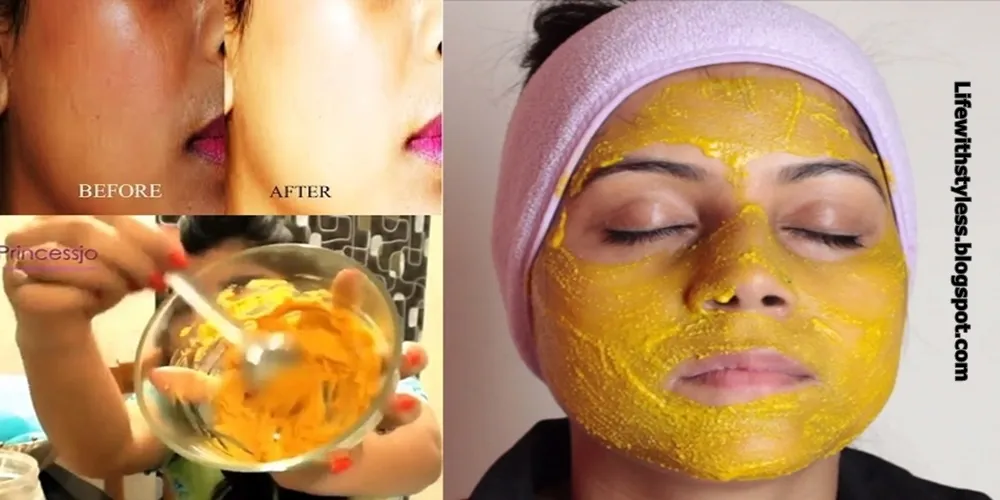
Turmeric is a powerful spice known for its anti-inflammatory and antioxidant properties, attributed to the compound curcumin. It can help reduce hyperpigmentation, even out skin tone, and improve overall skin radiance. Turmeric also has antiseptic qualities, which can help in treating acne and preventing breakouts. When using turmeric in a face mask, it’s important to use a small amount, as it can stain the skin temporarily. Always mix turmeric with other ingredients like yogurt or honey to create a paste that is easy to apply and remove. Regular use of turmeric face masks can contribute to a brighter, healthier complexion over time.
Yogurt

Yogurt contains lactic acid, a natural alpha-hydroxy acid (AHA) that gently exfoliates the skin, removing dead cells and promoting cell turnover. This exfoliation can help lighten dark spots, reduce the appearance of fine lines, and improve skin texture. Yogurt also has soothing properties that can reduce inflammation and redness. Plain, unsweetened yogurt is best for face masks, as it doesn’t contain added sugars or flavors that could irritate the skin. The probiotics in yogurt can also help balance the skin’s microbiome, contributing to overall skin health. Combining yogurt with other ingredients like lemon or honey enhances its benefits.
Aloe Vera
Aloe vera is well-known for its soothing and hydrating properties. It contains vitamins, minerals, and antioxidants that can help calm irritated skin, reduce inflammation, and promote healing. While aloe vera doesn’t directly whiten the skin, its ability to soothe and hydrate the skin can contribute to a brighter and more even complexion. It also helps protect the skin from environmental damage. For face masks, use fresh aloe vera gel extracted directly from the plant or a high-quality aloe vera gel that does not contain any additives or alcohol. Aloe vera is suitable for all skin types and can be used daily.
Homemade Face Mask Recipes
Creating your own face masks allows you to customize the ingredients to suit your skin type and desired results. Here are some simple and effective recipes you can try at home, using the ingredients discussed earlier. It’s essential to perform a patch test before applying any mask to your entire face to ensure you do not have an allergic reaction. Always use fresh, high-quality ingredients for optimal results.
Lemon and Honey Mask

This mask combines the bleaching properties of lemon juice with the moisturizing and antibacterial benefits of honey. Mix 1 teaspoon of fresh lemon juice with 1 tablespoon of honey. Apply the mixture to your face, avoiding the eye area. Leave it on for 10-15 minutes. Rinse thoroughly with lukewarm water. Follow up with a gentle moisturizer. Use this mask once or twice a week. Be careful when using lemon juice. Excessive use or sun exposure after using this mask can make your skin more sensitive.
Turmeric and Yogurt Mask
This mask combines the anti-inflammatory and antioxidant properties of turmeric with the exfoliating benefits of yogurt. Mix 1/2 teaspoon of turmeric powder with 2 tablespoons of plain yogurt. Apply the mask evenly to your face. Leave it on for 15-20 minutes. Rinse thoroughly with lukewarm water. Use this mask once or twice a week. If the turmeric stains your skin, gently cleanse with a gentle cleanser and apply a small amount of olive oil to the area.
Aloe Vera and Lemon Mask
This mask combines the soothing and hydrating properties of aloe vera with the brightening effects of lemon. Mix 1 tablespoon of aloe vera gel with 1/2 teaspoon of fresh lemon juice. Apply the mixture to your face. Leave it on for 10-15 minutes. Rinse with lukewarm water. This mask can be used 2-3 times a week. This mask is a great option for sensitive skin, offering a gentle approach to skin brightening.
Tips for Effective Application

To maximize the benefits of your homemade face masks, follow these application tips. Before applying any mask, cleanse your face thoroughly to remove makeup, dirt, and oil, allowing the mask to penetrate the skin effectively. Apply the mask evenly, avoiding the sensitive eye area, unless the recipe specifies otherwise. Leave the mask on for the recommended time, as exceeding this can lead to irritation or dryness. Rinse thoroughly with lukewarm water, ensuring all traces of the mask are removed. After rinsing, apply a gentle moisturizer to hydrate and protect your skin. Be consistent with your routine and incorporate homemade masks into your regular skincare regimen for noticeable improvements.
How to Apply the Mask
Proper application is crucial for getting the best results from your homemade face masks. Start with a clean face, washing away any makeup or impurities. Use your fingertips or a soft brush to apply the mask evenly across your face, avoiding the eye and lip areas. Avoid applying too much product. A thin, even layer is usually sufficient. Relax and allow the mask to work its magic for the recommended time, typically 10-20 minutes. Rinse the mask thoroughly with lukewarm water and gently pat your skin dry. Afterwards, apply a moisturizer suitable for your skin type.
Frequency of Application
The frequency of applying homemade face masks depends on your skin type, the ingredients in the mask, and your skin’s sensitivity. Start slowly, using masks once or twice a week to see how your skin responds. For masks with potentially irritating ingredients like lemon juice, less frequent use is advisable, especially if you have sensitive skin. If your skin tolerates the mask well, you can gradually increase the frequency. Pay close attention to your skin’s reaction after each application. If you experience any redness, irritation, or dryness, reduce the frequency or choose a different mask with gentler ingredients. Regular use, tailored to your skin’s needs, will help you achieve the best results over time.
Precautions and Safety Measures

While homemade face masks offer a natural approach to skincare, it’s essential to take precautions to ensure safety and avoid potential adverse effects. Always perform a patch test on a small area of skin, such as the inside of your wrist or behind your ear, before applying the mask to your entire face. Wait 24 hours to check for any allergic reactions or irritation. Avoid using ingredients you are allergic to or known to be sensitive to. If you experience any adverse reactions, such as redness, itching, burning, or swelling, discontinue use immediately. Be particularly careful with sun exposure after using masks containing lemon juice, as it can increase skin sensitivity. Store your homemade masks in a cool, dark place, and discard them if they change color or develop an unusual odor. Always consult with a dermatologist if you have any concerns about your skin.
Potential Side Effects
While homemade face masks are generally safe, certain side effects can occur. These can include skin irritation, redness, dryness, or a burning sensation, especially if the mask contains potent ingredients like lemon juice or acids. Allergic reactions are possible, leading to itching, hives, or swelling. Some ingredients can increase sun sensitivity, making your skin more susceptible to sunburn. If you experience any adverse effects, stop using the mask immediately and rinse your face with cool water. If symptoms persist, consult with a dermatologist. It’s important to monitor your skin’s reaction after each application and adjust your routine accordingly.
When to See a Dermatologist
While homemade face masks can be a beneficial part of a skincare routine, there are times when it’s essential to consult a dermatologist. If you experience persistent skin issues, such as severe acne, eczema, rosacea, or unexplained rashes, a dermatologist can provide a proper diagnosis and treatment plan. If your skin doesn’t improve after trying homemade masks, or if you’re concerned about their potential impact, seeking professional advice is advisable. A dermatologist can also help you identify the specific cause of your skin discoloration and recommend effective treatments. Moreover, if you have any doubts or concerns about ingredients or skin reactions, it’s always best to consult a skincare professional for personalized guidance and advice.