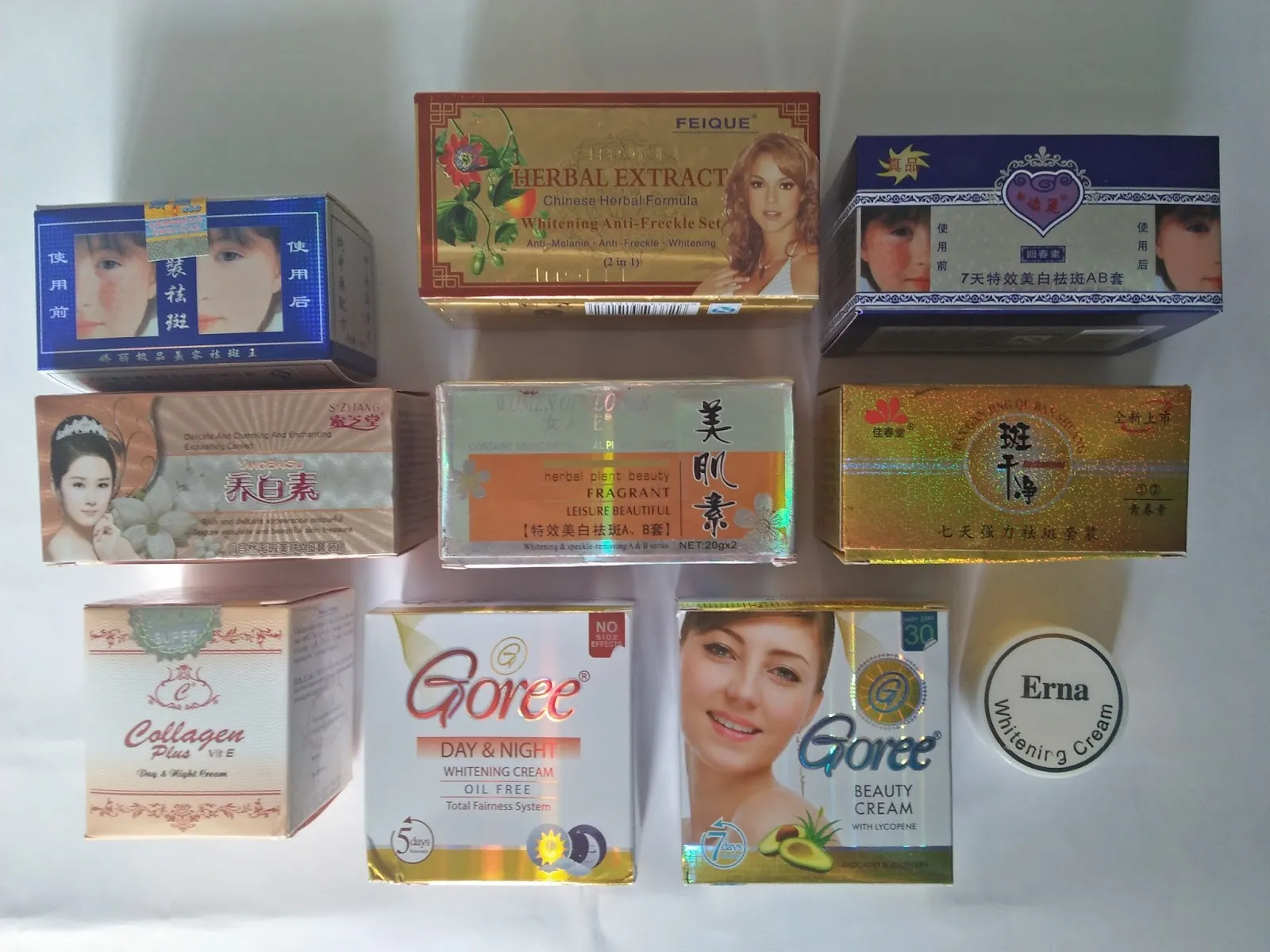
What Are FDA Banned Whitening Products
The Food and Drug Administration (FDA) plays a critical role in protecting consumers from potentially harmful products, including those marketed for skin whitening. Several ingredients commonly found in skin-lightening creams and other products have been banned due to their risks. These bans are enacted to protect the public from dangerous chemicals and misleading product claims. Understanding which products are banned and why is crucial for consumers seeking to lighten their skin safely. This knowledge empowers individuals to make informed choices and avoid products that could cause serious health problems. This information is vital for maintaining skin health and ensuring consumer safety, emphasizing the importance of staying informed about regulated cosmetic products.
Hydroquinone
Hydroquinone is a powerful skin-lightening agent, that was once widely used in over-the-counter and prescription skin whitening products. It works by inhibiting the production of melanin, the pigment responsible for skin color. However, the FDA has placed restrictions on the use of hydroquinone due to safety concerns. While it can be effective in treating hyperpigmentation, its use has been associated with various side effects. Therefore, understanding the regulatory status and potential risks of hydroquinone is crucial before considering any product that contains it. It is important to consult with a dermatologist for appropriate use.
Why Hydroquinone is Banned

The FDA’s restrictions on hydroquinone stem from several health concerns. One major concern is the potential for ochronosis, a disfiguring skin condition that causes a darkening and thickening of the skin. This occurs with long-term use of hydroquinone. Additionally, there are concerns about the potential for hydroquinone to increase the risk of certain cancers. These serious health risks prompted the FDA to regulate the use of hydroquinone more strictly, limiting its concentration in over-the-counter products and requiring a prescription for higher concentrations. Proper use and understanding these risks are important for the consumer.
Mercury-Containing Products
Mercury is a toxic heavy metal that has been historically used in some skin-whitening products, often due to its ability to inhibit melanin production. However, mercury is highly dangerous and can cause severe health issues, even in small amounts. Exposure to mercury through skin-whitening creams can lead to a range of health problems, including kidney damage, neurological issues, and skin reactions. The FDA has banned the use of mercury in cosmetic products to protect consumers from its harmful effects. This ban reflects a commitment to consumer safety and health, ensuring that products available in the market do not expose users to toxic substances.
The Dangers of Mercury in Whitening Products
The dangers of using mercury-containing products are numerous and severe. Mercury can be absorbed through the skin and accumulate in the body, leading to a variety of health complications. Neurological damage can manifest as tremors, memory loss, and other cognitive impairments. Kidney damage can progress to kidney failure. Skin reactions can range from irritation to severe allergic responses. Pregnant women and children are particularly vulnerable to the effects of mercury. The FDA’s ban on these products is critical to protecting public health and preventing the exposure of dangerous substances.
Other Banned Ingredients

Besides hydroquinone and mercury, the FDA bans other ingredients found in whitening products that pose risks to consumer health. These include certain forms of steroids, which can lead to skin thinning and other adverse effects. Other chemicals that have not undergone proper safety testing or shown to be dangerous can also be banned. The FDA continuously monitors the market and evaluates the safety of cosmetic ingredients, updating its list of banned substances as new risks are identified. The aim is to protect consumers from the use of harmful products that could compromise their health.
What to Look For
When purchasing skin-whitening products, consumers should carefully review the ingredient list. Avoid any products that list hydroquinone or mercury. Check for any undeclared ingredients. It’s important to be aware of deceptive labeling and marketing. Consumers should also be wary of products that make unrealistic claims about skin-whitening results. If unsure about a product, it’s best to avoid it or consult with a dermatologist before use. Prioritizing safety by thoroughly investigating the product’s contents helps to mitigate potential risks associated with harmful cosmetic ingredients.
Why the FDA Bans These Products
The FDA’s primary reason for banning certain whitening products is to protect public health. The FDA ensures that cosmetic products are safe for use. Banned products often contain ingredients that have been found to cause health risks, ranging from skin irritation and damage to more severe issues such as kidney damage and cancer. The bans are implemented to prevent these adverse health outcomes and maintain the integrity of the cosmetic market. Regulatory agencies use science-based evidence to decide whether or not to ban a product. The FDA uses this information to make decisions and protect consumers from potential harms.
Lack of Safety Data

Another significant reason for banning products is the lack of sufficient safety data. The FDA requires that manufacturers provide data to prove the safety of the ingredients. Many whitening products contain ingredients that haven’t been thoroughly tested for long-term effects or potential health risks. Without adequate safety data, the FDA cannot guarantee the safety of these products. This leads to a ban, as the FDA prioritizes consumer safety. When a product’s safety profile is not well-established, it poses unnecessary risks, which the FDA aims to prevent.
False Claims and Misleading Marketing
The FDA also bans products based on false claims and misleading marketing practices. Some manufacturers make unrealistic promises. This can include guaranteeing results that are scientifically impossible or misrepresenting the ingredients and their effects. Such practices mislead consumers, leading them to purchase products that may not work and could be dangerous. The FDA actively monitors the market to identify and stop these misleading marketing practices. The aim is to ensure that consumers are informed about the products they are buying and that they can make safe and well-informed decisions.
Consequences of Using Banned Products
The use of banned skin-whitening products carries significant consequences, affecting both health and legal standing. Consumers who use these products risk various health problems, and they may also face legal ramifications. The consequences underscore the importance of using safe products and understanding the regulations in place to protect public health. Being aware of these potential consequences can help consumers avoid harm and make informed decisions.
Health Risks and Side Effects

The health risks associated with banned whitening products are considerable. The ingredients, such as hydroquinone and mercury, can cause serious side effects. Prolonged use of hydroquinone can result in ochronosis, a disfiguring condition. Mercury exposure can lead to kidney damage, neurological problems, and other severe health issues. Some banned products also contain steroids, which can cause skin thinning and other adverse reactions. These health risks highlight the importance of avoiding banned products and seeking safe alternatives for skin-lightening purposes. The FDA works to protect consumers from these risks by enforcing bans and educating the public.
Legal Ramifications
In addition to health risks, using or selling banned products can lead to legal consequences. The FDA has the authority to take action against those who manufacture, distribute, or sell banned products. This can include warnings, product seizures, and legal penalties. Consumers who knowingly purchase and use banned products may also be at risk, though the focus of enforcement is generally on the manufacturers and distributors. These legal ramifications emphasize the need to comply with FDA regulations and to choose products from trusted sources. Consumers should be aware of the legal implications of using banned products and prioritize their health and safety by making informed choices.
Alternatives to Banned Whitening Products
There are safer and FDA-approved alternatives to banned skin-whitening products. These alternatives are designed to lighten skin while minimizing the risks. It is important to explore these options. It ensures a safer approach to achieving desired skin tones. Consulting with a dermatologist can help you understand the best options for your skin. Making informed decisions is key to a healthy skin routine.
FDA-Approved Whitening Ingredients

Several ingredients are approved by the FDA for skin-lightening purposes and are considered safer alternatives to banned substances. These ingredients typically work by inhibiting melanin production. Some of the well-known, safe ingredients are vitamin C, kojic acid, and azelaic acid. These have been scientifically proven to reduce hyperpigmentation. Using products with FDA-approved ingredients allows you to lighten your skin with minimal risk. Consulting a dermatologist will help you learn about the best option for your skin type.
Safe Practices for Whitening
In addition to using FDA-approved ingredients, safe skin-whitening practices involve several key steps. Always consult a dermatologist before starting any skin-lightening regimen. Use sunscreen daily to protect your skin from sun damage. This helps prevent further hyperpigmentation and promotes even skin tone. Follow all instructions and use the products as directed. Be patient and realistic about the results. Safe skin-whitening should be a gradual process, and any rapid changes may indicate the use of harmful ingredients. Safe practices should prioritize skin health and ensure consumer safety.
Where to Find More Information
For accurate and up-to-date information on banned whitening products and safe skin-lightening practices, consumers should consult reliable sources. The FDA website provides detailed information about banned substances, product recalls, and safety guidelines. Dermatologists and other healthcare professionals can also provide personalized advice and recommendations. They can evaluate your skin type. Additionally, they can help you understand the ingredients and potential risks associated with various products. By consulting these resources, consumers can make informed choices and protect their skin health. Accessing trustworthy information is critical in navigating the skin-lightening market.