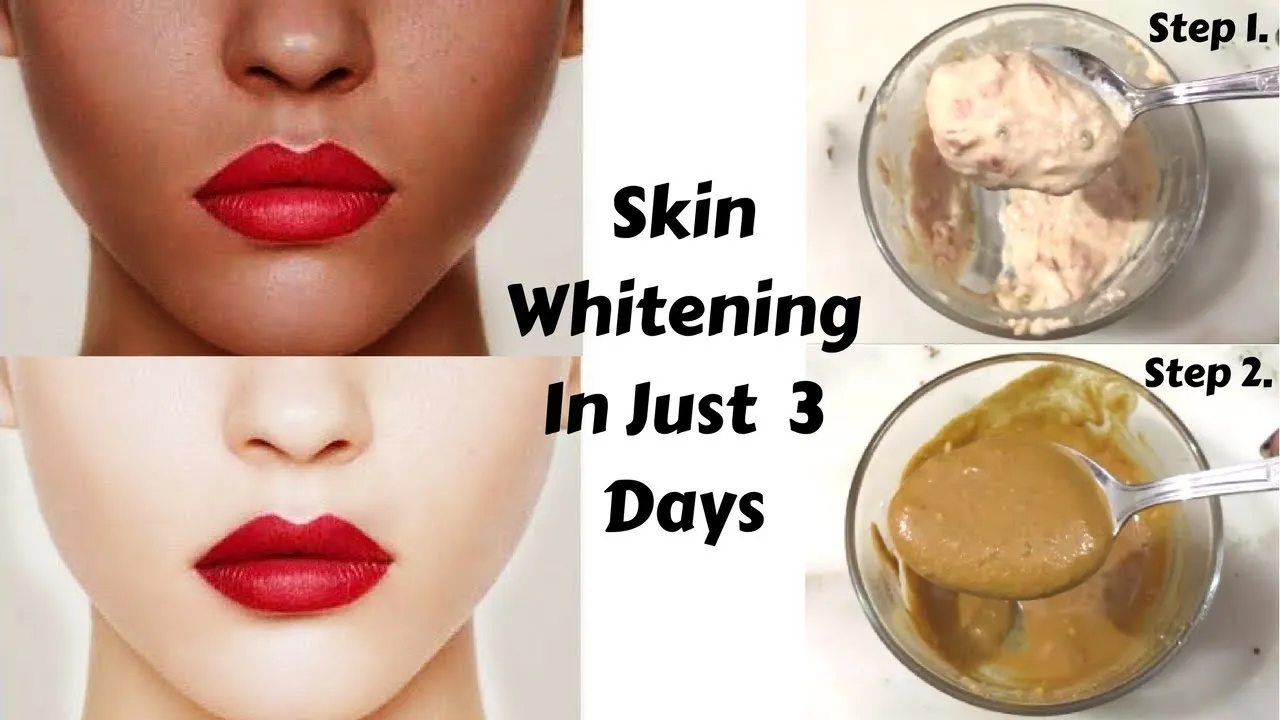
Understanding Face Whitening
Face whitening is a popular skincare practice aimed at reducing dark spots, hyperpigmentation, and uneven skin tone to achieve a brighter, more radiant complexion. Many individuals seek methods to lighten their skin due to various factors, including sun exposure, acne scars, hormonal changes, and genetics. This process often involves using natural remedies and skincare products that inhibit melanin production, the pigment responsible for skin color. The goal is to promote a more even skin tone and reduce the appearance of blemishes and discoloration. It is essential to approach face whitening with realistic expectations and prioritize the health and well-being of your skin.
What Causes Skin Discoloration
Skin discoloration, also known as hyperpigmentation, can arise from various internal and external factors. Prolonged sun exposure is a primary cause, as UV rays stimulate melanin production, leading to dark spots and uneven skin tone. Hormonal fluctuations, such as those during pregnancy (melasma) or due to hormonal imbalances, can also trigger increased melanin production. Acne and skin injuries can result in post-inflammatory hyperpigmentation, leaving behind dark marks after the skin heals. Certain medical conditions, such as Addison’s disease, can also influence skin pigmentation. Understanding these underlying causes is crucial for selecting appropriate face whitening remedies.
The Role of Melanin

Melanin is the natural pigment responsible for determining skin, hair, and eye color. Produced by melanocytes, melanin protects the skin from sun damage by absorbing UV radiation. The amount and type of melanin produced vary based on genetics and environmental factors, influencing the skin’s shade. When melanin production becomes excessive or uneven, it can lead to hyperpigmentation, resulting in dark spots, freckles, or an overall darker complexion. Face whitening remedies often work by inhibiting melanin production or promoting the shedding of melanin-rich skin cells, thereby lightening the skin and reducing the appearance of discoloration. Protecting the skin from further sun damage is also critical to prevent excess melanin production.
Top 5 Face Whitening Remedies
Many effective natural remedies can help lighten and brighten your face. These methods often harness the power of readily available ingredients and are less harsh than chemical treatments. Regular use of these remedies can improve skin tone and reduce the visibility of dark spots, leading to a more radiant complexion. Remember to perform a patch test before applying any new treatment to ensure it doesn’t cause irritation. Consistency is key, and results may vary based on individual skin types and the severity of discoloration. Consider incorporating these remedies into your regular skincare routine for the best outcomes.
Lemon Juice for Skin Brightening
Lemon juice is a popular natural remedy for skin brightening due to its high citric acid content, a natural bleaching agent. It can help to exfoliate the skin, remove dead skin cells, and reduce the appearance of dark spots and acne scars. However, it’s essential to use lemon juice with caution, as its acidity can cause irritation or sun sensitivity. Diluting lemon juice with water or other ingredients like honey can help mitigate these risks. Before applying lemon juice to your face, perform a patch test on a small area of your skin to check for any adverse reactions. Using sunscreen is crucial after applying lemon juice to protect your skin from sun damage.
How Lemon Juice Works

Lemon juice works by several mechanisms to brighten the skin. Citric acid acts as a gentle exfoliant, removing dead skin cells that can contribute to a dull complexion. This action reveals fresher skin beneath, making the face appear brighter. Moreover, lemon juice contains antioxidants that help to protect the skin from free radical damage, which can lead to premature aging and dark spots. The acidic nature of lemon juice also helps to lighten hyperpigmentation by inhibiting the production of melanin. Regular, careful use of lemon juice can help improve skin tone and texture, but it’s crucial to balance its use with moisturizing and sun protection to maintain skin health.
Application Tips
When applying lemon juice, dilute it with water to reduce the risk of irritation. A common ratio is one part lemon juice to one or two parts water. Apply the diluted lemon juice to the face using a cotton ball, focusing on areas with dark spots or uneven skin tone. Leave it on for no more than 15-20 minutes, then rinse thoroughly with cool water. Follow up with a gentle, hydrating moisturizer to prevent dryness. Avoid applying lemon juice to broken or irritated skin. Always apply sunscreen with an SPF of 30 or higher before going outside to protect your skin from sun damage. Perform a patch test on a small area of your skin before the first application to check for adverse reactions.
Yogurt and Honey Mask
A yogurt and honey mask is a soothing and effective remedy for face whitening, combining the benefits of both ingredients. Yogurt contains lactic acid, a mild exfoliant that helps to gently remove dead skin cells, revealing brighter skin. Honey, a natural humectant, moisturizes the skin and has antibacterial properties that can help to reduce acne and promote healing. This combination not only brightens the skin but also hydrates and calms it, making it suitable for various skin types. Using this mask regularly can contribute to a more even skin tone and a healthier complexion. Always use plain, unsweetened yogurt for this mask.
Benefits of Yogurt and Honey

The benefits of a yogurt and honey mask are numerous. Yogurt’s lactic acid aids in gentle exfoliation, removing dead skin cells and revealing a brighter complexion. It also helps to reduce the appearance of dark spots and even out skin tone. Honey provides exceptional moisturizing properties, preventing dryness and irritation. Its antibacterial qualities can help to combat acne and reduce inflammation. Together, yogurt and honey create a balanced treatment that brightens, hydrates, and soothes the skin. Regular use can lead to noticeable improvements in skin texture, radiance, and overall health. This mask is a natural and effective way to improve skin appearance.
How to Make the Mask
Making a yogurt and honey mask is straightforward. Mix two tablespoons of plain, unsweetened yogurt with one tablespoon of raw honey. Stir the ingredients well until they are fully combined and form a smooth paste. Apply the mixture evenly to your clean face, avoiding the eye area. Leave the mask on for 15-20 minutes, allowing the ingredients to penetrate the skin. Rinse thoroughly with lukewarm water and gently pat your face dry with a soft towel. Apply a light moisturizer to keep your skin hydrated. This mask can be used once or twice a week for the best results. Always do a patch test before applying it to your face.
Turmeric for Face Whitening
Turmeric, a spice known for its vibrant yellow color, is a powerful ingredient in face whitening remedies. It contains curcumin, a compound with anti-inflammatory and antioxidant properties. Turmeric can help to lighten skin tone, reduce dark spots, and even out skin pigmentation. Its antiseptic properties also help in combating acne and promoting healthy skin. Turmeric’s natural properties make it a popular choice in many skincare routines. The regular use of turmeric in face masks or scrubs can lead to a brighter, more radiant complexion. Its benefits extend beyond whitening; turmeric also promotes overall skin health by reducing inflammation and combating free radicals.
The Power of Turmeric

The power of turmeric lies in its active compound, curcumin, which has significant anti-inflammatory and antioxidant effects. Curcumin helps to reduce inflammation, a primary factor contributing to skin discoloration and blemishes. Its antioxidant properties combat free radicals, protecting the skin from damage and preventing premature aging. Turmeric can inhibit melanin production, leading to a lighter skin tone. The spice also has antiseptic properties, making it effective against acne and other skin irritations. Regular use of turmeric can thus provide a multifaceted approach to face whitening, reducing dark spots, evening out skin tone, and promoting healthier skin.
How to Use Turmeric
To use turmeric for face whitening, mix a teaspoon of turmeric powder with a few tablespoons of yogurt, honey, or milk to form a paste. Apply the paste evenly to your face, avoiding the eye area. Leave it on for 15-20 minutes before rinsing thoroughly with lukewarm water. Be aware that turmeric can temporarily stain the skin yellow, so it’s essential to wash your face thoroughly. For enhanced results, you can combine turmeric with other skin-brightening ingredients. Use this mask one to two times a week. Always perform a patch test on a small area of your skin before applying it to your entire face to ensure you don’t experience any adverse reactions.
Aloe Vera for a Glowing Face
Aloe vera is a versatile plant with soothing and brightening properties that make it an excellent choice for face whitening. It contains vitamins, minerals, and antioxidants that can help reduce inflammation, heal damaged skin, and lighten dark spots. Aloe vera also moisturizes the skin, preventing dryness and irritation, which is crucial for maintaining healthy skin. Using aloe vera can contribute to a more even skin tone and a glowing complexion. Regular application can help improve the skin’s overall texture and appearance. Aloe vera is a gentle and effective remedy suitable for most skin types, making it a popular choice for natural skincare routines.
Benefits of Aloe Vera

The benefits of aloe vera for skin whitening are numerous. It helps to reduce inflammation and soothe irritated skin, which can minimize redness and uneven skin tone. Aloe vera’s healing properties promote the repair of damaged skin cells, which can help fade scars and dark spots. It also contains compounds that can inhibit melanin production, leading to a lighter complexion. Aloe vera’s moisturizing properties keep the skin hydrated, enhancing its natural glow. The antioxidants in aloe vera protect the skin from free radical damage, which can prevent premature aging and further skin discoloration. Regular use ensures the skin becomes healthier, brighter, and more even-toned.
How to Apply Aloe Vera
Applying aloe vera is simple. Extract the fresh gel from an aloe vera leaf by cutting the leaf open and scooping out the clear gel. If fresh aloe vera isn’t available, you can use pure aloe vera gel from a reputable source. Apply a thin layer of the gel to your clean face, ensuring it’s evenly distributed. Leave it on for 20-30 minutes, allowing the skin to absorb the gel. Rinse with cool water and pat your face dry. You can apply aloe vera daily or several times a week. For enhanced results, you can mix aloe vera gel with other skin-brightening ingredients, such as honey or lemon juice. Always perform a patch test before applying it to your face.
Papaya for Skin Whitening
Papaya is another effective natural remedy for face whitening, rich in enzymes like papain and vitamins that promote skin brightening. Papain acts as a natural exfoliant, removing dead skin cells and revealing a brighter complexion. Papaya also contains antioxidants that protect the skin from damage and help to reduce the appearance of dark spots and uneven skin tone. Regular use of papaya can contribute to a more radiant and even skin tone. Its gentle exfoliating properties make it suitable for sensitive skin types. The benefits of papaya extend beyond whitening; it also helps in improving skin texture and promoting overall skin health.
Why Papaya is Effective

Papaya is effective for face whitening due to several key properties. Papain, a powerful enzyme in papaya, exfoliates the skin, removing dead cells that make the skin look dull. The enzyme also helps to lighten dark spots and even out skin tone. Papaya is rich in vitamins A and C, which are potent antioxidants that combat free radicals, preventing skin damage and premature aging. The high water content in papaya helps to hydrate the skin, keeping it moisturized and healthy. Papaya also contains alpha-hydroxy acids (AHAs), which contribute to exfoliation and skin brightening. Regular use of papaya masks leads to a brighter, more even complexion.
Creating a Papaya Mask
To create a papaya mask, start by mashing a small piece of ripe papaya into a smooth paste. You can add a tablespoon of honey or yogurt for added benefits. Apply the mask evenly to your clean face, avoiding the eye area. Leave it on for 15-20 minutes, allowing the enzymes to work. Rinse thoroughly with lukewarm water and pat your face dry. For enhanced results, you can combine papaya with other skin-brightening ingredients. Use this mask one to two times a week. Before applying, perform a patch test on a small area of your skin. Always follow up with a light moisturizer and sunscreen to protect your skin from sun damage.